Cheapest Balkan Countries for Indian Travelers: the places that seriously saved my budget and still felt unreal
#When people in India talk about Europe trips, it usually goes in one of two directions. Either they mean Paris-Switzerland-Italy type full filmi package, or they mean a Schengen visa speedrun where half the holiday goes in trains, queues, and overpriced coffee. I wanted neither. I wanted mountains, old towns, blue water, proper history, and a trip where I didn’t have to mentally convert every sandwich into rupees and feel guilty. That’s how I ended up doing a Balkan route, and honestly... best decision. Maybe not the most mainstream one, but if you’re an Indian traveler trying to see Europe without burning through your savings, the Balkans are kinda genius.
Also, quick thing. Budget travel here doesn’t mean roughing it out in some dramatic backpacker way. You can still stay in decent guesthouses, eat proper meals, take buses, even do a few guided tours, and the total often comes out way lower than Western Europe. I did a mix of solo travel, a couple shared transfers, some overnight buses, and a few lazy cafe days when I did nothing much. That balance worked. And from what I’ve seen recently, these countries are still among the best-value options for Indians planning a Europe trip in 2026 and beyond, especially if you care more about experience than flexing a visa stamp collection.
First up, what even counts as “cheap” in the Balkans?
#Cheap is relative, yaar. If you compare it to Southeast Asia, then no, the Balkans are not dirt cheap. If you compare it to France, Austria, Netherlands, even Croatia’s peak summer coast... then yes, absolutely. In most of the countries I’m mentioning, a hostel bed can still be around €10 to €20 in many cities, budget private rooms often land somewhere around €25 to €45, and a simple local meal might be €4 to €10 depending on where you are. Intercity buses are usually way cheaper than trains in Western Europe. Coffee is affordable, bakery snacks are lifesavers, and if you avoid peak July-August waterfront madness, the value gets even better.
For Indian travelers, one more thing matters a lot: not just daily cost, but overall trip friction. Visa rules, transport links, card acceptance, mobile data, safety, vegetarian options, and whether a place is easy to do without renting a car. Some Balkan countries are super budget-friendly but need more planning. Others are slightly pricier but much smoother. So this isn’t just a ranking by cheapest beer. It’s more like, where your rupee stretches nicely without making the trip annoying.
1) Albania – probably the best overall budget surprise in the region
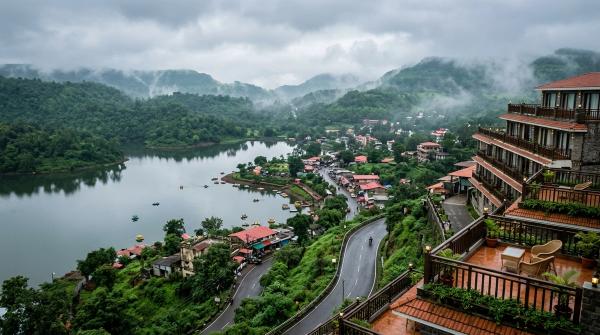
#I’ll be very honest, Albania shocked me. In a good way. Before going, I had all the usual vague ideas — cheap beaches, maybe a bit under-touristed, maybe rough around the edges. But what I got was gorgeous Riviera views, lively cities like Tirana, mountain villages that felt almost cinematic, and prices that made me double check menus. In Tirana, I found hostels around the lower budget end and private rooms that were still affordable by European standards. In smaller towns, it got even better. A proper meal with salad, bread, grilled vegetables, maybe some cheese, often cost less than what I’d pay in a fancy cafe in Mumbai.
Tirana itself is fun in a messy, real way. Not polished-polished, but alive. Colorful buildings, cafe culture, young crowd, and those long evening walks where nobody seems in a hurry. If you want beaches, places like Vlore, Himare, and Sarande can still work on a budget if you go shoulder season. Peak summer gets pricier, obviously. The Albanian Riviera is not exactly a secret anymore. But compared to big-name Mediterranean destinations, it can still feel like a steal. I also liked that buses and furgons, though not always super organized, keep costs low. You need patience tho. Schedules can be... flexible. Very flexible.
- Typical budget range: around €25 to €45 a day backpacking, more if you do coast-heavy summer travel
- Best months: May-June and September for lower prices and nice weather
- Good for: beaches, mountains, cheap food, cafe culture, road-trip vibes even without luxury budget
- Indian traveler tip: carry some cash because card use is improving but still not universal everywhere
Safety-wise, I felt okay. Standard city awareness, of course. Nothing dramatic happened. Locals were more helpful than I expected, and a lot of younger people speak some English. Vegetarian food isn’t amazing-amazing in every corner, but you can survive pretty well with salads, grilled veg, byrek, fries, breads, cheese, bean dishes. If you’re Jain or very strict vegetarian, then a bit more planning helps. Oh, and if you like hidden gems, Berat and Gjirokaster are sooo worth it. Stone houses, Ottoman-era feel, slower pace. Lovely.
2) Bosnia and Herzegovina – beautiful, emotional, and still good value
#Bosnia stayed with me longer than I expected. It’s one of those places where you go for the budget and scenery, then come back thinking about history, resilience, and people. Sarajevo is easily one of my favorite capitals in Europe, if we’re counting it that way. You can drink Bosnian coffee in the old bazaar, hear church bells and azaan not too far apart, and then stumble into heavy reminders of the 1990s war. It’s not a lightweight destination emotionally, but that’s partly what makes it feel real.
Budget-wise, Bosnia is solid. Sarajevo and Mostar both have hostels and guesthouses that are generally affordable, and food portions are huge. Non-veg travelers will be very, very happy with cevapi and grilled meats. Me, being the kind of Indian who can eat veg three days straight and then randomly crave spicy food, managed okay but had to search a bit more. Bakeries help. Supermarkets help more. If you book early, especially outside peak summer, you can do Bosnia really efficiently. The train between Sarajevo and Mostar, by the way, is famous for a reason. The views are ridiculous. Like laptop-wallpaper ridiculous.
If you only go to the Balkans for “cheap Europe”, Bosnia will give you way more than that. It has soul. And yeah, that sounds cheesy, but still true.
Current travel conditions are generally fine for tourism in the main routes, but this is one country where I’d say stick to marked paths in remote areas and don’t go wandering into random abandoned zones because of historic landmine risks in some rural regions. Main tourist areas are fine, just use normal common sense and updated local info. For Indian travelers who like history, culture, and meaningful travel more than beach clubs, Bosnia is a strong pick.
3) North Macedonia – easy on the wallet, easy to like
#North Macedonia is one of those countries people skip by accident. Which is weird, because it’s actually super practical for budget travelers. Skopje is not everyone’s dream city, I know. Some people find the giant statues and weird neo-classical makeover a bit much. I kinda did too. But it’s affordable, walkable in parts, and a useful entry point. The real charm, for me, was Ohrid. That lake. Those churches. The old town streets. Sunsets that made everybody suddenly quiet for two minutes.
Ohrid is where North Macedonia really wins. You can sit by the lake with coffee, take a boat if you feel like splurging a little, walk to viewpoints, eat simple meals, and not feel financially attacked. Accommodation ranges nicely from hostels to family-run guesthouses. It reminded me a tiny bit of some Himachali towns in the sense that if you stay longer and stop rushing, the place starts opening up more. Slower mornings, old uncles chatting, people selling fruit, cats owning the stairs... that kind of vibe.
- Typical private room in shoulder season: often around €20 to €35 depending on city and location
- Cheap eats: bakeries, grilled vegetables, tavce gravce, salads, pizza slices, supermarket supplies
- Best for: lake views, slower travel, low daily spend, short regional hops
- Worth noting: local buses and shared transport are useful, but timings can be old-school so don’t plan too tightly
I also found it fairly comfortable as an Indian traveler because costs were predictable. That matters more than people admit. In some countries, you keep getting random surprise fees. Here, not really. And if your trip includes Kosovo or Albania next, the route planning is pretty straightforward by bus.
4) Serbia – not the absolute cheapest, but excellent value if you do it right
#Serbia sits in that interesting middle zone. It’s not always as cheap as Albania or North Macedonia, especially in Belgrade where nightlife and trendy neighborhoods can make you spend more than planned. But it still offers very good value, particularly once you understand the city a bit. Belgrade is one of those capitals where you can do both extremes in the same day — a super cheap bakery breakfast, then accidentally end up at a riverside place charging way more than you wanted. Happened to me, not proud of it.
Still, Serbia deserves to be on this list because transport links are decent, food is filling, hostels are competitive, and there’s a lot to do without expensive entry tickets. Belgrade has energy. Novi Sad is easier, prettier, calmer. If you go during festival periods or summer weekends, prices climb, so book earlier. For regular travel though, it’s manageable. I’d especially recommend Serbia to Indian travelers who like city breaks with history, nightlife, street art, and cafe scenes more than just nature.
One practical thing: card payments are widely accepted in bigger places, but cash still helps for bus stations, small bakeries, local markets. Safety felt normal city-level to me. Watch your stuff in crowded areas, don’t do dumb late-night decisions, and you’re mostly fine. Vegetarian food is improving in Belgrade a lot. Outside major urban areas, options narrow but not impossible. Pizza, pasta, salads, bakery food — the usual budget traveler formula comes to rescue again.
5) Montenegro – can be cheap... if you avoid the obvious traps
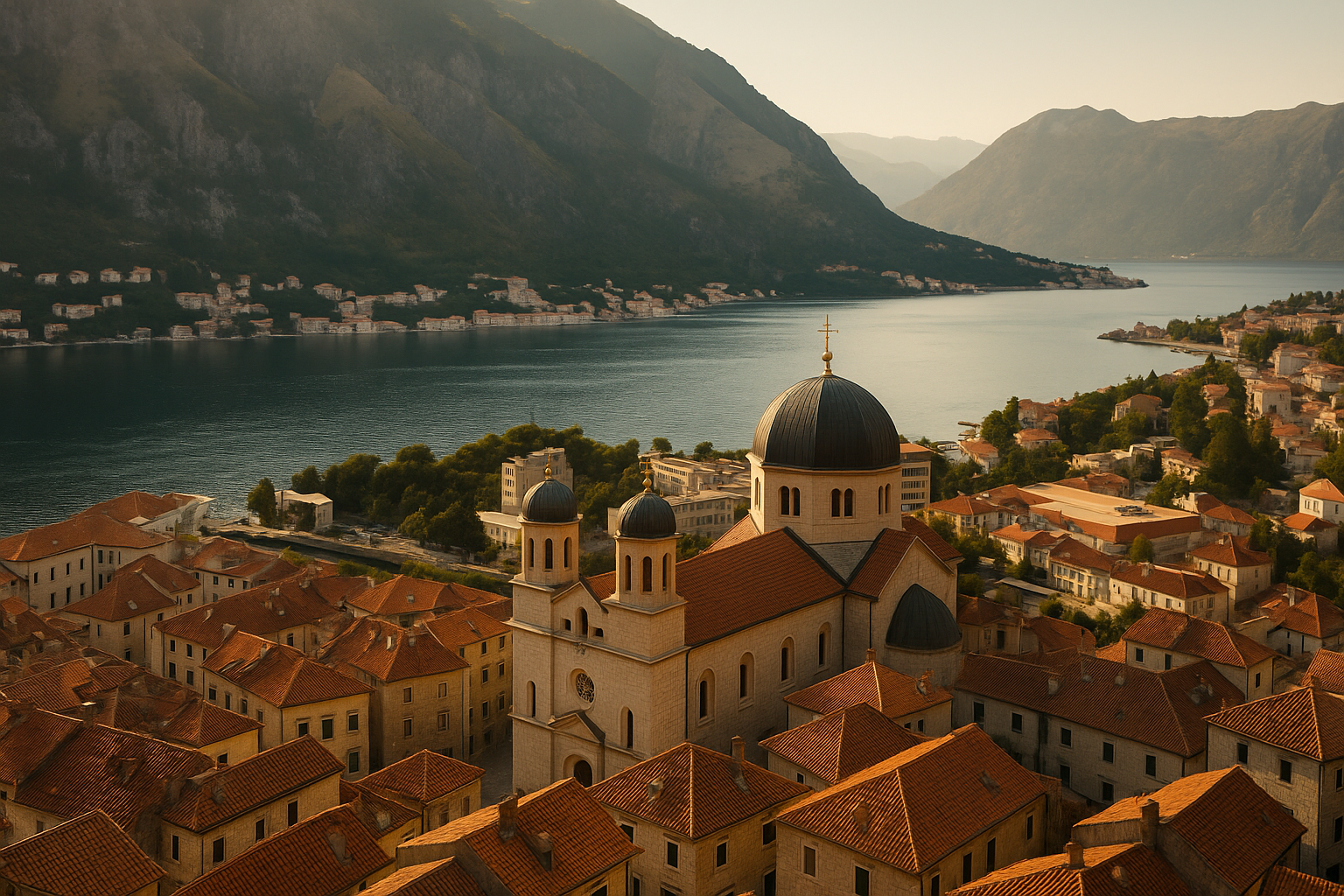
#Okay, this one needs nuance. Montenegro is not uniformly cheap. Kotor and Budva in peak summer can get weirdly expensive for what they are, because cruise traffic and coastal demand push prices up fast. But if you travel smart, Montenegro can still be one of the best-value scenic countries in Europe. The trick is simple: don’t treat it like a luxury Adriatic holiday unless you have that budget. Stay outside the most famous old-town centers, travel in May, June, or September, use buses, and mix coast with inland places like Zabljak or Podgorica if needed.
Kotor is stunning, no point pretending otherwise. That bay view is the sort of thing people put on wallpapers and engagement posts. I stayed a little outside the old town area to save money and thank God I did. Inside, prices for food and rooms were not backpacker-friendly in season. But hiking up to the fortress, wandering the lanes early morning before day-trippers, and then taking local transport onward made the experience feel worth it. If you want mountains, Durmitor region is fab. Seriously underappreciated by Indians, I think.
- Can be budget-friendly in shoulder season, less so in July-August on the coast
- Best strategy: base outside prime tourist cores and book early
- Great for: dramatic scenery, short stays, combining coast and mountain landscapes
- Watch for: tourist-tax add-ons and seasonal price spikes
Countries that are still worth considering, but maybe not the “cheapest cheapest” anymore
#Croatia gets all the attention, and yeah it’s beautiful, but for strict budget travelers it’s usually not my first recommendation now, especially on the coast. Zagreb can be okay-ish, and shoulder season helps a lot, but Dubrovnik and some island routes are just not in the same affordability category as Albania or Bosnia. Greece isn’t Balkans-only in the way most people think of this route, but same story on many islands. Slovenia is lovely but not cheap enough to lead this list. Romania and Bulgaria can also be very good value depending on route, though they sit a bit on the broader Balkan edge depending on who you ask. I’m mentioning them because some Indian travelers combine them with Serbia or North Macedonia, and that can work really well.
What I spent, roughly, and where Indian travelers usually save the most
#My style is budget-conscious but not extreme. I like a decent bed, clean bathroom, and at least one proper sit-down meal a day. On most Balkan days, I spent less than I would in major Western European cities by a huge margin. The biggest money savers were actually boring things: using buses instead of last-minute private transfers, staying in family-run guesthouses, taking bakery breakfasts, avoiding peak-season coast stays, and not changing cities every single day. Constant movement looks cool on itinerary graphics but costs more. A lot more, actually.
For Indian travelers, food strategy matters too. If you need vegetarian meals daily, book accommodation with kitchen access once in a while. Even making simple poha-style jugaad with supermarket ingredients, instant upma, cup noodles, fruit, yogurt, bread — it helps. I met a couple from Pune doing exactly that in Sarajevo and they looked happier than half the people queueing for expensive brunch. No shame in smart budgeting, yaar.
Visa stuff, entry planning, and travel flow — the unglamorous but important part
#This is where people get confused. Not all Balkan countries are in Schengen, and that can either be annoying or useful depending on your route. Some travelers enter Europe through a Schengen country and then continue into non-Schengen Balkan states. Others build a trip mostly around the Balkans themselves. Rules can change, and Indian passport holders should always check official embassy or consulate info before booking, because one random forum post from 2023 can mess up your whole plan. Seriously, verify everything. Some countries may allow entry with valid multiple-entry Schengen, UK, or US visas in certain cases, while others require separate visas. Don’t assume. Check.
Flight-wise, I found open-jaw routes and low-cost intra-Europe flights useful, but buses remain the backbone for region travel. FlixBus works on some routes, local operators on others. Border crossings can take time. Keep printouts or offline bookings handy because mobile network drops happen at the worst possible moments, obviously. eSIMs are getting easier now, and I’d recommend one if you’re country-hopping. Saves a lot of nonsense.
Best time to go if you want cheap prices but not depressing weather
#Shoulder season. End of story. Okay, not fully end of story, but close. May to June and then September to early October felt like the sweet spot almost everywhere I went. You get pleasant weather, longer days, manageable crowds, and prices that haven’t gone completely feral. July and August are great for swimming and nightlife, sure, but accommodation on coastal routes jumps up fast. Winter is cheaper in some cities, and can be lovely if you enjoy Christmas markets or moody urban travel, but transport disruptions and shorter daylight hours make fast itineraries tiring.
If you’re an Indian traveler not used to packing for four weather moods in one trip, take layers. In the Balkans, one week can give you hot afternoons, chilly evenings, bus AC from hell, and a random mountain rain episode. I underpacked once and spent a day pretending I wasn’t cold. Very stupid. Learn from my suffering.
Food, people, safety, and the small stuff that actually shapes the trip
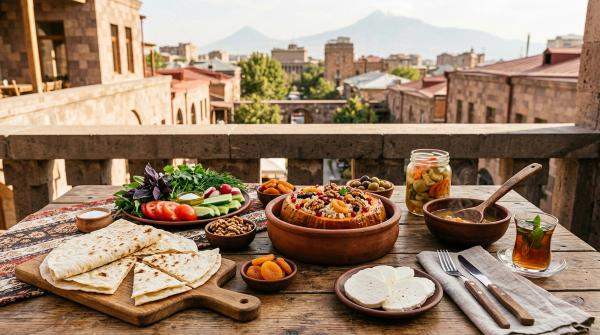
#A lot of Balkan food is meat-heavy, no point lying. But it’s not impossible for vegetarians. You just need flexibility and a little initiative. Learn a few phrases, ask clearly if a dish has meat broth, and use Google Translate when needed. Bakeries are your best friends. So are local markets. In bigger cities, vegan and vegetarian cafes are becoming more common, especially in capitals and tourist centers. Coffee culture is strong in many places, portions are generous, and people usually don’t rush you out. That slow sitting-around energy, I really liked that.
As for people, my experience was mostly warm, practical, and sometimes wonderfully blunt. Not fake-friendly, more genuine-helpful. A bus driver in North Macedonia literally made sure I got off at the right stop. A guesthouse owner in Albania helped me sort out onward transport with zero drama. In Bosnia, one cafe owner asked where I was from and then spent ten minutes telling me he loved Indian movies from the Shah Rukh era. That still happens, by the way. Bollywood diplomacy is alive and kicking.
Safety? Mostly good for regular tourism if you use normal precautions. Watch out for pickpockets in busy transport hubs, don’t flash cash, use registered taxis or apps where available, and respect local rules and political sensitivities. Protests or local tensions can happen anywhere, so before heading out each day, especially in capitals, I usually check local news and Google Maps updates. Sounds nerdy, but it works.
So... which Balkan country should Indian travelers choose first?
#If you want the best all-round cheap destination, I’d say Albania. If you want depth, history, and a trip that hits emotionally, Bosnia and Herzegovina. If you want easy budget pace and lake-town beauty, North Macedonia. If you want a bigger city feel with solid value, Serbia. And if your heart is fixed on Adriatic scenery but your wallet isn’t exactly luxury-class, Montenegro can still work if you time it right. That’s my honest ranking-ish, though on another day I might swap two of them. Travel is like that. Contradictory sometimes.
The bigger point is this: the Balkans let Indian travelers experience Europe in a way that feels less packaged and more personal. Less checkbox tourism, more actual discovery. You’ll still find old towns, castles, beaches, mountain roads, cafes, churches, mosques, street cats, grandmothers selling things you can’t identify, and sunsets that make everybody pull out their phones. But you’ll also have room in the budget to breathe. To stay one extra day. To say yes to a detour. That, to me, is the real luxury.
Anyway, if you’re planning a Europe trip and feeling priced out by the usual routes, look south-east a bit. The Balkans might surprise you the way they surprised me. And if you like travel stories with practical tips, casual mistakes, and less brochure-type nonsense, have a look at AllBlogs.in too. There’s some genuinely useful stuff there.