So, um, confession first – I used to be that person who did big rushed trips. Tokyo–Kyoto–Osaka in 6 days, 20,000 steps, 200 photos, zero actual memories. Then last year I tried something different: tiny food-focused ‘micro-trips’. Just 2–3 days in one area, only one theme: ramen, sake or seafood. That’s it. And honestly, it hit different.
I’m writing this as an Indian traveler who’s done the usual first-timer Japan itinerary and then went back only to eat and chill. If you’re planning a trip around ramen, sake & seafood in the coming year or two, these 7 mini itineraries can be stitched into one long holiday or done separately. Think of them like chhote chhote food side quests.
Quick note: travel vibe & basics right now
#Japan is fully open again, no quarantine nonsense, just check visa (we still need it as Indians) and keep an eye on airline rules. Most people are back to normal life, but masks in trains and crowded places are still pretty common, especially older folks. Cash is still king in a lot of small shops, though Suica/IC cards and QR payments are everywhere now, so don’t stress too much.
Average costs I faced on these micro-trips (per day, budget style, per person):
- Stay: ¥5,000–¥9,000 for business hotels or clean hostels (approx ₹3,000–₹5,500)
- Food: ¥3,000–¥5,000 if you’re focused on local joints and ramen (₹1,800–₹3,000)
- Transport: rail pass helps if you’re hopping cities, but for micro-trips, local trains + IC card was enough for me.
Micro-Trip 1: Sapporo & Otaru – Miso Ramen, Snow & Crazy Fresh Crab
#If you’re a ramen person, Sapporo is like, boss level. Hokkaido in winter is another planet. I landed in Sapporo, stepped out of the station, slipped on black ice within 5 minutes. Not graceful at all. But the first bowl of miso ramen at a tiny shop in Susukino – man, worth it.
What made this micro-trip special for me:
- Late-night miso ramen at
- "Ramen Shingen" (super popular, expect a line, but very local crowd)
- The broth is so rich you literally feel your soul defrosting
- Nijo Market in Sapporo for fresh kani (crab), uni (sea urchin) and ikura (salmon roe) donburi
- Day trip to Otaru by train – just 35–45 mins, beautiful canal town, great seafood and desserts.
Stay wise, I took a business hotel near Sapporo Station for around ¥7,000/night (booked on Agoda). For Indians, I’d say winter from Dec–Feb is magical but harsh. If you hate cold and snow, go in late Feb–March when it’s less extreme but still cozy. Btw, winter festivals and illumination events are back and quite popular, so book early if you’re going around the Sapporo Snow Festival time.
Micro-Trip 2: Hakodate – Dawn Seafood Market & Night Views
#Hakodate isn’t usually on first-time itineraries, but it should be, especially if you like calm seaside towns. I took an early morning trip to Hakodate Morning Market, half sleepy, and suddenly there’s squid tanks, sea urchins, massive crabs staring at you like, ‘kaunsa choose karega bhai?’
My favourite bits:
- Fresh kaisendon (seafood rice bowl) for breakfast – scallops, tuna, salmon, ikura, all in one bowl
- You can actually fish your own squid in some stalls and they’ll slice it sashimi style on the spot (little bit intense, but super fresh)
- Mt. Hakodate ropeway at sunset/night – one of the best night views in Japan, and not that crowded on weekdays.
I stayed in a small guesthouse walking distance from the market, around ¥5,500/night. Hakodate feels safe, relaxed, nice for solo travelers also. Just remember: a lot of places close early, like 8–9 pm, so eat dinner on time. This is something we Indians always underestimate – Japan doesn’t do late-night restaurants everywhere like we have back home.
Micro-Trip 3: Tokyo Backstreets – Ramen Crawl in Ikebukuro, Shimokitazawa & Kanda
#Tokyo is dangerous for your food FOMO. You blink, you miss something good. Instead of running all over, I did a 2-day ramen-only micro-trip, focusing on just a few hoods: Ikebukuro, Shimokitazawa, Kanda. And I gave myself a rule – max 3 bowls a day. Which I still kinda broke.
Some places I loved (and that are still very popular with locals):
- Ikebukuro: "Mutekiya" – super famous tonkotsu ramen, big line but really iconic. Touristy, but locals still go.
- Kanda: "Menya Musashi" – heavy, rich broth, perfect in cooler months
- Shimokitazawa: a bunch of tiny ramen shops plus indie cafes, very youth/hipster vibe, great for cafe-hopping between bowls.
Tokyo ramen prices are usually around ¥900–¥1,500 per bowl now, slightly up, but considering the quality it’s still value for money. Just keep a Suica/PASMO card loaded, use Google Maps, and you’re sorted. And don’t be scared of vending machine ordering – usually there’s pictures, or you can just point and do innocent tourist smile, people are pretty helpful.
Micro-Trip 4: Niigata – Sake, Rice & Quiet Riversides
#For sake lovers (or even curious beginners), Niigata is like a dream. Good rice, clean water, and the vibe is very… shaant. I took a shinkansen from Tokyo, about 2 hours, and suddenly you’re in a city that’s all about rice, snow, and sake.
What I’d suggest:
- Visit the "Ponshukan" sake tasting center inside Niigata Station – you pay around ¥500 for tokens, then you can try different sake from vending machines. Dangerous but fun.
- Join a sake brewery tour in Echigo-Yuzawa or nearby areas – many are back to doing small group tours with advance reservation.
- Try local rice-based dishes and simple seafood at izakayas. Sake + grilled fish + snow outside = full movie scene.
Budget wise, I found business hotels in Niigata city starting around ¥6,000/night. Best time to go, in my opinion, is late autumn to early spring when the whole hot sake and snow vibe just feels right. If you go in peak winter, just pack properly, don’t do the Indian-jugaad light jacket thing – I tried, suffered.
Micro-Trip 5: Kanazawa & Noto Coast – Elegant Seafood & Old Streets
#Kanazawa is one of those places where you feel you’re in an older, slower Japan but still with nice modern cafes and boutique stays. The main hook for me was fresh seafood and the beautifully preserved old districts. Also, less chaotic than Kyoto right now, which honestly is getting way too crowded in peak season.
Highlights:
- Omicho Market – breakfast of grilled fish, oysters, sashimi bowls. I had the best nodoguro (blackthroat seaperch) here, fatty and rich.
- Higashi Chaya District – old teahouse alleys, some cool dessert spots and small restaurants
- If you have time, a drive or bus out towards the Noto Peninsula coast used to be amazing for quiet fishing towns and seafood. Some areas are still recovering from recent earthquakes, so before going, just check local updates and be respectful of recovery efforts. Tourism actually helps these areas, but you don’t wanna be insensitive.
Stays in Kanazawa range from ¥6,000 hostels to fancy ryokan. I did a simple hotel near the station and spent most of my money on food instead. Priorities, no?
Micro-Trip 6: Fukuoka – Hakata Ramen & Street Food Yatai
#If you like street food style vibes, Fukuoka is your city. As Indians we’re used to chaat, vada pav, dosa counters, so the yatai (open-air food stalls) along the river just felt instantly familiar, just more organised and with better queuing habits.
Must-do stuff:
- Hakata-style tonkotsu ramen – thin noodles, rich pork broth. Shops around Hakata and Tenjin are everywhere, many open late.
- Yatai stalls at night – you’ll get ramen, oden, yakitori, sometimes even fusion dishes. You sit elbow-to-elbow with locals, have a beer, chat a bit.
- Random kushiyaki (skewers) and gyoza joints. Fukuoka is quite foodie, but still cheaper than Tokyo usually.
Fukuoka also has a relaxed coastal vibe, with day-trip options to nearby islands. I stayed near Tenjin so I could walk to most areas. Expect ¥5,000–¥8,000/night for basic places. Safety wise, walking back from yatai at night felt totally fine, just normal city common sense.
Micro-Trip 7: Hiroshima & Miyajima – Oysters, Okonomiyaki & Quiet Evenings
#Hiroshima hits you emotionally, obviously, but it also quietly has some of the best comfort food. I spent one full day just eating oysters and okonomiyaki and felt zero regret. Well, my jeans regretted it, but anyway.
Food & experiences I’d repeat:
- Hiroshima-style okonomiyaki – layered with noodles, cabbage, egg, sauce. Places around Okonomimura are fun, you sit at the counter, watch them cook in front of you.
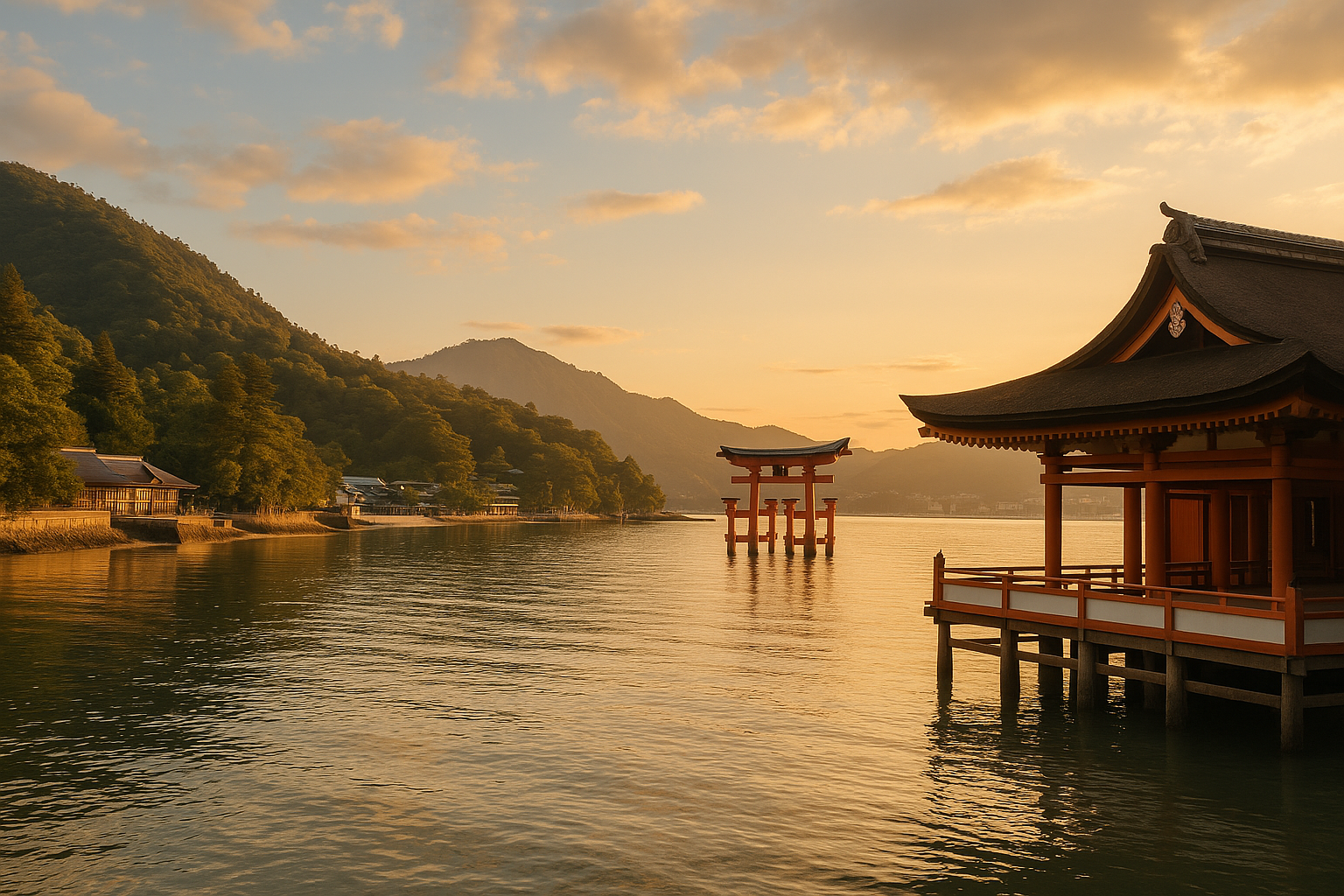
- Grilled and fresh oysters – Miyajima in particular is famous for this. I had charcoal-grilled oysters with just a squeeze of lemon, ate them standing on the street.
- Evening walk in Miyajima after most day-trippers leave – super peaceful. There are more visitors nowadays but if you stay the night, you get quieter mornings and evenings.
I stayed in Hiroshima city, near the station (¥7,000-ish per night), and did Miyajima as a day trip by train + ferry using my IC card. Ferry is quick, frequent, and still one of my favourite small rides in Japan.
Practical Tips for Indian Food Travelers (So You Don’t Suffer Like Me)
#Couple of things I wish I knew properly earlier:
- Carry some basic Indian snacks or ready-to-eat for emergencies. After 5–6 days of seafood and ramen, your soul will crave masala. Instant upma, theplas, or poha packets saved me more than once.
- Most places are card-friendly now, but small ramen joints and markets might be cash-only. I usually withdrew yen from 7-11 ATMs, rates weren’t terrible.
- For pure veg folks, these micro-trips are harder, not gonna lie, since they’re very seafood/meat heavy. But you can still enjoy markets, cafes, onigiri from konbini (look for ume or seaweed ones), and plan one Indian restaurant meal every few days in big cities.
- Best travel seasons: spring (Mar–May) and autumn (Oct–Nov) are ideal weather-wise. Winters are amazing for ramen and hot sake. Summer is humid and typhoon-ish in some regions, but festivals are fun if you can handle the heat.
How to String These Micro-Trips Together
#You don’t have to do all 7, obviously. If you have 10–12 days, I’d do something like:
- Tokyo ramen crawl (2 days)
- Niigata sake trip (2 days)
- Kanazawa seafood (2–3 days)
- Hiroshima & Miyajima (2 days)
Add Hokkaido or Fukuoka if you’re okay with internal flights or longer train rides. JR Pass rules and prices have changed in recent times, and for shorter micro-trips sometimes regional passes or just regular tickets work out cheaper. Always do a rough cost comparison on HyperDia/Google Maps + JR websites before buying a big pass because it’s not always the best deal anymore.
Travel conditions overall are stable and safe, tourism is properly back, but some coastal areas (like parts of Noto) are still slowly rebuilding, so just double-check local info before you go and support local businesses where you can. It really makes a difference.
Final Thoughts (and a Small Nudge)
#These 7 micro-trips honestly changed how I look at travel. Instead of ticking off temples and towers, I started focusing on flavours, small streets, conversations at counters, that one auntie in a market who laughed at my broken Japanese but still gave me extra pickles. For an Indian traveler, Japan can look expensive and intimidating on the surface, but if you plan smart, stay in budget places, and build your trip around food hubs like this, it becomes surprisingly doable.
If you’re planning a trip and want more random, real-people-style travel stories, I keep browsing AllBlogs.in for ideas and inspo. You’ll find a mix of experiences there, not just polished brochure stuff, which honestly helps a lot when you’re trying to plan a trip that actually feels like your kind of holiday.