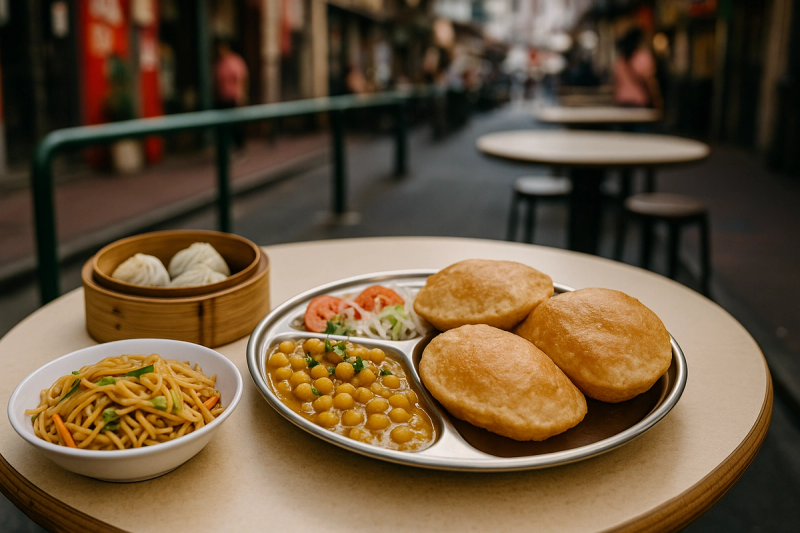
I used to think Hong Kong would be one of those cities where vegetarians survive mostly on fries, coffee, and optimism. Turns out... not even close. I came back kind of obsessed, honestly. If you're an Indian traveler heading to Hong Kong in 2026 and you're worried about food, especially proper vegetarian food and not just "salad available", lemme say this right away: you will eat well. Very, very well. But you do need to know where to go, what to ask, and when a dish that looks veg is secretly not veg because oyster sauce has entered the chat. I learned that the hard way, annoyingly.
This guide is basically the version I wish I'd had before landing there with a hungry stomach, too much confidence, and a weak airport sandwich from the flight. It's part food diary, part travel guide, part cautionary tale from someone who really cares about food. Also yes, I'm Indian, yes I missed masala chai after like 36 hours, and yes I still ended up falling for Hong Kong style soy milk, silky tofu desserts, vegetarian dim sum, and these incredible noodle bowls that I still think about at random moments.
First things first - is Hong Kong easy for Indian vegetarians?
#Easy-ish. Much easier than it used to be, from what locals told me. In 2026 the city feels way more ingredient-aware, and there’s a noticeable push toward plant-forward menus, sustainability, and allergy/dietary labeling, especially in Central, Sheung Wan, Tsim Sha Tsui, and parts of Causeway Bay. A lot of restaurants now clearly mark vegan, vegetarian, and even Jain-friendly possibilities if you ask nicely. Food delivery apps and map listings are better too, which matters more than people think when your feet hurt and the MTR stairs have personally attacked your knees.
That said, Hong Kong vegetarian is not always Indian-style vegetarian. This is important. A dish can be called vegetarian and still include egg. Or it might use fish sauce, shrimp paste, or oyster sauce in the base. Buddhist vegetarian places are often the safest for strict vegetarians, and some are fully vegan. For Jain travelers, you’ll need to ask extra questions because onion and garlic are very common, even in meat-free dishes. I started using a simple note on my phone that said: "No meat, no fish, no oyster sauce, no shrimp paste, no lard, no egg" and showed it before ordering. Worked surprisingly well.
My biggest Hong Kong food lesson? Never assume a beautiful bowl of noodles is vegetarian just because it has bok choy on top. Bok choy can be lying to you.
Where I found the best vegetarian food neighborhoods
#If you only stay near the big tourist spots and eat at random, you’ll still find something. But if you actually want memorable meals, target neighborhoods. Sheung Wan became my comfort zone pretty fast. It has that slightly old-meets-new Hong Kong energy, dried seafood shops next to minimalist coffee bars next to tiny vegetarian places that have maybe six tables and one auntie who runs the whole universe. Central has more polished plant-based dining and a bunch of global options, including Indian, Middle Eastern, and modern Asian vegetarian spots. Tsim Sha Tsui is super useful if you're staying in Kowloon and want variety without overthinking it. Causeway Bay and Wan Chai also have solid options, especially if you want trendier cafes, vegetarian desserts, or international food.
- Sheung Wan for Buddhist vegetarian spots, tofu dishes, noodle shops, and a more local feel
- Central for upscale plant-based restaurants, stylish cafes, and easier English menus
- Tsim Sha Tsui for Indian vegetarian meals, quick mall dining, and tourist-friendly choices
- Causeway Bay and Wan Chai for newer vegan cafes, bakery stops, and fun casual meals
One thing I noticed in 2026 is that Hong Kong’s plant-based scene isn’t just a niche anymore. There are more chefs doing vegetable-first Cantonese cooking instead of making fake meat the entire point. I like fake char siu as much as the next person, probably more, but some of my favorite meals were simple stir-fried greens, claypot mushrooms, tofu skin rolls, lotus root, and perfectly slippery rice noodle sheets with soy and sesame. It felt less like compromise and more like a cuisine opening up.
My first proper meal - and the tiny panic before it
#I remember my first evening so clearly. I had dropped my bags, stepped out into that humid neon rush, and suddenly realized I was starving. Not peckish. Not snacky. Properly hungry in the kind of way where your mood becomes a hostage situation. I found a vegetarian place in Sheung Wan after wandering too long and pretending I was "exploring". I wasn't exploring. I was lost. Anyway, the restaurant had fluorescent lighting, laminated menus, and the nicest staff ever. I ordered what I thought would be a light dinner and somehow ended up with soup, tofu, greens, rice, and steamed dumplings.
That meal changed my whole idea of vegetarian Hong Kong food. The dumplings were delicate but still savory, the broth had this clean deep flavor I couldn’t stop trying to decode, and the tofu wasn't bland at all - it was silky, peppery, gingery, almost comforting in a homesick way. Not Indian-comforting, different thing, but still. I left very full and weirdly emotional, which may have been jet lag talking. Or maybe good food just does that.
What Indian travelers should actually eat in Hong Kong
#Okay this part matters. If you go expecting only Indian restaurants, you'll miss the fun. Hong Kong has plenty of Indian food, especially around Tsim Sha Tsui, Chungking Mansions area, and some hotel districts, and yes that can be a lifesaver on day three when you just want dal. But the better strategy is mixing Indian comfort meals with local vegetarian dishes. That’s where the trip gets interesting.
- Vegetarian dim sum - look for mushroom dumplings, spinach dumplings, tofu skin rolls, steamed buns with lotus paste, and cheung fun with scallion or mushroom fillings
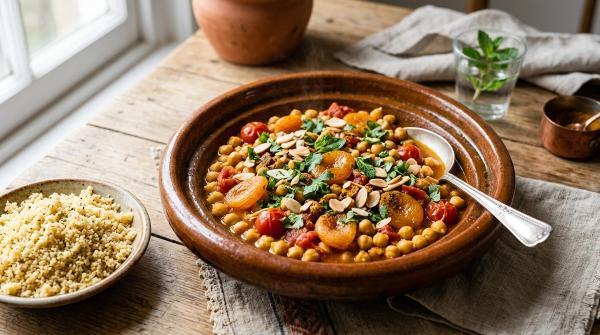
- Buddhist vegetarian set meals - usually rice, soup, braised tofu, seasonal greens, mushrooms, and mock meat dishes if you want to try them
- Claypot eggplant or mushroom dishes - ask for no oyster sauce if needed
- Congee - plain rice porridge can be super comforting, just double check the stock base
- Fresh soy milk, tofu pudding, sesame dessert soup, mango desserts, and eggless bakery options where available
- Hong Kong style milk tea is iconic, but if you avoid dairy or want Indian chai vibes, specialty cafes now often do oat or soy versions
I also ended up loving cha chaan teng style breakfasts adapted for vegetarians. Not every diner will get it right, but some modern cafes do vegetarian macaroni soup, toast sets, pineapple buns without hidden fillings, scrambled egg alternatives, and really good coffee. There’s been a big breakfast-and-brunch trend in 2026, with cafes doing local flavors in vegetarian formats. Sometimes these places are a bit expensive for what is basically toast, I won't lie, but occasionally it's exactly what you need before a long walking day.
A few kinds of restaurants that worked for me
#Instead of pretending I remember every single restaurant name perfectly, because I do not, here's the honest version: I had the best luck with three categories. First, dedicated Buddhist vegetarian restaurants, often clearly marked with Chinese Buddhist vegetarian signage and menus full of tofu, mushrooms, bean curd sheets, and mock meat dishes. Second, modern plant-based restaurants in Central and Wan Chai, where the menus were more international and staff could explain ingredients better. Third, Indian vegetarian restaurants in Tsim Sha Tsui for when I needed a reset meal. There are enough around that area to make it a reliable zone for dosas, thalis, paneer, chaat, and Jain modifications if you call ahead.
A small 2026 trend I really liked: more places are doing QR menus with allergen and diet filters. Kinda annoying if your phone battery is dying, but genuinely useful. Also several newer vegetarian places are focusing on lower-waste cooking, local hydroponic greens, and seasonal produce from the New Territories. You can feel that sustainability thing becoming part of the food story in Hong Kong, not just marketing fluff. Well... mostly not fluff.
The dishes I kept chasing after the first bite
#Tofu skin rolls at dim sum. I had them once, then ordered them again in two other places just to compare. One version was soft and almost creamy inside, another had crunchy vegetables and a stronger soy flavor. Mushroom dumplings too - especially the ones with truffle, which I usually find a bit try-hard, but somehow they worked. There was also this braised bean curd with chestnuts and shiitake that was so hearty I didn’t miss paneer or anything else. And then dessert... omg. Warm black sesame soup after a rainy evening in Kowloon is one of those oddly specific travel memories that stays with you.
Street food, markets, and the reality check
#Now, can vegetarians do Hong Kong street food? Yes, but with more caution than at restaurants. Some stalls are straightforward, some are not, and cross-contamination is very real. I spent an evening around Mong Kok and another around Temple Street mostly snacking carefully rather than diving into everything. Roasted sweet potato, chestnuts, fruit cups, bubble waffles from places willing to confirm ingredients, fresh bakery snacks, tofu puddings, and certain rice rolls were my safer bets. The vibes were incredible though - all steam and chatter and bright signs and people moving like the city never intends to sleep again.
Markets are worth visiting even if you don’t eat much there. Graham Street Market, neighborhood produce stalls, and little dry goods shops taught me more about local ingredients than any polished food tour could. I saw mushrooms I couldn't name, mountain-ish piles of greens, tofu in multiple textures, preserved things that definitely were not for me, and fruits that looked fake because they were too glossy. I love that stuff. Food travel isn't only about eating, it's about seeing what a city values in its kitchens.
Hong Kong feeds you with restaurants, sure. But it also feeds your curiosity. Every market lane is like peeking into someone else's pantry.
How to handle language, menus, and the sneaky non-veg ingredients
#This is the practical bit me and honestly every Indian vegetarian I know would want. Be specific. Say vegetarian and then say what that means. In some places, "no meat" may still leave room for seafood-based seasonings. In others, staff understand immediately. I’d usually ask: Is it cooked with oyster sauce? Fish sauce? Shrimp paste? Chicken stock? Lard? Egg? It sounds extra, maybe it is extra, but better extra than accidentally chewing through a problem.
- Buddhist vegetarian places are generally the easiest choice for strict vegetarians
- For Jain food, message ahead if possible, especially at Indian restaurants
- Use translation apps but keep a written note too, because internet can be patchy underground
- If a place looks unsure, order something simpler like plain rice, stir-fried greens, tofu, or noodles with customisation
Also, one awkward thing. Sometimes Indian travelers assume all vegetable dishes in Chinese restaurants are automatically safe if they say veg. Nope. Not true. Not even a little bit. I had one near-miss with a beautiful plate of eggplant that smelled amazing and then the server mentioned oyster sauce casually, like that was no biggie. It was a biggie to me. So yeah, ask twice if needed.
When I missed home food - and where that fit into the trip
#By day four I wanted Indian food so badly it was almost embarassing. Something about constant walking, humidity, and sensory overload makes you crave familiar spice. So I went to Tsim Sha Tsui and had a full vegetarian meal that included dal, naan, sabzi, and a mango lassi that was too sweet and totally perfect. I’m actually glad I did that instead of forcing myself to stay "authentic" every single meal. Travel gets better when you stop performing and just eat what you need.
Hong Kong is great for Indian travelers in that sense because you can toggle between worlds really easily. Breakfast can be Cantonese style congee, lunch can be excellent South Indian, snacks can be tofu pudding and bakery buns, dinner can be modern vegan dim sum. The city lets you do that without making it weird. That flexibility is probably why I’d recommend it so strongly for vegetarian travelers who are curious but cautious.
A rough 3-day vegetarian eating plan I’d tell my friends to steal
#Day 1, stay simple. Eat in Sheung Wan or Central after you arrive. Go for a dedicated vegetarian restaurant, get soup, rice, greens, tofu, dumplings. Don’t overcomplicate your first meal. Day 2, do dim sum for brunch, then maybe walk around PMQ, Central Market, or the Mid-Levels escalator area, and save room for dessert. In the evening, head to Kowloon for views and a comfort-food Indian dinner if you’re in the mood. Day 3, try a modern plant-based cafe breakfast, then market wandering and casual snacks, then one more proper Cantonese vegetarian meal before leaving. Not a perfect plan, but a very happy one.
If you have more time, add Lantau or outlying islands and pack snacks. Vegetarian choices outside the dense urban core can be thinner, though improving. Ferry days made me weirdly hungry, maybe it's the wind or the sea smell or me being dramatic. I carried nuts, fruit, and a backup granola bar because I do not trust my travel self to make wise choices when hungry.
Final thoughts - would I go back just for the food?
#Absolutely, yes. In a heartbeat. Hong Kong surprised me because the vegetarian experience didn’t feel like a side-note. It felt layered, local, modern, traditional, comforting, and occasionally confusing in the best way. I loved the contrast of old-school Buddhist vegetarian spots and sleek new plant-based kitchens. I loved that one meal could be deeply Cantonese and the next could be unapologetically Indian. And I loved that, as an Indian traveler, I never had to choose between familiarity and adventure. I got both.
So if you're planning a trip in 2026, don’t let the fear of food hold you back. Go hungry. Ask questions. Make peace with getting mildly lost once or twice. Eat the dumplings. Eat the tofu pudding even if you think you’re not a tofu person, because maybe you just haven’t had the right one yet. And if you come back with a list of favorite vegetarian places scribbled in your notes app and a few food obsessions you can’t stop talking about... well, welcome to the club. I do that now. Also, if you're into more travel-and-food rambling like this, have a look at AllBlogs.in.