
So, um, let’s just admit it. Planning travel now is not like how it was when we were kids, ya. Earlier it was like: summer vacation = hill station, winter = Goa, monsoon = just don’t go anywhere because trains will 100% get delayed. Now every time I open MakeMyTrip or Skyscanner, I’m also checking: heatwave? flood? wildfire? some glacier breaking somewhere? It sounds dramatic but honestly, this is literally how climate change is poking its nose into our travel plans for 2026 and beyond.
I’m not a scientist yaar, I’m just that friend who’s always sending “check this cheap flight” screenshots on WhatsApp. But over the last few years, different trips have smacked me in the face with the reality of climate change. From sweating like crazy in Europe in October to seeing closed trekking routes in Himachal because of landslides, I’ve realised one thing: if we don’t factor climate into our travel plans now, we’re just going to waste money, time and also some sanity.
When Your Itinerary Fights With the Weather (And Weather Wins)
#Let me just start with this one trip that properly hit me. I went to Ladakh thinking I’m very smart, I booked in what used to be the “safe” window – late June. Everyone says the same thing na: not too cold, roads mostly open, good time to go. But the year I went, there was unseasonal rain. Like proper heavy rain, not cute little drizzles. One full day Leh was basically shut, flights were being rescheduled, some homestay people were panic calling their guests stuck on the Srinagar–Leh highway because of landslides. We got stuck in the hotel lobby sipping endless butter tea, refreshing news apps, watching footage of parts of the Manali–Leh highway literally washed off.
That’s when our driver told us, very casually, “Ab weather ka koi bharosa nahi hai. Seasons aage peeche ho gaya.” That line just stayed with me. Because he’s not reading climate reports and IPCC data. He’s just seeing it live every year on the ground. Snow later than usual, sudden cloudbursts, tourists fainting from heat because they came with wrong expectations.
What’s Actually Changing For Travelers (Not Just Theory)
#Okay, leaving emotions aside for one second, here’s how climate change is already changing travel and will hit even more by 2026:
- Heatwaves are becoming longer and hitting more places – not just North India, but Europe, US, even hill stations getting unusually hot some days.
- Monsoons are more unpredictable – heavier downpours in short bursts, which means flash floods and landslides, especially in the Himalayas and ghats.
- Sea levels and storm surges are messing with beaches and coastal areas – think Goa, Kerala, Andamans, plus places like Maldives and parts of Thailand.
- Wildfires and droughts are impacting forests and national parks – smoky skies, park closures, animals shifting patterns.
- Glaciers are melting faster – so mountain routes change, trekking seasons shift, and sometimes popular trails get riskier.
By 2026, these trends aren’t suddenly going to reverse. If anything, they’ll speed up. So the point is not “don’t travel”, the point is “travel smarter and kinder”. And ya, prepare for more last-minute changes, more travel advisories, more ‘oh shit’ moments if we don’t plan properly.
Rethinking “Best Time to Visit” – Seasons Are Going Out of Syllabus
#You know how every blog says: “Best time to visit XYZ is from March to May or October to February” like its a fixed formula carved on stone. Just forget that blindly. That era is low-key over.
I was in Europe in what used to be normal autumn weather. Bro, it was hotter than Delhi March. People were literally queueing outside Decathlon to buy shorts. In Rome, I saw one Indian family fully in jeans and hoodies because they had packed for ‘europe is cold’ vibe. By afternoon they were just suffering. Local news was calling it a “record heatwave” for that time of the year.
What This Means For Your 2026 Plans
#Instead of only checking “best time to visit” from old blogs, do this also:
- Check recent 2–3 years weather data for the same month – you can just Google like “Paris temperature October” and see trend graphs. Not perfect, but it gives a vibe.
- Look for news on extreme events – search “flood”, “heatwave”, “landslide”, “storm” with the destination name.
- Follow local meteorological or tourism handles on X/Instagram – they often post warnings now because tourism is a big deal.
- Have a Plan B within the same region – like if mountains are blocked, can you chill in a nearby valley or city instead.
For India specifically, seasons are shifting a bit: summer heat is stretching longer, rains are sometimes late but very intense, winters starting later in some places. So if you’re planning 2026 trips now, keep your months flexible if possible, or at least your expectations flexible. No point going to a hill station assuming “cool weather” and then roasting in 30 degrees plus because of a freak heat spike.
Mountains: Beautiful, But Now More Fragile (Himalayas Especially)
#I think every Indian has one mountain phase in life. For me it started with Manali, then McLeodganj, then Spiti, then trying to act like some proper trekker doing Kedarkantha, Hampta Pass, all that. Over the years though, I’ve literally seen climate change there with my own eyes.
Last time in Himachal, my homestay uncle in Tirthan Valley told me:
“Pehele yahan December se hi proper baraf ho jata tha. Ab January tak wait karna padta hai, kabhi kabhi tab bhi nahi.” Snow is coming later, and sometimes not at all at lower altitudes. At the same time, cloudbursts and landslides have become more frequent. You’ve seen the news – roads washed away, hotels falling, rivers in spate.
If You’re Planning Himalaya Trips in 2026
#Just some practical stuff I’ve learnt (the hard way sometimes):
- Avoid peak monsoon for high mountains – July–mid September for Uttarakhand and Himachal can be risky, especially for road journeys. Landslides, road blocks, you name it.
- Check road and weather updates daily – BRO, state PWD pages, local news, and even local Facebook groups are gold. Many taxi unions give live status.
- Book flexible stays – homestays and guesthouses are usually more understanding if you get stuck somewhere due to weather. Big hotels sometimes act like “policy is policy” only.
- Buy good insurance, especially for treks – I know, very boring adult advice, but mountain evacuations are super expensive if something goes wrong.
- Respect trail closures – if a popular trek is closed due to glacial lake burst risk or landslides, don’t argue with forest officials. They’re not doing drama, they’ve seen things.
By 2026, expect more restrictions on certain routes during risky months. Not because the government hates tourists, but because the mountains just can’t handle careless mass tourism plus unstable weather. Honestly, its better to have safe limited access than disaster tourism.
Beaches & Islands: Your Favourite Beach Shack May Not Survive Every Storm
#Okay, I’ll say it, I love Goa like its my cousin’s house. I’ve gone in college broke days, office offsite days, random “I need a break” days. Over the years though, I’ve quietly noticed the shoreline changing in some parts. Shacks that used to be right near the water have moved back a bit. Stronger storms, beach erosion, high tides – all this is increasing along India’s coasts.
And it’s not just Goa. Kerala backwaters flooding more intensely, Odisha facing cyclones more frequently, Andaman and Nicobar dealing with coral damage, and internationally, places like the Maldives literally fighting for survival against rising sea levels. By 2026, some low-lying coastal spots may see more frequent closures, evacuation drills, or just become too risky in cyclone seasons.
Planning Coastal Trips in the Climate Change Era
#Little things that I’ve started doing and honestly you should too:
- Check cyclone trends and season – for Bay of Bengal side (Odisha, Andhra, Bengal, Bangladesh, etc.) pre-monsoon and post-monsoon cyclones are becoming more common.
- Avoid the absolute peak of storm season – like late September to November can be tricky in some coastal regions.
- Book stays slightly away from the direct waterline – having “sea facing” is nice but not when a storm decides to say hello.
- Ask hotels about their evacuation plan – sounds crazy, but good resorts and homestays now actually have clear instructions.
- Support eco-conscious properties – places that don’t build right on sand dunes, use local materials, manage waste properly, etc. They’re usually more in sync with the environment.
Price wise, for 2026 you can still find decent beach stays in India if you’re not too fussy:
– Goa guesthouses: ₹1200–3000 per night for clean AC rooms if you book early and avoid Xmas–NYE madness.
– Kerala homestays (Varkala, Alleppey): around ₹1500–4000 per night depending how fancy you go.
– Andamans: budget stays ₹1500–2500, midrange ₹3000–6000, luxury goes fully wild.
But be mentally ready that some dates may be cancelled last minute because of cyclone warnings or high tide alerts. Keep one flexible beach day where you can just chill, stay indoors if needed, or explore cafes and local markets instead of only chasing sunsets.
City Breaks Aren’t Safe Either – Heatwaves & Air Quality Drama
#We think cities are ‘safe’ destinations. But last couple of years, heatwaves and crazy AQI have made some city trips quite miserable. I went to Jaipur in what should’ve been “pleasant winter sunshine” and instead, it was weirdly hot in the day and choked with smog in the evening. My energy basically got finished by 3 pm daily.
Globally, cities like Dubai, Athens, parts of Spain, US, etc. are seeing warning-level heat indexes. In some places they literally put out advisories saying don’t go out in afternoon. In India also, our metros are hitting 45+ degrees kind of nonsense. So ya, by 2026, if you’re planning city travel, especially in summer, don’t underestimate the heat.
How to Not Get Roasted On Your Trip
#What’s working for me nowadays:
- Avoid midday sightseeing in summer – I know we feel like we must “cover everything” but no need to get heatstroke for one more fort photo.
- Start early morning, then long lunch + siesta, then evening again – very desi style, very efficient.
- Pick stays with at least basic cooling – AC or good fans plus ventilation. Don’t cheap out too much here if heat is extreme.
- Carry a refillable water bottle and electrolytes – especially in dry heat areas like Rajasthan, Central India.
- For winter trips in North India cities, check AQI especially around Diwali – if you have asthma or breathing issues, just avoid those dates.
Accommodation wise, most Indian cities in 2026 will still have a wide range:
– Budget hostels / dorms: ₹500–1000 per bed per night.
– Budget hotels / guesthouses: ₹1200–2500.
– Comfortable midrange: ₹2500–6000 depending on city and area.
Check reviews for comments like “too hot”, “AC not working”, “room very stuffy” – these are red flags in a warming world, trust me.
Nature & Wildlife Trips: Changing Seasons, Changing Sightings
#Wildlife travel was something I only got into recently. Did a couple of safaris in Tadoba and Ranthambore, and one failed attempt to spot a tiger in Jim Corbett (saw only deer and one bored peacock). While talking to guides and forest staff, you really hear how the animals and forests are changing.
They told us summers are getting harsher, water holes drying faster, some animals moving slightly to new areas, and forest fires becoming more common. Monsoon patterns also disturb breeding and migration. All this means your wildlife trip in 2026 might not look like the rosy photos on old brochures.
For Your Safari & Nature Plans
#Some things to remember:
- Check official park closure dates – many sanctuaries close during core monsoon months or when forest fires occur.
- Book safaris through official portals or reputed operators – don’t get scammed by random DMs promising “guaranteed tiger sighting”.
- Expect more last-minute cancellations due to weather – heavy rain can close tracks for days.
- Be okay with not seeing the “main star” animal – with climate stress and habitat shifts, sightings may become more unpredictable.
- Choose eco-friendly stays – many newer jungle lodges run on partial solar, treat their waste, use grey water, and a portion of your money supports conservation.
Initially I used to think this eco stuff was just ‘green marketing’. But after seeing plastic bottles even inside forest buffer areas near tourist gates, I realised we can’t keep adding pressure. By 2026, I’m pretty sure more parks will put caps on daily vehicles, stricter rules about noise, timings, and maybe even increased fees. Not to loot us, but because preserving the habitat is becoming a matter of survival now.
Flight Delays, Cancellations & Carbon Guilt – Welcome to New-Age Travel
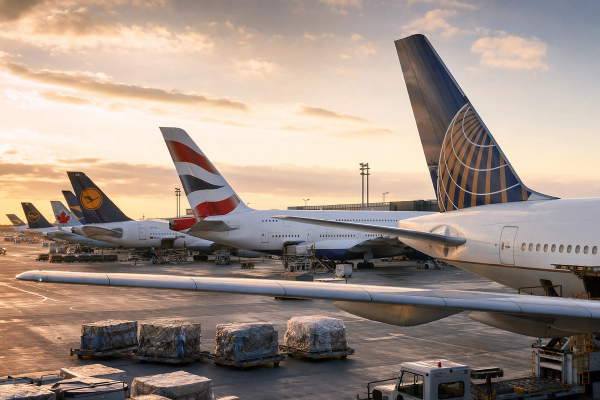
#One more change I’ve noticed increasing year on year: weather-related flight drama. Unexpected storms, extreme crosswinds, heavy fog, flooding near airports – it all leads to delays or cancellations. Even trains get washed out or slowed because of tracks flooding or landslides.
On one trip back from Kochi, we got stuck for 6 hours because of heavy rains and low visibility. Airport was full of tired kids sleeping on luggage trolleys, one uncle loudly arguing that “yeh sab planning ka fault hai”, but honestly, what will the staff do? They can’t control monsoon intensity.
How to Handle This in Your 2026 Trips
#Stuff that actually helps in real life:
- Avoid razor-thin connections – give yourself decent gaps between flights or between flight and train.
- Try to reach a day early if you have a time-sensitive event – like a wedding, trek start, cruise, conference.
- Always, always carry basic essentials in hand baggage – medicines, one change of clothes, toothbrush, power bank.
- Keep airline apps installed – they often show reschedules faster than email or display boards.
And yeah, the carbon footprint question. I’m not going to pretend I don’t fly. I do. But I’m trying to:
– take fewer but longer trips instead of many short weekend flights,
– use trains for shorter distances when possible,
– pick stays and operators that are at least trying to be sustainable.
It’s not perfect, obviously. But if more of us think this way by 2026, it adds up little by little.
Money Talk: Will Climate Change Make Travel More Expensive?
#Honestly, yes and no. Some things will get costlier; some will just shift. For example:
- Insurance will become more important – and certain high-risk areas or seasons may have higher premiums.
- Eco-friendly stays may look slightly costlier upfront – but many of them include meals, guided walks, filtered water, etc., so it balances out.
- Off-season deals may not be as appealing if ‘off-season’ is now full of climate risk (like heavy floods during monsoon).
- Transport costs can fluctuate with fuel prices and disruptions caused by climate-related issues.
If you’re budgeting for 2026 trips from India, rough ballpark (very general, obviously):
– Decent domestic long weekend (flight + 2–3 nights midrange stay + food + some activities): ₹15,000–30,000 depending the destination.
– International budget trip to Southeast Asia (5–7 days, hostels/guesthouses, local food, public transport): starting around ₹45,000–70,000 from Indian metros if you book smart.
Climate change might push some hidden costs, like needing more AC days, water, paid lounge access during a long delay, extra night stay due to cancellation, etc. So just keep a buffer fund instead of planning with razor-thin budget margins.
So… How Do You Actually Plan Climate-Smart Travel For 2026?
#If I had to sum up everything I’ve learnt in one semi-organised way, it’d look like this (and ya, I know I don’t follow it perfectly either):
- Pick your destination with weather risk in mind – if a place has had repeated extreme floods or fires in recent years during specific months, maybe don’t go in those exact months.
- Be flexible with dates and internal plans – leave some buffer days or at least buffer hours so one storm doesn’t collapse your entire itinerary like Jenga.
- Book stays that are climate-aware – good insulation, backup power, proper drainage, away from obviously dangerous spots like unstable cliffs, river edges, etc.
- Travel slower – fewer cities, more days. Less rushing means if one day gets spoiled by rain, you’re not devastated.
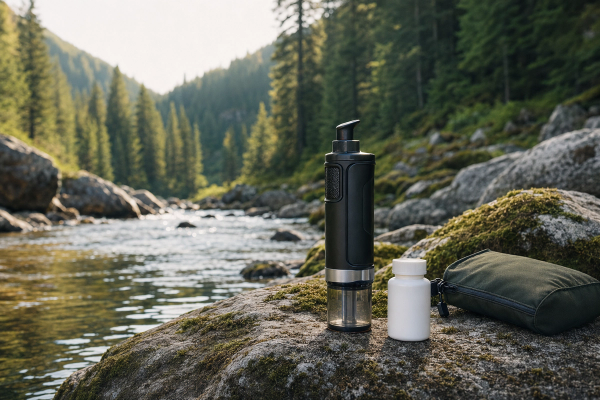
- Pack for extremes, not just Instagram – light layers, rain protection, sun protection, medicines, refill bottle, maybe a small water filter if you’re going remote.
- Stay updated till the day you travel – keep an eye on forecasts and advisories; if a place looks genuinely unsafe, don’t force it.
- Be a low-impact guest – carry your trash back, avoid single-use plastic as much as you can, choose local food and services so your money supports communities who are themselves dealing with climate impact.
And mentally also, we have to adjust. Weather is going to be more dramatic. Plans will change. Some places will become stricter. Some “hidden gems” will suddenly become crowded because other areas closed. Our ideal perfect-trip fantasy will sometimes collide with reality. That’s okay honestly, as long as we don’t put ourselves or local people at risk just for one reel.
Travel Will Survive. But It Needs Us To Grow Up A Little
#Whenever I start feeling very gloomy about all this, I think about small moments from recent trips. A chai stall owner in Spiti laughing and telling us stories while the wind howled outside. A Goan aunty explaining how their community is trying to revive sand dunes and mangroves near her village. A homestay host in Sikkim proudly showing the solar panels on his roof and saying his electricity bill is almost zero now.
People are adapting. Nature also has some insane healing power, if we stop poking it nonstop. As travelers from India – especially with so many of us getting passports and discovering the world now – we actually have a lot of influence. Where we stay, how we behave, what we share online, what we normalise… it all matters.
Travel in 2026 won’t be about ticking off a list. It’ll be about navigating a changing planet with some maturity, some curiosity, and still a lot of joy.
We can still chase sunsets, snowfall, beaches, forests, cafes, street food, all of that. Just with a little more awareness and flexibility. And honestly, it kind of makes the stories better. “We had to change plans because of a storm and ended up discovering this tiny family-run dhaba” sounds more real than “everything went exactly as per schedule” – which, let’s be honest, almost never happens in India anyway.
If you’re figuring out your own climate-smart trips and want more itineraries, ideas, and desi-style travel stories, there’s a lot of good stuff popping up online now. I keep stumbling on new guides and blogs, and one place I’ve been checking for more such travel content is AllBlogs.in – nice mix of practical info and real-person vibes, not just copy-paste brochure talk.