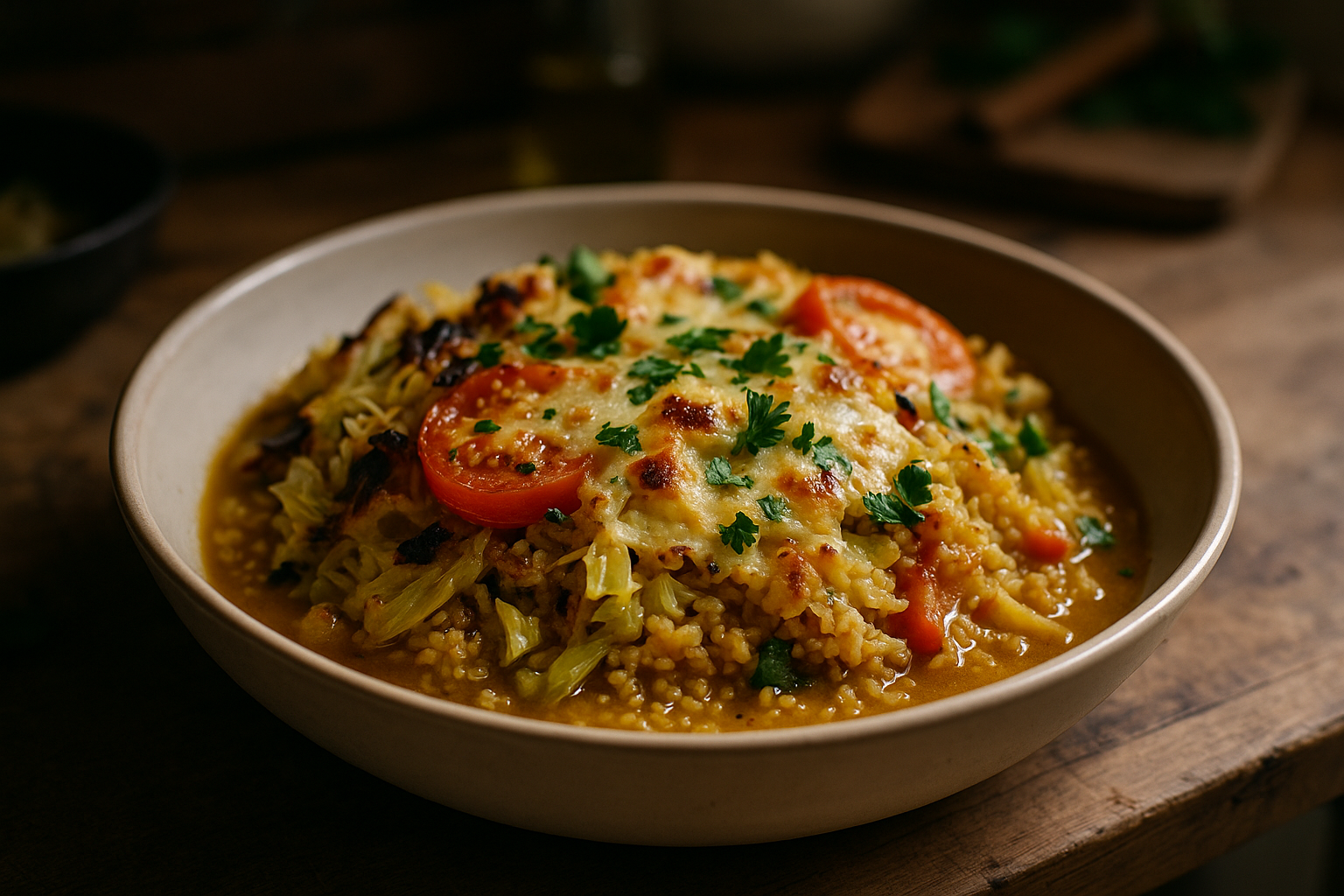
So um, confession time: I didn’t grow up thinking cabbage + lentils + rice in one pot could be, like, peak happiness food. Honestly, younger me thought khichdi was what you ate when you were sad, sick, or being punished by the universe. You know that pale, overcooked mush that hospitals call "light dinner"? Yeah. That.
But somewhere between the 2020 sourdough craze and this whole 2025–2026 gut-health, high-fibre, plant-forward movement that’s everywhere right now, cabbage khichdi just… kinda glow-up’d for me. Now I call it my "high‑fibre lentil comfort bowl" when I wanna sound like I read wellness newsletters, and just "cabbage khichdi" when I’m texting my mom at 11pm asking if it’s too late to put the cooker on.
The night cabbage khichdi actually saved my butt
#I still remember this one night in 2023 (I think? My sense of time died during lockdown tbh). I came back home after a long day of pretending to like a new "elevated Indian small plates" restaurant. You know the type: tiny portions, smoke everywhere, someone trying to convince you that a "deconstructed dal" with puffed quinoa is worth 900 rupees. The food was fine, just not what my soul wanted.
I walked into my apartment, starving, slightly annoyed, fridge basically empty except: half a sad cabbage, one onion, some ginger that had seen better days, and my eternally loyal jar of moong dal. Rice in the pantry, always. I was too tired to think. I literally threw everything in one pot out of desperation, added cumin, turmeric, water, a random handful of oats because I saw some nutritionist on Reels say it ups fibre, and hoped for the best.
And wow. When I took that first bite, sitting on the floor in my pyjamas scrolling through Instagram… it hit different. Warm, soft but not mushy, a little sweet from the cabbage, that cozy dal‑chawal vibe, and it didn’t feel heavy at all. My stomach was like, finally, thank you. That night I was like, okay, this is my new thing. My one‑pot cabbage khichdi era has begun.
Why cabbage in khichdi actually makes so much sense now
#If you’d told my 10‑year‑old self that future me would voluntarily put cabbage into khichdi, I’d have laughed and gone back to my Maggi. But honestly, cabbage is having a very weirdly cool moment in 2025–2026. I keep seeing it on menus in totally non‑grandma ways:
- Cabbage steaks with miso butter in fancy bistros
- Fermented cabbage slaws in new-age gut-health cafes
- Shredded, charred cabbage in tacos and grain bowls
And with this massive global obsession about fibre right now – like every second TikTok recipe is tagged #highfiber, #guthealth – it just… fits. Cabbage is rich in fibre, vitamin C, those fun things called glucosinolates (the compounds everyone suddenly pretends to know about because some 2026 wellness report mentioned them). Pair that with lentils and whole grains and you’ve got this really solid, actually balanced bowl.
Plus, cabbage is cheap. In a world where avocados are basically luxury items and walnut prices make me question my life choices, cabbage is that humble friend who shows up, does the work, and never asks for attention. Love that for us.
Khichdi in 2026: from "sick food" to trendy comfort bowl
#One thing I’ve been low‑key fascinated by is how khichdi itself is getting rebranded everywhere. Like, 5–6 years ago, nobody was putting khichdi on a cool restaurant menu. Now in 2025–2026 you’ve got:
- Khichdi tasting flights in modern Indian restaurants in Mumbai and Bengaluru – quinoa khichdi, black rice khichdi, millet khichdi, you name it
- High‑protein "gym bros" versions using mixed dals and soy nuggets popping up in meal‑prep startups
- Cloud kitchens doing "comfort bowl" menus – dal khichdi with ghee tadka, beetroot barley khichdi, and yeah, cabbage khichdi with chilli oil on top
Even in London and New York, I keep seeing "kedgeree‑inspired lentil rice bowls" (you can practically hear them avoid saying khichdi but we know what it is). A friend sent me a pic from a 2026 brunch spot in Brooklyn doing a "Coconut Turmeric Kitchari" with microgreens, and it’s sold as a detox bowl for 18 dollars. Me and him looked at it on FaceTime like… bro, that’s basically what my nani made when someone had a cold.
But honestly, I kinda love this whole "comfort bowl" thing. It makes traditional stuff feel included in the global food conversation instead of being this guilty home‑only meal. And it’s pushed me to experiment more with the version I make at home, especially this cabbage one.
My baseline one-pot cabbage khichdi (the way I actually cook it)
#I’m not gonna pretend this is some perfect cheffy recipe. This is what I really do on weeknights when I’m tired, hungry, a lil cranky, and trying to hit my fibre goals without eating yet another sad salad.
I don’t measure stuff super precisely, but here’s roughly what goes in my standard pot that feeds 2 very hungry people or 3 normal ones:
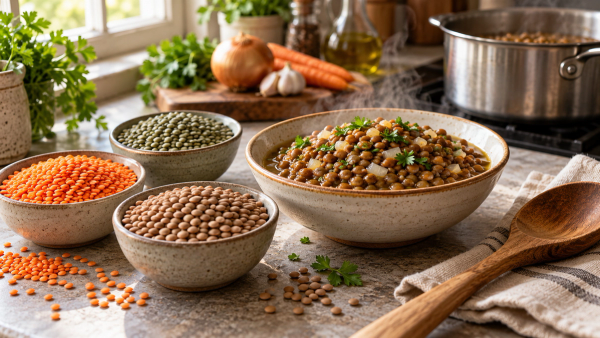
- 1/2 cup moong dal (split yellow or green, whichever I have; sometimes I mix masoor in too)
- 1/2 cup rice (I like short‑grain or broken rice, but brown rice if I’m feeling virtuous and patient)
- 2 to 3 cups finely shredded cabbage (way more than you think, it cooks down like crazy)
- 1 small onion, chopped
- 1 tomato, chopped (optional but I like the tang)
- 1–2 green chillies, slit or chopped (or chilli flakes if I’m lazy)
- 1.5–2 tbsp ghee or oil (ghee honestly makes it sing)
- Spices: cumin seeds, mustard seeds, a pinch of hing, turmeric, and sometimes coriander powder
- Salt, obviously
- Water – about 3.5–4 cups if I want a soft, scoopable khichdi, 3 if I want it more pilaf‑y
Basic flow goes like this (I use a pressure cooker or Instant Pot because I am not trying to stand around forever): fry spices in ghee, add onion, ginger, chillies, then tomatoes, then dal + rice + cabbage, salt, water, pressure cook, done. Mash slightly, top with more ghee or chilli oil, and eat too much.
Uh, very important note: rinse the dal. I used to skip this and then wonder why my stomach hated me. Also, soaking the dal for 15–20 minutes while you chop stuff really helps it cook softer and faster, and since everyone in 2026 is talking about "digestibility" and "anti‑nutrients" anyway, it makes you feel like you’re doing something very scientific.
How I sneak more fibre and protein into this bowl without making it sad
#I know, I know, khichdi is already quite balanced, but the nutrition nerds have a point. Most people don’t get anywhere near the 25–30 grams of fibre a day that every 2026 health article keeps shouting about. So I’ve been quietly hacking this cabbage khichdi to be a legit high‑fibre comfort bomb without turning it into rabbit food.
Things I toss in depending on mood:
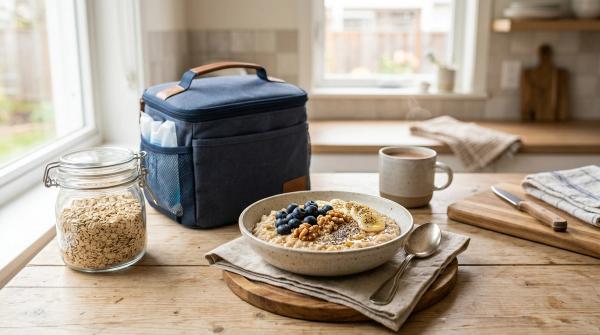
- A spoon or two of rolled oats – disappears into the texture, ups fibre, makes it more creamy
- Handful of sliced carrots or beans – whatever veg is sulking in the fridge
- 1–2 tbsp flax or chia seeds stirred in at the end or sprinkled on top (chia is trendy, flax is cheaper – you pick)
- If I’m doing a workout phase, I add some sprouted moong on top after cooking – it keeps crunch and apparently helps with protein quality
- Brown rice or even a millet mix (foxtail, little millet, whatever is accessible) instead of white rice on days I have patience – this has become super common in 2025–2026 with all the millet hype, especially after the whole International Year of Millets wave didn’t fully die down
And if I’m feeling boujee, I drizzle on a bit of that chilli crisp ghee that’s weirdly everywhere now. There’s this 2026 trend of Indianised chilli crisps with ghee, curry leaves, sesame, urad dal – they’re in gourmet stores and online. A spoon of that on cabbage khichdi? Chef’s kiss. My nani would probably raise one eyebrow but then ask for a second helping.
A tiny rant about restaurant "healthy bowls" vs my cabbage khichdi
#Okay so, I love trying new places, and I’ve been riding this whole "bowl" trend that’s dominating menus since 2024. Buddha bowls, poke bowls, protein bowls, glow bowls, this bowl, that bowl… And some of them are genuinely good. There’s a new place that opened early 2026 near me doing South‑Asian inspired bowls with sambhar quinoa, avocado thogayal, stuff like that – fun, clever, expensive but fine for a treat.
But sometimes I look at a "high‑fibre lentil bowl" on the board for 700–900 rupees, which is literally just lentils, rice, some shredded veg, a tahini-ish sauce, and I’m like… bro, you basically made khichdi and forgot to season it. Meanwhile at home I’ve got this cabbage khichdi that costs, what, 40–50 rupees a portion, tastes like a hug, and actually keeps me full for hours.
I’m not against the restaurants at all, btw. It’s cool that traditional ideas are inspiring new concepts. But there’s something really grounding about remembering you can make your own high‑fibre, high‑protein, gut‑friendly bowl in one pot, with that half cabbage nobody wanted, without downloading a fancy meal plan app.
Little tweaks that change the whole mood of the bowl
#This is where it gets fun. Once you have the basic cabbage khichdi down, you can flip the vibe depending on the day. Some ideas I’ve tried, some from friends, some stolen from random 2026 Reels at 2am:
- South‑Indian-ish: use a little coconut oil instead of ghee, add curry leaves, mustard seeds, and a bit of sambar powder when frying the onions. Serve with thick yogurt and a quick carrot-cabbage thoran on the side (so yes, double cabbage, I regret nothing).
- Garlic chilli mood: fry a ton of garlic in ghee till golden, pour over the cooked khichdi with chilli flakes and crushed black pepper. Instantly feels like a restaurant dish, except you’re in pyjamas.
- Lemon & herb: mix in chopped coriander, mint, lots of lemon juice and zest. This works surprisingly well in summer when you want comfort but not heaviness.
- Fermented sidekick: since everyone is talking about probiotics in 2026, have it with a spoon of homemade achar, sauerkraut, or that Korean‑inspired spicy carrot kimchi that’s all over YouTube now. Cabbage + fermented cabbage… meta but delicious.
One time I even stirred in a spoon of cashew cream at the end (leftover from some vegan pasta experiment) and it turned into this super lush, almost risotto‑ish khichdi. Highly recommend on days when life feels like a bit too much.
A tiny memory from my nani’s kitchen (where this story actually starts)
#I keep talking about this like I discovered cabbage khichdi on a random Tuesday, but the truth is, my nani was making something very similar way back. I just didn’t respect it then.
She had this battered aluminium pressure cooker, slightly dented, whistle a little crooked, that literally fed 10+ people on busy days. She’d toss in rice, moong, whatever veg was cheap that week – cabbage, lauki, peas – call it "mix khichdi" and serve it in these steel bowls with a big spoon of ghee and lime pickle.
I remember me and my cousin plotting how to escape to the corner chaat stall instead, because who wants khichdi when there’s pav bhaji in the world? But when I tasted my own cabbage khichdi that late night a few years ago, I suddenly remembered that exact smell from her kitchen. That steamy, cumin‑turmeric kind of perfume. I swear nostalgia adds like 10 flavours you can’t buy.
Now when I make my one‑pot high‑fibre cabbage khichdi, I almost always think of that cooker whistle. My version has Instant Pot timings and sometimes chilli crisp from a fancy jar, hers had no-nonsense tadka and home‑churned ghee, but the feeling is kind of the same.
Is cabbage khichdi actually good for you or is this just vibe-based science?
#I am not a nutritionist, let’s just put that out there. I’m just a person who reads way too many food trend reports and health articles while eating dessert. But from what I understand, this bowl does hit a bunch of 2026 wellness buzzwords in a way that actually makes sense:
- High fibre: cabbage + lentils + maybe brown rice or millets + optional oats = lots of soluble and insoluble fibre. That helps gut health, keeps you regular, supports blood sugar levels, all the things the gut‑brain axis podcasts scream about.
- Plant protein: dal + rice/millet combine for a pretty decent complete protein profile. You’re not hitting bodybuilder levels, but for regular life it’s great.
- Lower waste: it’s a very fridge‑cleanout kind of recipe. In 2026 there’s such a big emphasis on reducing food waste – apps, policies, chef‑led campaigns – and honestly, adding that half onion, stray carrot, last bit of cabbage into khichdi is the most low‑effort way to be part of that.
- Comfort without crash: because of the fibre and protein, I don’t get that heavy food coma that comes from, say, a giant plate of fried stuff. It’s cozy but not knock‑you‑out, if that makes sense.
So yeah, while part of me eats this simply because it tastes like a hug and reminds me of home, another part is like, cool, this actually lines up with all the current research about high‑fibre diets, plant diversity, and all that good gut microbe party talk.
Cooking notes from someone who has messed it up many times
#Since we’re being honest here, I have absolutely made terrible cabbage khichdi before. So here’s some real talk, not the polished version:
- Don’t skimp on fat. If you go too low‑oil in the name of health, it tastes flat and sad. Even nutrition folks in 2026 keep reminding us that a bit of good fat actually helps absorb fat‑soluble vitamins. So don’t be afraid of that spoon of ghee.
- Salt early enough. If you add salt only at the end, the cabbage tastes raw and weirdly separate. It needs to cook with the salt to soften properly.
- Water ratio is everything. Too much, and you get baby food. Too little, and you’ll be scraping burnt bits from the bottom of the pot and ordering swiggy. Start with 1:3.5 (grains+dal : water) and adjust once you get a feel.
- Cut the cabbage thin. Thick chunks feel out of place. Shreddy, almost noodle‑like strips mix in beautifully.
I also learned the hard way that adding sour things like lots of tomatoes or lemon before the dal cooks can sometimes make the dal stay a bit firm. So now I cook everything, then finish with lemon at the end. My teeth are grateful.
A random morning when leftover khichdi became something else entirely
#One more little story, because I can’t not share this: I had leftover cabbage khichdi one morning, straight from the fridge, kind of cold and lumpy. I was about to just microwave it and eat like that when I saw a reel about turning leftover risotto into crispy patties.
Curious (and slightly bored), I:
- Mixed the cold cabbage khichdi with a spoon of rice flour and chopped coriander
- Shaped it into rough patties with wet hands
- Shallowed fried them in a pan with a thin layer of oil till crisp on both sides
They were… ridiculously good. Crispy outside, soft inside, little green flecks of cabbage here and there. I ate them with a spoon of yogurt and hot sauce while answering emails. 10/10 would make again, especially for brunch when you’re trying to use leftovers but also be a little fancy.
Why I keep coming back to this one bowl
#With all the new stuff happening in food – AI‑generated recipes exploding all over the place, 3D‑printed chocolates, robot baristas, and those 2026 smart induction cooktops that tell you when to stir – it’s kinda comforting that a super simple, very human, little imperfect one‑pot cabbage khichdi still feels magical.
It doesn’t care if your plating is ugly. It doesn’t care if your dal to rice ratio is a bit off or if you didn’t chop the cabbage magazine‑level thin. It’s forgiving. You can play with it endlessly – change the grains, the lentils, the fat, the toppings – and it will still somehow be itself.
For me, it’s that rare thing that fits every mood:
- Sick day? Make it softer, more mushy, extra ginger, lots of ghee.
- Gym day? More dal, some sprouts on top, maybe Greek yogurt on the side.
- Lazy Sunday binge‑watching day? Crisp onions, chilli oil swirl, papad on the side, zero regrets.
And I love that it quietly sits at the intersection of what food trends are talking about in 2026 – fibre, gut health, plant protein, sustainability – while still being the same humble khichdi my nani probably made without a single buzzword in her vocabulary.
If you’re going to try it, just… cook it once the way you like
#If you’ve never made cabbage khichdi before and this whole ramble has somehow convinced you, my only actual advice is: don’t stress about doing it "right". Start with dal, rice, cabbage, some kind of fat, a few spices, and water. Taste as you go. Adjust. Even if it’s not perfect the first time, it’ll probably still be pretty comforting.
Then next time, maybe you throw in oats. Or swap rice for millets because you saw a millet‑loving chef talk about climate‑friendly grains. Or make a garlic ghee tadka on top. Or eat leftover patties the next morning with a fried egg if you’re not keeping it vegan. It becomes yours.
Anyway, if you ended up reading all the way down here, firstly, bless your patience. Secondly, go make yourself a pot of something warm and lentil‑y, even if it’s not this exact cabbage khichdi. And if you’re as unreasonably obsessed with comfort bowls and home‑style experiments as I am, you should totally poke around AllBlogs.in – I keep stumbling on other people’s cozy, slightly chaotic recipes there and it always makes me wanna run back to my kitchen and start chopping cabbage again.