So, um, quick confession before we start – I didn’t grow up dreaming about luxury resorts or fancy cruises. For me it was always trains. Indian Railways type. Window seat, chai in that paper cup, samosa packet, some random aunty asking, “Beta, where are you going?” That whole vibe. So when I finally did an overland loop across Southeast Asia mostly by train, it kinda felt like an extension of childhood, just with better noodles and more stamps in the passport.
With more South Asians now skipping group tours and doing DIY overland trips, the rail routes in Thailand, Vietnam, Malaysia and a bit of Laos are honestly becoming a solid option. Cheaper than flights if you plan well, more scenic, and somehow less stressful than airports. Plus, visa rules and connectivity across ASEAN have become way more traveller-friendly in the last couple of years, so 2026 is actually a great time to finally do that big train trip you keep bookmarking and never booking.
Why Trains in Southeast Asia Just Make Sense for Us
#If you’re coming from India, you already know how to do trains. You know the survival hacks. You know that one uncle who can sleep next to the toilet on a side lower berth like it’s a 5-star hotel. So shifting that same mindset to Southeast Asian trains is pretty natural.
Couple of reasons it works really well now:
- Visa + flights: India, Bangladesh, Sri Lanka, Nepal folks are all seeing more direct flights into hubs like Bangkok, Kuala Lumpur and Singapore, often with promo fares under 15–18k return if you book off-season.
- Rail networks: Thailand and Vietnam have upgraded a lot of coaches recently – cleaner toilets, better AC, online booking that actually works and isn’t just for show.
- Safety situation: Main rail corridors are considered safe for tourists right now, especially day trains. Night trains too are fine if you use basic common sense like you do on any Indian long-distance train.
- Budget: Hostels from ₹700–1200 per night in most cities, decent guest houses in the ₹1500–3000 range. You can easily do a 2–3 week rail trip without selling your kidney.
Also, because so many Indians are already going to Thailand and Vietnam, you don’t feel like that rare exotic foreigner. You’ll hear Hindi on platforms, see paneer on menus in Bangkok, it’s wild.
Route 1 – Bangkok to Chiang Mai: Sleeper Train and Northern Hills
#Let me start with the most classic one. Bangkok to Chiang Mai. I took the overnight Special Express train from Krung Thep Aphiwat station (yeah, huge fancy new station, no more Hua Lamphong for many long-distance routes, don’t get shocked like I did). I booked a 2nd class AC sleeper online – roughly 900–1100 THB, so appx ₹2200–2700 depending on how early you book.
The first few hours you’re just rolling past Bangkok suburbs, bright lights, highway flyovers, nothing special. But after you wake up in the morning, it’s just green. Rice fields, tiny stations with just two benches, monks in orange robes standing at level crossings, mist clinging to hills as you move closer to Chiang Mai. It’s not “Swiss Alps” dramatic, but it’s peaceful in a way that hits you differently, you know?
Practical stuff:
- Best months: November to February – cooler, lesser humidity, north Thailand is quite pleasant then. March–April can get insanely hot, plus burning season haze some years.
- Food on train: They have a dining car, plus staff takes orders for set meals. Vegetarian is possible but basic – rice + omelette kind of situation. I carried the usual desi kit: theplas, bhujiya, and instant upma packets which saved me.
- Where to stay in Chiang Mai: Old City has hostels starting around 300–400 THB (₹700–900). Nimman area is more hipster, cafes and digital nomads, slightly pricer but vibe is nice.
One thing I loved in Chiang Mai is how chilled everyone is. I rented a cycle for a day and ended up in a random local market, got fresh coconut ice cream in a bun (yes, bread + ice cream – elite combo) and chatted with an aunty who insisted I looked Thai until I spoke Hindi and ruined her theory.
Route 2 – Bangkok to Penang via Padang Besar: Crossing into Malaysia by Train
#This one is for those who like the idea of literally crossing borders by rail. You catch a train from Bangkok down south towards Hat Yai and then onwards to Padang Besar, which is the Thai–Malaysia border town. From there, Malaysia’s KTM trains take you down to Butterworth, and from Butterworth you hop over to George Town (Penang) by ferry.
The Thailand part isn’t super scenic like mountains or anything, it’s more about coconut trees, small towns, occasional glimpses of the coastline. For me the thrill was stamping out of Thailand and into Malaysia at the same station, walking a few metres, and then boarding a different country’s train. Felt very old school backpacker style.
Malaysia’s ETS trains are clean, modern, fully AC, reserved seats – kinda like Shatabdi but calmer and on time most of the time. Butterworth to Kuala Lumpur is around 4–5 hours, and Penang to Butterworth is just a short ferry + walk.
Some practical tips if you’re planning this:
- Book Thai segment early in holiday seasons – December, New Year, Songkran (mid-April) – because locals travel a lot then.
- Padang Besar border process is straightforward, but keep print or offline copies of bookings, and always check latest visa rules for your passport. Indians usually get e-visa/eNTRI options for Malaysia that are quite quick but rules keep changing.
- In Penang, heritage guesthouses in George Town start from about 70–90 MYR (₹1300–1800). Some are in old shophouses with gorgeous tiles, creaky wooden floors, all that aesthetic stuff Instagram loves.
Food wise, Malaysia is heaven for us. Lot of Indian diaspora, so you get affordable roti canai, teh tarik, dosa-type options, and still eat nasi lemak and char kway teow for the local flavour. I ended up having prata at 1 am in a mamak shop, watching football with local uncles, and it legit felt like being in Chennai + KL at the same time.
Route 3 – Saigon to Hanoi: The Reunification Express Along the Coast
#Vietnam’s north–south line is where I really felt that mixture of scenic and emotional. The so-called Reunification Express (there are multiple trains with that tag) basically does Saigon (Ho Chi Minh City) to Hanoi in 30+ hours if you go full stretch. Most people break it up – I did Saigon → Nha Trang → Da Nang → Hue → Hanoi over about 8–9 days.
The highlight section is from Da Nang to Hue, where the train curls around the Hai Van Pass. On one side you’ve got thick green hills, on the other, turquoise sea and tiny beaches. The train literally inches along cliff edges and you suddenly realise why people still do this instead of just taking a quick flight.
Some stuff to know:
- Soft sleeper (4-berth AC) is the sweet spot – bit more expensive than hard sleeper, but quieter and more comfortable. Expect around 1–1.5 lakh VND (₹350–650) for shorter segments, more for long ones.
- Trains usually run on time but bring patience. It’s not Japanese bullet train efficiency, it’s more chilled.
- Best months: February to April for milder weather, or October–early December. Summers down south can be super humid and central Vietnam gets heavy rain and storms in some months.
I met a Tamil couple on the Nha Trang to Da Nang stretch who’d packed homemade lemon rice for the journey (legends). We shared that with a Vietnamese family who offered us their banh mi in return, and suddenly the compartment turned into this buffet of random things that somehow went together. Those small human moments are what make trains special, honestly.
Mini Side Routes I’d Actually Recommend
#Okay, so these aren’t big epic routes, but they’re worth adding if you have time and wanna show off your niche knowledge on Insta later.
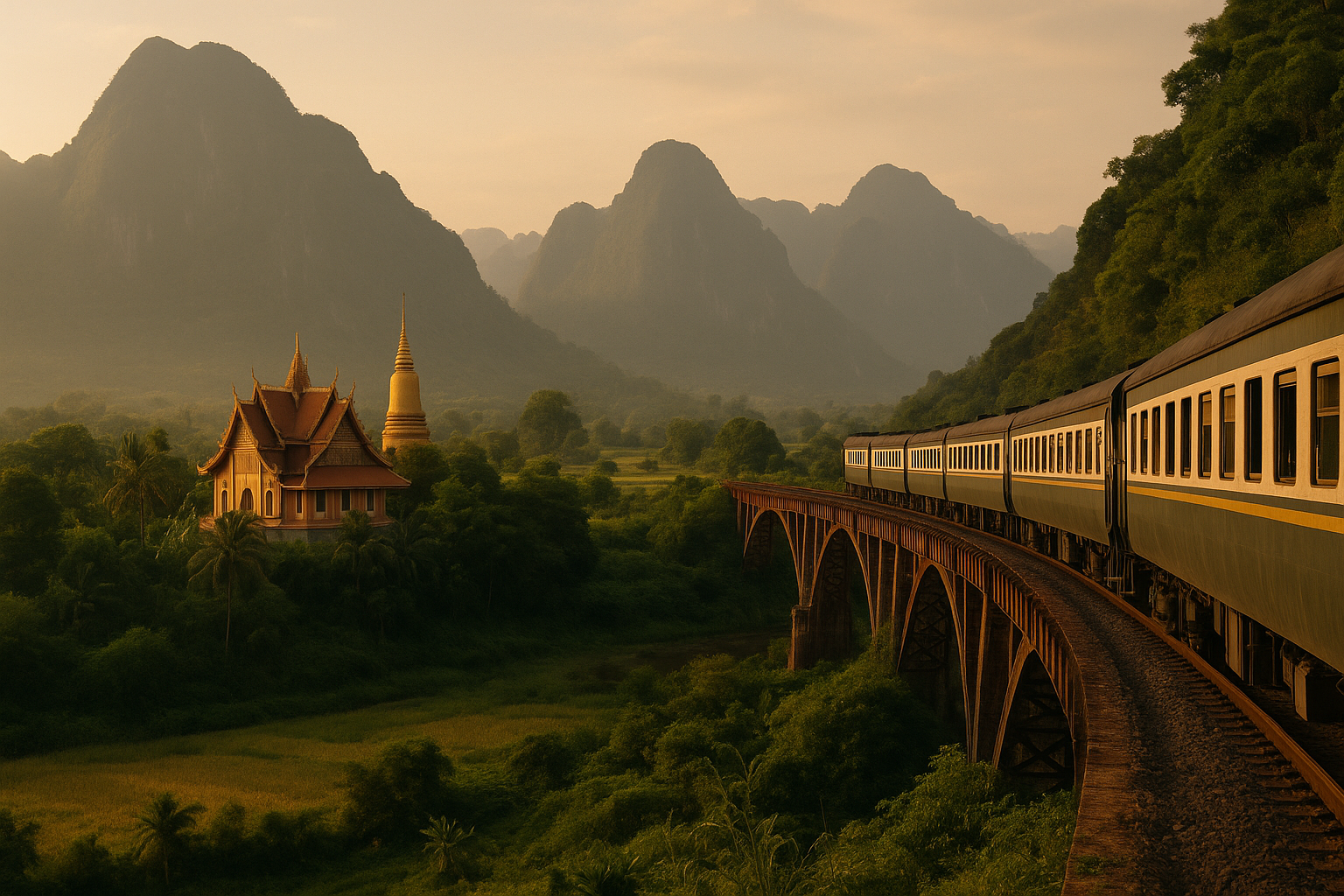
- Kanchanaburi line from Bangkok: River Kwai side, short but historically heavy, plus very scenic with bridges and jungle. Do a day trip or one night stay.
- Lao–Thai railway to Vientiane (Laos): Newer connection via the Friendship Bridge. A lot of people now do Bangkok → Nong Khai → Vientiane by train + shuttle. Laos itself is still more chill and less crowded than Thailand.
- Kuala Lumpur to Ipoh: Only about 2.5–3 hours, easy ETS train, nice old-town vibes and white coffee in Ipoh. Good cheaper alternative to overly touristy spots if you like slower cities.
These side trips don’t require crazy planning, just check the latest train timings a few days before and book online. Tickets in SEA tend to sell out around weekends and public holidays, especially when local school vacations happen.
Current Travel Scene: Safety, Money & Where to Sleep
#Since things keep changing, especially after those whole pandemic years and tourism bouncing back, lemme just put down what’s relevant right now for planning 2026-ish trips.
Safety wise, main touristy areas and rail routes in Thailand, Vietnam and Malaysia are stable and considered fine. Petty theft can happen like anywhere, so keep your valuables close on trains, use zippers, basic locker or safe in hostels. I personally felt safer on night trains in SEA than on some of our own random bus routes back home, to be honest.
Money wise:
- UPI is slowly popping up in some tourist areas (especially where Indian crowds are heavy), but don’t depend on it yet. Cards + cash is still main combo.
- Daily budget for a mid-range backpacker: ₹2500–4000 per day if you stay in hostels or simple guesthouses and eat local food. Obviously you can blow much more if you want fancy cafes and private rooms everywhere.
- Data/eSIMs: Very cheap and fast. Grab a local SIM at the airport or order an eSIM before you go. This will save your life for train bookings and translations.
Accommodation trends I noticed:
- Boutique hostels: Clean, AC, curtains on bunk beds, often under ₹1200–1500 in main cities. MUCH nicer than that word “hostel” sounds to Indian parents.
- Family-run guesthouses: In places like Hue, Vang Vieng, Pai – you get these homestay style stays where the family calls you “sister/brother” and feeds you extra. Prices from ₹1500 onwards.
- Apart-hotels and condos: Especially in Bangkok and KL, if you’re 3–4 friends, booking an entire apartment for a few nights can be cheaper per head than separate hostel beds.
One thing – book first couple of nights in each country in advance, especially high season. After that you can wing it city to city depending on your rail timetable.
Seasonal Tips So You Don’t Melt, Drown or Just Suffer
#Southeast Asia doesn’t have our clear-cut summer/winter vibe, it’s more like: hot, hotter, wet, very wet, random typhoon. So planning by season matters a bit.
Broadly (very broadly, don’t yell at me for minor exceptions):
- November–February: Best all-round for Thailand, Vietnam (esp north/central) and Malaysia. Cooler, less rain, evenings are actually pleasant.
- March–May: Very hot in many regions. Trains are still okay because of AC, but sightseeing in afternoon sun can feel like punishment.
- June–October: Monsoon-ish in many parts. Rains may cause occasional delays or soggy platforms. Upside: Fewer crowds, cheaper prices, lush green landscapes from the train windows.
Check local festival dates too – Songkran in Thailand, Lunar New Year in Vietnam and Malaysia, etc. Trains and hotels book out fast during those times, but the vibe is amazing if you like chaos and water fights.
How to Actually Plan a Rail-Focused Trip (Without Going Mad)
#Overland trips can look confusing when you stare at maps for too long, but the basic formula that worked for me was:
Pick one main hub → Explore that country a bit by train → Cross one land border → Explore second country → Fly back from another hub
Example combo that a lot of desi travellers are doing now:
Fly into Bangkok → Train to Chiang Mai → Back down to Bangkok → Train via south to Malaysia → Penang → Kuala Lumpur → Fly back from KL.
Or:
Fly into Saigon → Train up the coast with stops → End in Hanoi → Fly home. Simple, scenic, and you get that whole iconic Vietnam stretch in one go.
Use official rail websites where possible, and for complicated cross-border bits you can cross-check with reputable booking sites. Just don’t buy from random Telegram groups offering “cheap train confirmations bro” – if it sounds shady, it usually is.
Little Cultural Things That Make the Journey Nicer
#Honestly, going as an Indian, we already know what it’s like to juggle languages, food preferences and big families. That helps a lot in SEA because everyone’s also juggling stuff – Buddhist, Muslim, Chinese, Indian, traditional, modern, all mixed.
Some random observations that might help you blend in better:
- Dress: You don’t need to be super conservative in big cities, but for temples and rural areas, just basic respect – cover shoulders and knees, remove shoes, that’s it.
- Noise: Trains are relatively quieter than our desi ones. People talk, but not like full-volume phone calls on speaker at 6 am. Try to keep your voice down a bit, especially at night.
- Food spice: Locals can eat serious spice too, but it’s different type. If they ask you “spicy ok?” and you say yes, be mentally ready. Also do ask for “no fish sauce” if you’re vegetarian, because that sneaks into everything.
One of my favourite memories is from a Laos-bound train, where the guy sharing my seat pulled out sticky rice and grilled chicken, I pulled out my thepla and pickle, and within 5 minutes we were just swapping food without any common language. Just pointing, smiling and saying “good” repeatedly like two idiots.
Would I Do an Overland Rail Trip in Southeast Asia Again in 2026?
#Short answer – yeah, 100%. Maybe slightly different route next time, maybe add Cambodia and more Laos, but the whole train vibe? I’m not over it yet.
Planes will always be faster, but you miss all the in-between scenes. The kids playing near tracks, the temples flashing past, the aunties sharing snacks, the suddenly quiet moments where the whole coach is asleep and it’s just you and some distant station lights. There’s a weird comfort in that, especially if you grew up with our own Indian trains being such a big part of life.
If you’re a South Asian traveller thinking of doing Southeast Asia beyond the usual Bangkok–Pattaya package, I’d say at least do one proper scenic rail segment. Just one. Chiang Mai route, Hai Van Pass in Vietnam, or the Malaysia ETS down the spine of the country. After that you’ll probably end up planning a bigger overland route anyway.
Anyway, I’ll stop rambling now. If you want more messy, real-person travel notes like this – not polished brochure stuff – keep an eye on AllBlogs.in. That’s where I keep dumping my itineraries, money breakdowns, and all the small mistakes I make so you don’t have to repeat them.