So, seaweed. Not exactly the first thing we think about when we plan a Japan trip, na? We talk about Tokyo, anime, sakura, Mount Fuji, shopping in Shibuya… but kombu and wakame? Even I used to just think of it as that green thing floating in miso soup. But this last trip to Japan totally changed that for me.
I ended up doing seaweed farm tours on the northern coast, and honestly, it was one of the most grounding, unexpectedly peaceful experiences I’ve had while traveling. Like, real farmers, real boats, cold salty air hitting your face, and then eating what you just saw being harvested. Proper sea‑to‑table vibes. If you’re the type who likes offbeat stuff and food experiences, this is so worth adding to your Japan plan.
Where I Actually Went for Seaweed Farms (Not Just Instagram Spots)
#Japan’s coastline is full of seaweed farms, but as a traveller you’ll mostly hear about three regions for kombu and wakame tours:
- Hokkaido – famous for premium kombu (especially around Hakodate and the Donan region)
- Miyagi & Iwate (Tohoku) – lots of wakame farms, especially near Ishinomaki and Kesennuma
- Wakayama & Mie (Kansai side) – smaller community tours, more low‑key but very local
I based myself in Hakodate (Hokkaido) for kombu and then did a short side trip to Miyagi for wakame. Sounds hectic, but Japan’s trains make it manageable if you plan properly. From Sapporo to Hakodate you can take the limited express train (around 3.5–4 hours), and for Tohoku I took the Shinkansen from Tokyo up to Sendai and then local trains. JR Pass or regional passes help a lot if you’re moving around like mad the way I did.
First Morning on a Kombu Farm: Freezing, Sleepy, Totally Worth It
#My kombu farm tour near Hakodate started painfully early. The fisherman told me, in very simple English plus lots of hand gestures, “5:00 am, no late”. Me and him went down to the harbour in the dark, and I swear, I questioned all my life choices at that point.
But the moment the boat left the dock, it just… hit different. Cold air, seagulls making a racket, pinkish light slowly spreading on the water. You see these long ropes in the sea, and that’s where the kombu is growing. It’s not like some romantic Insta‑ready thing, it’s hard work, but watching them haul the heavy, slippery kelp onto the boat felt oddly satisfying. Like watching your food being born.
They let me try pulling one of the ropes. Bro. That thing is heavy. My grip just slipped, and everyone laughed, in a nice way. One ojisan (older uncle type) patted my shoulder and said, “Indian power, more curry,” and then laughed at his own joke for 2 minutes straight. Proper uncle energy, same as back home.
Kombu 101 – Why Japanese People Take This Stuff So Seriously
#Before the trip I thought kombu is just one kind of seaweed. It’s like in India, we say “dal” but actually there’s toor, masoor, moong, urad… there’s a whole universe. Same with kombu. In Hokkaido they proudly talk about Rishiri kombu, Rausu kombu, ma‑kombu etc. Different regions, different flavour and umami level.
The farmer showed me how they sort and dry it on these huge racks. The drying process is super important because that’s what gives you that deep umami when you make dashi (soup stock). Lot of high‑end Japanese restaurants still buy directly from these coastal producers, and post‑pandemic there’s been more interest in sustainable, traceable seaweed. Some places even let you scan a QR code and see exactly which bay your kombu came from. Very cool, very extra.
And btw, if you’re vegetarian or trying to cut meat, kombu is a game changer in Japanese cooking. Pure plant based umami bomb. I came back and legit started putting kombu in my sambar stock once. My mother was like, "What nonsense is this" but then she quietly took second serving so...
Sea‑to‑Table Breakfast: Kombu in Literally Everything
#After the boat ride, we went back to this tiny wooden house near the shore. No fancy cafe, just a community space. They had prepared a sea‑to‑table breakfast: rice, miso soup, grilled fish, kombu tsukudani (sweet‑savory kombu cooked in soy), plus this simple salad with raw wakame and sesame dressing. I thought I’d miss my usual chai, but the hot miso soup, made with their fresh kombu dashi, felt like a hug after that cold wind.
One aunty showed me how to eat kombu as a snack – just roasted strips with a little salt. Kind of like chakna but healthy, you know? She said a lot of Japanese households keep dried kombu at home as a daily ingredient, and more young people have started caring about where it comes from, especially after all the climate change discussions and supply issues. Seaweed absorbs carbon, grows without fresh water, and doesn’t need fertiliser, so it’s being called a "future food" in so many reports now.
Wakame in Tohoku: Same Sea, Different Story
#Few days later I was in Miyagi prefecture, on the Tohoku coast. This area was badly hit by the 2011 tsunami, and a lot of seaweed farms were destroyed. Many of the tours now double as community support and education – you pay for the tour, and part of the money helps the local fishermen’s cooperatives keep going.
The wakame farms look a bit different from the kombu ones. The fronds are thinner and more delicate. When they pulled them out of the water, the seaweed was this deep, almost glowing green. They dunked it quickly in hot water and it turned this bright, crazy emerald colour right in front of my eyes. Honestly, it felt like watching some cartoon transformation.
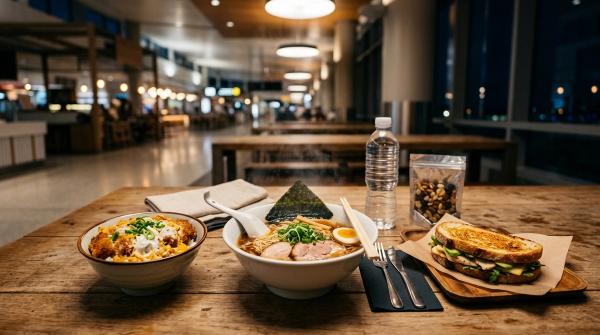
We then had a simple lunch in a small local restaurant: wakame ramen, onigiri (rice balls) sprinkled with seaweed, and a wakame salad with tofu. No fancy plating, but so fresh. The owner aunty kept saying, "Wakame good for skin, please eat more!" I was like, say less, I’m paying attention.
How to Actually Book These Seaweed Farm Tours
#Ok, practical stuff, because I know that’s what we really need when we’re planning from India.
Most seaweed farm tours are run by local cooperatives or tiny community groups. So they’re not always listed in big apps. Here’s what worked for me:
- Search words: try “kombu farm tour Hokkaido”, “wakame experience Miyagi”, “seaweed farm Japan eco tour” on Google and on Japanese tourism sites.
- Use official tourism sites: Hakodate, Hokkaido and Miyagi / Tohoku tourism websites usually have pages for "farm and fishery experiences" with booking links.
- Get your hotel or guesthouse to call: Many hosts are happy to call the co‑ops and book for you, because the farmers are not always comfortable with English emails.
- Look on Airbnb Experiences / Klook: Some younger guides are now listing seaweed walks, coastal foraging, or sea‑to‑table cooking classes there.
Price‑wise, I paid around 5,000–8,000 yen for half‑day experiences (boat ride + drying area visit + meal). Anything with a longer boat trip or private guide can go up to 10,000–12,000 yen. For Indian rupees, just be ready that this is not a super cheap activity, but for a one‑time deep dive into Japanese food culture, totally worth it.
Where to Stay Nearby & Rough Costs
#In Hakodate, I stayed in a basic business hotel near the station. Clean, small room, free coffee in lobby, that typical Japanese setup. It was around 6,000–8,000 yen per night when booked in advance. You can also stay in a ryokan (traditional inn) with onsen and breakfast/dinner included, usually 12,000–18,000 yen per person, but you’ll get fancy kaiseki meals, often featuring local kombu and seafood.
In Tohoku, I went for a minshuku (family‑run guesthouse) near the coast. Think homestay vibes. Tatami room, futon on the floor, shared bathroom, but some of the best home‑cooked meals of my trip. I paid around 7,000–9,000 yen including breakfast and dinner. If you’re traveling with friends, this kind of place feels very Indian – aunties fuss over you, uncles talk about the weather and fishing. It was cute.
Best Season for Seaweed Farm Tours (And What to Pack)
#Seaweed is seasonal, so timing matters. This is something I didn’t fully realise until I started researching and talking to locals.
Generally:
- Kombu in Hokkaido – main harvesting is late spring to summer (roughly May to August), but some tours operate in shoulder months too, focusing more on drying and processing.
- Wakame in Tohoku – late winter to early spring (around February to April) is peak season. It’s cold, but that’s when the wakame is best quality.
Check local tourism sites because weather and ocean conditions can change dates slightly year to year. Climate change has been messing with some harvest timings, and a few co‑ops now update their schedules online quite regularly.
Packing tips from someone who went under‑prepared:
- Layers. Sea wind is no joke, even if land feels ok.
- Waterproof or at least water‑resistant shoes. My sneakers got soaked on the boat.
- Gloves and beanie if you’re doing winter / early spring tours.
- Motion sickness tablet if you’re not used to small boats. Trust me on this one.
Safety, Local Rules & Being a Decent Guest
#Right now Japan is very open for tourism again, and coastal areas are actively encouraging visitors because it helps the local economy. But because these are working farms, not theme parks, there are some unspoken rules:
- Listen carefully to safety instructions before boarding the boat. Life jackets are compulsory.
- Don’t walk wherever you want in the drying areas – you can damage the product.
- Always ask before taking close‑up photos of people. Many older workers are shy but still polite.
- If food is served, try to finish what’s on your plate – wasting food is seen as rude, same as in India honestly.
Most places I visited had basic insurance and proper safety gear. The boats are not luxury but felt safe. If the weather is rough, they will simply cancel, even last minute, and refund or reschedule. It’s annoying, but don’t argue – ocean safety > your itinerary.
Why This Doesn’t Feel Like a Typical Tourist Experience
#Um, so this is the part I really loved. Seaweed farm tours don’t feel like that over‑packaged, touristy thing where they push souvenir shops on you every 5 minutes. It’s slow. Quiet. Very routine for the locals, but special for us.
As an Indian, I weirdly felt at home. We also have our own coastal communities, fish markets at dawn, aunties cleaning fish on plastic stools, uncles shouting prices. Watching Japanese fishermen carefully wash and hang kombu, chatting while they worked, gossiping… it reminded me of early mornings in coastal Karnataka and Kerala. Different language, same vibe.
And then there’s this deeper thing: you see how much of Japanese cuisine is built on something most of us barely notice – seaweed. From ramen broth to onigiri to salads, even snacks. After that, when you eat in Tokyo or Osaka, you start tasting the kombu in the dashi. It’s like suddenly understanding the base note of a song you’ve heard all your life.
Who Should Actually Do This (And Who Might Get Bored)
#Let me be honest – this is not for everyone. If you only want high‑energy city stuff, shopping, nightlife, or if you get easily bored by slow processes, you might not enjoy it much.
You’ll probably love it if:
- You’re a foodie who gets excited about ingredients, not just final dishes
- You enjoy meeting locals and hearing their stories, even with limited English
- You like slow travel – seeing how people actually live and work
- You’re curious about sustainability, ocean health, and future foods
I met one young Japanese couple on my tour who said more domestic travellers are seeking "experiences", not just sightseeing – farm stays, fishing, seaweed, sake brewery tours, that kind of thing. So these tours are becoming more structured and easier to book compared to a few years back, but they still have that raw, local feel.
Little Things I Wish I Knew Before Going
#Just a few random but useful points:
- Carry cash. Some co‑ops still don’t accept cards. Japan is improving with digital payments, but rural coast is old‑school.
- Learn a few words: "arigatou", "oishii" (tasty), "kirei" (beautiful), and "kombu" / "wakame" pronounced properly goes a long way.
- Don’t wear strong perfume – it can actually clash with the seaweed smell in indoor drying areas.
- Check if the tour is kid‑friendly if you’re traveling with family. Some don’t allow small kids on the boats.
If you’re combining this with a longer Japan itinerary from India, I’d say do 2–3 days in Hokkaido or Tohoku just for coastal experiences: seaweed farm, maybe a fish market visit, onsen ryokan night, and then you can head back to the big cities. It balances out the trip nicely.
Would I Go Back for Another Seaweed Tour?
#Honestly, yes. Not every trip, but I’d happily plan another coastal Japan route, maybe down south around Wakayama next time, where they also do seaweed and sea‑to‑table experiences with smaller groups. Each region has its own style, its own accent, its own favourite way of eating kombu and wakame.
For me, this wasn’t just about some "unique content" for socials. Standing on that boat at dawn, watching the farmers pull up the seaweed, hearing them laugh and complain about the weather… it reminded me that behind every bowl of miso soup or ramen in the city, there’s this entire world on the coast. Real people, real families, real stories.
If you’re planning your Japan trip and want to add something offbeat but meaningful, seriously consider a seaweed farm tour. Do the touristy stuff also, of course – no need to act too cool – but give yourself one morning with kombu and wakame. It stays with you longer than you expect.
And if you want more random but honest travel stories like this, plus proper guides and tips, I keep digging around on AllBlogs.in – lots of desi travellers sharing real experiences there. Helps a lot when you’re trying to turn vague ideas into actual itineraries.