Set‑Jetting Japan: J‑Drama & Taiga Filming Tours Through Desi Eyes
#So, um, somehow my random K‑drama phase during lockdown slowly turned into a full blown J‑drama obsession. And from there it went to, "Bro, I have to go stand where they shot this scene." That’s how this whole set‑jetting Japan trip started. Not a spiritual journey. Not finding myself. Just me, an overpacked suitcase, and a list of J‑drama and Taiga drama locations pinned on Google Maps.
I finally did a proper drama‑themed route earlier this year, timing it around sakura and some of the newer Taiga drama filming locations that tours are pushing for 2026 as well. And trust me, for Indians who grew up on Star Plus and then switched to Viki and Netflix, this combo of on‑screen nostalgia plus real Japanese streets is… wild.
What Even Is ‘Set‑Jetting’ In Japan (And Why Everyone’s Suddenly Doing It)
#Set‑jetting is basically fan tourism – going to locations where your favourite dramas, anime or movies were shot. Japan has fully leaned into this now. Travel agencies, local tourism boards, even small town cafes have laminated photos of actors on the wall saying, "This scene was filmed here."
Recent trend wise, a lot of tours are now themed around:
- NHK Taiga dramas – those big historical series they release every year
- Popular school / office romances from Netflix & TV Asahi
- Retro Tokyo neighbourhoods that show up in family dramas
- Anime pilgrimage routes (for the hardcore otaku types)
And the crazy part is, Japanese tourism data actually shows spikes in visitors to specific towns right after a drama becomes a hit. Like how Korean drama fans go to Nami Island because of Winter Sonata, same vibe here but more spread out across Japan.
Tokyo: Walking Through Your Favourite Office & School Drama Sets
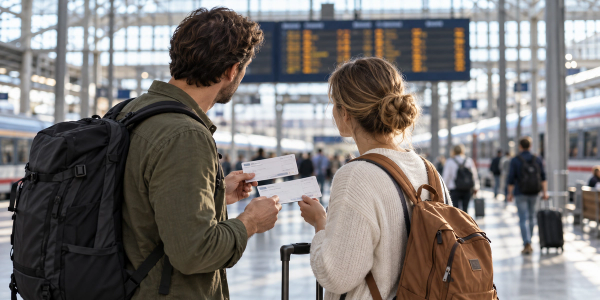
#I started in Tokyo obviously, because direct flights from India are decent now. From Delhi and Mumbai you get non‑stops to Narita or Haneda with ANA, JAL and even sometimes Air India running good deals if you book 3–4 months in advance. Visa is still the usual Japan process from India – a bit of paperwork, bank statements, itinerary – but very manageable if you plan 3 weeks ahead.
My first stop was Shinjuku, and honestly, walking out of the station at night felt like I’d walked straight into one of those slightly depressing office dramas where the main lead is overworked but somehow still perfectly styled. The glowing billboards, the tiny izakayas squeezed under the railway tracks, the random salarymen smoking outside – it’s all exactly like you see on screen.
One small alley near Omoide Yokocho actually had photos outside saying a certain late‑night food show was filmed there. I squeezed into a 6‑seater yakitori bar, told the ojisan I’m from India and like J‑drama and he was so shocked. He just laughed and poured me extra oolong tea on the house. Food was around 1,200 yen for 5 skewers and a drink – not cheap like home, but for Tokyo and for that ambiance, I was like ok chalta hai.
If you're into school dramas, btw, Harajuku and Shimokitazawa are fun to wander. The fashion, thrift stores, crepes, those little pedestrian streets – you’ll constantly get deja vu like, “Arre, I’ve seen this crossing.” You probably have.
Taiga Drama Trails: Kamakura, Kanazawa & Those Samurai Vibes
#Taiga dramas are those year‑long historical sagas on NHK. Japanese aunties and uncles are obsessed, and now foreign fans also keep track because the production value is insane. Local governments treat it like free marketing – whenever their region is featured, they put up banners, limited edition souvenirs, even themed food.
Kamakura, just an hour from Tokyo by train (JR Yokosuka Line), has become a big one after a recent Taiga hit. I did a basic day trip but ended up turning it into an accidental Taiga pilgrimage. At Tsurugaoka Hachimangu Shrine, there were cutouts of the actors and a small exhibition corner with costumes and stills. Entry to the shrine itself is free, the small museum/area cost around 300–500 yen.
Walking through the old streets there, with traditional houses and the sea just 10–15 minutes away by local train, you really get that feudal‑Japan‑meets‑modern‑cafe vibe. And because we Indians love combining things, you can actually do:
- Taiga filming spots
- Temples and shrines
- Beach sunset (Yuigahama or Enoshima area)
…all in one day. Eat shirasu‑don (whitebait rice bowl) if you’re non‑veg. Veg folks, you’ll survive on tempura, plain soba, onigiri and bakery stuff. Japan is still not fully veg‑friendly but it’s getting better, specially in touristy places.
Kanazawa is another city that’s been popping up in Taiga settings as well as in modern dramas. I stayed near Kanazawa Station, in a business hotel for around 8,000–10,000 yen per night – compact room, super clean, tiny but high‑tech bathroom. From there it’s an easy bus ride to the samurai district (Nagamachi) and the old tea houses area (Higashi Chaya). Walking through those narrow lanes, I could literally picture a scene where two samurai silently cross paths, camera zooms in, background music swells… you know the type.
How I Actually Planned The Drama Locations (Not So Glam Part)
#Okay, reality check. These set‑jetting itineraries look very sexy on Instagram but planning them is a bit of a headache. Japanese addresses are confusing, and many drama locations are just… normal places. A random bridge. A convenience store corner. A staircase. They don’t always shout, “Drama shot here!!”
What helped me:
- Searching drama name + "filming locations" in English and Japanese (copy paste from Wikipedia)
- Using Google Maps lists – I saved each spot into a "J‑Drama" folder
- Checking recent fan blogs & X (Twitter) for updated info – sometimes cafes close or change interiors
- Booking a local themed walking tour for at least one city to learn how they do it
The walking tour in Tokyo around Asakusa & Sumida River was honestly worth it. Around 7,000 yen per person, 3 hours, small group. The guide showed us spots from older dramas and explained how local authorities manage crowds so it doesn’t disturb daily life. He also gave practical info like, "Don’t block entrances just for photos" and "Try not to photograph school kids near actual schools" – common sense but we forget when fan‑mode is on.
Current Travel Scene: Safety, Money & Staying Connected
#Japan right now is super touristy again, but still very safe. Petty crime is rare, even late night in big cities. I was walking back to my hostel in Osaka at 11 pm, half lost, phone in hand, and still felt safer than many places back home. Of course, basic precautions follow karna hi hai – don’t leave your bag unattended, passport in hostel locker, etc.
For money, Japan has finally become more card‑friendly, but you still need cash. Many small ramen shops, shrines, older cafes prefer cash or IC cards like Suica/PASMO. I mostly did:
- Forex card + some yen cash from India
- Wise / Niyo for online payments & ATM withdrawals
- Suica card (you can now use a mobile Suica on iPhone/Android in many cases)
Data wise, just get an eSIM or pocket Wi‑Fi at the airport. I used an eSIM ~20GB for 15 days, cost me around 3,000–3,500 yen. Worth every rupee because half the trip I was checking drama location maps on the go.
Where To Stay For Drama & Taiga Chasing (And Rough Costs)
#Accommodation in Japan isn’t cheap, but it’s very clean and feels safe. For an Indian budget mindset, rough per‑night range (per room, not person):
- Hostels / capsules: 2,500–4,500 yen (great for solo, just carry earplugs)
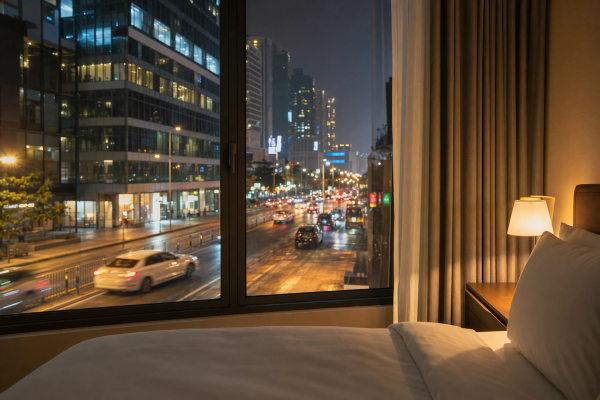
- Business hotels (like APA, Toyoko Inn, Super Hotel): 6,000–12,000 yen
- Ryokan (traditional stay, often with onsen): 12,000–25,000 yen and upwards
In Tokyo, I stayed near Ueno one time and Shin‑Okubo the other time. Shin‑Okubo is actually Korea‑town, so if you're into both K‑drama and J‑drama, you’ll feel at home there. Plus you get affordable Korean food, some veg options, and it’s one stop from Shinjuku.
If you’re planning a Taiga spot like Kanazawa or a castle town, try at least one night in a ryokan with dinner included. Yes it’s expensive, but dressing in yukata, eating a multi‑course Japanese meal, and then watching that region’s Taiga drama episode on TV in your tatami room… it’s a whole mood.
Seasonal Tips: When To Go For Maximum Drama Feels
#I’ve done Japan in late March once and in November once. Both times were amazing but totally different personalities.
For the classic romantic J‑drama vibe:
- Late March to early April – cherry blossoms (sakura) in Tokyo, Kyoto, Osaka
- Crowded but beautiful, prices slightly higher, book accom 2–3 months ahead
For quiet Taiga‑style landscapes with beautiful colours:
- Late October to late November – autumn leaves (koyo)
- Great for castle towns, temples, mountain villages
Summer is good if you want festivals (matsuri) which often show up in dramas – fireworks by the river, yukata, goldfish stalls, all that. But it’s hot, humid and crowded, and as an Indian I was like, yeh toh hamara hi ghar jaisa hai, why did I travel so far for the same garmi.
Food: What I Actually Ate While Drama‑Hopping
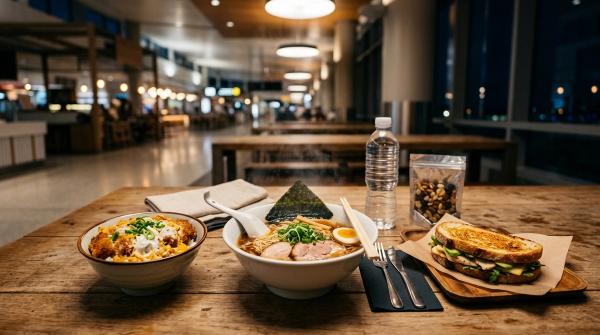
#Look, Japanese food in dramas always looks insanely aesthetic. Steam rising from ramen bowls, perfect bento boxes, convenience store snacks at 2 am. And honestly, real life is pretty close.
My set‑jetting days usually went like this:
- Breakfast: Convenience store onigiri (120–160 yen) + canned coffee
- Lunch: Quick ramen, curry rice, or tempura soba near whatever spot I was visiting (800–1,200 yen)
- Snack: Matcha latte, taiyaki, or some limited‑edition KitKat flavour
- Dinner: Either izakaya with drama vibe or supermarket sushi/salad back in the hotel
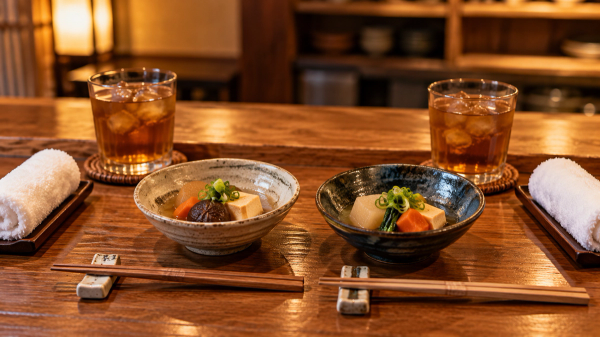
Veg friends, honestly, it’s doable but you have to be alert. Dashi (fish stock) is in many soups and sauces. Look for "vegan" or "vegetarian" on HappyCow app, or just choose:
- Plain udon/soba with tsuyu on the side
- Onigiri labelled ume (plum), konbu (kelp), or plain salt
- Bakeries – Japan does amazing breads and pastries
- Indian restaurants in big cities – yes, there are plenty, but prices are like mid‑range restaurant in Mumbai/Bangalore
One night in Osaka, I randomly ended up at a small okonomiyaki place that had a poster of an old drama on the wall. The owner told me, in broken English and a lot of hand gestures, that the lead actor came there once during filming. Was it true? Who knows. But the story + food combination was perfect.
Lesser‑Known Spots That Felt Straight Out Of A Drama
#Everyone does Tokyo–Kyoto–Osaka. For set‑jetting, if you can add even one extra place, I’d say consider:
- Onomichi (Hiroshima prefecture) – hillside town, cats, old shopping streets, seen in so many slice‑of‑life movies and dramas
- Enoshima – little island near Kamakura, sunset scenes, seaside dates, very teen drama energy
- Kawagoe – old warehouse district, close to Tokyo, sometimes used as backdrops for period dramas
In Onomichi, I climbed this endless staircase that looked painfully familiar and later realised it’s in a couple of anime openings and dramas. My legs were dying but my inner fangirl was fully alive.
Some Real Talk & Small Cultural Things
#Couple of things I wish someone had told me before I went full set‑jetting mode:
- Most filming locations are normal neighbourhoods – don’t be loud, don’t point camera in people’s faces
- Schools, hospitals, private properties – if it looks like you’re not supposed to go in, just don’t. Many fans already caused issues, and locals are a bit worried about over‑tourism
- Trash bins are rare; carry your own small bag and take rubbish back to hotel
- On trains, keep your voice low. I messed up the first day with my friend, we were chatting full volume like we do in Indian metro and got The Look from an obaasan.
Language wise, basic English works in cities. Still, learning a few phrases helps a lot. Even a simple "Kono dorama no fan desu" (I’m a fan of this drama) makes shopkeepers smile and suddenly they’ll start showing you old photos or signboards.
Would I Do A Set‑Jetting Trip Again?
#Honestly, yes. In a heartbeat. Next time I want to time it with a fresh Taiga release and follow the official exhibition and location stamps they do around that. Some regions even sell stamp‑books where you collect stamps from different filming sites – super cute, very traumatising for your wallet but kya karein.
The best part of this whole thing wasn’t just “Oh wow, they shot here.” It was how chasing those spots pushed me into corners of Japan I wouldn’t normally visit as a first‑time traveller. A random shrine behind a station. A sleepy tram line. A viewpoint only locals know because it appeared once in an episode 9 flashback.
If you’re an Indian traveller who loves stories – whether it’s mythological serials from Doordarshan days or modern J‑dramas on Netflix – set‑jetting Japan hits differently. It mixes our filmy nature with Japan’s crazy attention to detail, and you come back with photos that feel oddly familiar and totally new at the same time.
If you want more grounded, Indian‑style travel takes like this – with actual costs, confusions, and not just Pinterest vibes – keep an eye on AllBlogs.in. That’s where I keep dumping my messy notes and turning them into somewhat useful guides for fellow drama junkies like us.