When people think “Europe trip”, they usually picture Paris, London, maybe Rome… and then close the tab after seeing the hotel prices, no? I was the same. For years I thought Europe means selling a kidney in Delhi black market. But then I actually started digging into smaller cities, budget airlines, hostels, and trust me – the game completely changes.
Over the last few years I’ve been slowly ticking off lesser hyped but super vibey European cities. Proper chindi-cost compared to the big boys, but still safe, fun, and honestly more authentic. These are the places that I feel are going to be huge for 2026 travel – the kind of cities where you can have a nice coffee for under €3, a decent hostel under €25, and still feel like you’re in a movie set.
This isn’t some formal Lonely Planet style guide. I’m writing this exactly like I talk to my cousins on WhatsApp: slightly chaotic, very honest, bit emotional, and yeah some spelling mistakes will come only, adjust karo.
1. Budapest, Hungary – The OG Budget Bae of Europe
#I’ll start with Budapest because for a lot of Indians, this is like the entry point into “affordable Europe”. And for good reason. For what you pay here, the quality of life you get as a tourist is insane.
Accommodation wise, you can still find solid hostels in the city centre (Pest side) for €18–25 per night in dorms if you book a bit early. Simple guesthouses or small hotels usually start around €45–70 for a double room. Prices are creeping up because tourism is booming, but still nowhere near Western Europe madness.
Best time to go? Late April to June, and September–October. Summer gets crowded and hot, and winters are freezing – like Dilli ki sardii x 3, plus Danube river wind directly on your face.
What I love here: ruin bars (Szimpla Kert is famous, but I liked smaller ones around it), cheap public transport, and those thermal baths. Gellért and Széchenyi are crowded but still worth at least one dip. Pro tip: go early morning on a weekday, less Insta crowd, more relaxed locals. Also, vegetarians don’t need to panic – there are enough falafel, Italian, and Asian places. For desi food, you’ll find a few Indian restaurants near the touristy bits, but they’re slightly overpriced obviously.
Safety wise I felt comfortable even walking around at 11 pm in the city centre. Just normal big-city precautions – keep your bag zipped, don’t get too drunk in random alleys. Local police presence is decent and the city is used to tourists.
2. Kraków, Poland – Old Town Fairy Tale on a Student Budget
#Kraków really surprised me. I expected some industrial, boring city. Instead I got this gorgeous old town, cobblestone streets, live music, and honestly, some of the kindest people I’ve met in Europe.
Because it’s a university city, it’s full of students, which means prices are still pretty friendly. Dorm beds around €15–22. Simple hotels between €40–65 if you’re not going too fancy. And food… yaar, proper value for money. You can get a massive plate of pierogi (Polish dumplings) for under €7 and be full for half the day. Coffee around €2–3, beer usually under €3 depending where you sit.
The Old Town and Wawel Castle area are the main tourist parts, but I actually liked the Jewish Quarter (Kazimierz) more. Slightly hipster, artsy cafés, some really thoughtful street art, and chill nightlife. It’s not one of those cities where you need a packed itinerary – just walking and people watching is half the fun.
Important note: many people use Kraków as a base to visit Auschwitz-Birkenau. It’s heavy, emotionally. If you go, keep one quiet evening for yourself afterwards. Respect the place, dress modestly, behave properly – it’s not a selfie spot, you know?
Weather wise, avoid deep winter if you’re not used to serious cold. Spring and early autumn are sweet spots. Public transport is easy to use, trams are frequent, and ticket inspectors do actually check so don’t try Indian-style jugaad with free rides.
3. Porto, Portugal – Wine, Tiles, and the Chill Cousin of Lisbon
#Lisbon gets all the hype, but Porto stole my heart. It’s smaller, cheaper, and more relaxed. The city feels like it’s built entirely for slow walks and random coffee breaks. You’ll see those blue-and-white tiled buildings everywhere – perfect for photos but also just nice for the eyes.
In terms of cost, Porto is still relatively budget friendly compared to most Western European cities. Hostels go roughly €20–28 a night for dorms. Budget hotels and guesthouses float around €55–80 for a double. Food is where it really wins: local bakeries selling pastel de nata (custard tarts) for around €1–1.50, set lunch menus (prato do dia) for €8–12 that include soup, main, sometimes even dessert.
Btw, veg and vegan options have grown a lot. I found at least 3–4 fully veggie spots just by walking around the centre. Indian restaurants are there too, but I’d say eat local first: francesinha (heavy sandwich), grilled fish, stuff like that. For us spice-lovers, carry a tiny achaar or green chilli pickle if you want – saved my life a few times.
Take the metro from the airport into the city – super straightforward and WAY cheaper than taxis. And don’t miss sunset at Jardim do Morro, across the river. You sit on the grass, watch the orange roofs glowing, street musicians playing… it’s one of those moments that make you forget your office Teams calls exist.
Summer gets busy and hot but the Atlantic breeze makes it bearable. Late spring and late September are perfect if you want milder weather and lower prices.
4. Valencia, Spain – Beach City That Won’t Murder Your Bank Balance
#Everyone knows Barcelona, obviously. But Valencia? That’s like the smart kid who doesn’t brag yet tops the exam. It’s got a proper beach, a beautiful old town, the futuristic City of Arts and Sciences, and cycling paths everywhere. And the vibes are more relaxed, less pickpocket stress compared to bigger Spanish hotspots.
You can get hostel beds around €22–30 near the centre or the Russafa neighbourhood (I loved this area – artsy, full of small bars and cafés). Budget hotels or Airbnbs usually go from €60–90 for a couple if you book in advance. Not rock bottom cheap, but for a coastal Western European city, still pretty decent.
Valencia is also the birthplace of paella, which is honestly overrated if you get the tourist version. But if you go slightly away from the main square, you’ll find family-run places that do lunch menus with paella that actually has flavour. Many spots have veggie versions too. Tap water is drinkable, supermarkets are affordable, and you can survive very comfortably by mixing restaurant meals with grocery store stuff.
Best months: April–June and September–early October. July–August is hot and more expensive, and locals escape to other places so it’s more tourist heavy. Public transport (metro + buses) is solid, but honestly, rent a cycle for a day and ride through the Turia Gardens – it’s an old riverbed turned into this massive park that basically slices through the city. Absolutely lovely.
5. Ljubljana, Slovenia – Tiny Capital, Big Green Heart
#Pronounced loo-blee-ya-na (yes I had to ask 10 times), this city looks like something from a storybook. River in the middle, pastel buildings, a castle on top. It’s very walkable, very green, and has this peaceful energy that’s hard to describe. It also feels super safe – I saw people cycling around at midnight like it’s no big deal.
Cost wise, it’s a bit higher than Eastern Europe but still not crazy. Hostels will run around €23–30. Budget hotels or private rooms in guesthouses roughly €60–95. Food is mixed: you can find budget eats like bakery snacks for €3–4, pizzas for €7–9, and more midrange restaurant meals around €12–18 for mains.
What I really liked was how easy it is to do day trips. Lake Bled and Lake Bohinj are both doable on public buses, and they’re honestly some of the most beautiful lakes I’ve seen. Bled is more touristy, Bohinj more raw and calm. If you’re into hiking, this whole region is a dream. Even if you’re not, just walking around the lakes with a gelato is worth the bus ride.
Ljubljana is pushing eco-friendly tourism hard. The old centre is mostly car-free, and they have these tiny electric carts (called Kavalirs) that help elderly or disabled people move around. As an Indian I found it so sweet, like actual inclusive planning, not just posters.
Spring and early autumn are best. Winters are grey and quiet. Don’t expect a huge party scene like Budapest, but you’ll find enough bars and live music to keep you happy for a few nights.
6. Sofia, Bulgaria – Europe on Almost-India Budget
#If you want that “I can actually afford to stay a whole week without selling my DSLR” feeling, Sofia is your place. It’s honestly one of the cheapest capitals in Europe right now and still fairly under-the-radar for mass tourism.
Hostel beds can go as low as €12–18 if you’re not super picky. Simple hotels around €35–55. Of course it depends on location and season, but generally it’s kind to your wallet. A filling local meal (think meat, salad, bread) often stays under €8–10. Coffee for €1.50–2. Public transport tickets are around €0.80–1.50 depending on type. Compared to our metro and Uber rates back home, it feels light only.
The city itself has a mix of Soviet-era blocks, old churches, and new hipster cafés. You can walk past a 4th-century Roman ruin, then grab a craft beer, then see onion-domed churches all within 20 minutes. It’s a bit rough around the edges, but that’s the charm.
One cool thing: Vitosha Mountain is right next to the city. You can literally take a bus or taxi and reach hiking trails in under an hour. I did a half-day hike and came back to the city for dinner – felt like cheating, mountain + city combo in one day.
Few locals speak fluent English outside the tourist core, but younger people usually manage. I used Google Translate a LOT for menus. Also watch out for taxis – use reputable companies or apps to avoid tourist scams. But overall, I never felt unsafe.
7. Belgrade, Serbia – Nightlife, History, and Proper Desi-Style Hospitality
#Belgrade is not traditionally on Indian itineraries, but it’s slowly picking up. It’s gritty, loud, and full of life. If you like cities with character and don’t mind a bit of roughness, you’ll enjoy it. If you only want pretty pastel buildings, maybe skip.
Costs are still low compared to EU countries. Hostels: around €14–22. Decent apartments or hotels: €40–70. Eating out is very doable – you can get a filling local meal for €6–10. Portions are big, like proper Punjabi aunty level feeding. Vegetarians will struggle a bit more, but there are some meat-free options, plus pizzas, pasta, and bakeries everywhere.
Belgrade’s nightlife is famous – especially those floating clubs on the river (splavs). Even if you’re not a big party person, just strolling along the river and seeing the whole thing is fun. I ended up at a live music bar with local rock bands, no idea what they were singing but the energy was mad.
Public transport is crowded but cheap. I mostly walked, to be honest. The central area around Knez Mihailova Street and the Kalemegdan Fortress is very walkable. The fortress park is one of my fav spots in the city – sunsets there are beautiful and completely free. You’ll see couples, families, teenagers, all hanging out.
Serbia has had its share of political tension historically, but current travel conditions for tourists in the main cities are generally stable. Still, I always suggest checking basic travel advisories before you go, especially if you plan to explore border regions.
8. Tbilisi, Georgia – Technically on the Edge of Europe, Emotionally in My Top 3
#Now, some people will argue whether Georgia is Europe or Asia. Honestly, I don’t care – it’s on many European routes now and budget travellers love it. Indian travellers especially, because the vibe is very warm and the cost of living is quite friendly.
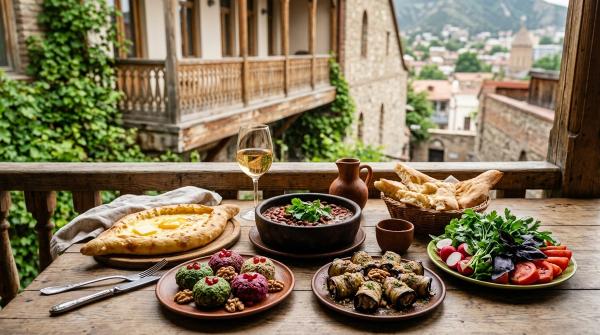
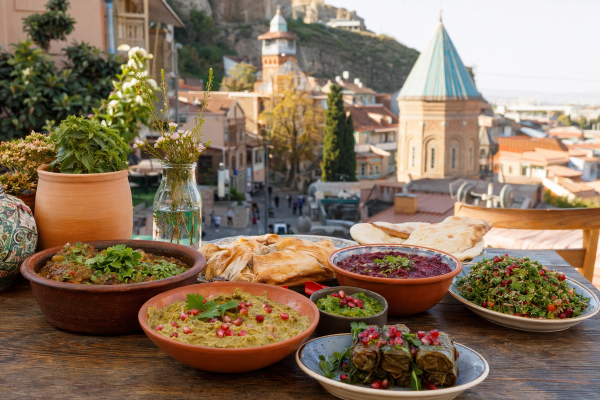
Tbilisi’s old town area is full of cute balconies, winding streets, and a mix of churches, sulphur bath houses, and modern cafés. Hostel beds from around €10–18. Private rooms/apartments around €30–55 if you’re not going for luxury. A basic restaurant meal can easily be €5–8, with bread, dips, maybe a drink. Khachapuri (cheese bread) will ruin your diet but save your wallet.
A lot of Indians love Georgia also because of relatively easier e-visa / visa-on-arrival options depending on your existing visas, and because it feels a bit closer to home in terms of hospitality. People are very direct but also very kind once you connect. I had a hostel host who literally packed me homemade food for my train ride because "you’ll be hungry, no?" – that kind of vibe.
Public transport is cheap: metro, marshrutkas (mini buses), and Bolt taxis. Some areas like certain hillside neighbourhoods and random alleys at night can feel a bit isolated, so just use common sense and stick to lit, busier roads if you’re alone late. Most travellers I met felt safe overall.
Best months: late April to June, September–October. Summers get hot, winters can be snowy. And if you like wine – Georgian wine is amazing and much cheaper than in Western Europe.
9. Sarajevo, Bosnia & Herzegovina – History, Mountains, and Honest Food
#Sarajevo is one of those cities that hits you in the heart. Beautiful but also carrying visible scars from the war. Minarets, church towers, and Austro-Hungarian buildings all sharing the same skyline. Locals are very open to talking about their history if you’re respectful and actually listen.
Budget-wise, it’s still kind of a gem. Hostel beds around €12–20. Guesthouses and simple hotels between €30–60. Food is legit tasty and low-cost. A plate of ćevapi (grilled meat, but you can ask for smaller portions) with bread and onions might be €4–6. Strong Bosnian coffee is cheap and will wake your ancestors. For vegetarians, options exist but you have to look a bit – burek with cheese or spinach, salads, pasta here and there.
The old bazaar area, Baščaršija, feels like a mix of Turkish and European vibes. Cobblestones, copper shops, baklava, call to prayer echoing in the evening… it really feels different from most of Europe. Also, mountains are close. There are viewpoints like the Yellow Fortress where you can hike up for sunset over the whole city – highly recommend.
Buses and trams are easy enough, but I mostly walked. Safety is generally good in the main areas, just avoid wandering too far into unlit hillsides at night. One more thing: don’t go off-trail in remote nature areas without local guidance – there are still some spots in the country with old landmines, though touristy routes are cleared and well-marked.
10. Vilnius, Lithuania – Underrated Baltic Chill Zone
#Vilnius doesn’t scream from Instagram feeds like other places, but maybe that’s why I liked it. It has a compact old town, loads of churches, and this interesting neighbourhood called Užupis that declared itself a "republic" with its own funny constitution. Very artsy, very hipster, but in a sweet way.
Hostels run around €18–25 for dorms. Budget hotels and Airbnbs usually between €50–80 per night for two people. Food prices are moderate, not the cheapest on this list but still better than Paris or Amsterdam style nonsense. Groceries are affordable and there are plenty of casual cafés where you can sit for hours with one coffee and your laptop.
I felt super safe here, even late at night. Streets are clean, public transport is organised, and locals, especially younger ones, speak great English. The whole Baltic region is actually getting more attention recently because people are looking for new alternatives to overcrowded destinations.
Weather though… winters are hardcore. Proper grey, cold, and depressing if you’re not into that. I’d say late May to September is the best window. In autumn, the forests around the city go full yellow-orange, very pretty for day trips.
Rough Cost Snapshot for These Cities (So You Can Actually Plan)
#Obviously prices change a bit year to year and depend how much you like comfort vs roughing it, but here’s a very loose daily budget range I’ve personally seen for a desi-style backpacker / budget traveller:
- Ultra-budget (hostels, cooking some meals, public transport only): about €35–50 per day
- Comfort budget (hostel/private room, eating out once or twice, a few paid attractions): €50–80 per day
- Low midrange (budget hotel, regular restaurant meals, occasional taxi/Bolt): €80–110 per day
Flights from India are usually the biggest expense. But once you’re inside Europe, budget airlines and trains can make hopping between these cities quite affordable if you book early and travel light. I know, easier said than done when your mom packs 2 kg of thepla and masala for you.
Latest Trends & Safety Stuff You Should Actually Know
#Tourism has bounced back strongly and more Indian travellers are exploring beyond the usual London–Paris–Swiss route. That also means some cities are quietly raising tourist taxes and tightening rules – nothing crazy, but small things to keep in mind.
A few quick points from what I’ve seen and from recent updates:
- Most of these cities remain generally safe for solo travellers, including women, as long as you follow basic common sense: avoid super drunk areas late night, keep your valuables close, don’t flash big bundles of cash.
- Pickpocketing is still a thing in busy tourist areas everywhere in Europe, so sling bag with zip > open tote bag. Especially in metros and trams.
- Many places are moving to contactless payments. Cards and UPI-linked forex cards work almost everywhere now, but keep small cash for public toilets, buses, and farmers markets.
- Book popular activities and hostels a bit early for peak months (June–August), because budget spots fill up fast when influencers start posting from these places.
And please, please, get proper travel insurance. It’s not just for visa formality. Healthcare in Europe can be expensive if something goes wrong. One twisted ankle and suddenly your budget for the whole trip can go out of the window.
A Few Desi-Specific Tips That Helped Me
#We travel a bit differently na. We compare everything to India quietly in our head. So here are some random but actually useful things that made my life easier:
- Carry a small spice kit – chaat masala, chilli flakes, maybe a tiny achar packet. European food can feel bland after 3–4 days. I’ve happily sprinkled chaat masala on hostel boiled eggs, not even kidding.
- Use local supermarkets a lot. Fresh bread, cheese, fruits, yoghurt – you can make a solid breakfast for under €4 and save money for experiences.
- If you’re vegetarian or vegan, learn a few phrases in the local language like “no meat”, “no fish”, etc. People are not trying to trick you; they just genuinely think chicken = not meat.
- For SIM cards and data, check eSIM options. Many European travel eSIMs now cover multiple countries in one plan, which is super handy if you’re city-hopping.
Also, as desis we often feel shy to say "no". If a waiter recommends something you don’t want, or a promoter tries to drag you into a club, it’s fine to say a firm but polite "no thanks" and walk away. You don’t owe anyone your time or money just because they smiled at you.
So… Which City Should You Start With?
#If it’s your first Europe trip and you want budget + beauty + easy logistics, I’d say start with Budapest, Kraków, or Porto. They give you that postcard feel without the wallet trauma. Combine 2–3 of these cities in one trip with cheap flights or overnight buses and suddenly Europe doesn’t look like such a distant dream.
If you want something a bit more offbeat and raw, then Belgrade, Sarajevo, or Tbilisi will blow your mind. These places feel less polished, more real, and the human connections I had there were honestly next level.
The main thing is: don’t get stuck thinking Europe = only 4–5 famous cities. There’s a whole second layer of affordable, trending places that are perfect for Indian travellers – safe, exciting, and still kind to the rupee.
Wrapping It Up (Before I Book Another Ticket by Mistake)
#If you’re sitting in your office right now, scrolling travel content between meetings, wondering if a Europe trip is realistic – it is. Maybe not the fancy Swiss resort honeymoon version, but the hostel, street-food, walking-10-km-a-day, budget legend version? Totally possible.
These 10 cities are not just cheap for the sake of being cheap. They have history, culture, proper nightlife, and local communities that still feel real, not just "tourist showpiece". And for 2026 and beyond, I genuinely feel more travellers are going to choose places like these over overcrowded capitals.
Anyway, I’ll stop before this turns into a full Ted Talk. If you want more Indian-style, honest travel stories and city guides, I keep finding solid stuff on AllBlogs.in, so you can check there too when you’re planning. And then… just go. Europe is closer than it looks from your office cubicle, promise.