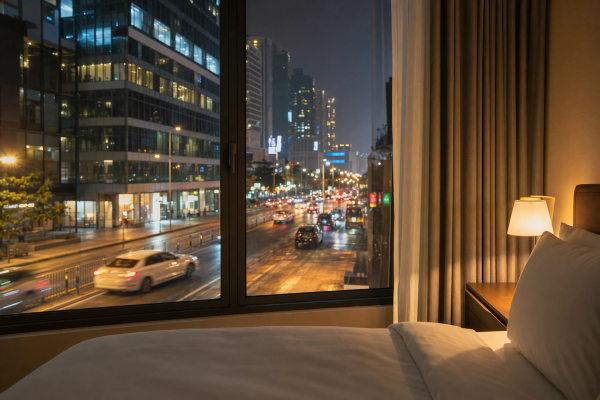
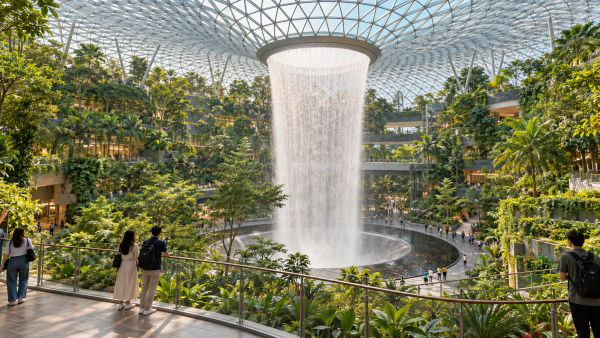
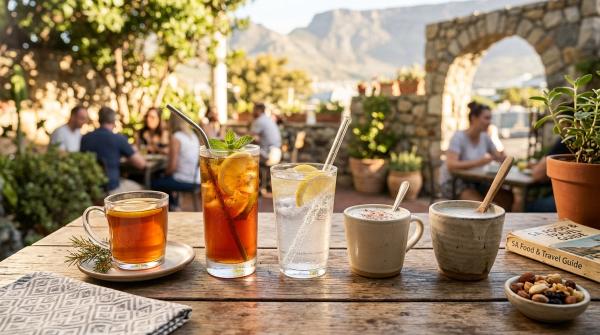
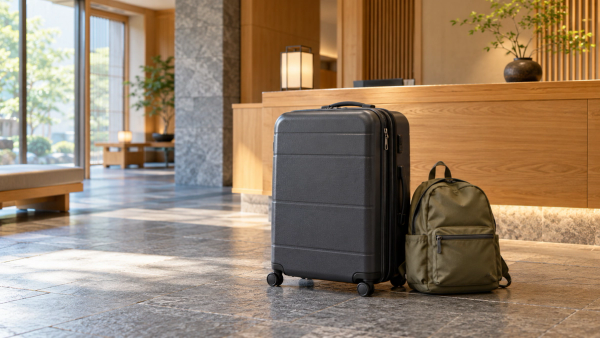
So, um, quick confession – I never thought I’ll be that person typing invoices from a beach café and then running to catch sunset at the same place. But here we are. Bleisure travel (mixing business + leisure) is literally becoming a lifestyle now, especially for us Indians with all this remote / hybrid work stuff happening.
I’ve been doing these short work-cations since just before the whole remote boom, but in the last couple of years it’s become properly mainstream. Every second person on my LinkedIn is in Goa or Bali with a laptop, you know. Companies are more chill, visa rules are slowly changing, and even hotels are now marketing “work-friendly” packages. And honestly, if you do it smartly, you can actually save money instead of blowing your entire salary on one fancy trip.
What Even Is Bleisure Travel (And Why Indians Are Lowkey Owning It)
#Bleisure basically means you travel for work – conference, client meeting, team offsite, remote project – and then extend the trip to explore the place. Or the other way: you go for a holiday, but still work a few days from there so you don’t need to spend extra leave. No strict rule. It’s just mixing work and chill in one itinerary.
Globally, bleisure has blown up. Big time. Travel reports are saying business + leisure trips are growing faster than pure business trips. Corporates are cutting down expensive short meetings and instead encouraging longer trips where employees can get more done, and many of us are quietly adding 3–4 days of holiday on our own.
For Indian travellers especially, it makes sense because:
- Flights are usually the biggest cost, na. So if company is already paying one direction (or both), extending the stay gives crazy value.
- Our salaries vs foreign currency conversion hurts sometimes, so staying longer in cheaper destinations like Thailand, Vietnam, Sri Lanka, or even in Indian tier‑2 cities is actually economical compared to metro rent + eating out.
- Remote policies: A lot of Indian IT, startup and consulting companies now allow 15–30 days of “work from anywhere” per year, some even more. Many people use that to sit in Goa, Himachal, Bali, Dubai etc.
Anyway, let me not sound like some gyaan guru. I’ll share what actually worked for me, what was a disaster, and some solid tips if you’re planning your own bleisure trips in 2026 and beyond.
My First Proper Bleisure Trip: Bengaluru Client Meeting Turned Gokarna Escape
#I’ll start with something closer to home. One of my fav bleisure trips so far happened completely by accident. I had a client workshop in Bengaluru – two days of full‑power meetings, presentations, the whole MBA drama. My company was covering flights and 2 nights in a business hotel near Outer Ring Road.
Instead of flying back to Mumbai on Friday evening, I quietly booked my return for Monday night. Then a friend and me took a night bus to Gokarna. No extra leave, just used the weekend + worked Monday from a café near Kudle Beach. That Monday morning standup call… man, I was literally sitting with wet hair after a quick dip in the sea. Camera off, obviously.
What I loved about that trip:
- Company paid for the expensive part – flights + first 2 nights of stay
- Staying extra 2–3 days in Gokarna cost way less than what I usually spend in Mumbai on Uber + Swiggy + weekend party nonsense
- Mentally it didn’t feel like “I’m wasting leave” because I still worked one full day from there
This one small experiment basically converted me. After that, every time any travel came up – conference, offsite, friend’s wedding in another city, even family functions – I’d see if I can turn it into a tiny bleisure trip.
Where Bleisure Works Best Right Now (India + Nearby Countries)
#Okay, so not every destination is good for mixing work and travel. You need decent Wi‑Fi, safe areas, manageable costs, and ideally multiple cafés or coworking spaces. Based on my recent and friends’ experiences, these are currently hot for Indian bleisure travellers:
1. Goa (Obviously, but choose your area properly)
#Goa is like LinkedIn’s official remote‑work poster child now. But it’s also become expensive and crowded in some pockets, so you have to be a bit smart and not just land up in Baga with laptop.
Places like Candolim, Assagao, Anjuna, even South Goa areas like Palolem or Agonda are quieter, with better long‑stay options. A lot of villas and homestays now advertise “workation stays” with Wi‑Fi speeds mentioned clearly – 50–100 Mbps is quite common in the better ones.
Price wise (rough ballpark, depends on season):
- Decent guesthouse / homestay: ₹1200–2500 per night if you book weekly
- Long‑stay studios or 1BHK: ₹25,000–45,000 per month in non‑peak months
- Coworking day pass: ₹300–800 per day in most places
Best time: November to Feb is peak (and peak prices), but honestly Oct and March are nicer for bleisure because it’s slightly less crazy and you get better deals. Monsoon Goa is also magical but Wi‑Fi and power cuts can be a bit iffy in some parts, so check reviews carefully.
2. Himachal & Uttarakhand – Manali, Bir, Dharamkot, Rishikesh
#My favourite kind of bleisure is sitting in the mountains with chai and a Google Meet window. I did two long stints – one in Bir and one in Rishikesh – basically mixing client calls with sunset walks and momos. Zero regrets.
Key thing though – the hills are beautiful, but the internet can be moody. So if you have heavy work, multiple calls, or you’re in a role where “sorry network issue” won’t fly, stay close to the main town or pick hostels/homestays which are popular with digital nomads. They usually have backup connections and inverters.
Typical costs (again, approximate):
- Hostels (dorms): ₹500–1000 per night
- Private rooms: ₹1500–3000 per night
- Local cafés with Wi‑Fi: you can sit for hours if you order something every couple of hours – bill usually ₹300–700 depending on your tea/coffee addiction
Best months: March–June for pleasant weather, Sept–Nov after the main rains. Deep winter can be tough for work because of snow, power cuts, and your hands basically freezing on the keyboard.
3. Southeast Asia – Thailand, Vietnam, Bali, Sri Lanka
#Now coming to outside India. Honestly, if you plan early, some places abroad can be cheaper than big Indian cities. AirAsia, IndiGo, VietJet etc keep throwing those offers, and once you land, daily costs are quite manageable.
Thailand and Vietnam especially are going all‑in on digital nomads and bleisure. Tons of cafés with crazy good coffee, strong Wi‑Fi, and nobody gives you side eye if you sit with laptop the whole day. I worked out of Da Nang for a week, and it felt like half the café was on Zoom calls – Americans, Europeans, Indians, everyone.
Visa‑wise, these are worth keeping an eye on because rules are changing a lot:
- Thailand has been experimenting with longer stay options and visa exemptions for many countries for tourist seasons, and they keep tweaking the policy. For Indians it’s usually visa on arrival / e‑visa, just double‑check latest rules before flying.
- Vietnam has expanded its e‑visa system and made it easier for more nationalities to enter on longer stays. Processing is mostly online now.
- Sri Lanka has bounced back majorly after its previous crisis. Tourism is growing again, prices are still relatively low compared to many other destinations, and they’ve been actively encouraging Indian tourists with simplified visa processes.
In Bali, there’s even a whole conversation around digital nomad visas and long stays. Many Indians I met there were on remote contracts with Indian companies, just working from Canggu or Ubud for 1–3 months and doing weekend island trips.
How Bleisure Actually Helps You Save Money (Not Just Instagram Flex)
#I know it sounds little strange when people say "I travelled more AND saved money". Even I used to roll my eyes, like bro kya bol raha hai. But when you break it down, bleisure genuinely helps your budget if you’re mindful.
Here’s how I personally save:
- 1. Flight cost split: If company is paying for one or both directions, you’re basically getting a free or discounted base for your trip. You just extend dates on either side, sometimes you pay minor difference for weekend flights, but it’s still way cheaper than booking same route for purely leisure.
- 2. Rent vs travel tradeoff: When I did 3 weeks in Goa, my rent + electricity + groceries in Mumbai were all saved for that period. Even after accounting for Goa stay and food, net extra cost was not huge. Especially if your home is in a metro with insane rents.
- 3. Long‑stay discounts: Many hotels, hostels, and Airbnbs give 20–40% off for weekly or monthly stays. If you position your work days + weekend smartly, per‑night cost drops a lot.
- 4. Eating local: When you’re somewhere longer, you naturally switch from tourist restaurants to local joints. In Da Nang we literally survived on banh mi for breakfast for ₹80–100 a sandwich and local pho places for ₹150–200 per meal. Try doing that in Bandra, lol.
- 5. No need for big expensive activities every day: Because you’re working part of the day, you don’t feel pressure to sightsee like mad. You can spread your must‑do activities over a week or two, so your daily cost is actually lower.
The main mindset shift is: bleisure is not a 4‑day hyper tourism trip with 17 attractions. It’s living somewhere else for a bit, while you still earn. Which is lowkey the dream.
Current Travel & Safety Stuff You Should Know (Not The Boring Lecture, Promise)
#Travel in general has become smoother again – flights are busy, hotels are full on long weekends, tourism boards are spending like crazy on ads. But a few practical things I’ve noticed, especially for us Indians planning bleisure trips:
- Flight prices swing a lot – dynamic pricing is wild now. For Goa and Dubai I’ve seen return fares double in 2 days. Use alerts, book work trips early once dates are confirmed, and if company give you a range of options, try bargaining for the time that’s easiest to extend for leisure.
- Insurance matters more now – not only for medical but also for delay/cancellation and gadget coverage. You’re travelling with laptop, sometimes second screen, headphones, etc. Very easy to get robbed or drop something in a café. Take that extra few hundred rupees of coverage. I wasted money once on repairing a soaked laptop because I was overconfident, never again.
- Health & local rules – some countries still change entry conditions occasionally: online forms, travel insurance proof, return ticket, etc. Always check official websites of the embassy or tourism board, not just some random Instagram reel.
- Safety on long stays – in India and outside, choose neighbourhoods that are known for remote workers and travellers. You’ll see more cafés, coworking, and generally safer vibes, especially if you’re staying solo. Reviews on Google Maps and hostelworld are gold – I always search keywords like “Wi‑Fi”, “safe for solo”, “good for work”.
Inside India, most of the usual tourist states – Goa, Himachal, Uttarakhand, Rajasthan, Kerala, Karnataka, Sikkim – are stable and safe for travellers right now, as long as you follow normal common sense. For international, Southeast Asia and UAE have become our default extended backyard: regular flights, relatively predictable rules, and tons of Indians already there.
How I Actually Plan A Bleisure Trip (Not That Complicated, Don’t Worry)
#My planning style is honestly half chaos, half Excel sheet. But I’ve learned a rough flow that works, so sharing here quickly:
- 1. Confirm work dates clearly – meetings, conference, on‑site schedule. These are fixed points in your calendar. No jugaad here.
- 2. Ask HR / manager about travel policy – can you change return date? Any price cap? Do they reimburse only standard route or also deviations? Get this in writing yaar, saves headache later.
- 3. Block extra days in calendar early – especially if you’re planning calls from a different time zone. I usually inform my manager like, “Hey I’ll be in Vietnam this week, timings will shift by 1.5 hours, but I’ll be online these windows.” Transparency helps.
- 4. Book stay based on Wi‑Fi first, then views. I know we all want sea view balcony, but choppy Wi‑Fi during quarterly review call is trauma. I always message property and ask for speed test screenshot or at least to confirm Mbps and backup options.
- 5. Plan sightseeing around your work rhythm – if you’re morning person, go out early and work evenings. If you’re like me and your brain loads only after 10–11am, stack your calls then and keep late afternoon for exploring.
One thing I’ve learned the hard way: don’t book back‑to‑back heavy sightseeing plus full‑day work. You’ll just burn out and end up scrolling reels in bed instead of enjoying the place.
Real Day In My Bleisure Life (Da Nang, Vietnam Edition)
#Let me just walk you through one actual day from my Da Nang trip. Because theory is fine, but how does it really feel?
I was in this simple studio about 10 mins walk from My Khe Beach. Paid around ₹1800 a night on weekly discount, including cleaning and Wi‑Fi that was way better than my Mumbai broadband, no joke.
My typical day looked like:
- 7:30 am – Quick walk on the beach, no big deal, just that normal life flex I still miss. Grab iced coffee from a street cart for like ₹70.
- 9:00 am – Back at apartment, breakfast banh mi, reply to emails, Slack etc. India time is behind by about 1.5 hours, so my work day started a bit later than usual which I weirdly liked.
- 11:00 am–4:30 pm – Proper work block. Client meetings, internal calls, documentation, everything. Some days I’d work from a coworking space (₹800 a day), some days just from my room’s desk. Wi‑Fi never gave up on me, touchwood.
- 5:00 pm – Grab a rented scooter, head to Marble Mountains or just cruise around the city, hunt for random local food spots.
- 9:00 pm – Light dinner, maybe some more emails or planning next day tasks, then crash.
Weekends I did Hoi An, Ba Na Hills, and just lazing around. Zero annual leave used. Full salary hitting bank. And at the same time, I was living in a totally different world for those 10 days. That’s the magic of this bleisure thing when it actually works out.
Gear & Setup That Saved My Life (And My Neck, Literally)
#You don’t need to over‑engineer your setup, but a few things make a huge difference if you’re working from random rooms and cafés all the time.
- Laptop stand (foldable) – I ignored this for longest time and my neck paid the price. Now I carry a cheap aluminium one, weighs nothing, feels like a game changer.
- Noise‑cancelling headphones – cafés abroad can get noisy, hostels too. NC headphones are the reason my clients didn’t hear that backpacker singing Ed Sheeran on a djembe in Rishikesh.
- Extension board / universal adapter – many hotel rooms have one awkward plug point in some random corner. One small Indian extension board saved me from charging phone in the bathroom many times.
- Local SIM or good eSIM – for backup hotspot when Wi‑Fi dies right before a meeting. I usually get eSIM now because you can setup even before landing in some countries.
- Cloud backups – this sounds boring, but when you’re travelling, chances of losing laptop or getting it damaged are just higher. Keep stuff on Drive / OneDrive / Notion etc. I had a tiny panic moment in Goa once when my system refused to boot. Thankfully everything important was on cloud.
Also, tiny thing: carry at least one proper shirt or kurta that doesn’t look like you’ve been living in a hostel for 2 months. For surprise video calls. Trust me on this one.
Seasonal Tips: When To Combine Work + Travel For Max Peace
#Timing matters a lot. Going to Goa in New Year week and expecting calm work environment and cheap rooms is like expecting Mumbai to have no traffic at 6 pm. Not happening, boss.
Broadly, here’s what I’ve felt works really well:
- For Indian beaches (Goa, Gokarna, Varkala, Andamans):
Try shoulder seasons – October–mid December and late Feb–March. Weather is still nice, rates are lower, places are slightly less chaotic. Monsoon is pretty but for serious work it’s hit or miss unless your stay has great backup power. - For mountains (Himachal, Uttarakhand, Sikkim):
Avoid heavy monsoon and deep winter if you have intense deadlines. May–June and Sept–Nov are sweet spots. You get good weather, and the chances of roads blocking or long power cuts are lower. - For Southeast Asia:
Weather varies by region, but Nov–March is usually the most popular and pleasant for many parts of Thailand, Vietnam, Cambodia. If you don’t mind some showers, shoulder months (like April, October) get you cheaper stays and still manageable climate.
Also, keep festivals and school holidays in mind. Places like Bali and Goa suddenly spike in prices and crowd during global holidays, long weekends from India, and local festivals. Sometimes you can use that to your advantage if your work event is planned in off‑peak, you get cheaper flights and hotels.
The Mental Side: It’s Not Always Hashtag Dream Life
#Okay, small reality check. Bleisure looks glamorous online, but some days are… not it. I’ve had moments where I’m in this beautiful destination and still stuck on a 3‑hour call, staring at a screen while my friends are out exploring. FOMO hits hard.
Couple of honest truths:
- You will have days where you don’t see anything except your room and Zomato / Grab Food app. That’s okay, it’s still just a work day – just in a cooler pin code.
- You might feel guilty – like you’re cheating work by travelling, or cheating your vacation by working. Mental switch can be tricky. I try to set clear boundaries: full focus on work during work hours, guilt‑free enjoyment after.
- Not every company culture supports this openly. Some managers love it, some get suspicious if they see palm trees in your background. Feel out your team’s vibe. Better to be transparent and show that your output is solid, then nobody really cares where you’re logging in from.
For me personally, productivity is weirdly better in bleisure mode. New place gives a little creative kick, I’m more disciplined with time because I want to go out later, and small things like sunrise walks or evening chai with a view keep my brain sane. But everyone’s different, so try once on a smaller scale and see how you feel.
Some Lesser‑Known Bleisure‑Friendly Spots I Really Liked
#Since everyone already knows about Goa and Bali, let me just drop a few slightly underrated places that worked surprisingly well for me or my friends:
- Kochi & Alleppey (Kerala) – Kochi has cute cafés, good coworking, proper connectivity. You can work from Fort Kochi for a few days, then do a relaxed Alleppey backwater stay over a weekend. Internet in homestays is usually decent, and food… ya, dangerous for your waistline but worth it.
- Pondicherry & Auroville – Nice blend of beach, French lanes, and quiet café culture. Auroville especially is full of long‑term travellers, remote workers, volunteers. Just remember it can get hot, so AC and good fan is non‑negotiable if you’re taking calls.
- Jaipur & Udaipur – Rajasthan isn’t always first choice for ‘work from anywhere’, but cities like Jaipur and Udaipur have solid internet, coworking spaces, and loads of culture right outside your door. Do your workday, then catch sunset at a viewpoint or just roam old city lanes.
- Colombo & Galle (Sri Lanka) – Short flight, visa is straightforward, many Indians already there, and costs can be quite reasonable if you eat local. Colombo is good for workdays, Galle or nearby beaches for weekend unwind. Trains, buses, tuk‑tuks – everything adds to the fun and the budget friendliness.
These spots may not have the “digital nomad” branding that Goa/Bali have, but sometimes that’s better because they’re quieter, less overpriced, and feel more… real.
Will Bleisure Still Be A Big Thing In 2026 And After?
#Short answer: yes. Longer answer: I think it’ll just become more normal, especially in tech, marketing, design, consulting and startup roles where remote or hybrid is the default now.
A lot of companies have realised strict office‑only policies hurt hiring. Many are keeping 2–3 days office, rest flexible. Some are officialy allowing work from different states or countries for part of the year. Travel platforms are already selling “workation packages”, airlines are promoting “stay longer” deals, and countries are experimenting with digital nomad friendly visas and longer tourist stays.
So by 2026, bleisure won’t be some funky trend, it’ll just be… how many of us travel. Attend a conference in Dubai, work remote for a week from there, then fly to Georgia for a long weekend. Or do your annual review meetings in Bengaluru and then work from Coorg or Mysuru for a few days instead of rushing straight back home.
Also I feel younger Indian travellers especially don’t want to keep waiting for “big Europe trip after 5 years” types. We’d rather take smaller, more frequent trips that fit around work and don’t empty our savings. Bleisure is literally built for that mindset.
Final Thoughts (And A Tiny Nudge To Just Try It Once)
#If you’ve read this far, I’m guessing there’s at least a little voice in your head going, “Maybe I should try this also.” Honestly, do it. Just once. Doesn’t have to be some big international plan. Even turning a work trip from Delhi into 2 extra nights in Rishikesh can be your first test run.
You’ll figure out your style on the way – maybe you prefer mountains over beaches, maybe you like staying in one place longer instead of hopping around, maybe you realise you can’t work from hostels at all and need a quiet studio. All that is data for future you.
For me, bleisure travel changed how I think about both work and holiday. It’s no longer this strict divide of "grind for months then reward yourself". Life feels a bit more mixed, more flexible, slightly messy in the best way. Some days are tiring, some days are magic, but overall I feel like I’m using my time and money better, and seeing more of the world without constantly begging HR for leave.
If you want to dig deeper into specific places, itineraries, or check other travellers’ experiences, I keep stumbling on some solid Indian travel stories and guides on AllBlogs.in – worth browsing when you’re planning your next work‑plus‑vacation escape.