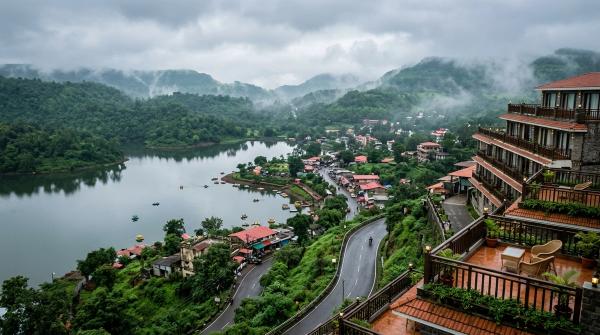
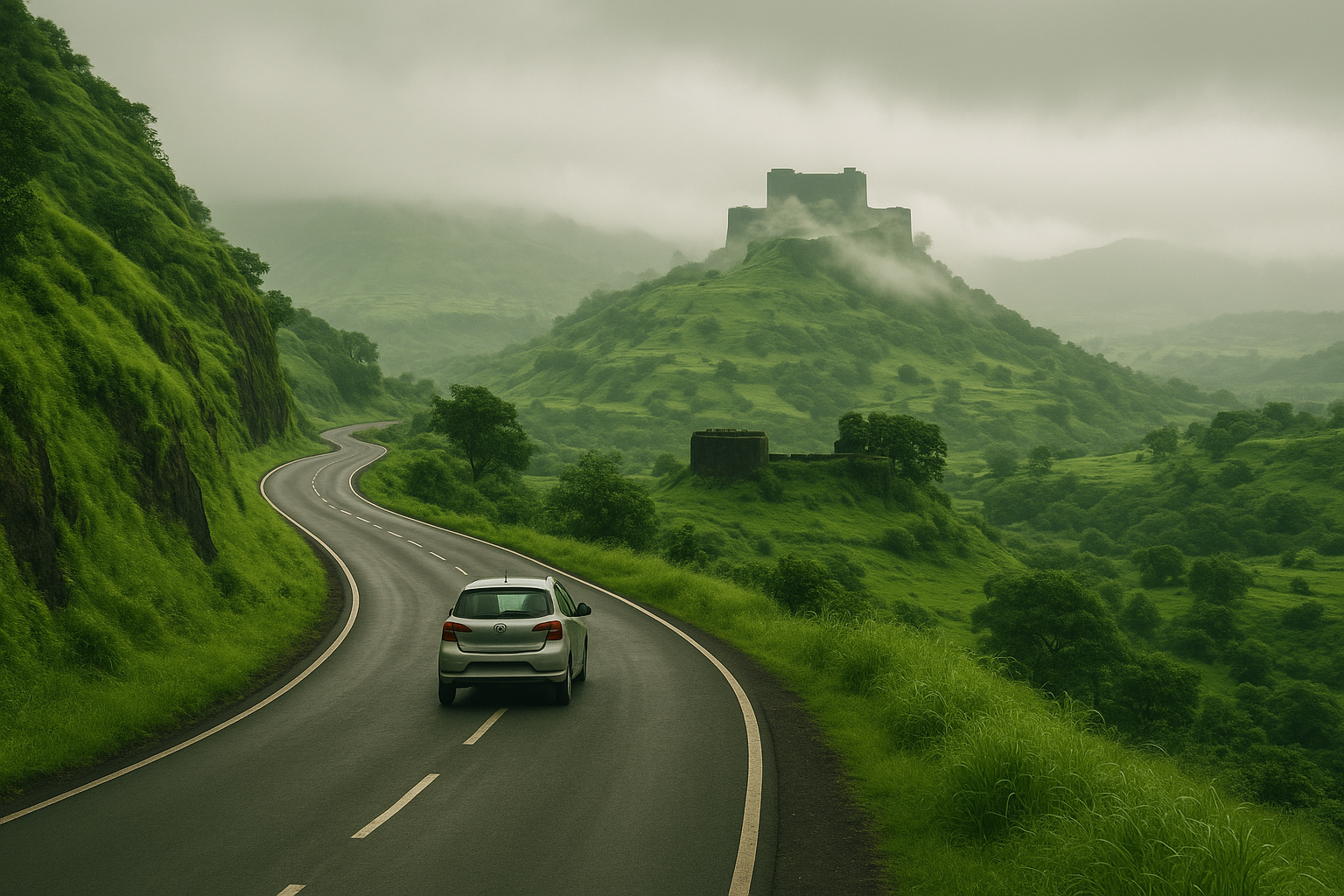
Monsoon driving in Maharashtra sounds romantic till you’re the one holding the steering wheel on a foggy ghat road with one truck behind you, one biker trying to overtake from nowhere, and your wipers moving like they’re doing you a favor. So yeah, if you’re a first-time driver, I get the anxiety. I’ve done enough rainy road trips from Mumbai and Pune to know that not every beautiful route is a beginner-friendly one. Some are gorgeous but stressful. Some are easy but kinda meh. And then there are a few that hit the sweet spot — scenic, manageable, full paisa vasool views, and not so punishing if you’re still getting comfortable with long drives.
This post is for that exact person. The one who wants the whole monsoon vibe — chai, mist, green hills, waterfalls popping out of rock faces, bhutta on the roadside, maybe a quick stop for vada pav — but also doesn’t want a route that feels like an exam. I’m keeping this very Maharashtra-local and practical. Not dreamy for the sake of it. Because honestly, first monsoon road trip pe overconfidence is the real villain.
Before we even get into routes, one honest thing about monsoon driving here
#Road trips in rain are beautiful, yes. Also unpredictable. Landslides happen on some ghat sections in heavy spells, potholes can appear like they were planted overnight, low visibility is real, and weekend traffic near popular hill stations gets absurd. The Mumbai-Pune Expressway and major state highways are generally in usable condition during the season, but local approach roads to viewpoints, forts, waterfalls, and farms can get slushy or broken. So when people say “bas drive kar lo, mast hai,” uh... half true only.
Latest practical update type stuff — authorities do increase patrolling and advisories in the rainy season on major routes, especially around landslide-prone belts and busy tourist stretches. That helps, but don’t assume the road is safe just because lots of reels are being posted from there. Check weather alerts the previous night and again before leaving. Maharashtra monsoon can switch from cute drizzle to full chaos very fast. If IMD is warning of very heavy rainfall in your area, postpone. Seriously. The road will still be there next weekend.
- For first-time drivers, leave early in the morning and try to finish major ghat sections in daylight
- Keep speed low on painted lane markers and shiny tar patches — they get slippery
- Avoid stopping randomly near blind curves just because a waterfall looks nice
- Fuel up before entering hill stretches, and keep FASTag active if you’re using expressways
- If your tires are worn out, this is not the season to “manage somehow”
1) Mumbai to Lonavala via Expressway side access — easiest monsoon classic, if you time it right
#If you ask me for the safest-feeling first monsoon drive near Mumbai, Lonavala is still the obvious answer. Slightly overdone? Yes. Still worth it? Also yes. The route has better infrastructure than most monsoon getaways, there are enough food stops, and if you stay sensible you won’t feel stranded in the middle of nowhere. From Mumbai, the usual run is around 85 to 100 km depending on where you start, and from Pune it’s even easier. For a newbie, familiarity matters. This route has that.
The trick is timing. On a random weekday or very early weekend departure, Lonavala feels lovely — clouds hanging low, those classic green slopes, Duke’s Nose side views, small waterfalls appearing all over the hills. But leave late on a Saturday and you’ll spend half your emotional energy just surviving traffic near food plazas, choke points, and town entry roads. Me and my cousin once took nearly double the normal time because everyone in Mumbai apparently had the same monsoon plan. Not fun.
What makes Lonavala beginner-friendly is not that it’s empty or super simple, but that support is always around. Puncture shop mil jayega. Petrol pump mil jayega. Decent cafes, hotels, washrooms, all that. Stay options are available for almost every budget — simple guesthouses can start around ₹1,500 to ₹2,500 in off-peak rainy weekdays, mid-range hotels and resorts often sit around ₹3,500 to ₹7,000, and private villas can shoot much higher on weekends. If you want peaceful vibes, don’t stay right in the market area. Look a bit outside toward Tungarli or old highway side properties.
Food-wise, keep it local at least once. Hot kanda bhaji, cutting chai, corn roasted on coal, misal if your stomach is brave in the rain, and chikki for the mandatory return-home purchase. Popular stops get crowded, but there are still smaller family-run places if you’re willing to drive 10 minutes off the obvious lane.
2) Pune to Lavasa side drive — surprisingly manageable, green as anything, but please check access updates
#Lavasa has had a weird reputation for years — beautiful roads, strange silence in some patches, and people always asking “open hai kya properly?” The answer changes depending on the season, local rules, maintenance, and what exactly you want to do there. But as a scenic drive from Pune for first-timers, the road toward Lavasa can be really, really rewarding. Think rolling hills, mist crossing the road, deep valley views, and long curves that actually let you settle into driving rhythm instead of panicking every five mins.
The route from Pune is roughly 55 to 65 km depending on your start point, and the drive is best in light to moderate rain. In very heavy showers, visibility drops badly in the hill sections, so don’t force it. I liked this route because it felt less aggressive than some of the busier western ghat drives. You can actually breathe. That matters when you’re still learning confidence behind the wheel. Just don’t get cocky on the curves. Smooth steering, no sudden braking, no tailgating. Basic stuff, but in rain basic stuff becomes everything.
You’ll find cafés and a few stay options around the destination side, though the scene is not as constantly buzzing as Lonavala. Budget rooms in nearby areas may start around ₹1,800 or so, while better lake-facing or resort-style stays can go ₹4,000 to ₹8,000 and beyond depending on weekend demand. If overnighting, call ahead instead of relying only on listing apps. During monsoon some properties operate with limited services, and some look better in pictures than in real life... much better, actually.
3) Mumbai to Alibaug — coastal rain drive for people who hate ghats a little
#Not everyone wants their first rainy road trip to involve mountain roads. Fair. In that case, Alibaug is such a sensible pick. The Mumbai to Alibaug drive, usually via Panvel-Pen, gives you a more relaxed learning curve. You still need caution because state highways can have broken patches and random traffic behavior, but you skip the whole steep ghat tension. The monsoon mood here is different too. Less dramatic-cliff energy, more wet coconut trees, village roads, sea breeze, grey skies, muddy lanes, and seafood cravings.
I genuinely think Alibaug is underrated for beginners. People treat it like just a quick beach break, but in rains the journey itself feels soft and nice. If you leave early, stop for breakfast on the way, maybe take it slow through Pen side, it becomes one of those easy drives that build confidence. Beaches won’t be the postcard blue-sky version obviously. In fact, sea can look rough and moody. That’s the charm. Just don’t do stupid selfies near high tide or rocky edges. Monsoon sea in Konkan is not joking around.
Stays range a lot. Homestays and simple lodges might be around ₹1,500 to ₹3,000 in non-holiday slots, boutique properties and pool villas can jump from ₹5,000 to ₹12,000 or much more. Seafood thalis, bombil fry when available, surmai, solkadhi, and even basic home-style fish curry-rice at local eateries — that’s the real reward here. Also, roads to smaller beaches and properties may narrow down quite a bit, so if you’re very new, don’t insist on some hidden interior stay with terrible access just because Instagram said “untouched gem.”
4) Pune to Mulshi and Tamhini stretch — beautiful, beginner-doable, but only in controlled doses
#Now this one... wow. Mulshi in monsoon is the kind of place that makes you pull over every twenty minutes because the landscape suddenly turns unreal. Green hills layered one behind another, lake views, little streams, roadside waterfalls, fog rolling in and out like stage effects. From Pune, Mulshi is an easy favorite for a half-day or one-night road trip. For first-time drivers, the route till Mulshi side is generally more manageable than doing a full ambitious ghat expedition.
If you continue deeper toward Tamhini Ghat, the drive becomes even more scenic and also a bit more demanding in heavy rain. Not terrifying, just more attention needed. There can be waterlogging in patches, reduced visibility, and some rough road sections depending on ongoing repair work and rainfall intensity. This is one route where I’d say beginner drivers should enjoy it, but not oversell their stamina. Drive to a comfortable point, eat, click your photos, sit with chai and pakoras somewhere, then head back before dark. There’s no medal for “covering more distance.”
Mulshi now has a lot more accommodation than it used to. That’s both good and annoying. Good because you’ll find lakeside cottages, farm stays, boutique resorts, and basic rooms. Annoying because weekends can get crowded and prices become silly. Budget farm stays may start around ₹2,000 to ₹3,500, while nicer resorts usually sit in the ₹5,000 to ₹10,000 bracket. Some luxury stays go way beyond. Call and ask very specific questions — parking, road condition till the property, generator backup, food timings, and whether the final approach road is sedan-friendly. Learned that one the hard way, trust me.
5) Nashik to Bhandardara — maybe the prettiest “slow drive” for someone gaining confidence
#If you’re based around Nashik, or don’t mind planning a monsoon weekend around that side, the drive to Bhandardara is such a gem. It’s quieter than the hyper-popular Mumbai-Pune crowd magnets, and the whole region in rains feels raw in a good way. Arthur Lake, the mountain backdrop, roadside greenery, umbrella-size leaves everywhere, clouds sitting ridiculously low — proper monsoon cinema stuff. But not in a fake, commercial way.
For a first-time driver, this drive works because it encourages slowness. You don’t rush Bhandardara. You go there to exhale. The roads can still be patchy in places, and if rainfall gets intense some sections demand proper care, but overall the vibe is less chaotic. Nearby attractions like Randha Falls become very popular in monsoon, though access and safety barricades can change depending on water flow. Listen to local restrictions. Every year people act over-smart around waterfalls and then everyone else has to deal with more closures. Bit harsh maybe, but true.
Accommodation is a mix of MTDC-style options, local guesthouses, lakeside stays, and newer resorts. Typical price range is around ₹2,000 to ₹6,000 for many standard options, with premium properties going higher. Don’t expect every place to have perfect network, polished service, or city-style coffee menus. That’s not why you go. Eat local meals if your stay provides them — simple Maharashtrian veg food, bhakri, pithla, varan-bhaat, or village-style chicken if available. It just fits the weather better than ordering random sizzlers in the middle of misty nowhere.
A route I love but would not put at the top for total beginners
#Mahabaleshwar-Panchgani. Beautiful beyond doubt. Strawberries are not the monsoon thing obviously, but the rains turn the plateau and valley views magical. Still, for a total first-timer in peak rain, I’d rate it slightly below the beginner list because some sections get very foggy, tourist traffic can be irritating, and weekend lane discipline becomes a myth. If you already have a few highway drives under your belt, go for it. If not, maybe keep it for trip number two or three. Same with Malshej Ghat — spectacular in monsoon, but not my first recommendation for someone still nervous with ghats and heavy-weather visibility.
The best beginner monsoon road trip is not the one with the most dramatic waterfall. It’s the one where you come back thinking, okay, I can do this again.
What to pack, what to check, and what people weirdly forget every single time
#Please do a basic car check before leaving. Tire tread, brakes, headlights, fog lamps if you have them, wipers, washer fluid, demister, horn, battery. Carry a microfiber cloth because windows fog up and mirrors get messy. Keep a phone mount, charger, cash for smaller stalls, an umbrella, one extra pair of clothes, and sandals or floaters for stops where shoes will definately get murdered by mud. Also keep something to eat in the car. Rain traffic plus hunger is an ugly combo.
- Best months are usually late June to early September for lush landscapes, but July can be too intense on some routes
- For first-time drivers, weekday trips are way better than long weekends
- Use offline maps in hilly belts because network drops happen
- Don’t chase “secret waterfalls” shared in random reels without checking local safety conditions
- If you feel tired or tense, stop at a safe food plaza or café and reset. Ego is useless on wet roads
So which monsoon road trip in Maharashtra should you pick first?
#If you want the easiest all-rounder, go with Lonavala. If you hate ghats and want confidence-building coastal driving, choose Alibaug. If you’re from Pune and want max greenery without a very long plan, Mulshi is fantastic. If you want a quieter scenic drive with one-night stay energy, Bhandardara is lovely. And if road quality plus access updates are in your favor, Lavasa side is one of the smoothest-feeling hill drives for beginners. There isn’t one universal best route, bas depends on what scares you more — curves, traffic, remoteness, or bad roads.
One last thing. Don’t measure a road trip only by how many spots you “covered.” In monsoon, especially as a new driver, the joy is in driving at your own pace, pulling over safely for chai, watching clouds erase a hill and bring it back, hearing rain on the car roof for two full minutes before anyone says anything. That’s the stuff that stays. Not just the photos. If you plan smart, respect the weather, and pick the right route, Maharashtra in the rains can make you fall in love with driving a little. Maybe a lot. And yeah, if you like this kind of local, practical travel writing, check out AllBlogs.in too — found some solid trip ideas there myself.