
So, I used to be that person who packs like I’m shifting houses. One 4-day trip and my bag looked like I was going for a semester abroad… extra jeans, three chargers (why??), tiny shampoo bottles that leak everywhere, the whole mess.
Then on a short trip to Rishikesh + Mussoorie (3 nights, not even a “big” trip), I realised my “just in case” packing is basically just extra weight + extra plastic. And honestly it’s not even eco-guilt only. It’s also that carrying too much makes you tired before the trip even starts.
So yeah, this post is my sustainable travel gear checklist for 3–7 day trips. Not preachy. Just what’s worked for me across buses, trains, hostels, homestays, random café workdays, and those sudden rain attacks that India loves doing.
First… what “sustainable gear” even means (in real life, not Instagram)
#For me it’s 3 things:
1) Buy less, use longer. Like, the most eco product is the one you already own, no?
2) Multi-use items. One thing doing 2–3 jobs is the best.
3) Less disposable junk while travelling. Those tiny plastic water bottles and cutlery packs add up fast.
Also I’m not perfect. Sometimes I still forget my bottle and end up buying water at a station. Happens. Don’t beat yourself up, just improve bit by bit.
Quick travel reality check (India edition): safety, bookings, prices
#A few current-ish travel things that matter for packing:
- Trains + buses can get packed in peak season (summer holidays, long weekends, festival time). You’ll be walking with luggage more than you think.
- In most Indian tourist places now, UPI works in a lot of spots, but network can be patchy in hills and remote beaches. So power bank + a tiny bit of cash still saves your life.
- Budget stays are still very doable: dorm beds in popular hill/beach towns often sit around ₹500–₹1,200/night depending on season, and decent private rooms are roughly ₹1,500–₹3,500+. In peak season it shoots up, obviously.
- Safety wise: solo travellers (especially women) usually find hostels and homestays safer than random cheap lodges. And basic stuff like not flashing expensive gear, staying aware at night, and sharing live location… boring advice but it works.
Ok now the fun part—gear.
My sustainable travel gear checklist (3–7 days)
#I’ll break it into categories. Not a perfect list. Just what I actually pack, and why.
1) Bag situation (the thing you’ll regret if you choose wrong)
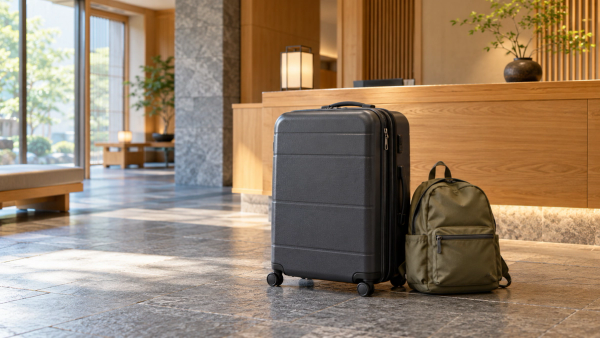
#For 3–7 days, a 30–40L backpack is the sweet spot for me. If you’re doing flights with strict cabin baggage, check the airline rules, but mostly this size works.
Sustainable angle: I stopped buying new bags every couple years. Get one sturdy bag, repair it, keep using it. My current backpack has ugly stitches on one strap (local tailor fixed it for ₹150 lol) and it’s still going strong.
- 1 backpack (30–40L), ideally with a rain cover or you can add a simple recycled poly cover
- Packing cubes… optional, but I reuse old cloth bags sometimes (from shopping) instead of buying fancy cubes
2) Water + food basics (the biggest waste-cutter, honestly)
#If you do only one sustainable thing while travelling in India, make it this. Because the plastic bottle situation is… everywhere.
I carry a 750ml or 1L steel bottle. In cities, you can refill at cafés/hotels. On trains, some stations have RO water points (not all). In the hills, I just ask my homestay to refill from their filtered water.
And I keep a small tiffin or collapsible box. Sounds extra, but it’s super useful when you pack parathas for a bus ride or you want to bring back momos without using plastic containers.
- Steel water bottle (or a tough BPA-free bottle you already have)
- Small lunch box / tiffin (stainless steel is my fav)
- Reusable cutlery (I carry a spoon + fork, not the whole set because who am I kidding)
- Cloth napkin/handkerchief (doubles as sweat-wiper on treks, sorry but true)
3) Toiletries that don’t leak and don’t trash the planet
#This is where I used to create max plastic waste. Mini shampoo bottles, random sachets, hotel freebies… ugh.
Now I carry a solid shampoo bar + a small soap bar. Takes some trial and error, yeah. Some bars make your hair feel like straw for the first few uses. But once you find the one that suits you, it’s gold.
Also, please pack a small bag for your wet toothbrush/soap. Otherwise your entire pouch becomes a swamp. Learnt that the hard way in Goa.
- Shampoo bar + soap bar (paper packaging if possible)
- Bamboo toothbrush (or keep your regular one till it’s done, then switch)
- Tiny refillable bottles for oil/facewash if needed (I reuse old cosmetic bottles)
- Safety razor or reusable razor handle + refill blades
- Menstrual cup / reusable pads (if that’s your thing) + a small pouch for storage
4) Clothes: fewer, smarter, faster drying
#This is the part people overpack like crazy (me included). For 3–7 days, I pack for 4 days max and rewear/rewash.
Quick-dry fabrics help, but I’m not saying go buy expensive “tech travel” clothes. I’ve done entire trips with regular cotton tees. The trick is: pick pieces that mix well.
And one small thing: carry a thin stole/dupatta. In India it’s basically a cheat code. Temple visit? Cover up. Bus AC too cold? Blanket. Sun too sharp? Head cover.
- 2–3 tops/tees + 1 nicer shirt/kurti for cafés/temples (depends where you’re going)
- 1–2 bottoms (jeans OR one lightweight pant + one shorts)
- 1 light jacket or hoodie (even in “warm” places nights get sneaky cold)
- Undergarments + socks (don’t underpack this, you’ll regret it)
- One stole/dupatta/scarf (seriously, do it)
5) Footwear: one good pair + one light backup
#If your shoes hurt, your trip becomes miserable. Period.
For most short trips I carry one comfortable walking shoe (or trekking shoe if it’s hills) and chappals/slides for hostel bathrooms or beach.
Sustainable angle: repair shoes. I’ve resoled a pair in Pune for cheaper than buying new ones, and it felt oddly satisfying.
- Comfortable walking shoes (broken-in already)
- Chappals/slides (lightweight, easy to dry)
6) Power + tech without carrying a mini electronics shop
#Ok so, power cuts are less common in many places now, but in hills and smaller towns it still happens. And even without power cuts, you’ll be out all day with maps + camera + UPI.
I carry one charger brick, one cable, and a power bank. That’s it. If you’re carrying five cables, you’re doing it for emotional support only.
Also: download offline maps before you reach low-network areas. Saved me in Spiti-like zones (and even in some random Konkan stretches where my phone just gave up).
- Power bank (10,000–20,000mAh depending on your phone usage)
- One universal/fast charger + one cable (Type-C ideally)
- Optional: a small extension cord if you stay in older hostels with one plug for 6 beds (real struggle)
7) Tiny sustainability add-ons that make a big diff
#These are small things, but they reduce waste a LOT.
- Reusable tote/cloth bag (for market shopping, snacks, laundry)
- A small zip pouch to collect wrappers till you find a bin (sounds silly, but works)
- Travel-size detergent sheets or a tiny soap for washing clothes (so you rewear, not repack)
- Mini first-aid: band-aids, ORS, basic meds (less panic-buying at overpriced tourist shops)
Seasonal tweaks (because India changes mood every 50km)
#This part matters, because packing sustainable doesn’t mean suffering.
- Summer (April–June): cap/hat, sunscreen, electrolyte. Hydration is not optional.
- Monsoon (June–Sept): waterproof pouch for phone, quick-dry clothes, and a compact umbrella. Roads in hill stations can get slippery and occasional landslides happen, so keep your itinerary flexible.
- Winter (Nov–Feb): layers > heavy jackets. Thermals are lightweight and super effective.
Best months? Depends where:
- Himalayas: generally spring (March–May) and autumn (Sept–Nov) feel nicest.
- Beaches (Goa, Gokarna, Varkala): Oct–March is usually the comfy window.
- Desert (Jaisalmer, Kutch): Nov–Feb or you’ll melt, like actually.
Where this checklist helped me the most (small story, quick)
#On a 6-day trip to Kerala (Kochi + Alleppey), I packed light with this setup. I carried my steel bottle, a tote, soap bar, and just 2 pairs of bottoms. And it made the whole trip smoother.
One day we did a local ferry + walking day in Fort Kochi, and I didn’t have to keep buying water bottles. Also those cafés there (and even some homestays) are pretty chill if you ask for a refill. People are nicer than we assume, ya.
Same with food—having a small box meant we could pack banana chips and snacks without plastic, plus I wasn’t hunting for “healthy” food at odd times. Win-win.
A few common mistakes (I still do some of these, not gonna lie)
#- Buying new “eco” gear for the sake of it. If your old backpack works, use it.
- Carrying heavy steel everything. Sustainable is good, but if it makes you pack more weight, you’ll hate it.
- Forgetting that local is usually more sustainable. Eat local food, use local transport, support small homestays. Your carbon footprint isn’t only about your shampoo bar.
Also if you’re travelling by train or bus, pack a light layer even in summer. Indian AC is… aggressive. Like it has personal issues.
Final thoughts (and yeah, you can do this without becoming a “perfect” eco person)
#Sustainable travel gear for short trips is basically about being a little more intentional. Carry a bottle, avoid disposables, pack lighter, repair stuff, rewear clothes, and don’t panic-shop at touristy places. That’s it.
And once you get used to it, it’s actually freeing. Less stuff to manage, less money wasted, less random plastic. Plus you feel slightly smug when you refuse a plastic spoon and pull out your own… ok kidding. Kind of.
If you want more India-first travel reads like this, I sometimes browse AllBlogs.in for trip ideas and local-style guides. Worth a scroll when you’re bored at work, honestly.