If you travel in India during monsoon even a little bit, you already know this is not just a cute "oh rain romance chai pakoda" season. It's mud, broken pavements, surprise puddles that are way deeper than they look, slippery ghats, railway platforms with that weird shiny surface, and those long damp days where your shoes just... never dry. I learnt this the hard way on a Konkan trip where me and my friend thought regular sneakers would be fine. Big mistake. By day one evening our shoes smelled like a forgotten gym bag and every step felt squishy. Since then I've become weirdly serious about monsoon footwear, maybe too serious honestly.
So this post is for people planning rainy season trips in India and wondering what actually works better: quick-dry shoes or waterproof shoes. And no, the answer isn't super neat because India itself isn't neat. Monsoon in Mumbai is different from monsoon in Coorg, which is different from Ladakh during freak rain, and very different from walking around Fort Kochi, Goa, Shillong, Udaipur or the ghats in Varanasi after a shower. I've used both kinds on buses, treks, ferries, cabs, homestay courtyards, airport dashes, and one very chaotic local market where a cow almost stepped on my foot, so yeah... I have opinions.
First thing first: what quick-dry shoes actually are, and what waterproof shoes really mean
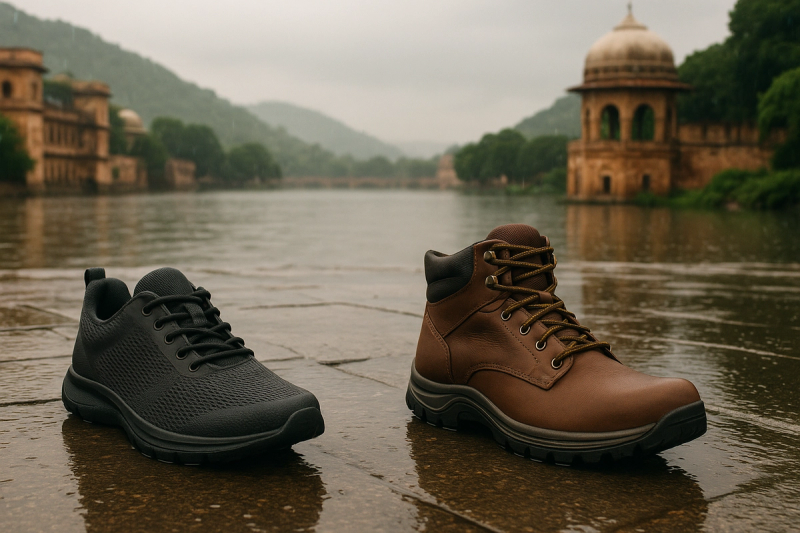
#Quick-dry shoes are usually made with breathable mesh, drain-friendly fabric, lighter uppers, and materials that don't hold water for too long. They are not trying to stop water from entering. They accept that water will come in, then try to dry fast. Waterproof shoes are the opposite vibe. Their job is to block water from entering in the first place, usually using coated uppers, membranes, treated fabric, rubber shells, sealed construction, things like that. Sounds simple, but in actual Indian travel it gets messy because once waterproof shoes do get water inside from the top, from ankle opening, from one misjudged puddle or nonstop rain, they can take ages to dry. Ages, yaar.
In Indian monsoon travel, the real question isn't just "will water enter?" It's "what happens after water enters, because sometimes it definitely will."
My honest short answer after travelling around India in rain
#For most city travel and mixed trips, I personally prefer quick-dry shoes. There, I said it. Not because waterproof shoes are bad, they're not. But in Indian monsoon conditions, where humidity stays high, roads flood randomly, and you're often taking shoes off in homestays or entering cafes with wet floors, quick-dry pairs feel more practical. Lighter, less sweaty, easier to clean, usually more comfortable for long wear. Waterproof shoes win in specific situations though, especially when you're walking through steady rain but not ankle-deep water, or when heading to colder hill areas where wet feet become miserable fast.
When quick-dry shoes are actually the smarter choice
#I realised this in coastal and high-humidity places. Think Goa in peak rains, Gokarna during off-season showers, Kerala backwater towns, Mumbai local travel, Pondicherry after sudden downpour, even Northeast road trips where drizzle keeps coming and going. In these places your feet will probably get wet at some point anyway. The goal becomes comfort after getting wet, not pretending wetness won't happen. A decent quick-dry travel shoe dries much faster overnight, especially under a fan. Some can even feel mostly okay again in a few hours if the rain stops. That's huge when you're moving every day.
- Good for city walking where puddles, splashes and humidity are constant
- Better for trips with ferries, beaches, waterfalls, river crossings, or sudden wet ground
- Usually lighter in backpack and easier to wash after mud gets everywhere
- Less sweaty than sealed waterproof shoes, specially in humid Indian weather
- Safer choice if you know you'll probably get wet no matter what
One thing people ignore is sweat. Waterproof shoes can trap heat, and in Indian monsoon that becomes its own problem. Wet from rain is bad, sweaty-damp from inside is also bad, and honestly sometimes grosser. On a humid day in Kochi I wore a waterproof pair thinking I was being smart. Outside it was raining lightly, not even heavy. But my feet got warm and clammy from inside, and by evening I was more uncomfortable than my friend wearing airy quick-dry trail shoes. So yeah, not every dry-looking foot is actually comfortable.
But waterproof shoes do have their moment, absolutely
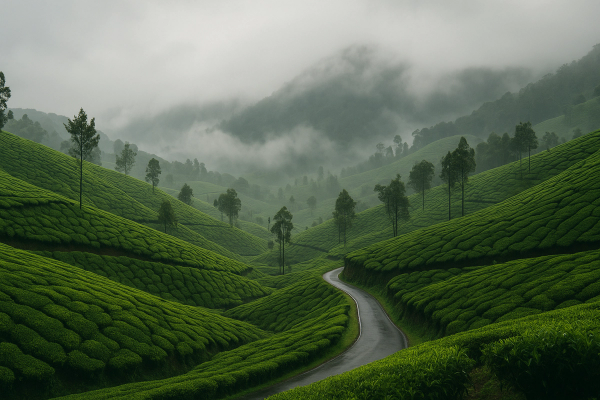
#Where waterproof shoes shine is controlled wetness. Sounds funny, but that's really it. If you're on a hill station trip where it's drizzling, paths are wet, grass is wet, roads are slushy but not flooded, then waterproofing helps a lot. Think places like Munnar, parts of Coorg, Tawang side in uncertain weather, some stretches around Sikkim, early morning walks in Mahabaleshwar, or easy forest stays where the path is muddy but not waterlogged. They also work nicely for highway stops, car-based travel, and cooler places where you don't want your socks wet at all.
And if you're carrying just one shoe and hate that squelchy wet feeling with all your soul, you may still prefer waterproof. Fair enough. Especially if your travel style is more hotel-cab-cafe-light walking rather than hardcore local wandering. Nothing wrong with that. Not every trip is a backpacker movie scene.
When I would pick waterproof without overthinking it
#- Short hill trip with light to moderate rain, not deep puddles
- Cool-weather destination where wet feet can ruin the day
- Airport to cab to resort style travel with limited walking
- Easy trails where the path is damp but not flooded
- You already know you dislike open mesh shoes and want more structure
The biggest mistake travellers make in India's monsoon
#Buying shoes based only on the word waterproof. That's it, that's the mistake. Waterproof sounds premium, protected, advanced and all that. But if the outsole grip is poor, you'll slide on wet tiles outside stations, polished hotel entrances, mossy fort steps, and those sneaky stone lanes in old towns. Grip matters as much as water resistance, maybe more. A shoe that keeps feet dry but makes you walk like a frightened penguin on wet stone is not a good travel shoe. Trust me, I nearly went down near a fort staircase in Maharashtra and had to pretend I was admiring the view. I was not admiring anything.
So whether you pick quick-dry or waterproof, check these basics before buying. Deep tread. Good grip on wet surface. Toe protection if you'll trek. Cushioning if you'll walk whole day. Heel stability. And drying time, which brands rarely explain properly. Also, avoid heavy chunky shoes unless you're genuinely trekking. For normal travel they feel like punishment after 8 or 10 thousand steps.
What works best for different kinds of Indian trips
#| Trip type | Better option | Why it usually works |
|---|---|---|
| Mumbai, Goa, Kochi, Pondicherry city travel | Quick-dry | Humidity is high, roads flood, shoes need to dry fast |
| Hill stations with mild rain like Coorg, Munnar, Mahabaleshwar | Waterproof or water-resistant | Helps on damp trails and cooler weather |
| Waterfall hopping, beach towns, ferries, river-side travel | Quick-dry | You'll likely get wet anyway |
| Monsoon treks in Western Ghats | Quick-dry trail shoes | Drainage and grip matter more than sealing |
| Road trips with short walks | Waterproof | Feet stay protected during brief outdoor exposure |
| Budget backpacking with one-bag packing | Quick-dry | Lighter, easier to wash and dry overnight |
A few places in India where your shoe choice really matters more than you think
#Western Ghats treks are the big one. Around Maharashtra, Karnataka and Kerala, monsoon trails can turn into streams. Here, many experienced trekkers actually prefer quick-dry trail shoes with strong grip rather than heavy waterproof boots. Because boots fill from the top, then stay wet. On the other hand, if you're doing gentle plantation stays in Coorg or tea estate walks around Munnar, a lighter waterproof shoe can be great. In Mumbai and Navi Mumbai local exploring, quick-dry wins for me every single time. During heavy rain alerts or waterlogging, honestly best travel tip is not shoe-related at all: avoid unnecessary movement, keep checking IMD forecasts and local advisories, and don't act heroic for Instagram reels.
Northeast is a bit mixed. Shillong and Cherrapunji side can have persistent rain, slippery viewpoints, and muddy edges. There I'd prioritise grip and ankle confidence more than strict waterproofing. In Goa during off-season, where accommodation rates drop nicely and beaches feel moody and half-empty in a good way, I mostly wear quick-dry shoes or sandals with grip. Waterproof sneakers there just feel stuffy. In Kerala's backwaters and Fort Kochi lanes too, same issue.
Budget, comfort, and what normal Indian travellers are actually buying now
#You don't need to spend a crazy amount, by the way. For most travellers, decent monsoon shoes in India fall roughly between ₹1,800 and ₹6,500 depending on brand and use case. Budget quick-dry pairs from sports brands can work fine for city travel if grip is decent. Mid-range trail shoes around ₹3,000 to ₹5,500 are kind of the sweet spot for people doing mixed travel. Premium waterproof hiking shoes go higher, obviously, but unless you're regularly trekking, that can be overkill. I know some people love buying one expensive all-rounder pair. I tried that too. It was okay, not magical.
Current trend, at least from what I'm seeing in stores and among frequent travellers, is less obsession with fully waterproof and more interest in water-friendly, grippy, breathable shoes. Basically people are getting practical. Many are also carrying two options: one main quick-dry shoe and one pair of floaters/slides for hotel, short runs, and really wet days. That's honestly smart. Especially if you're travelling by train or bus where drying conditions are unpredictable.
Accommodation, transport, and all the rainy travel realities around your shoes
#This sounds like a side point but it isn't. Your shoe choice depends a lot on how you're staying and moving. If you're in hostels, budget hotels, homestays, or guesthouses in the ₹800 to ₹2,500 range, don't assume you'll get ideal drying space. Sometimes there is no balcony, no sun, weak fan, and damp bathroom floor. Mid-range stays around ₹2,500 to ₹6,000 often give better ventilation, sometimes a covered sit-out, and that helps quick-dry shoes recover fast. Resorts and boutique stays above that usually make things easier, but even then monsoon humidity can be stubborn.
Transport matters too. If you're doing sleeper trains, buses, shared cabs, ferries, or autos in heavy rain, easy-on easy-off shoes are underrated. Security checks, muddy stops, station footbridges, all of it adds up. Waterproof high-top shoes can feel annoying in these situations. Quick-dry slip-on trail styles or low-cut lace shoes are just less drama. Unless your route is cold and hilly. Then okay, maybe the extra protection is worth it.
My own packing formula now, after enough bad choices
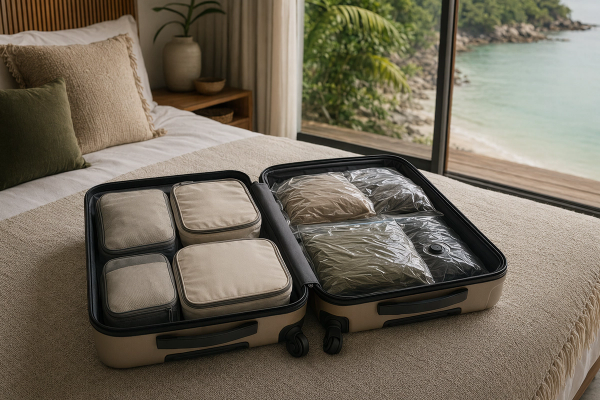
#Now I keep it simple. For most monsoon trips in India, I carry one pair of quick-dry trail shoes, three pairs of synthetic or merino-blend socks, and one backup pair of grippy sandals or floaters. If the destination is cooler and rain is steady but not flood-type, I switch to waterproof low-cut hiking shoes. I no longer carry cotton socks for rainy travel if I can help it. They stay wet, bunch up, and make life feel harder than it already is. Also, newspaper inside shoes at night still works. Old school hack, but solid.
- Pack anti-fungal powder or foot spray if you're travelling more than 3-4 rainy days
- Keep one plastic or dry bag for wet footwear in luggage
- Use synthetic socks, not thick cotton ones
- If you're trekking, trim toenails before the trip... sounds random but helps a lot
- Never test a new shoe for the first time on a monsoon trip, please yaar
Food, delays, local culture... and why monsoon travel in India is still worth all this footwear overthinking
#Despite all this shoe drama, monsoon travel in India is beautiful in a way dry-season travel can never copy. Roadside chai tastes better when your jeans are slightly damp. Railway journeys through Konkan look unreal. Homestays in the hills feel softer, slower. You eat hot bhajji, momos, vada pav, pakoras, smoked pork in the Northeast, fresh appam and stew in Kerala, corn by the roadside in Lonavala, and suddenly the wet socks are not the whole story anymore. Even the delays become part of the mood... okay not always, but sometimes.
That said, latest common-sense update for monsoon travel in India: always check local weather alerts before moving toward landslide-prone hills, coastal ferry routes, or trek zones. Conditions can change fast. Some trails close temporarily, ferries pause, and certain waterfall points get restricted for safety. Book cancellable stays when possible in peak rain weeks. And don't ignore local advice. If a driver, host, forest guard, or tea stall uncle says don't go further, just don't. They usually know better than weather apps.
So... quick-dry vs waterproof? My final call
#If you want one straight answer for most Indian monsoon travel, I'd say quick-dry shoes are the better all-round choice. More forgiving, more breathable, easier to live with, and surprisingly practical once you accept that getting a little wet is part of the deal. Waterproof shoes are excellent in specific settings though, mainly cooler hill trips, light-rain walking, and less chaotic travel days. The best shoe is not the one with the best marketing line. It's the one that still feels okay after a wet bus stop, a muddy shortcut, one slippery market lane, and a long evening walk to dinner.
Honestly, monsoon travel teaches you to stop chasing perfect dryness and start chasing comfort, grip, and recovery time. That's the real thing. Buy for Indian conditions, not catalogue fantasy. And if you're still confused, pick a grippy quick-dry pair first, then add waterproof later if your trips demand it. Way less regret that way. Anyway, hope this saves somebody from the soggy-shoe misery me and half my travel gang have suffered through. For more such slightly overthought but practical travel stuff, have a look at AllBlogs.in.