Ohhh this one takes me back. A little embarrasing, honestly. A couple summers ago I made a big batch of roti dough before lunch, got distracted by literally everything else in life, and by evening I was standing in my hot kitchen doing that suspicious sniff test like somehow my nose was a certified food safety lab. Spoiler: it is not. Since then I've gotten way more careful about how long roti dough sits out, especially in proper summer heat when the kitchen feels like a sauna and the counter is basically an incubator. So if you're wondering can roti dough be left out in summer, the short version is yes, but not for long. And the exact timing depends on whats in the dough, how hot your place is, and whether you're planning to cook it soon or later.
I love roti enough that I kind of hate giving strict rules about it, because roti in real homes is messy and intuitive and full of auntie logic. People rest dough on the counter all the time. I do too. But summer changes the game. Warm weather speeds up yeast activity if you've added it, makes naturally occurring microbes multiply faster, and can spoil dough that has yogurt, milk, or oil-rich add-ins more quickly than you'd think. Food safety people generally talk about the danger zone for perishable foods as roughly 40°F to 140°F, or 4°C to 60°C. In everyday kitchen terms, that means if your dough is hanging out in a hot room for hours, you are rolling the dice. Maybe it stays fine, maybe it gets weird, maybe it turns sour in a not-good way.
The simple answer, if you just need the rule and gotta run
#- Plain roti dough made with atta, water, salt, maybe a little oil: usually fine at room temp for about 1 to 2 hours in summer.
- If your kitchen is very hot, like above 90°F or 32°C-ish: keep it closer to 1 hour. Honestly even less if the sun is blasting in.
- If the dough contains yogurt, milk, egg, mashed vegetables, or anything extra moist/perishable: refrigerate after 1 hour, sometimes sooner.
- If it's been out more than 2 hours in typical summer warmth, or more than 1 hour in extreme heat: safest move is to toss it.
- For best texture, resting dough 20 to 30 minutes is usually enough anyway. You don't need to leave it out half the day, despite what my chaotic younger self believed.
That's the practical answer. But there are some nuances, because not all doughs behave the same. Also, not all summers are equal. A breezy 24°C apartment kitchen and a humid 36°C kitchen with the stovetop going are two very different universes. Me and my cousin made rotis in July last year and the dough puffed and softened way faster than expected just from the heat in the room. It wasn't ruined, but it definitely crossed from resting into over-relaxing. You can feel it in the dough when it starts getting too slack and a bit sticky for no reason.
Why summer is rough on roti dough, even if your grandmother says it was always fine
#And look, grandmothers are often right. More right than the internet, actually. But the old-school context matters. Dough might've been mixed fresh, cooked quickly, and kept in clay or metal bowls in homes with different airflow patterns, different flours, different water temps, just different rhythms. Today we might make dough, answer five texts, take a work call, scroll recipe videos, maybe leave the AC off to save money, and suddenly the dough has been sitting there forever. Summer heat accelerates fermentation and microbial growth. Warmth plus moisture plus time, yeah, thats the trifecta. Plain unleavened roti dough doesn't instantly become dangerous, but the risk definitely rises as the hours go by.
Texture is another issue people don't talk about enough. Even when the dough isn't unsafe yet, it can become annoying. Too soft, slightly tacky, maybe a faint sour smell. You roll it and it clings to the board. It cooks up with darker spots and not in the nice charred way. Sometimes the roti goes stiff faster after cooking. So there are really two questions hiding inside one question: is it still safe, and is it still good? Those answers don't always match.
What plain roti dough can usually handle
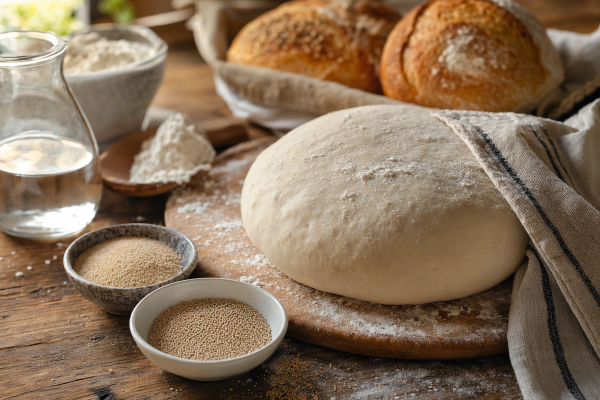
#If we're talking classic everyday dough, just whole wheat atta and water with maybe salt and a little oil, this is the most forgiving version. I usually mix it, knead for a few minutes, cover it, and leave it on the counter for 20 to 30 minutes. That's my sweet spot. It relaxes enough to roll beautifully, and I don't start stressing. If lunch gets delayed, I might leave it up to 1 hour in a warm summer kitchen, maybe 90 minutes if the room is cool-ish and the dough looks and smells normal. But once we're creeping toward the 2-hour mark, I'm putting it in the fridge. No heroics. No weird faith-based food safety.
My personal rule now is this: rest on the counter for texture, refrigerate for timing. That one little mindset shift has saved me a lot of sketchy dough and a lot of guilt.
When you should absolutely be more cautious
#Now if your dough has yogurt because you like softer rotis, or milk, or grated bottle gourd, spinach puree, beetroot puree, mashed potato, leftover dal, or any of those clever add-ins people use now, then the clock moves faster. Those ingredients can boost moisture and nutrients for bacteria and yeasts. They can also make the dough seem okay longer than it really is because softness isn't the same thing as safety. In summer, I really wouldn't leave enriched or vegetable-based roti dough out longer than 1 hour. Less if your kitchen is super hot. Same goes for dough that's been handled a lot with warm hands and left uncovered. Sorry, but yeah, all of that matters.
The signs your roti dough has gone off a bit... or a lot
#- A strong sour smell, not just a mild wheaty or slightly fermented scent
- Visible drying on top plus odd wetness underneath, which sounds dramatic but happens
- Unexpected stickiness even though the hydration was normal when you made it
- Greyish discoloration or any specks that weren't there before
- Tiny bubbles or puffiness when you didn't mean to ferment it
- A slimy feel. This one is an instant nope, please don't try to save it
And yes, I know food bloggers always say trust your senses. That's partly true. But also, not all harmful microbial growth announces itself with a bad smell. So if the dough has been sitting out too long by timing alone, that's enough reason to ditch it. I hate wasting food, really I do, but wasting one bowl of dough is better than spending your night regretting your life choices.
What I do now in actual real-life summer kitchens
#My current routine is boring but solid. I use cool water, not warm. I knead the dough, rub a tiny bit of oil over it, cover it well, and let it rest 20 to 30 minutes on the counter if I'm cooking soon. If plans are fuzzy, I pop it in the fridge after that rest. Then I pull it out 15 to 20 minutes before rolling so it loses that fridge stiffness. This works really well, and honestly the rotis are more consistent too. A lot of people think cold dough is a disaster, but if you give it a short warm-up, it's mostly fine.
Sometimes I portion the dough into balls before refrigerating, sometimes not. Balls are convenient but they can dry out if not covered super well, so a sealed container is your best friend. And if the weather is brutal, like heatwave-level hot, I skip room-temp resting almost entirely and just do a shorter bench rest in the coolest room available. Sounds extra, maybe, but 2026 summers have been intense in a lot of places and home cooks are adapting. People are already talking more about ingredient storage, heat-safe prep, and low-energy cooking online, not just trendy flavors.
A quick note on current food trends, because even roti has trends now somehow
#I keep seeing 2026 food media obsess over high-fiber flatbreads, climate-smart grains, and gut-friendly fermentation. Some of that is genuinely useful. More cooks are experimenting with blends like atta plus millet, sorghum, barley, or chickpea flour for everyday rotis. Lovely idea, but just know these blends can behave differently in heat. Higher-fiber and gluten-light doughs can dry out faster or go oddly tacky if over-rested. Fermented doughs are having a big moment too, especially sourdough-adjacent everything, but traditional roti generally doesn't need a long ferment. In summer, trying to force a trend onto a dough that was meant to be quick can end in sadness. Or in sticky circles that look like maps of broken countries. Been there.
I've also noticed restaurants leaning hard into regional breads again, which I LOVE. The newer wave of Indian restaurants and modern South Asian cafes opening in major cities are making room for phulka, roomali, missi roti, bajra roti, makki variations, all of it, instead of treating bread as just the side thing. A recent opening near me did a table-side phulka puff and the whole room stared like it was dinner theater. Maybe a little silly, yes, but also delightful. And it reminded me how much technique and timing matter in simple breads. Roti isn't basic. It only looks basic when someone is very good at it.
Fridge timing, freezer timing, and the actually useful storage rules
#If you need to make dough ahead in summer, the refrigerator is the answer. Plain roti dough usually keeps pretty well for about 24 hours, and often up to 48 hours if it was cleanly handled and tightly covered. The flavor may get a little more developed by day two, slightly earthy, slightly wheaty, occasionally faintly tangy. I don't mind that. Some people do. Dough with yogurt or vegetables, I'd try to use within 24 hours. Freezer works too, especially portioned dough balls wrapped well and stored airtight. Thaw in the fridge, then bring toward room temp before rolling. Not glamorous, but very practical.
- Counter in summer: 20 to 30 minutes ideal rest, 1 to 2 hours max for plain dough depending on room heat
- Counter in extreme heat: 1 hour max, and I'd personally go shorter
- Fridge: 24 hours best quality, up to 48 for plain dough if handled properly
- Freezer: around 1 to 2 months for decent quality, though fresher is nicer
Restaurants taught me this too, weirdly enough
#One of my favorite little roti lessons came not from home but from watching a cook in a tiny Punjabi spot absolutely fly through service. This was one of those places where the dal tastes like someone cared, you know? Nothing flashy. Anyway, I asked how they keep dough so soft all day and he laughed and basically said they don't leave one batch out all day, they rotate smaller batches and protect them from heat. Which felt obvious after he said it. Home cooks often make one giant dough and let fate handle the rest. Restaurants, the smart ones at least, think in batches. That changed how I prep for family dinners now.
And since we're talking food adventures, I need to say I still get emotional over really good fresh roti in restaurants. Not the dry stack under a towel for too long, not the oily one trying too hard, but the soft, warm, slightly blistered roti that arrives with steam inside. Ugh. Perfect with dal, with achaar, with sabzi, with basically anything. Me and my friend once planned a whole dinner around one new South Asian restaurant opening because they'd posted a video of puffed phulkas and we were like, yep, sold. This is who we've become.
If you accidentally left it out, here’s how I'd decide
#Let's say you forgot your dough on the counter. It happens. First, think timing before vibes. How many hours, and how hot was the room? If it's under 2 hours and it's plain dough and the kitchen wasn't blazing, chances are it's okay. If it's over 2 hours in summer conditions, I'd usually toss it. If it included yogurt or veg, I'd be stricter. If it's over 1 hour in really intense heat, again... probably not worth the risk. Then check smell, texture, appearance. Any sourness, slime, weird bubbles, or discoloration means done. No second chances. Dough is cheap. Your stomach is not.
A few little tricks that make summer roti easier
#- Use cold or cool water when mixing, not warm water in summer
- Cover dough tightly so the surface doesn't crust while the inside gets sticky
- Make smaller batches if you're cooking for a long meal or staggered family dinner
- Rest it in the coolest corner of the kitchen, away from the stove and sun
- If your kitchen is roasting, refrigerate sooner and bring back out briefly before rolling
- Don't add extra flour too fast when dough gets sticky after over-resting, because sometimes that just makes the cooked roti dense and sad
That last one, whew, learned that one the hard way too. I kept trying to fix overheated dough with more dry flour and ended up with tough little frisbees. Not ideal. Better to stop the problem earlier than rescue it later.
So... can roti dough be left out in summer?
#Yes, but only briefly. For most plain roti doughs, a short counter rest is not just safe enough, it's helpful. Aim for 20 to 30 minutes, maybe up to 1 or 2 hours max depending on how hot your kitchen is. In very hot weather, stay closer to 1 hour or less. If the dough has yogurt, milk, or vegetables, shorten that window and refrigerate fast. If it's been out too long, toss it even if it seems mostly okay. I know that answer isn't romantic. It doesn't have the cozy old-world feel of dough under a damp cloth all afternoon. But it's the sensible answer, and these days I kinda respect sensible more than I used to.
Anyway, that's my very lived-in take from many rotis, a few mistakes, and an unreasonable amount of staring at dough in hot weather. If you're making rotis this summer, may they puff beautifully and may your kitchen not feel like the surface of the sun. And if you like this kind of chatty food rambling, go wander around AllBlogs.in too, there's always something tasty to fall into over there.