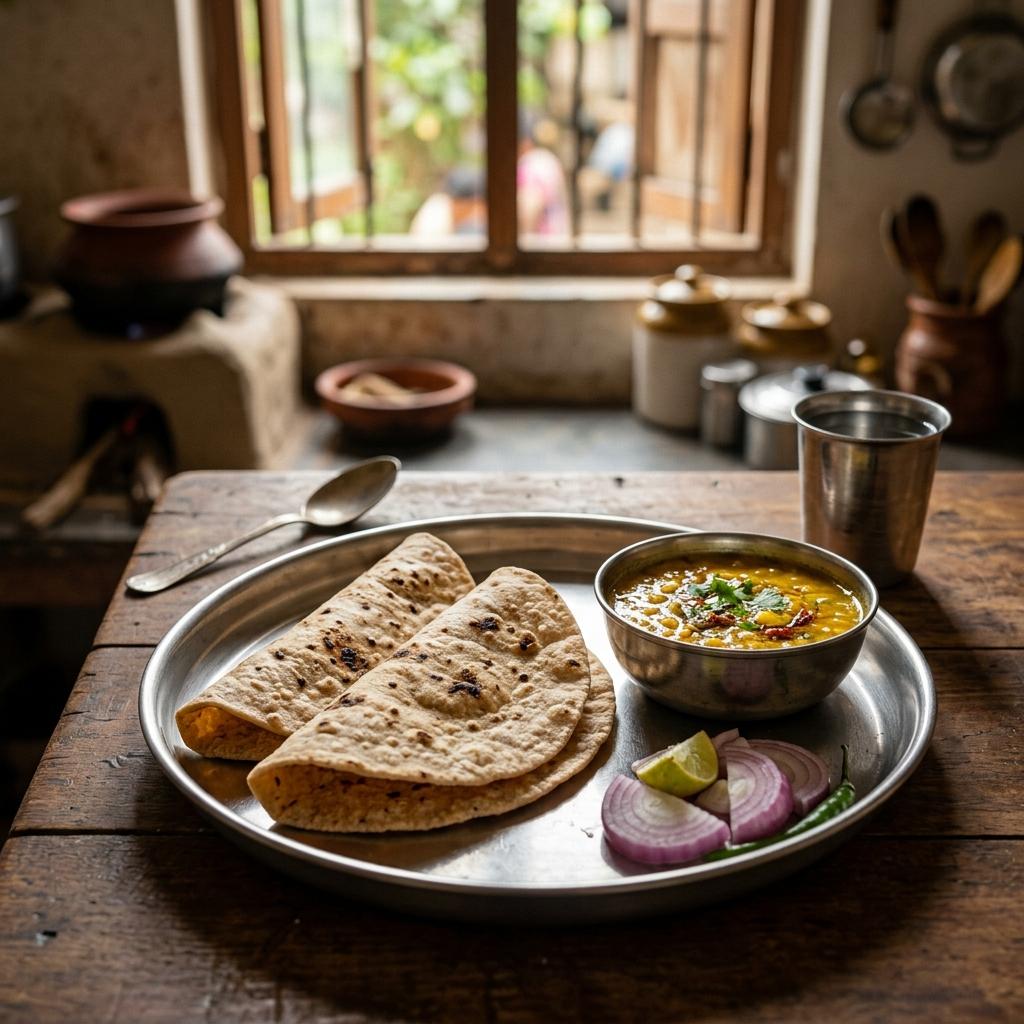
Quick answer: “Do jun ki roti” means having enough food for two meals a day — basic survival, dignity, and daily livelihood. The phrase is often written online as “2 June ki roti,” but it is not really about the date June 2. In this idiom, “jun” is commonly understood as “time” or “meal,” as in two meal-times.
If you searched for “2 June ki roti” because you saw a meme, a caption, or a family WhatsApp forward, you are not alone. The phrase sounds like it should mean “bread of 2 June,” which is why it becomes funny every year when the calendar reaches June 2. But the older, more useful meaning is much simpler and much deeper: a person wants enough to eat twice a day.
What does “do jun ki roti” mean?
#“Do jun ki roti” is a Hindi idiom used for the basic food a person needs every day. In everyday English, you could translate it as:
- two meals a day
- basic daily bread
- enough food to survive
- a modest livelihood
- the minimum dignity of not going hungry
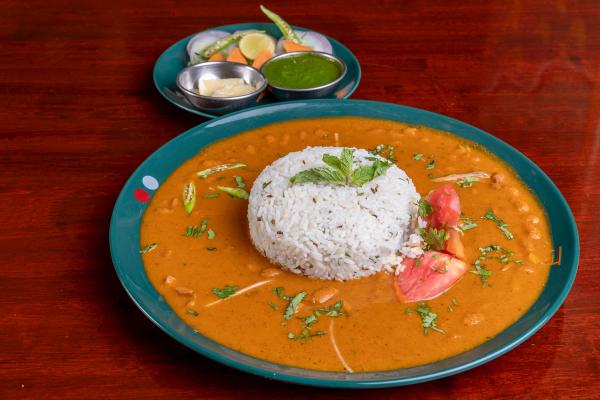
The phrase does not mean luxury. It does not mean a fancy thali, restaurant meal, or festival spread. It points to the ordinary, humble plate that keeps a household going.
When someone says, “Bas do jun ki roti mil jaye,” they usually mean, “I just want enough to feed myself and my family.” There is a quiet seriousness in it. It can carry fatigue, hope, struggle, or gratitude depending on the situation.
Why do people write it as “2 June ki roti”?
#Because “do jun” and “2 June” sound almost the same when spoken casually. Online, people often type what they hear. Once the phrase becomes “2 June ki roti,” it starts looking like a calendar joke.
That is why you see posts like:
- “Aaj 2 June hai, roti kha lo.”
- “Finally, 2 June ki roti mil gayi.”
- “People waited all year for 2 June ki roti.”
These jokes work because the written form tricks the eye. But the idiom itself is not about one special date. It is about the everyday need for food.
So is it “do jun,” “do joon,” or “2 June”?
#For meaning, “do jun” or “do joon” is the better way to understand it. The exact spelling may vary because the phrase is used across Hindi-speaking regions and appears in informal writing more often than in formal grammar lessons.
“2 June” is a playful modern spelling, not the core meaning.
A simple way to remember it:
- Do = two
- Jun / joon = meal-time or time of eating in the idiom
- Roti = bread, but also a symbol of food and livelihood
Together, it means food for two meal-times.
Why roti became the symbol
#In many Indian homes, roti is not just one food item. It stands for the meal itself. When people say “roti,” they may be talking about food, income, work, or the ability to run a household.
That is why we also hear phrases like:
- “rozi-roti” — livelihood
- “roti kamaana” — to earn a living
- “ghar ki roti” — simple home food
- “roti ka sawaal” — a matter of survival
Roti is ordinary, but emotionally powerful. A soft phulka on a steel plate may look simple, yet it represents effort: someone earned, someone cooked, someone shared, someone ate.
How to use the idiom naturally
#Here are a few realistic examples:
1. To talk about basic livelihood
#“Woh shehar isliye gaya tha ki do jun ki roti kama sake.”
Meaning: He went to the city so he could earn enough for basic meals.
2. To describe hardship
#“Bahut logon ke liye aaj bhi do jun ki roti mushkil hai.”
Meaning: For many people, even two meals a day can still be difficult.
3. To express modest expectations
#“Mujhe zyada nahi chahiye, bas do jun ki roti aur chain ki neend.”
Meaning: I do not need much — just enough food and peaceful sleep.
4. To show gratitude
#“Kam se kam do jun ki roti mil rahi hai, yahi bahut hai.”
Meaning: At least we are getting two meals a day; that itself is a lot.
The tone matters. It can sound grateful in one sentence and painful in another.
What the phrase does not mean
#It does not mean “a special roti eaten on June 2.”
It does not refer to a festival dish.
It does not mean a recipe.
It does not mean that roti has to be eaten exactly twice.
And it definitely does not mean there is some rule about making chapati on June 2.
The phrase is metaphorical. “Roti” stands for food. “Do jun” stands for enough daily meals.
Why the phrase still feels relevant
#Some idioms survive because they are useful. “Do jun ki roti” survives because hunger, work, inflation, migration, dignity, and household pressure are still real parts of life.
A student moving to a new city may understand it. A daily-wage worker understands it differently. A parent budgeting groceries understands it deeply. Even a person with a stable job may use it lightly when talking about earning enough to live simply.
That is the strength of the phrase: it fits both literal struggle and everyday conversation.
Is it a sad phrase?
#Not always.
It can be sad when it points to hunger or poverty. But it can also be humble, grounded, even peaceful. In many families, saying “do jun ki roti mil jaye” is a way of saying: we do not need show-off comfort; we need stability.
The phrase is small, but the feeling behind it is big.
English equivalents
#No English phrase matches it perfectly, but these come close:
- daily bread
- bread and butter
- two square meals a day
- earning enough to eat
- basic livelihood
“Two square meals a day” is probably the closest in plain meaning. “Daily bread” is closer in emotional and cultural feeling.
Why it becomes a meme every June 2
#The calendar gives the internet an easy joke. On June 2, people notice that “2 June” looks exactly like the misunderstood spelling of “do jun.” So the serious idiom becomes a light meme for one day.
That is fine. Language does this all the time. A joke can make people curious, and curiosity can bring them back to the real meaning.
The only mistake is thinking the joke is the full explanation.
A simple memory trick
#If you are confused, replace “do jun ki roti” with “two meals a day.”
For example:
“Usse do jun ki roti chahiye.”
Now read it as:
“He needs two meals a day.”
The meaning becomes clear immediately.
Final thought
#“Do jun ki roti” is one of those phrases that looks tiny but carries a whole life inside it. It is about work, food, family, and the minimum comfort every person hopes for.
So the next time you see a “2 June ki roti” joke, smile at the wordplay — but remember the older meaning too. It is not about a date on the calendar. It is about the everyday wish that no one should have to sleep hungry.