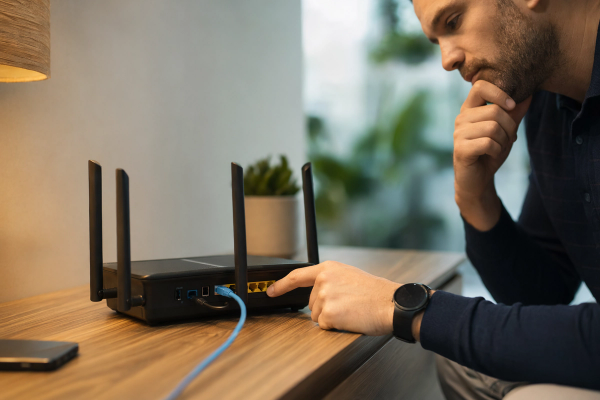
Every year I tell myself, okay, this summer won't feel that bad. And every year India is like, lol, try again. But 2026 has felt different somehow. Not just hotter, but more tech-y around the heat, if that makes sense. People aren't just buying a random cooler and praying anymore. They're checking star ratings, inverter compressor maps, rooftop coatings, PM2.5 filters, backup batteries, smart plugs, app-based energy tracking, all of it. I got weirdly obsessed with this after my home office turned into a toaster last April and my Wi-Fi router literally thermal-throttled in the afternoon. That was my villain origin story, basiclly.
So this isn't some preachy survival manual. It's more like me sharing the stuff I've tested, the things I got wrong, and the gear/tricks that genuinely help when the power bill is scary and the hot wind outside feels like someone left a hair dryer on all day. Also, yeah, heatwaves in India are not a niche issue now. They're shaping how we buy appliances, how we design homes, how cities think about resilience, and honestly how me and my friends decide whether to go out at 2 pm. We don't. We simply do not.
First, the heat is real... and the numbers aren't just media drama
#If you've been following IMD alerts the last couple of years, you already know. Heatwave conditions have been coming earlier and lasting longer across a bunch of states. North, central, and parts of east India have all been seeing dangerous spikes, and warm nights are becoming a bigger problem too. That's the bit people underestimate. Daytime heat is awful, sure, but when your house doesn't cool down overnight, your body never really resets. I noticed this in Delhi during a visit last year, and again this season in Hyderabad. The walls themselves felt warm at midnight. Horrible.
What changed in 2026, at least from a consumer-tech perspective, is that cooling is becoming less about pure comfort and more about resilience. That's a fancy word, I know, but I mean practical survivability. Can your room stay tolerable during a power cut? Can you cool one zone instead of the whole house? Can you monitor indoor temperature and humidity cheaply? Can older parents use the system without fighting some terrible app UI? Those questions matter way more than just, you know, 'does it get cold fast'.
My biggest mistake: thinking AC tonnage alone was the answer
#I used to compare ACs like a noob. 1.5 ton, 3-star, okay done. That was me. Very galaxy-brain stuff. But then I actually started reading BEE ratings more carefully and paying attention to inverter behaviour, annual energy estimates, and ambient temp performance. In India, high ambient performance matters a lot because some units cool nicely at 35°C but struggle hard when outdoor temps push into the mid-40s. A couple of 2025 and 2026 model refreshes from major brands have been making a big deal out of cooling even at 52°C or 55°C ambient. Marketing exaggerates, obvously, but the point still stands: design for extreme heat matters now.
The sweet spot for a lot of urban homes in 2026 seems to be inverter split ACs with 5-star efficiency where budget allows, ideally with copper condensers, anti-corrosion coating if you live in humid/coastal places, and decent service support in your city. I know people love arguing brand wars online, but after one miserable service-center experience, my opinion is boring now: buy the one with reliable local after-sales, not just the one with the flashiest ad. Real life beats brochure life.
The best cooling gadget is the one that still works sensibly in Indian dust, voltage weirdness, and 46-degree afternoons. Fancy features come second.
Smart cooling, but not the gimmicky kind
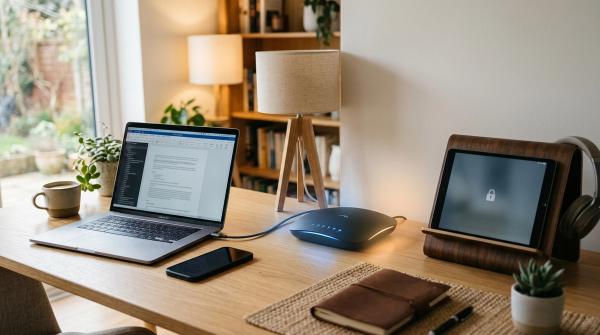
#Let me say something mildly controversial. A lot of smart-home stuff is nonsense until the weather gets brutal. Then suddenly it makes sense. I started using a couple of Matter-compatible smart plugs and one temperature/humidity sensor in my work room. Nothing fancy. But automating curtains to close before peak sun, switching a circulator fan on when indoor temp crosses a threshold, and tracking exactly when the AC compressor runs harder... that changed how I use cooling. It wasn't dramatic on day one, but over a month I could see patterns. West-facing room = pain cave after 3 pm. Router shelf = too hot. Blackout curtains = worth every rupee.
In 2026, interoperability is way less annoying than it used to be. Matter support has improved across a lot of ecosystems, and even if you're not deep into Home Assistant or Apple Home or Google Home, simple routines are easier now. If you are a nerd like me though, Home Assistant is still amazing. I set a tiny dashboard showing indoor temp, humidity, plug load, and UPS battery status. Totally unnecessary. Also very satisfying. My girlfriend said it looked like I was trying to launch a satellite from the spare bedroom, which... fair.
The low-cost stack I actually recommend to normal people
#Not everybody needs a fully connected smart home. Most people just need a few things that don't suck. Here's what has worked for me and a couple friends I bullied into trying it.
- A reliable temp + humidity sensor in the hottest room, because guessing is dumb and indoor humidity changes what heat feels like
- A smart plug with power monitoring for one major appliance or fan, so you can spot hidden energy waste
- Blackout curtains or reflective blinds on west/south windows, boring but absurdly effective
- A BLDC ceiling fan if you're replacing an old fan anyway, since power savings add up during long summers
- One good personal fan or air circulator aimed properly, not six random fans fighting each other
That last one matters more than people think. Air movement changes perceived comfort a lot. Sometimes raising AC setpoint from 22°C to 25 or 26°C while using a good fan feels almost the same, but uses much less power. Not always, but often enough. I didn't believe this till I tried it for real.
Air coolers are not dead, they're just very misunderstood
#I've seen so many 'AC vs cooler' debates online and they get silly fast. Air coolers still make sense in many dry regions and for many budgets. In parts of Rajasthan, inland Gujarat, some areas of Maharashtra, and dry north Indian stretches, a decent desert cooler can still be fantastic if ventilation is good. But in humid coastal cities? Ehh. They can turn your room into a sticky swamp monster. That's not a technical term, but it should be.
What's changed lately is that cooler design got a bit better. There are newer inverter-compatible models, honeycomb pad improvements, some better water-level management, and smarter airflow on premium units. Still, the basic physics hasn't changed. Coolers need dry air and ventilation. If your room is sealed, don't expect miracles. I remember trying to run one in a badly ventilated rental years ago and thinking the machine was broken. It wasn't. I was. Well, my setup was.
Power cuts, voltage dips, and the backup game nobody talks about enough
#Heatwave resilience in India isn't only about cooling devices. It's also about what happens when the grid is stressed. In some cities and peri-urban areas, that still means voltage issues or outages exactly when you need relief most. This is where a layered backup strategy helps. Not full-home luxury backup, I mean practical backup. A small inverter setup for fans, lights, internet, and one charging station can be life-saving during heat alerts. Add a DC or BLDC fan and suddenly your backup lasts way longer than with older loads.
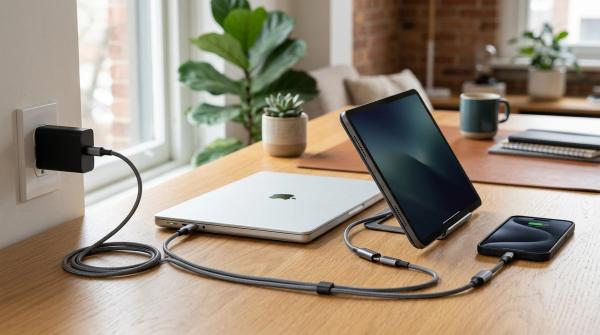
I also think portable power stations are finally becoming less toy-like in India, though prices are still kinda painful. More people are considering lithium-based backup for routers, work setups, and medical devices. If you work from home, keeping your internet alive and one fan running is honestly huge. During one outage I had only a compact UPS for networking gear plus a rechargeable pedestal fan, and weirdly that combo saved both my meeting and my mood.
- Prioritise backup for fans, router, lights, phone charging first
- If budget allows, add fridge backup planning next, especially for medicines and food safety
- Don't ignore surge protection and voltage stability, because replacing fried electronics is not fun at all
Passive cooling is less sexy than gadgets, but wow it works
#Okay, this is where I sound 80 years old. Shade your windows. Seal hot air leaks. Insulate the roof if possible. Use cool-roof coating. Add balcony shading. Plant things. There, I said it. These aren't exciting in the way a new app-controlled AC is exciting, but in Indian summer they can make a room massively easier to cool. Several cities and state programs have been pushing cool roof ideas for exactly this reason, especially in heat-vulnerable neighborhoods. White or reflective roof coatings can cut roof surface temperatures a lot, and indoor temperature reduction of a few degrees is not trivial when you're dealing with dangerous outdoor heat.
One friend in Ahmedabad had a reflective roof treatment done before last summer, and he swears the top-floor room became actually usable in late afternoons for the first time. Is every product equally good? Nope. Some are overhyped. But the overall idea is sound. If I had to spend on one big non-gadget heat upgrade for a top-floor home, roof treatment would be pretty high on my list.
Don’t forget indoor air quality, because shutting the house all day has tradeoffs
#This part surprised me when I started keeping windows shut longer to block hot air. Indoor air can get stale fast, and if you live near traffic or construction, you already know the dust situation is unhinged. So now the summer setup in a lot of urban homes is kinda hybrid: seal out peak-day heat, but manage ventilation early morning or late evening, and use filtration if needed. A purifier with a true HEPA-grade filter can help in dusty city apartments, though you do pay for it in filter replacement. Again, not every home needs one, but for allergy people, old folks, or babies, it can be worth it.
Also please, please clean AC filters regularly in summer. I ignored mine once for too long and airflow dropped enough that I kept lowering the setpoint like an idiot instead of fixing the obvious problem. More cooling complaints are maintenance complaints than people admit.
What I’d buy in 2026 if I was starting from scratch on a normal budget
#Not saying this is the one true setup. It's just what makes sense to me after too much research and too many sweaty afternoons.
- For a bedroom: a right-sized inverter split AC, preferably high efficiency, paired with a good ceiling fan and blackout curtains
- For a rental or lower budget setup: a quality BLDC fan, reflective curtain film if allowed, window sealing where possible, and a personal desk fan for direct comfort
- For dry-heat regions: a proper desert cooler with cross ventilation, not a tiny underpowered box that just makes noise
- For backup: inverter/UPS for essentials, rechargeable fan, and router backup
- For monitoring: one sensor, one smart plug, and maybe an app or dashboard if you're a dork like me
I would not overspend on app features I'll never use. I would spend on efficiency, serviceability, and making one room truly survivable. That's the key shift in my thinking. You don't always need to cool the whole home equally. During extreme heat, a safe cool zone matters most.
Heat resilience is also social, not just technical
#Tech people, me included, sometimes act like every problem can be solved with the correct gadget stack. Not true. The best heatwave plan includes checking on older family members, making sure domestic workers, delivery folks, guards, and outdoor workers have water and shade access, and knowing local heat alerts. Schools, RWAs, offices, and apartment groups are slowly getting better at this. Some are putting temp displays in common areas, shifting maintenance work timings, or creating cooled community rooms. That stuff matters just as much as my cute little sensor graphs.
And honestly, one of the more hopeful trends in 2026 is that climate adaptation isn't this abstract policy-only thing anymore. It's entering consumer tech, housing design, municipal planning, even startup culture. There are companies working on smarter building materials, better thermal monitoring, battery backup products, efficient fans, and affordable sensor networks. Not all of it will land. Some of it will flop hard. But the direction feels right.
My final heatwave rulebook, kinda messy but real
#If I had to boil all this down after a few sweaty years of trial and error, it'd be this: reduce heat gain first, move air second, cool efficiently third, and plan backup before you think you need it. Measure your room instead of guessing. Don't buy for marketing slogans. Don't run a cooler in a sealed humid room and then write angry reviews. Clean your filters. Protect your router. Keep oral rehydration salts around. Make one room your recovery zone. And if you're a nerd, sure, automate some of it, because actually there is something weirdly comforting about your home quietly preparing for the worst part of the afternoon before you even notice.
Anyway, that's my very human, slightly chaotic India heatwave guide for 2026. Not perfect, probably missed a few things, but these hacks have genuinely helped me spend less, sweat less, and panic less when the forecast starts looking rude. If you're into this intersection of climate, gadgets, and practical home tech, I ramble about similar stuff all the time and you can find more reads over on AllBlogs.in.