Kyrgyzstan surprised me. Properly surprised me. I went thinking it would be this “cheap mountain country near Kazakhstan” type destination where I’ll see a lake, click some pics, come back. But no. It got under my skin a little. Snowy peaks, green jailoos, old Soviet style buildings in Bishkek, chai in random roadside cafes, horses everywhere, and that quiet kind of beauty that doesn’t shout for attention. For Indians wanting an international trip without destroying savings, Kyrgyzstan is honestly one of the best options right now. Flights aren’t always dirt cheap from every city, yeah, but once you land there, the daily cost can be way more manageable than many people expect.
And this post is not one of those super polished “perfect itinerary” things. Mine wasn’t perfect either. I overpacked, underestimated the cold near Issyk-Kul, and on day 3 I paid extra for a taxi because me and my friend were too tired to bargain. Happens. But if you want a realistic Kyrgyzstan budget travel guide for Indians with a 6-day plan, actual cost sense, food tips, transport hacks, safety notes, and what I’d do differently now... this is for you.
Why Kyrgyzstan makes sense for Indian budget travelers
#First thing, the value-for-money is solid. Compared to Europe, obviously way cheaper. Compared to Dubai or Thailand in peak periods, still often a better deal if your main goal is nature, fresh air, road trips and something that feels a little unexplored. A lot of Indians are discovering Central Asia now, and Kyrgyzstan is getting attention because it’s scenic, visa rules have become easier for many travelers depending on passport/visa status, and Bishkek is quite manageable even if it’s your first time in the region. Still, always check the latest visa policy from official sources before booking, because these things can change and people online love giving outdated gyaan.
- Good for 5 to 7 day trips if you don’t want long leave from office
- Nature is the main hero here, not malls or nightlife
- Indian food exists in Bishkek, but local food is cheaper and worth trying
- Shared taxis and marshrutkas keep costs low if you have patience
- Best months for a first trip are usually late spring to early autumn, especially May to September
Winter is beautiful too, but not ideal for every budget traveler because transport gets trickier, some areas are less accessible, and if you’re not used to proper cold, bhai, it can hit hard. For most Indians, June to September is the easiest sweet spot. Green landscapes, open roads, yurt stays running, lake areas lively. Shoulder season can be cheaper though, so if you’re okay with slightly unpredictable weather, that’s also not bad at all.
Before you go: money, SIM, safety, and a few things Indians should know
#Let me get the practical stuff out first because this is where people waste money. Currency is Kyrgyzstani Som. Don’t exchange too much at airports if the rate looks meh. In Bishkek city, exchange options are better. Cards worked in many places in the capital, but outside Bishkek and in smaller villages, cash is still king. Carry some smaller notes too. I made the classic mistake of trying to pay a small cafe with a larger note and the aunty there looked at me like I had personally created inflation.
For SIM cards, I found local data affordable and useful. Beeline and Mega type providers are common, and airport kiosks or city shops can sort it quickly if your phone is unlocked. Download offline maps before leaving India anyway. Internet in Bishkek was mostly fine, but once you head toward canyons, lake roads, or remote guesthouses, signal can get patchy. Safety wise, Kyrgyzstan felt quite okay to me. Bishkek has the usual city precautions, keep an eye on wallet, avoid empty spots late at night, don’t get overfriendly with drunk strangers, normal stuff. In tourist regions I found people helpful, sometimes reserved at first, then suddenly super warm over tea.
If you’ve only done city-heavy international trips, Kyrgyzstan feels different. It’s slower, rougher around the edges, less performative... and that’s exactly why it stays with you.
My rough budget from India: what a 6-day Kyrgyzstan trip can cost
#This depends a lot on flights, and flights are the annoying part. From Delhi, prices are often better than from smaller Indian cities. If you book decently in advance, a return flight can sometimes land in a reasonable range, but if you book late or in holiday season, then budget planning goes for a toss. On-ground costs, though, are where Kyrgyzstan wins. For a budget to mid-budget style trip, this is a realistic broad range I’d tell a friend.
| Expense | Budget Range for 6 Days | Notes |
|---|---|---|
| Return flights from India | ₹22,000 - ₹40,000+ | Biggest variable, book early if possible |
| Stay | ₹1,200 - ₹3,500 per night | Hostels cheapest, guesthouses great value |
| Food | ₹700 - ₹1,800 per day | More if you keep hunting Indian meals |
| Local transport | ₹4,000 - ₹10,000 total | Depends on shared taxis vs private tours |
| SIM, small extras, entry fees | ₹2,000 - ₹5,000 | Keep buffer |
| Overall rough total | ₹38,000 - ₹75,000 | Can be lower with strict budgeting and group sharing |
If you’re traveling with 2 or 3 friends, private day tours or cabs become way more affordable when split. Solo is still possible, just slightly more planning needed. Honestly, for many Indians, the smartest move is to spend less in Bishkek and save your budget for transport to natural places. The city is nice, but the mountains and lakes are the real payoff.
My 6-day Kyrgyzstan plan for Indians on a budget
#Day 1: Land in Bishkek, take it easy, don’t overplan
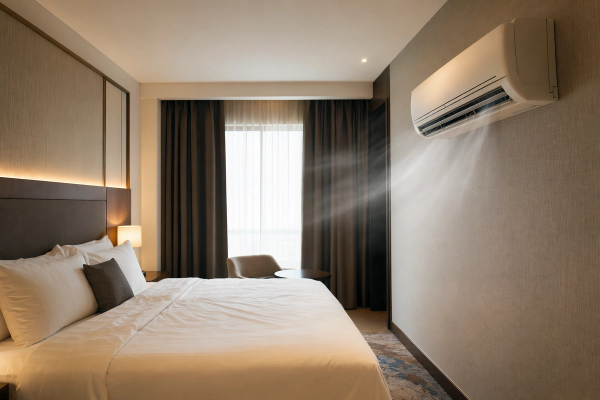
#I landed in Bishkek and did the very sensible thing of pretending I had full energy. Bad idea. If your flight timing is awkward, keep day 1 light. Stay in Bishkek city, preferably around a central area so you can walk a bit and not spend too much on cabs. Budget hostels and simple guesthouses are available, and many are clean enough, comfortable, and include breakfast. I stayed in a modest guesthouse, not fancy at all, but warm, helpful staff, and they even helped us find a driver for later days.
Spend the first day seeing Ala-Too Square, Oak Park, maybe Osh Bazaar if you enjoy a bit of chaos. Osh Bazaar felt oddly familiar to me, like a mashup of old Delhi energy and Soviet leftovers. You’ll find dry fruits, spices, bread, random household items, and plenty of opportunities to buy something you absolutely do not need. Eat local food on day 1 if you can. Samsa, lagman, plov, fresh bread, tea. If you’re vegetarian, options are there but limited in some places, so communicate clearly. Bishkek has cafes with salads, breads, noodles, and potato-based dishes that can save you.
Day 2: Ala Archa National Park day trip from Bishkek
#This was one of my favorite low-effort, high-reward days. Ala Archa is close enough to Bishkek for a day trip and gives you that dramatic Kyrgyzstan mountain feeling without complicated logistics. We went by hired taxi because we were short on time, but if you’re really budget conscious, there are combinations of public transport plus taxi that can reduce cost. Start early. The later you go, the more rushed it feels.
The air there... wow. I know every travel blog says that about mountains, but this was the kind of cold clean air that makes your lungs feel reset. Trails vary from easy walks to more serious hikes. Don’t act oversmart with footwear. I saw people in casual sneakers slipping around and looking miserable. Carry water, a light jacket even if Bishkek feels warm, and some snacks. Return to Bishkek by evening. Dinner can be cheap if you eat at a canteen-style spot or local cafe. This day is great because you get big scenery without needing to change hotels.
Day 3: Bishkek to Issyk-Kul via Burana Tower or scenic stops
#Now the trip starts opening up. Issyk-Kul is massive, beautiful, and kind of unreal in some weather. A lake that looks like sea from certain angles, with mountain backdrop... not bad, not bad at all. We took a road journey toward the Issyk-Kul region and stopped at Burana Tower on the way. It’s one of the easier cultural stops to include, and if you like Silk Road history even a little bit, it adds depth to the trip. Not just mountains all the time.
For budget travelers, this is where decisions matter. You can do shared transport and save money, or hire a private car and save time. We chose a shared-cost car because with luggage and limited days, convenience won. If you’re going to Cholpon-Ata or another north shore base, book accommodation ahead in peak season. Guesthouses are the sweet spot here. You’ll find simple rooms, family-run stays, and some cottage-style places. Budget options can start low, while nicer lakeside properties obviously jump up. If traveling in summer holidays, don’t leave it too late. Rooms do fill faster than people assume.
Day 4: Issyk-Kul, Cholpon-Ata, and slow travel mode
#I think this was the day Kyrgyzstan really clicked for me. We didn’t do anything insanely dramatic. Walked by the lake, had long tea breaks, looked at the changing light on the water, talked nonsense, took a shared ride nearby, and just existed a bit. Sometimes travel blogs make everything sound like you must maximize every hour. Nah. Issyk-Kul deserves one slower day.
If you want activities, you can check out petroglyph sites near Cholpon-Ata, small beaches, boat rides in season, or horse-related experiences depending on where you stay. Summer gets more domestic and regional tourists here, so it has a lively but not too crazy atmosphere. Food around Issyk-Kul was simple and filling. Fish is popular in some places. We also had bread, salads, grilled meat, tea, and one very random pizza that was... okay-ish. Not every meal will be memorable, and that’s fine. If you’re strict vegetarian or Jain, pack backup snacks from India. Really. This is one thing I’d say without hesitation.
Day 5: Canyon or village experience, then head back toward Bishkek
#On day 5, try adding one landscape-heavy stop before returning. Konorchek Canyon is a solid option from the Bishkek side if your route allows, and Skazka Canyon is popular from the Issyk-Kul side if you move along the southern shore. We did a canyon area and, honestly, the colors looked almost fake in afternoon light. Red-orange rock, huge open space, dry wind, and then later snow peaks again in the distance. Kyrgyzstan has this annoying habit of making your camera roll explode.
If canyons feel too rushed, choose a village guesthouse stop or yurt stay instead. A proper yurt experience can be one of the most memorable parts of the trip, especially if the host family includes dinner and breakfast. This was not ultra-luxury glamping or Instagram nonsense, just a simple setup, warm food, and stars overhead. Bit cold at night though. I did not pack enough layers and spent a while pretending I was comfortable. I was not comfortable.
Day 6: Back in Bishkek for food, shopping, and flight buffer
#Please keep some buffer before your return flight. Roads in Kyrgyzstan are scenic, yes, but mountain weather and long drives are not things to gamble with on departure day. We returned to Bishkek, bought chocolates and small souvenirs, had one final good meal, and did the classic “should we move here for 3 months and become peaceful people?” conversation that every tired traveler has.
For shopping, don’t expect flashy luxury. Think local markets, felt products, small handicrafts, dry fruits, tea, magnets, wool stuff. If you want Indian food before flying back, Bishkek has a few Indian and South Asian restaurants, especially because there are Indian students and expats around. But prices there are usually higher than local cafes. Worth it maybe for one comfort meal, not for every day if budget is tight.
Where to stay on a budget in Kyrgyzstan
#In Bishkek, hostels, guesthouses, and mid-range hotels are all available. Budget dorms can be very affordable, private rooms in simple places are usually better value if you’re two people, and mid-range boutique-ish stays exist too. Around Issyk-Kul, family-run guesthouses are what I’d recommend most for Indians trying to balance comfort and cost. They often include breakfast, and hosts may help with transport or local advice. Read recent reviews, especially for heating, hot water, and cleanliness. What looks cute in photos can turn out very different, you know how booking sites are.
- Bishkek hostel dorms: often the cheapest option
- Guesthouses in Bishkek: best value for couples or friends
- Issyk-Kul family stays: good for local meals and a more personal vibe
- Yurt camps: memorable, but check bedding, toilet setup, and weather conditions first
Food tips for Indians: what to eat, what to be ready for
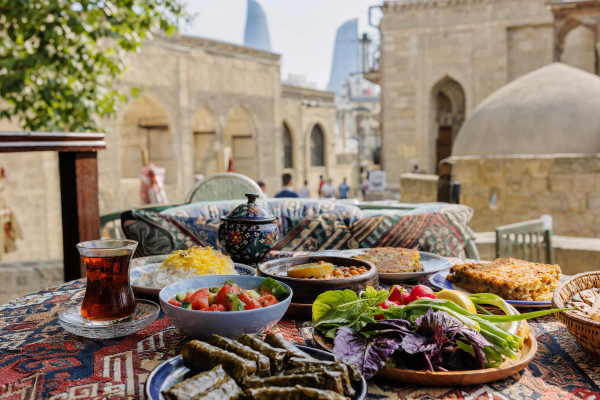
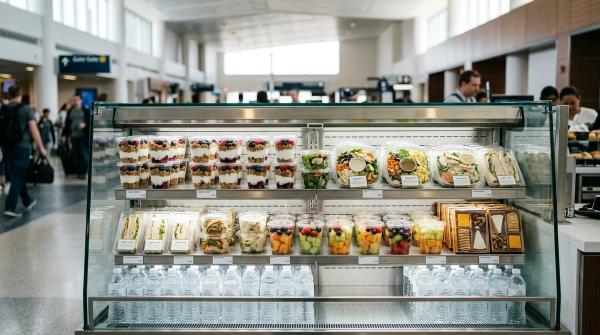
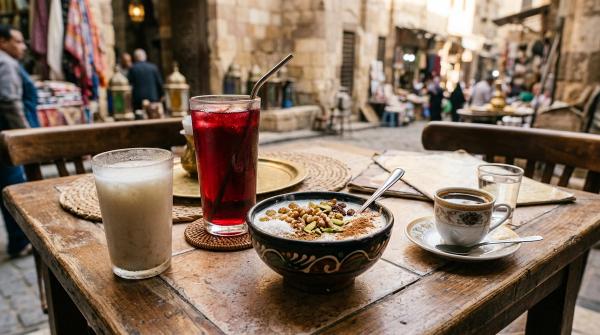
#Kyrgyz food is meat-heavy, let’s just say that openly. If you eat chicken or mutton, you’ll manage easily enough. If you’re vegetarian, still possible, just not always exciting. Expect bread, soups, salads, potatoes, noodles, rice dishes where you may need to request no meat, and lots of tea. Plov, lagman, manti, samsa, shashlik, borsok bread snacks, all common. Portions can be generous. Street food and small cafes can be cheap, but choose busy places where food turnover is good. We didn’t face any serious stomach issues, maybe because we avoided anything that looked like it had been sitting there since the Soviet Union.
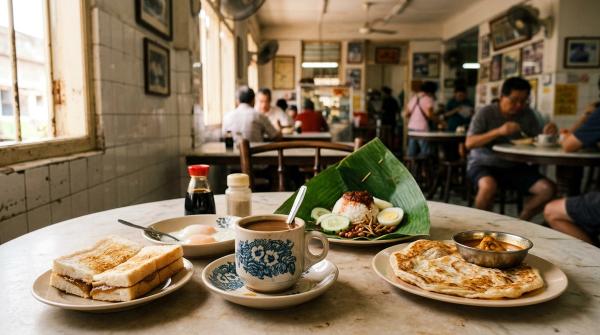
One weirdly useful tip for Indians: carry achar sachets, thepla, khakra, cup noodles, or ready poha if you have dietary issues. Sounds dramatic, but after 3 or 4 days, some familiar taste helps. Also, chai culture there is strong, which made me happy. Different from our cutting chai vibes obviously, but tea is everywhere and somehow always welcome in cold weather.
Transport reality: cheap if you’re flexible, easier if you split costs
#Marshrutkas, shared taxis, Yandex-type taxi apps in cities, private drivers, organized tours... all are part of the mix. Public transport is cheapest but slower and less intuitive at first. Taxi apps in Bishkek were useful and usually cheaper than random street bargaining. For longer intercity travel, many travelers either use shared taxis or hire a driver for the day. If you’re 3 or 4 people from India together, this becomes very practical and not too expensive per head. Also safer feeling than trying to figure out every transfer with luggage.
One small thing. Distances on the map can fool you. A route that looks manageable can still take a while because mountain roads aren’t highway-smooth the whole way. Build in extra time. Don’t do the Indian thing of assuming “haan ho jayega” for every connection. Sometimes it will not ho jayega.
Safety, culture, and little etiquette bits that matter
#Kyrgyzstan felt welcoming, but respectful behavior matters, especially in villages and family-run stays. Dress normally, not obsessively conservative, but don’t behave loudly in a way that screams careless tourist. Ask before photographing people closely. Learn a few words if you can, even basic hello/thanks style phrases in Russian can help. English is not guaranteed outside tourist circles, and that’s okay. Translation apps do a lot of heavy lifting.
As for current travel conditions, the country continues to attract more regional tourism and adventure travelers, and the main tourist circuits like Bishkek, Ala Archa, Issyk-Kul and common road routes are generally considered manageable for visitors. Still, weather changes fast in mountain areas, road trips need common sense, and border region updates should always be checked if you’re planning anything offbeat. I’d say for a standard 6-day first trip, it felt safe enough, friendly enough, and refreshingly not overcommercialized.
So... is Kyrgyzstan worth it for Indians?
#Yes. Easily yes. Especially if you’re tired of the same international itineraries and want a trip that gives you nature, culture, road journey vibes, and a little breathing room without requiring honeymoon-level spending. It’s not the place for luxury addicts, and it’s not ideal if you need constant shopping or nightlife. But if mountains calm your brain, if lakes and open roads make you weirdly emotional, if you enjoy countries that still feel a bit raw and real, then Kyrgyzstan is such a good pick.
My honest advice? Don’t cram too much. Keep Bishkek, Ala Archa, and Issyk-Kul at the core for a 6-day first visit. Eat local when you can, carry backup snacks when you must, split transport smartly, and leave some room for random moments. Those random moments ended up being my favorite part anyway. If you want more travel stories and desi-style practical guides like this, have a look at AllBlogs.in. Pretty useful stuff there, not gonna lie.