So, um, let’s just get this out of the way first: yes, we’re talking about lamb brain today. Not lamb chops, not shanks, not some safe lil’ biryani situation. Brain. Masala. And honestly, I’m weirdly excited about it.
If you’d told teenage me that 20‑something years later I’d be writing a long love letter to lamb brains on the internet in 2026, I would’ve laughed and gone back to my boneless-skinless-chicken-breast era. But food trends change, we grow up, and nose‑to‑tail is kind of having a moment again. Between the whole 2025 “zero waste” restaurant awards, and the 2026 offal tasting menus popping up in London, Mumbai, Melbourne, everywhere… brains are quietly creeping back from grandma’s kitchen into the spotlight.
My First Time Eating Lamb Brain (I Was Lowkey Terrified)
#I still remember the first time I tried lamb brain masala. Me and my cousin went to this tiny, completely unassuming Muslim joint in Old Delhi, right behind the Jama Masjid side lanes. It was one of those places that looks like time forgot it: flickery tube light, metal thalis stacked in the corner, a menu that hasn’t changed since, I swear, the 80s.
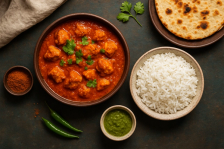
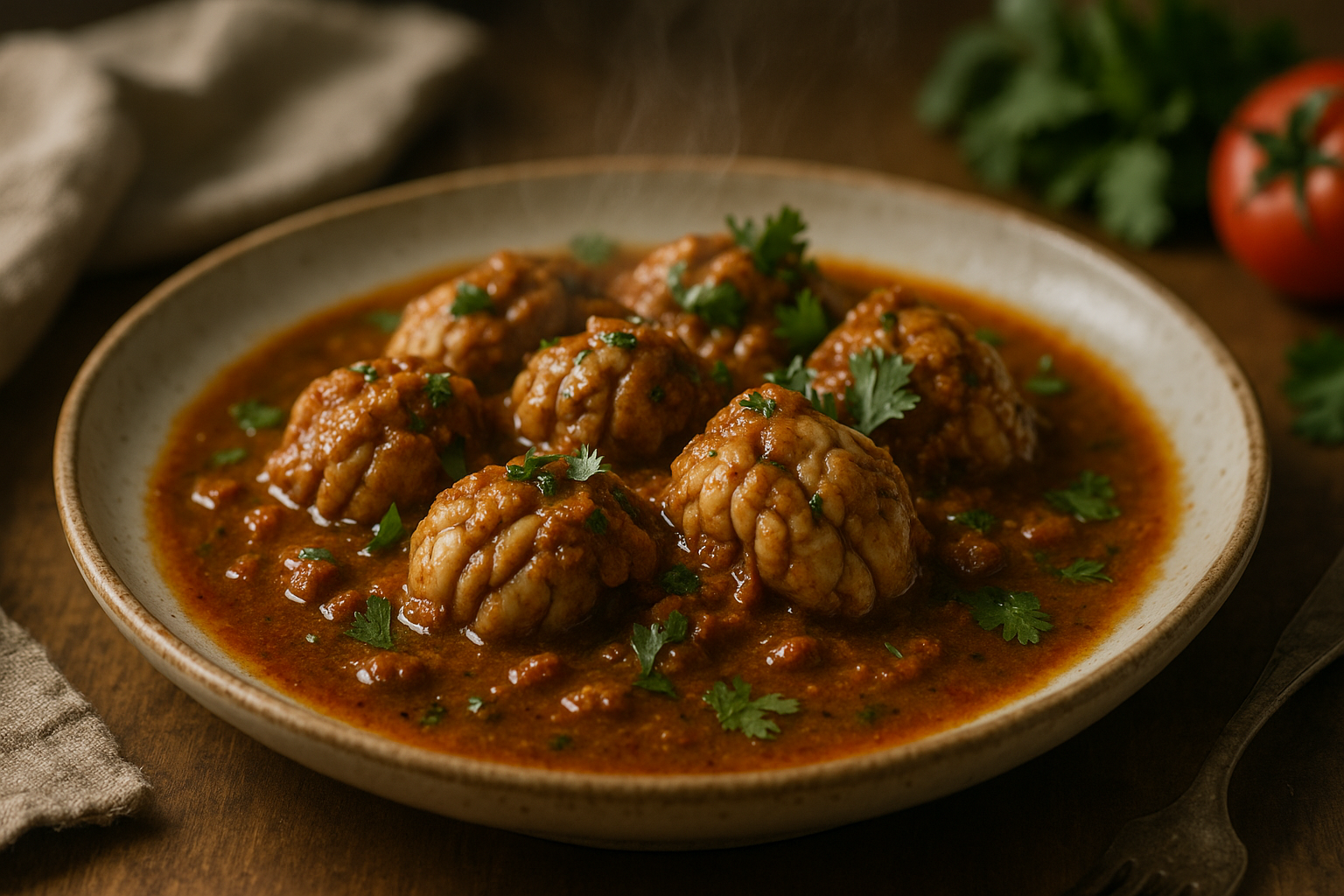
My cousin was like, “You HAVE to try the bheja masala here,” and I was thinking, there is absolutely no way I’m eating anything called ‘brain’ when there’s perfectly normal kebab right there. But he ordered it anyway. A shallow steel bowl arrived, bubbling in a deep reddish masala, dotted with chopped coriander and a slice of lime that looked like it had seen better days.
I poked one of the pieces with a bit of roomali roti, expecting something… I don’t even know, gross and rubbery? Instead it was this incredibly soft, custard‑y, almost like a savoury mousse. The masala was gingery and spicy, with that strong black pepper heat that punches the back of your throat. I took one bite and literally just stared at the bowl for a second like, wait, how is this so good??
That was the day I realised two things: A) offal isn’t "poor people food", it’s just food, and B) if you trust the cook, you’ll eat half the animal without overthinking it.
Why Lamb Brain Masala Hits Different (At Least For Me)
#So what’s the big deal about lamb brain masala, apart from the whole shock factor? For me it’s a weird mix of texture, nostalgia, and this slightly rebellious feeling because you’re eating something most people still side‑eye.
Texture first. Lamb brain isn’t like liver or kidney. There’s no chew. When it’s cooked right, it’s almost like paneer that decided to become clouds. Softer than scrambled eggs, firmer than a sauce. It sort of melts into the masala, so every bite feels rich even though you’re mostly eating gravy with tiny, delicate bits in it.
Then there’s the flavour. On its own, brain is really mild. Like, almost bland. Which is why it’s perfect for masala. You can load it with ginger, garlic, Kashmiri chilli, coriander, green chiles, a squeeze of lime. The brain soaks in the flavours, but doesn’t fight back with any weird bitterness like liver sometimes does.
And yup, nostalgia. A lot of us from South Asian families grew up with some version of this. In Pakistan and North India, bheja fry or bheja masala was a Sunday breakfast thing for some folks. In Hyderabad, brain masala with soft pao. In some Gulf households, lamb brain is part of Eid cooking. I didn’t grow up eating it every week, but I remember my grandmother getting really excited when she found fresh brains at the butcher, like it was a special treat, not a punishment.
Offal Is Trending Again (So You’re Not That Weird For Wanting This)
#Fast‑forward to 2026 and suddenly all the hip places are quietly sneaking offal back in. Nose‑to‑tail isn’t new, but it’s hitting a second wave now, this time blended with sustainability and fancy plating.
In London, there’s this new spot in Shoreditch doing a “Whole Lamb Weekender” menu once a month, and the dish everyone keeps posting on TikTok is—not kidding—lamb brain on toast with a green chilli butter and pickled shallots. I saw it on Reels and literally yelled, "That’s just bheja fry with PR" at my phone.
Closer to home, Mumbai’s newer modern-Indian places, especially the 2025–26 openings in Lower Parel and Bandra, are doing clever little takes: lamb brain varqi paratha, bheja masala bao sliders, even a lamb brain kulcha that sold out in like, 3 weeks of soft launch. And over in Dubai, a couple of the trending ‘elevated Pakistani’ restaurants are doing very old‑school brain masala but plating it like fine dining with tiny microgreens. Same dish, new outfit.
There’s also this whole home‑chef wave. Since dark kitchens and home tiffins exploded during and after the pandemic, a lot of us got way more comfortable ordering offal online from people we trust instead of pretending we don’t eat it. In 2026 you see Instagram stories like, “Sunday: bheja fry and brain masala, DM for portions” and it’s just… normal now.
But Wait, Is Lamb Brain Actually Safe To Eat?
#Okay, let’s talk safety for a sec, because if I don’t, someone’s going to message me like, “Didn’t we ban brain because of mad cow??” Different animal, different rules, and also, food‑safety standards have evolved a LOT in the last decade.
First big thing: we’re talking about lamb (or goat) brain here, not beef. The whole BSE / mad cow scare was mainly linked to cattle in certain countries and that’s why many places either banned or heavily regulated beef brain. Lamb and goat brain are still eaten widely in South Asia, the Middle East, parts of Europe, etc, but there’s a few things you actually need to care about in 2026:
1) Source matters more than ever – With traceability tech getting better (QR codes in butchers, digital farm records, all that nerdy stuff), you really want brain from animals that are inspected and slaughtered in proper facilities. A lot of butchers now can literally show you the supply chain details on a tablet. If they look confused when you ask, maybe don’t buy brain there.
2) Always fully cooked – Brain needs to be cooked through. None of this rare, pink nonsense. You want it opaque, no raw pinkish or grey jelly bits. Most traditional masala recipes simmer it long enough that you’re fine, but don’t rush it just because you’re hungry.
3) Eat in moderation – Lamb brain is very rich in cholesterol. Like, not a joke. We’re talking 300–400 mg of cholesterol per 100g depending on the data sets you look at. That’s basically your whole day’s recommended limit in one go if you’re following usual health guidelines. A once‑in‑a‑while treat? Cool. Weekly breakfast? Maybe not if your LDL is already being dramatic.
4) Allergens & hygiene – Like any organ meat, brain spoils faster than muscle meat. It should smell clean, not funky. Store it cold, cook it the same day if you can. If your fridge is already struggling in the summer, do not leave brain in there "for tomorrow". Just don’t.
Also, most of the current food‑safety advisories in 2025–26 basically say the same thing: buy from regulated sources, cook thoroughly, don’t overdo it. Which is honestly true for like 90% of the delicious things we eat.
What Fresh Lamb Brain Should Look (And Smell) Like
#If you’ve never bought lamb brain before, the first time is… a little intense. It’s not pretty the way a rib chop is pretty. But you get used to it. Here’s my very unscientific, kitchen‑counter guide to picking it:
- Color: pale, pinkish‑white. If it looks grey, dull, or weirdly yellow, I’d pass.
- Smell: almost no smell. It should not smell strongly “meaty” or metallic, and definitely not sour.
- Texture: soft and delicate but not mushy or falling apart into goo. If it disintegrates when you touch it, it’s probably not super fresh.
- Packaging: in 2026 a lot of urban butchers now vacuum‑pack offal, which is honestly great. If you’re getting it loose, make sure it’s being kept cold, not just sitting out in 35°C heat having an existential crisis.
If you’re ordering online (which loads of people do now), stick to platforms that show sourcing info and have recent reviews mentioning organ meats specifically. Offal behaves differently than regular cuts, so you want a seller who knows how to handle it.
How I Clean And Prep Lamb Brain At Home (Without Freaking Out)
#I’m gonna be honest: the first time I cleaned lamb brain in my own kitchen, I almost bailed halfway. It feels delicate and you’re hyper‑aware that it’s, you know, a brain. But it gets easier.
Here’s the basic routine I’ve settled into over the years. It’s not textbook perfect, it’s just what actually works for me on a sleepy Sunday when I’m craving bheja masala with pav:
1. Cold soak – I rinse the brains gently in cold water, then soak them in a bowl of cold water with a little salt and a splash of vinegar for about 15–20 minutes. This helps draw out blood and any stray bits. Some people skip the vinegar, but I find it helps with that slight iron-y edge.
2. Peel the membrane (as much as you can) – There’s a thin transparent membrane around parts of the brain. You don’t have to remove every bit, but pulling off the thicker sections helps it cook more evenly and gives a nicer texture. Use your fingers, not a knife; it’s fragile.
3. Quick blanch – Totally optional, but I like to blanch the brains for 2–3 minutes in gently simmering, salted water with a slice of ginger. This firms them up, makes them easier to handle, and you can cut them into pieces without them turning into mush.
4. Pat dry – Before they go into the pan, I pat them dry gently with a kitchen towel. Wet brains in hot oil = dramatic spluttering and me screaming, so yeah, dry them.
My Home Style Lamb Brain Masala (Bheja Masala) Recipe
#This is the version I keep coming back to. It’s somewhere between Old Delhi Muslim style and the slightly more buttery Bombay bheja masala vibe. I’ve tweaked it a bunch over the years, especially as spice prices went a bit wild in 2024–25 and I stopped wasting anything.
I’m not going to write this like a robotic recipe card, because that’s not how I cook it either. Think of it as a roadmap more than a legal contract.
What you’ll need (for 2 people, or 1 hungry person who had a long week):
- 2 lamb brains, cleaned and blanched
- 2 tbsp ghee or a mix of oil and ghee (don’t be shy, fat is flavour)
- 1 medium onion, very finely chopped
- 2–3 green chillies, slit
- 1 tbsp ginger‑garlic paste (fresh is better, but store one works in a pinch)
- 1 small tomato, chopped OR 2 tbsp tomato puree
- 1 tsp coriander powder
- 1/2 tsp cumin powder
- 1/2 tsp turmeric
- 1 tsp Kashmiri red chilli powder (for color more than heat)
- 1/2 tsp regular red chilli powder (optional, if you’re brave)
- 1/2 tsp garam masala
- Salt, to taste
- Handful of fresh coriander, chopped
- Juice of half a lime
- Optional: a spoon of cream or a knob of butter at the end if you’re going for full decadence
How I cook it (realistically):
1. Heat the ghee in a heavy pan on medium. I usually use my small cast‑iron because it keeps the heat nice and even.
2. Throw in the chopped onions and cook them low and patient until they’re properly golden, not just sweaty. This is the part where I always think, “I should’ve started this 10 minutes earlier.”
3. Add the ginger‑garlic paste and green chillies. Fry till that raw smell calms down. If it sticks, a tiny splash of water saves the day.
4. Mix in all your powdered spices except garam masala. Coriander, cumin, turmeric, chilli powders. Toast them gently in the fat for 30 seconds or so. You want them to bloom, not burn.
5. Add the tomato and a pinch of salt. Cook this down till the oil starts separating a bit and it looks like a proper masala base, not tomato soup.
6. Now gently add your blanched brains. I usually cut them into 3–4 big pieces first. Don’t stir like you’re making sabzi, they’ll break. Just nudge them around, spoon masala over the top, and let them simmer.
7. Cook on low heat for about 6–8 minutes. The brains will firm up a bit and absorb the masala. Taste and adjust salt. Sprinkle the garam masala near the end.
8. Finish with lime juice, chopped coriander, and if it’s been a rough week, a little blob of butter. Serve immediately with soft pav, roomali roti, or honestly, even toasted sourdough which I know sounds wrong but actually slaps.
How To Know You Cooked It Right
#When lamb brain is cooked properly, it should be:
- Soft but not mush soup
- Opaque all the way through
- Mild in taste, no strong smell
- Coated in masala, not drowning in thin gravy
If it’s rubbery, you probably overcooked it hard on high heat. If it’s still jelly‑ish and translucent inside, put it back on the stove and simmer gently till it firms up. Don’t panic; it’s weirdly forgiving.
Restaurant vs Home: Where To Eat Lamb Brain Masala In 2026
#I know a lot of you are like, “Yeah this is cute but I’m not cleaning brain in my kitchen, absolutely not.” Fair. Honestly, half my lamb brain consumption is still outside food.
Some places that have really stuck in my memory (and recent trip notes):
- Old City, Hyderabad – The little Irani and Muslim restaurants around Charminar still do some of the best brain masala with pav in the country. No neon signs, no QR menus, just enamel plates, buttery masala, and pao that somehow tastes better at 1am after walking around in the chaos.
- Mumbai’s new wave – A couple of the new modern-Indian openings in 2025–26 in Bandra and Lower Parel have totally nailed the “old dish, new context” thing. One of them does a tiny lamb brain kulcha with caramelised onions and green chilli that I still think about while stuck in traffic.
- Lahore & Karachi (if you’re lucky enough to travel there) – The breakfast bheja masala at some of the old Nihari houses is life changing. So many places now are leaning into the “heritage offal” marketing angle, especially with food tourism picking up again. Some even have little notes on the menu about sourcing and nutritional info now, which I weirdly love.
- London & Melbourne – In 2026, a few of the buzzy “British‑Indian” and “New Pakistani” spots are definitely playing with lamb brains, but usually as small plates. Think lamb brain on toast with fermented chillies, or brain croquettes with tamarind aioli. It’s very, "We’re sustainable, we use the whole animal" but also actually tasty.
My general advice: if a restaurant is confident enough to list brain masala prominently on the menu (not hidden under “chef’s special” like a shameful secret), they’re probably doing it right and taking sourcing seriously.
Is Lamb Brain Actually Good For You Or Is That A Lie We Tell Ourselves?
#This is where things get a bit… complicated. You’ll hear older relatives say stuff like, “Brain khaao, dimag tez hoga” (eat brain, your brain will get sharper). The science is not exactly backing that specific claim up, so don’t expect to suddenly become a chess grandmaster after a plate of bheja fry.
What we do know from the nutrition breakdowns that kept popping up in 2024–26 health articles:
- It’s rich in vitamin B12, which is great for nerves and general energy.
- It has omega‑3 fatty acids and other healthy fats that play a role in brain function.
- It’s also heavy on cholesterol, as I mentioned earlier, which isn’t automatically evil but definitely something to be mindful of if your doctor is already side‑eying your lipid profile.
So my very unprofessional, food‑loving conclusion: it’s a nutrient dense, occasional treat. Not daily fuel. Eat it like you’d eat, I dunno, rich dessert, not like salad.
Offal Stigma, Family Drama, And Saying You Eat Brain On A First Date
#There’s also this funny social side to lamb brain. Some people treat it like a test. If you admit you love brains, kidneys, tongue, all that, you suddenly get sorted into the adventurous‑eater category. Others act like you just announced you bite live chickens.
My family is hilariously divided. My mom still makes a face every time I order bheja masala. My dad, on the other hand, gets this nostalgic glint in his eye and starts talking about how they’d eat it on Eid mornings with fresh roti straight from the tandoor. My little niece saw it once and calmly asked, “Is the sheep still thinking inside your tummy?” and I didn’t know whether to laugh or apologise to the planet.
Social media in 2026 has kind of made it easier, weirdly. There are entire TikTok and Insta accounts now that are just “we cook offal on camera” and the comment sections are like half "omg drooling" and half "blocked and reported". But more young people are at least curious. It’s not this secret poor‑house food anymore. It’s heritage. It’s sustainability. It’s also just… delicious when done right.
Little Tweaks, Modern Twists (Because I Can’t Leave Recipes Alone)
#I’m not a purist, I’ll be honest. As much as I love old‑school lamb brain masala, I also love messing with it. Couple things I’ve tried in the last year or two that actually worked:
- Using smoked ghee (which became a mini trend in 2025) for the tempering. Gives this subtle tandoor-ish note without actually having a tandoor.
- Adding a spoon of kasuri methi at the end. Don’t overdo it, just a pinch. It makes the whole thing taste more restaurant‑y.
- Serving it over sourdough toast or crusty bread instead of pav when I’m too lazy to go buy pav. It becomes this Anglo‑Indian fever dream but it’s honestly great brunch food.
- A very light drizzle of garlic yogurt on top, if the masala is super spicy. This is totally blasphemy to some folks, I know, but it works for me.
Do you need any of this? No. Hot tawa, good ghee, fresh masala, fresh brain. That’s like 90% of the job done already.
Final Thoughts Before You Run Off To Either Cook This Or Judge Me
#If you’ve made it this far, I’m guessing you’re at least brain‑curious. You don’t have to love it. You don’t even have to try it if it really freaks you out. But I honestly think lamb brain masala is one of those dishes that tells a story about how a culture respects the whole animal, not just the Instagram‑pretty cuts.
For me, it’s memories of cramped late‑night restaurants, of my dad explaining why wasting organs is kind of disrespectful, of chefs in 2026 proudly putting offal back on menus instead of hiding it. It’s about that first hesitant bite turning into "oh no… I actually love this".
If you do try making it, go slow, buy good quality, cook it properly, and eat it like something special, not just "cheap meat". And if you’re just here for the food stories and not the actual cooking, that’s totally fine too. I do that all the time, scrolling through recipes at midnight like they’re bedtime stories.
Anyway, if you’re into deep‑dive food rambles like this and want more heritage‑meets‑right‑now dishes, there’s a bunch of cool stuff people are writing about on AllBlogs.in lately—lots of regional recipes, new restaurant gossip, and random food obsessions. Worth a scroll with your next cup of chai.