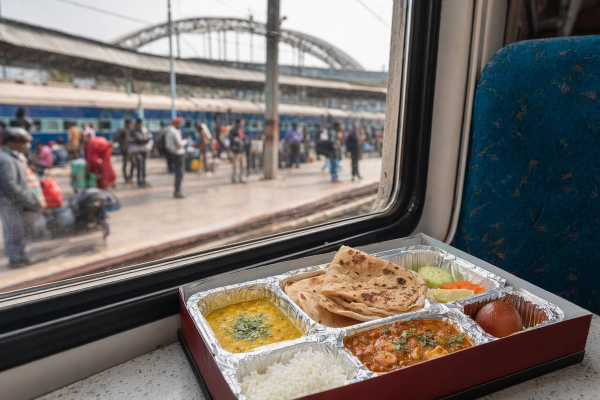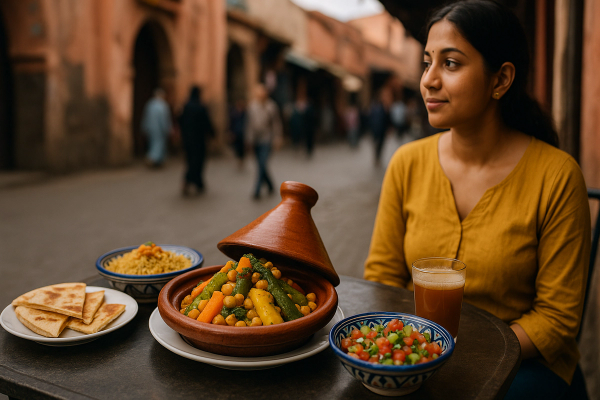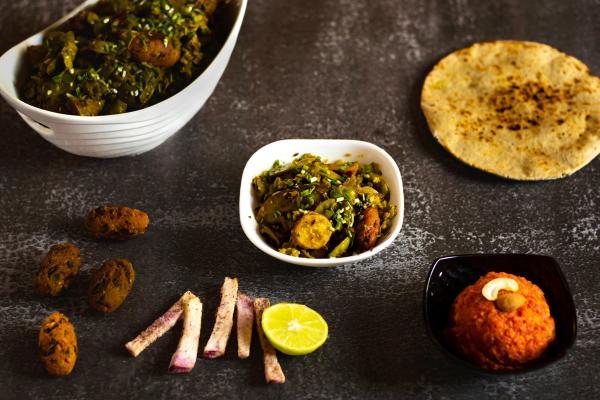
Every year I tell myself I’m going to be normal about India’s spring New Year festivals and every year I fail, spectacularly. Because once late March rolls around and the markets start smelling like raw mango, neem flowers, jaggery, fresh turmeric and wet banana leaves, I’m gone. Mentally checked out. Hungry. A little emotional too, if I’m honest. Ugadi, Yugadi, Gudi Padwa, Cheti Chand, Sajibu Cheiraoba, Navreh... the names shift across states, languages and family kitchens, but the feeling is kinda the same. New year, new season, old recipes that somehow taste brand new again. In 2026, most calendars place Ugadi and Gudi Padwa on March 19, and that date matters if you’re planning a food trip because the real magic is not just on the day itself, it’s the whole week around it when bakeries, home cooks, temple kitchens and neighborhood mithai shops are doing their best work.
And yeah, before somebody says it, I know a ‘regional new year guide’ should maybe be neat and scholarly and all that. Mine isn’t. This is more like me grabbing your sleeve and going listen, if you’re in Bengaluru don’t miss the bevu-bella, if you’re in Hyderabad ask who is making proper bobbatlu with enough ghee, if you’re in Mumbai please don’t leave without eating shrikhand with hot puris because life is short and low-fat yogurt desserts are a scam. Also 2026 food culture is doing this funny thing where everyone wants ancient grains and probiotic ferments and low-sugar sweets, but festival food still wins. Or maybe it adapts. I actually love that tension.
First, the tiny bit of context you need so the food makes sense
#Ugadi is celebrated mainly in Andhra Pradesh, Telangana and Karnataka as the beginning of the new year in the lunisolar calendar. Gudi Padwa is the Maharashtrian and Konkani new year, same seasonal energy, different table. Around the same time, Sindhis celebrate Cheti Chand, Kashmiris mark Navreh, and in Manipur there’s Sajibu Cheiraoba. I’m simplifying, obviously, but the point is this: India doesn’t do one New Year meal. It does a whole edible map. Bitter, sweet, sour, spicey, green, fried, steamed, fermented, rich, austere, temple-prasad simple, wedding-feast extra. All at once. It’s honestly one of the best times to travel if you care about food and not just Insta-pretty plates.
What gets me every time is that these new year foods don’t try to hide life’s moods. They literally put bitter and sweet in the same bowl and go, here, this is the year too. Bit dramatic maybe, but I love that.
Ugadi in Andhra and Telangana: the taste that’s supposed to tell you how the year will feel
#My strongest Ugadi memory is from Hyderabad, years ago, in a friend’s auntie’s apartment where I was absolutely not useful in the kitchen but acted like moral support. Somebody handed me a steel katori of Ugadi pachadi and said drink it properly, don’t sip it like juice. If you’ve never had it, this is the famous six-taste mixture usually made with neem flowers, jaggery, tamarind, raw mango, green chilli or pepper, and salt. Bitter, sweet, sour, tangy, heat, salt... all the things. Every family tweaks it. Some make it thinner, almost drinkable. Some make it chunky. Some add banana. A couple of people I met in 2026 are even doing palm jaggery versions because they like the deeper flavor and lower-refined-sugar vibe that’s trendy right now. I’m not a purist about that, honestly. If it tastes balanced, I’m happy.
Then there’s the proper meal. Pulihora with that bright tamarind punch. Mamidikaya pappu if the mangoes are good enough already. Garelu if somebody in the house has patience. Chalimidi in some homes. And of course bobbatlu, or bakshalu, or polelu depending on who’s talking and where. Soft flatbread stuffed with sweet chana dal and jaggery, or sometimes coconut, cooked till spotted gold, then drowned a little in ghee because self-control is for other festivals. This year I noticed a lot more bakeries and sweet brands in Hyderabad and Vijayawada offering millet bobbatlu, sugar-conscious poornam fillings, and vacuum-packed festive boxes aimed at younger office-going people who still want tradition but can’t spend six hours rolling dough on a weekday. Practical? Yes. As good as home? Umm... not really. Still nice though.
Bengaluru and Karnataka Ugadi, where bevu-bella is weirdly beautiful
#In Karnataka, the symbolic new year bite is bevu-bella, usually neem and jaggery together. Less elaborate than some pachadi versions, maybe, but somehow more direct. Sharp bitterness, then sweet. Done. I had it first in Bengaluru standing in someone’s doorway in Basavanagudi, and I remember laughing because my face absolutely betrayed me. Neem is not subtle. But after that came kosambari, obbattu, mango rice, payasa, and that whole classic Karnataka-style meal rhythm where one thing calms the next thing down. There’s a reason people wait for festival lunches. They just land properly.
One thing I really loved seeing in 2026 Bengaluru was how younger chefs are treating festival food with a little more respect, not just as one seasonal thali checkbox. There’s this broader trend now toward regional tasting menus, hyperlocal produce, and heirloom ingredients. Restaurants have been doing special Ugadi menus with nati-style greens, seasonal tender mango dishes, cold-pressed groundnut oils, and old-school sweets made in smaller batches. But I’ll still say this, maybe unfairly: if you can get invited into a home, do that. Restaurant obbattu can be wonderful, but the homemade one where the filling almost threatens to break through the dough, that’s the good stuff. Messy, fragrant, slightly uneven. Human.
- My personal Karnataka festival plate ideal looks like this: bevu-bella first, then kosambari, a little pickle, mango chitranna, some saaru, a vegetable palya, majjige, and obbattu with enough ghee to make your fingers shiny.
Maharashtra’s Gudi Padwa: elegant, festive, and secretly one of the best sweet-savory mornings in India
#Gudi Padwa mornings in Maharashtra feel different to me. More crisp somehow. Maybe it’s the way the gudi goes up outside homes, maybe it’s the cleaner flavor profile of what comes after. I spent one Gudi Padwa in Mumbai and another in Pune, and both times I ended up obsessed with the bittersweet ritual foods before moving, very quickly, to the rich stuff. Neem leaves and jaggery make an appearance here too, often with tamarind or pepper depending on family tradition. Then comes puran poli, shrikhand, batata bhaji, varan-bhaat, sabudana vada in some homes, maybe kothimbir vadi if you’re lucky. I know puran poli gets all the headlines, but I have to say it: fresh saffron shrikhand on Gudi Padwa morning with puffed hot puris is one of the most unfairly delicious combinations ever invented. It’s cool, tangy, sweet, perfumed, then the puri arrives all warm and dramatic. Ugh. So good.
In 2026, the Maharashtrian festive sweets scene is doing a lot. More artisanal shrikhand brands are using A2 milk, reduced sugar, single-origin saffron, Alphonso pulp, even pistachio-rose versions. Some of that is genuinely tasty and some of it feels like branding got a little too excited. Puran poli, meanwhile, has gone from household staple to boutique item in a lot of cities, with specialty delivery menus around festival weekends. I ordered one box this season for ‘research’ and, well, half were dry. Tragic. The best one I had was from a small neighborhood kitchen in Dadar where the dough was thin, the filling nutty with cardamom, and the ghee smelled like actual browned milk solids instead of generic fat. You can tell, trust me.
Don’t skip the other regional new years, seriously
#This is where these guides usually get lazy and stop at the big two. I don’t wanna do that. Cheti Chand, celebrated by Sindhi communities, deserves way more food attention than it gets in mainstream roundups. If you’ve got access to a Sindhi home or community meal, say yes immediately. There’s often tahiri or sweet rice, koki in some extended festive tables, sai bhaji on nearby days, bhee aloo if the cook loves you, and these flavor combinations that are comforting in a way that sneaks up on you. Sindhi food in general has had a small but real revival in urban pop-ups recently, and by 2026 I’m seeing more younger cooks document family recipes online instead of keeping everything trapped in one WhatsApp auntie group. Good. About time.
Navreh in Kashmiri Pandit tradition brings its own beautiful food memory-set, and though the ceremonial thali and symbolic items matter deeply, the meal culture around it can include nadru preparations, dum aloo, muji chetin, rice-centered spreads and yogurt-based dishes depending on the household. I’m not pretending expertise here, just respect. Same with Sajibu Cheiraoba in Manipur, where family meals can feature seasonal vegetables, herbs, fish and local preparations tied to cleansing, ascent and renewal. If you travel for these celebrations, maybe go with humility first and appetite second. Actually no, appetite first too, but respectfully.
The ingredients that tell you spring has properly started
#What ties so many of these New Year foods together is seasonality. Raw mango, for sure. Neem flowers or leaves. Fresh coconut. Jaggery from the recent crushing season. Tamarind. New rice in some places. Gram dal. Yogurt turning tangy in the warming weather. Green chillies that still have that grassy snap. This is one reason festival food in March tastes so alive. It’s not random. The pantry is changing.
And because 2026 food trends are obsessed with ingredient traceability, farmers markets and ‘clean labels’, suddenly grandmothers have become accidentally fashionable. Everybody’s talking about naturally fermented batters, jaggery instead of white sugar, wood-pressed oils, native rice varieties, gut-friendly foods, seasonal bitter ingredients, flower-based garnishes, zero-waste peels chutneys... and I’m like, yes, welcome, our aunties been knew. Of course, not every old technique is automatically healthier and not every modern adaptation is silly. I’ve had a very good vegan shrikhand made with strained peanut-curd and saffron. Sounds wrong, tasted weirdly right. So I’m open-minded. Just not to dry puran poli. Never that.
If you’re planning a 2026 food trip around these festivals, this is what I’d actually prioritize
#- Hyderabad or Vijayawada for Ugadi pachadi, bobbatlu, pulihora, and proper Andhra-Telangana festive lunches that still feel home-led even when served commercially.
- Bengaluru, Mysuru, or Dharwad belt for bevu-bella, obbattu, and the kind of Karnataka festival meals where every small side dish matters more than you expected.
- Mumbai and Pune for Gudi Padwa breakfasts and sweets, especially shrikhand, puran poli, batata bhaji and community-specific thalis if you can find them.
- Keep space for community events tied to Cheti Chand, Navreh, and other regional new year observances because those meals are less commercialized and often more memorable.
A word on restaurants, pop-ups, and the 2026 ‘festival menu’ boom
#I was a bit skeptical at first, not gonna lie. Every second restaurant now seems to be announcing a limited-edition festive tasting menu with microgreens on top of things that never asked for microgreens. But some places are doing it thoughtfully. Across major Indian cities in 2026, there’s a clear trend toward shorter seasonal menus, chef collaborations with home cooks, and hyper-regional festival specials that don’t flatten everything into one generic ‘Indian New Year platter’. That’s progress. Cloud kitchens are also smarter now about festival pre-orders, packaging hot sweets separately, and offering DIY finishing instructions so your poli doesn’t turn sweaty in transit. Tiny innovation, huge impact honestly.
Still, my opinion is maybe annoyingly old-fashioned here. The best New Year food is usually not in the newest opening with the mood lighting and curated brass tumblers. It’s in homes, temple compounds, old sweet shops, neighborhood messes, community halls, and those family-run places that only post once on Instagram and somehow sell out by noon. If you must do restaurants, ask one question before booking: who designed the menu? If the answer involves consultation with regional cooks or family recipes, great. If it’s just ‘our chef’s modern interpretation’, proceed with caution, my friend.
Festival food should taste like somebody cared if you had a second serving. That’s my deeply scientific metric.
My own kitchen disasters, because obviously I tried doing all this at home
#Last year I got overconfident and decided I would make a cross-regional New Year spread by myself. Absolute nonsense. I made an okay-ish Ugadi pachadi, a surprisingly good kosambari, and then completely overworked the dough for holige. It tore, leaked filling, and one sad disc welded itself to the tawa like it was making a legal claim on my cookware. Then I tried shrikhand with homemade hung curd and forgot to chill it enough, so instead of lush and spoonable it went a little... slumpy. Edible, yes. Photogenic, no. But weirdly, that meal still made me feel festive. Maybe because these foods aren’t meant to be sterile perfection. They’re annual rituals. You show up, you stir, you taste, you adjust.
A small practical note if you’re cooking this stuff in 2026 with ingredients from supermarkets instead of local markets: raw mangoes are arriving early in many urban stores, but quality is all over the place. Smell them. Don’t just buy by color. Neem flowers can be harder to source fresh, so some people use dried ones from regional grocers, and that’s fine if you toast them lightly and don’t dump in too much. For shrikhand, really strain the yogurt properly, longer than you think. For bobbatlu or puran poli, rest the dough. Then rest it a bit more. I am saying this because I did not, and the dough took revenge.
Why this season matters to me more now than it used to
#When I was younger, I mostly thought of these festivals as calendar events plus sweets. Nice, sure, but routine. Now I think they hit harder because food culture is changing so fast. We eat while scrolling, we order instead of asking, we know tasting notes but not our neighbor’s holiday dish. So when New Year festivals come around and a bowl of something bitter-sweet gets passed to you with zero ceremony except eat this, it feels grounding. Kinda corrective. It reminds me that food doesn’t only need to be novel. Sometimes it needs to be inherited.
And if you’re traveling through India in March 2026, this is my honest advice: don’t chase only the biggest city brunches or influencer lists. Follow the ingredients. Follow what appears in the market. Ask which households are making what. Buy the sweet from the old shop with the slow fan and faded signboard. Accept the second helping. Write down the name your host uses for the dish, because it may be different three districts later and that difference is the story. Also wear something forgiving around the waist. Learned that one the hard way.
Final bites
#So yeah, from Ugadi to Gudi Padwa and all the beautiful regional new year tables around them, 2026 is shaping up to be another gorgeous season of edible memory. Bitter neem, soft jaggery, raw mango brightness, stuffed polis, cooling shrikhand, pulihora that tastes better the longer it sits, humble dals, festive fries, temple-style simplicity, restaurant experiments that sometimes work and sometimes really, really don’t. I love all of it, even the contradictions. Maybe especially those.
If you’re making a list, make it ingredient-first and people-first. Taste the symbolic dishes even if they challenge you. Don’t reduce the festivals to one famous sweet. And if somebody’s aunt offers you homemade bobbatlu wrapped in foil for the road, say yes before she changes her mind. Anyway, that’s my very hungry guide. If you like this kind of rambling food-travel writing, poke around AllBlogs.in too, there’s always something fun to read there.