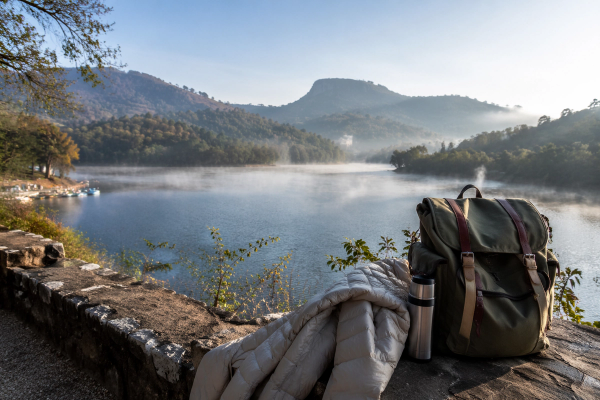
If you’re stuck between Mahabaleshwar and Panchgani for a quick monsoon escape, I get it. I was confused too, because on paper both sound almost same-same: mist, viewpoints, strawberries, valley views, chai, long drives from Pune or Mumbai. But after doing this trip in proper rainy weather, not the cute drizzly Instagram version but actual wet socks, fogged-up car windows, and random bhutta stops... I can tell you they feel very different once you’re there. And for a 2-day trip, that difference matters a lot.
Short answer? If you want more sightseeing, more markets, more hotel options, more classic hill-station energy, pick Mahabaleshwar. If you want a slower, prettier, less crowded-ish monsoon break with table-land walks, old-school boarding-school hill town vibes, and less rushing around, Panchgani is honestly lovely. Best-best option though? Do both together. They’re close enough that separating them too strictly is kind of pointless unless you really hate moving around.
First things first — how these two places actually feel in monsoon
#Mahabaleshwar in the rains feels dramatic. Big valleys disappear into clouds in seconds. Waterfalls pop up out of nowhere. Roads get lined with dripping trees, horses standing under plastic sheets, and tourist jeeps trying to overtake each other on those bends. It’s more commercial, yes, but also more full-on. There’s always something happening near the market, Venna Lake side, old temples, and the main point circuits. On weekends, especially July and August, the crowd can get pretty mad. Not unbearable maybe, but enough to test your patience if you came looking for pure silence.
Panchgani, on the other hand, felt softer to me. More open. More breathable, weirdly. The roads are calmer, the viewpoints don’t always feel packaged, and there’s this old colonial-school-town mood that hits differently in fog. You’ll see families, bikers, college groups, couples doing reels of course, but still it doesn’t have that constant tourist buzz of Mahabaleshwar market area. I had one rainy evening there where the whole place went grey-green and silent except for distant dogs and one tea stall guy calling out ‘garam chai’... and ya, that stayed with me.
If Mahabaleshwar is the louder, more popular monsoon hill station, Panchgani is the one that slowly gets under your skin.
So for a 2-day trip, which one is better?
#This depends on your travel style more than people admit online. Most blogs make it sound like one is superior. It’s not that simple. For first-timers coming from Pune, Mumbai, Satara, even Kolhapur side, Mahabaleshwar wins if you want a checklist trip. Arthur Seat area if open, Kate’s Point side, Lingmala Falls, old Mahabaleshwar temple side, market food, mapro stops, boating if weather allows, plus scenic driving. You can pack more into limited time there.
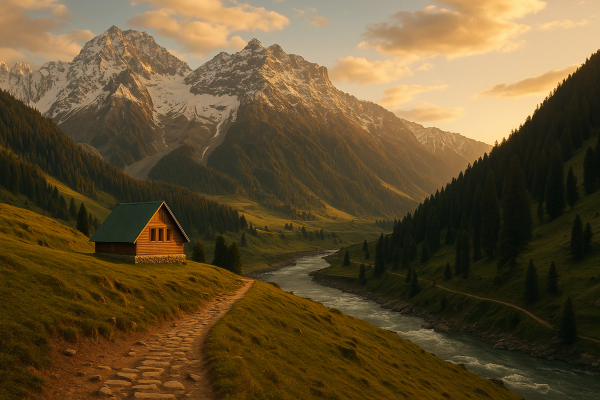
But if your goal is not ‘covering points’ and more like ‘I need two days of monsoon peace before life starts shouting again’, Panchgani is better. Table Land in mist is unreal. Sydney Point after rain can look properly cinematic. Parsi Point gets crowded, yes, but early morning it’s nice. There are also a lot of villa stays and boutique properties around Panchgani now, so people doing chill group trips or workcation-ish weekends prefer it. I used to think Panchgani was just a stop before Mahabaleshwar. Not true at all. That was me being dumb, honestly.
What I did on my own 2-day monsoon trip
#We left from Pune super early because everyone says that and for once everyone was right. In monsoon, the drive itself is half the fun and half the stress. Roads can be slippery, visibility changes fast, and on holiday weekends there’s traffic near Wai and the ghat sections. We reached Panchgani first, had breakfast there, spent time around Table Land and nearby viewpoints, then moved toward Mahabaleshwar by afternoon. Stayed overnight in Mahabaleshwar. Next day we covered a few points, did market strolling, had too much corn and strawberry cream even though monsoon is not peak strawberry season, and came back tired but weirdly refreshed.
Would I do it same way again? Mostly yes. For just two days, splitting your time like this works well: Day 1 Panchgani plus relaxed lunch plus check-in at Mahabaleshwar. Day 2 Mahabaleshwar sightseeing and return. If you stay both nights in one place, choose based on your vibe. Families with elders often find Mahabaleshwar more convenient because there are more hotels, restaurants and easier access to known spots. Couples and friend groups wanting scenic stays tend to love Panchgani properties a bit more.
Latest travel reality in monsoon — stuff nobody tells you properly
#Okay, important part. Monsoon travel here is beautiful but not always smooth. Heavy rain can affect visibility badly, and some viewpoints may be shut temporarily or feel pointless if fog is too dense. Waterfalls become powerful, which sounds fun till people get too close and do stupid things. Local authorities sometimes increase checks in risky spots, and barricades can come up depending on weather. So please don’t plan with a rigid minute-to-minute itinerary. Keep buffer time. Also, if you’re self-driving, your brakes, wipers, headlights, tyres — all that should be in good shape. This is not the trip to discover your car’s wiper blade has given up.
- Best monsoon months: late June to early September for lush greenery, but July can be the wettest and foggiest
- Best balance of greenery + slightly better road visibility: late June and August end, in my opinion
- Carry cash along with UPI because network gets patchy in some stretches
- Weekdays are way better than weekends, especially if you hate traffic and crowd noise
- Good shoes matter more than fancy rainwear. Slippery mud is no joke
- Leeches are not a huge everywhere problem for most casual tourists, but in very grassy wet patches just be aware
How to reach Mahabaleshwar and Panchgani without making the trip painful
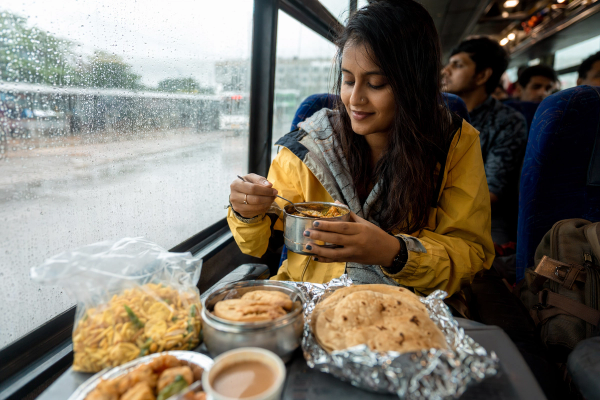
#From Pune, the drive usually takes around 3.5 to 5 hours depending on rain and traffic. From Mumbai, it can be anywhere from 6 to 8+ hours in monsoon if roads are packed. A lot of people do bus travel too. MSRTC buses and private buses are available toward Mahabaleshwar, and Panchgani is on the route for many. If you don’t want to drive in fog, bus is not a bad option at all. Private cabs from Pune are common for families and small groups, though obviously costlier.
Nearest major railheads people usually consider are Pune and Satara, then taxi onward. Satara is closer, but depending on your train timing and weather, Pune can be more practical. For a short 2-day trip, I’d say direct road travel is easiest unless you really enjoy transport puzzles. Btw, bikers love this route in monsoon, but I’ll be real — only do it if you’re experienced in rain riding. Scenic? Yes. Risk-free? absolutely not.
Stay options and current price range — this part has changed a lot
#Accommodation has become very mixed now. You’ll find everything from simple budget lodges to proper luxury resorts with valley-facing balconies and those infinity-pool type setups people post online. In Mahabaleshwar, budget rooms in monsoon can start around ₹1,500 to ₹3,000 on non-peak days, decent mid-range hotels usually fall around ₹3,500 to ₹7,000, and nicer resorts can go ₹8,000 upward pretty fast. In Panchgani, budget stays exist too, but what stands out more now are villas, boutique homestays and scenic properties. For groups, these can actually work out cheaper per person.
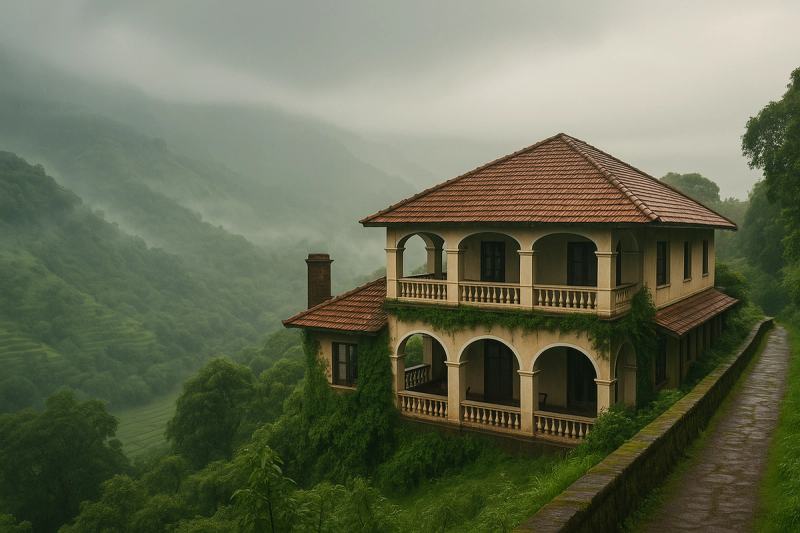
One small tip from my mistake: don’t book only by valley-view photos. In heavy rain, that ‘view’ may be just a white wall of fog, and then what matters is room warmth, hot water, parking, power backup, and food availability. Some older properties look charming but can feel damp in monsoon. Ask directly if rooms smell musty, if there’s generator backup, and whether the road to the hotel gets messy in heavy rain. Trust me on this one.
Food — what to eat, and where the mood differs
#People go on and on about strawberries here, and yes, Mahabaleshwar is famous for them, but monsoon is not the main fresh strawberry season. You’ll still get strawberry cream in many places because frozen pulp, preserves, syrups, crushes, jams, all of that is a thing year-round. But don’t come in peak rains expecting farm-fresh strawberry overload. What really hits in monsoon is simple food: hot corn, vada pav, kanda bhaji, cutting chai, maggi at viewpoints, steaming veg thali, soup, pakoras, and that random roadside sweet corn with too much masala and lemon. Elite stuff? no. Perfect? yes.
Mapro Garden remains a popular stop, especially for families and first-timers, though in peak crowd times it can feel more like a ritual than a discovery. Still, sandwiches, pizzas, strawberry products, and shopping for syrups and crushes... people enjoy it. In Panchgani, I found the cafe scene slightly more relaxed. A few bakeries and old-style places there have this quiet rainy charm. If you see local Maharashtrian meals on the menu, go for them. Pithla bhakri, zunka, varan-bhaat, batata bhaji, solkadhi depending on place, simple sabzi-roti combos — comfort food in weather like this is just different.
Places I think are truly worth your limited time
#For Panchgani, I’d keep it focused: Table Land, Sydney Point, Parsi Point if timing is right, and just driving around the quieter lanes. If the weather clears even a little, the valley views are fab. If it doesn’t, the mist itself becomes the experience. Some people do horse rides on Table Land, but in wet weather I’m a bit mixed on it. Ground can get slushy and the whole thing feels too rushed. Better to walk slowly if possible.
For Mahabaleshwar, Lingmala Waterfall area is beautiful in monsoon, though always check access and safety. Venna Lake is more of a vibe stop than a must-do for me in the rains. The old Mahabaleshwar side, with the temple area and forested roads, has a different atmosphere from the market side and is worth seeing. Kate’s Point and Elephant’s Head region can be amazing if clouds play nice. Arthur Seat side is famous, but whether you actually get the view depends completely on the weather gods. That’s monsoon hill travel, yaar — you don’t control the reveal.
- If you love views and photos, keep expectations flexible because fog may hide everything
- If you love drives, short tea breaks and green landscapes, this trip will over-deliver
- If you want shopping and activity, Mahabaleshwar market wins
- If you want quieter scenic sitting-around time, Panchgani wins for me
Crowds, cost, and who should choose what
#Families with kids? Mahabaleshwar is easier overall. More food options, more standard hotels, more things to do even if weather changes. Couples? Panchgani can be more romantic, less chaotic, more stay-focused. Friend groups? Depends if your gang wants market energy and point hopping or villa chilling with cards, music and rain outside. Budget travelers can do either, but Mahabaleshwar gives a few more practical choices in all price bands. Luxury seekers can pick both, because there are some seriously fancy stays around this whole belt now.
Cost-wise, monsoon is often cheaper than peak winter and summer holiday rush, except on long weekends when prices jump suddenly. That’s the trick. A room that seems decent on a Tuesday can become annoyingly expensive by Saturday. So if your schedule allows, do a weekday trip. Roads are calmer, hotels may offer better rates, and the whole mood becomes more hill-station and less traffic-jam festival.
A few lesser-known things that made the trip better
#One, don’t obsess over covering every point. The nicest moments on this route are often unplanned: clouds moving across a valley, a tiny stall making fresh bhajiyas, a roadside temple bell in the rain, school grounds wrapped in mist, the smell of wet red soil. Two, start early in the day, because afternoons can get crowded and visibility can worsen. Three, carry a spare pair of socks and one small towel in your backpack. Sounds boring, but when your shoes get soaked, you’ll feel like I’ve personally saved your life.
Also, if you’re into local produce, look for jams, crushes, honey, chikki, fudge and seasonal fruit products from trusted stores rather than grabbing from the first flashy shop. Some are great, some are just tourist packaging. And if you’re traveling around 2026 or whenever really, keep checking local admin updates and hotel notices before leaving, because weather systems have been a bit unpredictable in recent years. Better to verify than assume.
So... Mahabaleshwar or Panchgani?
#My honest answer is annoying but true: for a 2-day monsoon trip, don’t turn it into Mahabaleshwar vs Panchgani like they’re rivals. They work best together. Panchgani gives you calm, space and that dreamy monsoon softness. Mahabaleshwar gives you the fuller hill-station experience, more variety, more movement, more classic trip feel. If forced to choose only one, I’d pick Mahabaleshwar for first-time visitors and Panchgani for repeat travelers or anyone badly needing peace.
But in my heart? Monsoon belongs a little more to Panchgani. Maybe not in the tourist brochure sense, but in the emotional sense. It sneaks up on you. Mahabaleshwar impresses fast. Panchgani lingers. And that’s probly the best way I can put it.
Anyway, if you’re planning this short rainy escape, go with open time, a flexible mood, and low ego about the weather. Some views you’ll miss. Some plans will change. You’ll get wet, overeat, spend too much on snacks, and still come back feeling lighter. That’s kind of the point, no? If you like this kind of practical-but-real travel writing, you can check out more on AllBlogs.in.