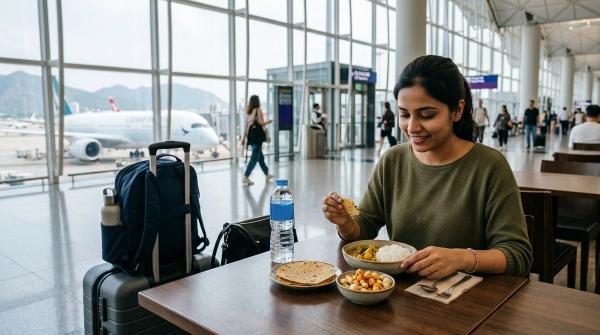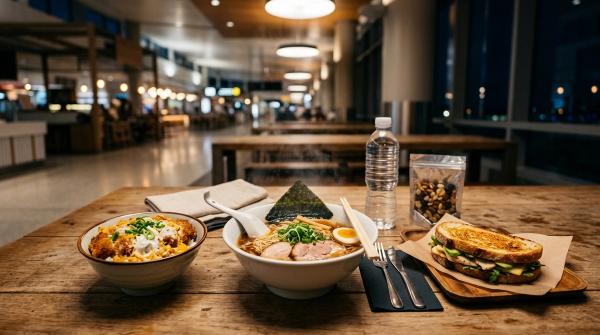
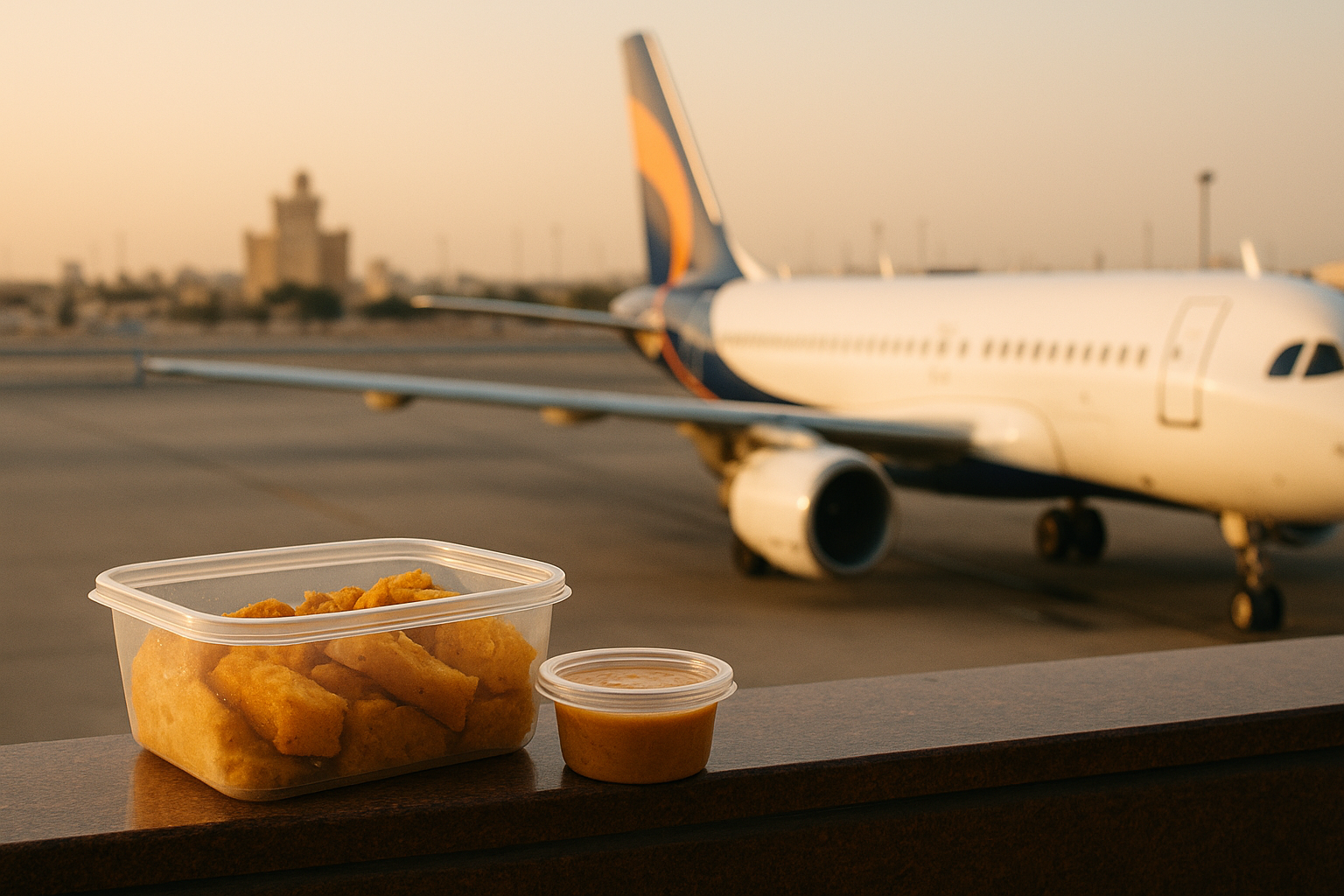
If you’ve ever stood in an Indian airport with a trolley bag, one backpack, one confused family member, and a steel dabba wrapped in three layers of newspaper and prayer... then you already know this question is not small. Can you carry homemade food on international flights from India? Short answer, yes, often you can. Actual answer? It depends on what food it is, whether it’s packed properly, airline cabin rules, security rules at the airport, and most importantly, the destination country’s customs laws. And trust me, that last part is where people mess up. I’ve seen it happen. I’ve almost done it myself.
For Indians travelling abroad, homemade food is not just food. It’s backup. It’s comfort. It’s survival, honestly. Especially for students, elderly parents flying alone, families with kids, or anybody who doesn’t trust airport sandwiches that cost like a full thali. On one of my international flights from Delhi, the auntie sitting near me had the most incredible thepla and dry aloo sabzi packed in foil. Whole row was jealous. She got through security fine. But on another trip, a relative carried pickle and coconut chutney and got stopped because the chutney was too wet and the pickle oil was leaking. So yeah, the difference is in the details.
The basic rule most people should know before packing anything edible
#From India side, airport security mainly cares whether the item is allowed in cabin baggage or should go in check-in, and whether it looks suspicious, liquid, gel-like, or messy. Dry homemade food usually has a much easier time. Think paratha, thepla, poori, dry sabzi, sandwiches, mithai, roasted snacks, khakhra, namkeen, plain cake, stuffed rotis, idli without much chutney, that kind of thing. Security staff see this stuff every day, specially on routes full of Indian families and students. It’s not some shocking thing.
But liquid and semi-liquid food is where people get into trouble. Anything spreadable, pourable, oily, runny, or paste-like can be treated under liquid restrictions in hand baggage. So dal, curry, sambar, rasam, chutney, yogurt, kheer, gravies, heavy pickle oil, even soft desserts can be questioned. If you’re carrying these in cabin, there’s a decent chance security says no, or asks you to shift it if possible. In checked baggage, some of these may be okay from airline/security side if sealed well, but then customs at destination may still have a problem.
Big lesson I learnt the hard way: getting past airport security in India does not mean the food is legal to bring into another country. Those are two different checkpoints, two different moods, two different headaches.
So what homemade food usually works from India on international flights?
#In my experience, and after way too many airport runs with family, the safest homemade foods are the dry ones with low smell, low moisture, and no meat. Stuff that doesn’t leak. Stuff that won’t make security open your whole bag and look at you like bhaiya why. Dry poha, upma if it’s not oily and soggy, plain parathas, methi thepla, jeera aloo, dry paneer bhurji, lemon rice if packed well and not too wet, puliyodarai, podi idli, chapati rolls, laddoo, barfi, chivda, sev, chakli... these usually travel well.
- Best bets for cabin baggage: thepla, dry paratha, sandwiches without too much sauce, khakhra, biscuits, dry sweets, roasted makhana, namkeen, plain cooked rice items that are not wet
- Better for checked baggage, if allowed by destination: sealed sweets, vacuum-packed snacks, commercially packed pickles, masala powders, tea, coffee, ready-to-eat packets
- Risky in hand baggage: curry, dal, chutney, sambhar, yogurt, soft cheese spreads, achar with oil floating around, soup, dessert in syrup
- Usually not worth carrying internationally unless you know the rules very clearly: fresh meat dishes, fish fry, homemade chicken curry, raw ingredients, fresh fruits, fresh vegetables, seeds, homemade dairy items
The destination country matters more than your packing skills, and honestly that’s the real story
#This is the bit a lot of travel blogs don’t explain properly. Countries have biosecurity and customs rules, and they can be strict even if the food is for personal use, even if your mom made it at 4 am with love, even if you swear you’ll eat it on the airport bench. Places like Australia and New Zealand are famously strict. The US, Canada, UK, Schengen countries, Singapore, UAE, and others all have their own import rules too. Some are okay with certain cooked foods for personal consumption. Some allow commercially packed foods more easily than homemade ones. Some are extra sensitive about meat, dairy, eggs, seeds, fruits, and plant material.
I’m saying this very directly because I’ve watched people assume ‘ghar ka khana hai, thoda sa hi hai, who cares’. Customs cares. Specially if the food contains meat or fresh agricultural stuff. If you’re landing in Australia with homemade achar that has seeds and fresh ingredients, or in the US with undeclared meat curry, that can turn into questioning, fines, confiscation, full bag check, and a very bad first hour in a new country. Not fun yaar. Always check the official customs website of your destination before flying. Not some random forum answer from 2019.
My own rule now: eat it on the flight, don’t import it into another country unless I’m sure
#That’s basically how I handle it now. If I’m carrying homemade food, I pack the kind of food that can be eaten before landing or during transit. That changes everything. Suddenly the question is no longer ‘can I legally bring this into the country’, it becomes ‘can I carry this through security and eat it before arrival’. Much simpler. For long-haul flights from Mumbai, Delhi, Bengaluru, Hyderabad, Chennai, all those major hubs, dry food for personal consumption on board is pretty common. Cabin crew usually don’t care if you quietly eat your own roti roll or thepla, unless the smell is very strong or there are airline-specific restrictions. Be considerate, bas.
And please, please don’t open fish curry or egg bhurji in a packed cabin. I’m Indian, I love strong food smells, but inside an aircraft after 8 hours? That’s a social crime, little bit. Dry snacks and simple meals are way better. Also some airlines serve special Indian meals if you pre-book them, including vegetarian, Jain, diabetic, child meals and so on. If you’re mostly carrying food because you’re worried about getting veg food, check the meal option first. It can save you a lot of tension.
Cabin baggage vs checked baggage — this is where people get confused
#Hand baggage is about immediate convenience, but the restrictions are tighter. Security screening will remove anything they classify under liquids, aerosols and gels beyond allowed limits. A soft paneer gravy may not look like a liquid to you, but to security it can become one. Checked baggage gives you more flexibility for packed food, but then there’s the issue of spoilage, leakage, smell, and customs inspection after landing. If a container bursts inside your suitcase, congrats, now all your clothes smell like rajma for 4 days. Speaking from semi-experience here... not my proudest packing moment.
If you are packing food in check-in, use proper food-grade containers, then zip pouches, then another leak-proof bag, then wrap. Not newspaper only. Not one flimsy plastic dabba from last night’s halwa. For dry snacks, airtight pouches are enough. For sweets, especially syrup ones like gulab jamun or rasgulla, I honestly avoid carrying homemade versions internationally. Either buy sealed branded packs if customs rules allow, or don’t carry them. Some things are just asking for trouble.
What usually gets stopped, questioned, or thrown away
#Not every airport officer behaves the same, and that’s why travelers get mixed stories. One person says ‘I carried dosa and chutney, no issue’, another says ‘my chutney got confiscated’. Both can be true. Still, some categories are repeatedly risky. Fresh coconut items. Wet chutneys. Gravies. Meat dishes. Bone-in food. Fresh fruit. Cut salad. Homemade dairy-heavy sweets. Anything fermenting. Anything smelling so strong that it attracts attention. And of course, unlabeled powders can invite extra checking because they look suspicious on scanners. Even innocent podi or homemade masala can lead to bag opening, though usually it’s fine if packed normally.
There’s also a practical issue people ignore. Long international travel from India often means 8, 12, sometimes 20+ hours including transit. Homemade food spoils. Especially in summer. Especially if you leave home early, then sit in traffic, then reach airport, then check-in queue, immigration, boarding delay, flight delay... by the time you open that lovingly packed curd rice, maybe don’t. Food safety matters too. I’ve seen folks get stomach upset from food they themselves packed, which is kinda tragic.
Best homemade foods for students, elderly parents, and first-time flyers
#This is the practical section I wish someone gave my family years ago. For students flying out for the first time, I’d say carry food that is filling, dry, familiar, and not embarrassing to unpack in transit. Thepla is honestly king. Then stuffed paratha with dry filling, plain poori with sukhi bhaji, aloo sandwich without chutney, khakhra, banana chips, mixture, dry fruits, laddoo, toast, and a refillable empty bottle you can fill after security. Elderly parents often do better with soft but dry foods like idli podi, lemon rice, upma packed carefully, or plain chapati-roll type meals. Kids are easiest and hardest both... carry what they actually eat, not what sounds healthy on paper.
- Pack one meal for airport waiting time
- Pack one meal for onboard comfort
- Pack small dry snacks in separate pouches instead of one giant food bomb
- Avoid glass containers, they’re heavy and dumb for travel honestly
- Label if needed, especially for elderly travelers who may need help from security or family
What I’ve noticed at major Indian airports lately
#At big international departure airports in India, things are more organized now than they used to be, though crowds are still crowds. Delhi, Mumbai, Bengaluru, Hyderabad and Chennai generally have clear security systems, and food in hand baggage is common. Staff may ask you to remove food items during scanning if the bag is too cluttered. Some airports have become stricter with power banks, electronics, and liquid screening, which means your food containers also get more attention if they appear dense or unclear on X-ray. So pack smart, not like you’re smuggling a mini kitchen.
Also, with more people doing long-haul student travel and family migration routes, there’s definitely a trend of carrying comfort food from home. Airlines know this. Airport staff know this. But that doesn’t mean every homemade item gets a free pass. Safety and customs compliance still win. If in doubt, ask the airline before departure and check customs advisories from the arrival country. It takes ten minutes and can save your whole mood.
A small but important thing — declare food if the arrival form asks you to
#This is where being overconfident becomes expensive. Some countries ask clearly on arrival cards whether you are carrying food, plant material, animal products, seeds, etc. If you have anything even slightly doubtful, declare it. Declaring doesn’t automatically mean they’ll seize it or punish you. Usually it means an officer checks and decides. Not declaring and then being caught is much worse. There are countries where fines can be brutal. And no, saying ‘it’s just homemade snacks from India’ doesn’t magically solve it.
If you’re unsure whether a food item counts, just declare it. Embarrassment for two minutes is better than a customs penalty and a ruined trip.
What about layovers, transit airports, and eating during long journeys?
#Ah yes, the classic confusion. If you’re transiting through another country and staying airside, you may be able to carry your food and eat it during the layover, subject to airport security if you have to rescreen. But if you pass through security again during transit, liquid-type food can still be removed. And if you actually enter the transit country, then that country’s customs rules may apply too. This is why dry food wins every time. It survives delays, survives bag scans, survives hunger, and usually doesn’t create drama.
For very long layovers, don’t rely only on homemade food. Airports today, even expensive ones, usually have at least one veg option, coffee chain, convenience store, or something edible if not memorable. In popular transit hubs like Dubai, Doha, Abu Dhabi, Singapore, London, Frankfurt, there are plenty of food options, though prices can hurt a little. Budget around ₹800 to ₹2,500 equivalent for a proper airport meal depending on the airport and what you buy. Painful, yes, but still cheaper than a customs issue or spoiled food.
A quick reality check on packing style, smell, and travel etiquette
#This part no one says out loud. Just because you can carry food doesn’t mean you should carry a full wedding-menu tiffin. Keep it simple. Keep it neat. Avoid foods that make the entire waiting area smell like a train pantry at 11 pm. I say this with love. Strong masala is amazing, but in a sealed cabin with tired passengers? Maybe not. Also use disposable spoons if needed, tissues, wet wipes, and one extra zip bag for leftovers. Nothing worse than digging into your backpack later and finding escaped achar oil on passport photocopies. Ugh.
My honest recommendation if you’re flying abroad from India soon
#Carry homemade food, yes — but carry the right homemade food. Think dry, simple, cooked, vegetarian if possible, and only enough for the journey. Eat it before landing unless you have checked the destination rules carefully. Don’t carry fresh fruits, raw ingredients, meat dishes, loose dairy stuff, or wet chutneys unless you are absolutely sure they’re allowed and packed right. For most travelers, the sweet spot is one or two homemade meals plus some dry snacks, then buy or pre-book the rest. That’s the low-stress method. And after a few international trips, low-stress becomes more valuable than carrying half your kitchen, believe me.
So yeah, can you carry homemade food on international flights from India? Usually yes. Should you carry everything? Definitely no. A little planning goes a long way. Check airline rules. Check arrival-country customs. Pack smart. Declare when needed. And maybe choose thepla over curry, just this once. You’ll thank yourself later. If you like this kind of practical Indian-traveler stuff without too much bakwaas, have a look at AllBlogs.in too, there’s some genuinely useful travel reading there.