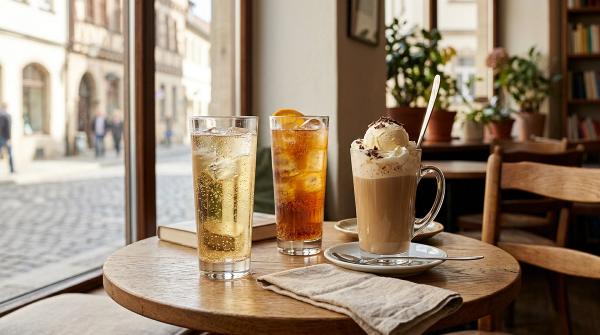
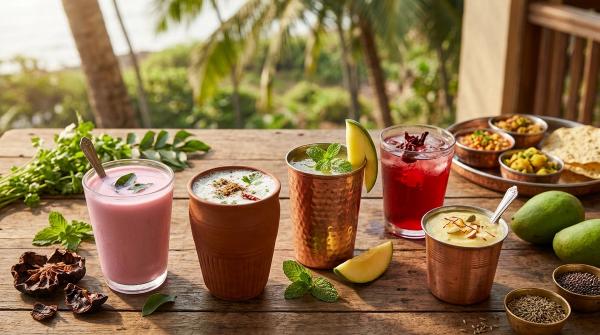
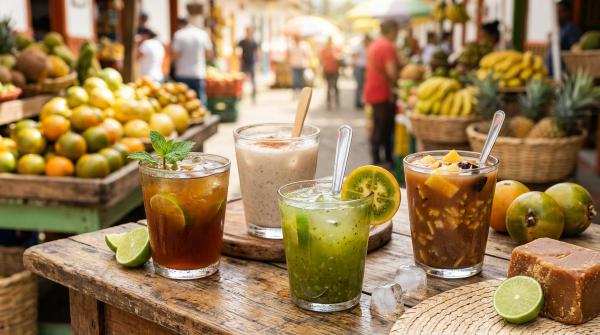
I used to think this whole thing was simple. A cocktail had booze. A mocktail didn’t. End of story, right? Well... not really. The more I ate out, sat at bars with snacks I definitely didn’t need but absolutely wanted, and talked to bartenders who are honestly some of the most obsessive food-and-drink people on earth, the more I realized there’s a lot of fuzzy overlap here. And if you’ve ever stared at a menu wondering why one zero-proof drink costs almost as much as a proper margarita, yeah, same. This is my messy, real-world guide to non-alcoholic cocktails vs mocktails vs cocktails, written by someone who has absolutely spilled chili oil on a menu while trying to decide between all three.
Also, full disclosure, I come at this like a food person first. Drinks for me are tied to meals, moods, restaurants, weather, memories, all that. I remember one summer night a couple years back, sitting outside with a plate of blistered shishitos and a bowl of citrusy crudo, and my friend ordered this gorgeous salty-sour zero-proof thing with distilled botanicals and verjus. I took a sip and thought, wait... this isn’t a sad substitute. This is its own thing. That kinda changed how I saw the whole category.
First, the basic difference, but like in normal-person language
#A cocktail is the classic one. It contains alcohol, whether that’s gin, rum, tequila, whisky, vodka, amaro, vermouth, whatever. If there’s booze in it, it’s a cocktail. Pretty clean definition there.
A mocktail, traditionally, is a drink made to imitate a cocktail but without alcohol. That “mock” bit matters. It’s often built to feel familiar, playful, maybe a non-alcoholic mojito, piña colada, mule, spritz, cosmo. Sometimes they’re sweet. Sometimes too sweet, if I’m being honest. For years, a lot of mocktails at restaurants were basically fancy juice with mint and club soda, which... fine, but not exactly thrilling.
A non-alcoholic cocktail, though, has become a broader and honestly more interesting category. These drinks don’t always try to copy an alcoholic classic. Instead, they’re built with cocktail thinking: balance, bitterness, aroma, texture, dilution, acidity, length on the palate, food pairing. They might use dealcoholized aperitifs, non-alcoholic spirits, tea concentrates, shrubs, ferments, verjus, hydrosols, salt tinctures, pepper extracts, clarified juices, even savory stuff like tomato water or mushroom stock. No alcohol, but still crafted like a serious drink.
My hot take? Every non-alcoholic cocktail isn’t a mocktail, but most mocktails do live under the bigger non-alcoholic umbrella. It’s a squares-and-rectangles thing. Kinda nerdy, but true.
Why this got big enough that menus had to change
#You’ve probably noticed the shift if you eat out a lot. Zero-proof sections used to be tiny, almost apologetic. Now some bars give them a whole page, and some restaurants pair them with tasting menus the same way they’d pair wine. The reason is not just one thing. Health-conscious drinking is up, sober-curious culture is way more visible, and lots of people just don’t want alcohol every single time they go out. Some are cutting back, some don’t drink at all, some are pregnant, training, driving, taking meds, or they simply hate hangovers. Extremely fair.
And from what I’ve seen lately, restaurants in 2026 are treating zero-proof drinks less like a consolation prize and more like an actual culinary lane. You see more menu language around provenance, house ferments, seasonal produce, tea-building, and texture. Sparkling tea service is bigger than it used to be. Adaptogenic ingredients are still floating around, though thankfully there’s a little less woo-woo copy and more actual flavor focus now. A lot of the best bars are emphasizing bitter, savory, herbal, and low-sugar profiles because adults want complexity, not just pineapple syrup in a cute glass.
So what actually makes a good cocktail a cocktail?
#This is where bartenders get all intense, and I love them for it. A proper cocktail usually balances a few elements: spirit, acid, sugar, bitterness, dilution, and aroma. Not every drink has all of those at once, obviously, but there’s structure. A daiquiri works because rum, lime, and sugar hit this snappy little triangle. A negroni lands because bitter, sweet, and boozy are holding hands and arguing at the same time. A martini is all about cold, texture, and fragrance. It’s not random.
Food-wise, cocktails can either support a dish or bulldoze right over it. I’ve learned this the expensive way. Tequila with aguachile? Amazing. A huge vanilla-bomb espresso martini with delicate oysters? I mean... no. That’s chaos. Rich cocktails generally love salty or fatty foods. Bracing citrus drinks wake up fried things. Bitter aperitif-style drinks can make cheese and charcuterie sing. You start noticing these pairings and then suddenly dinner gets way more fun.
Mocktails: unfairly mocked, sometimes deservedly, but not always
#I have a soft spot for mocktails because my first “grown-up” drink experience was basically one. I was a teenager at a wedding, feeling very sophisticated, holding a cranberry-lime-soda thing with too much ice. It was ridiculous and I loved it. So I’m not here to dunk on mocktails. But I do think the category got stuck for years in this kiddie-cousin reputation. A lot of menus made them super sugary, neon, overgarnished, and weirdly lazy. Like the kitchen would spend three days making a demi-glace, but the non-drinker got pineapple juice and grenadine. Rude, frankly.
The best mocktails now are much more thoughtful. Think a mojito-style cooler with real mint oil expression, lime, a touch of cane, and crisp soda. Or a no-groni-inspired drink using gentian-style bitterness from alcohol-free aperitifs. Or a cucumber-green-chili cooler that actually has some backbone. If it tastes balanced and intentional, I’m happy. If it tastes like melted popsicle, less so.
- Mocktails usually lean familiar and approachable
- They often reference classic drinks people already know
- Some are sweeter than non-alcoholic cocktails, though not always
- The good ones still need acid, aroma, salt, texture, not just fruit juice
Non-alcoholic cocktails are where things get seriously delicious
#This is the category I’ve gotten a bit obsessed with lately. Maybe too obsessed. I’ve dragged friends across town for a zero-proof menu before dinner, which is either charming or annoying depending who you ask. What makes these drinks exciting is they’re not pretending to be boozy. They’re building complexity in other ways. Roasted rice tea for nuttiness. Lapsang for smoke. Verjus for softer acidity than lemon. Lacto-fermented strawberry brine for funk. Black lime for depth. Olive leaf, pink peppercorn, yuzu kosho, tamarind, pandan, salted plum, toasted coconut water... honestly, chefs and bartenders are having a field day right now.
One trend I keep seeing in 2026 is savory zero-proof drinks getting more menu space. Not in a gimmicky “here’s cold soup in a coupe” way, although lol, I’m sure somebody has done that. I mean drinks with tomato water, celery seed, shiso, basil oil, beet kvass, white tea, seaweed, or peppery greens, designed to go with food. There’s also more clarification tech trickling into regular restaurant bars, so even neighborhood spots are serving crystal-clear pineapple drinks or milk-clarified citrus punches without making a huge fuss about it.
Okay but why are some non-alcoholic drinks almost as expensive as cocktails?
#This annoys people, and I get it. If there’s no liquor tax and no expensive spirit in the glass, why am I paying 14 or 16 bucks? Sometimes the answer is cynical pricing, sure. But often it’s because the drink still takes work. House syrups, teas, shrubs, clarification, fresh herbs, special glassware, custom ice, garnish, labor, wastage, all of that costs money. Plus many alcohol-free spirits and aperitifs are not actually cheap to buy. Some are kinda shockingly pricey for what they are. Whether the final menu price feels fair depends on execution, setting, and portion. If you hand me a lovely layered zero-proof drink with house verjus cordial and smoked salt at a good restaurant, fine. If you hand me orange juice with tonic for 15 dollars, absolutely not.
Ingredients that matter right now, if you’re ordering or making these at home
#The ingredient world has moved fast. Dealcoholized wines and sparkling wines have improved a lot, especially when served very cold and paired with food instead of judged against Champagne in a vacuum. Alcohol-free aperitifs are everywhere now, and the bitter red and citrusy white styles tend to work better for me than fake-whisky products, though your mileage may vary. Distilled botanical non-alc spirits can be great in spritzes and highballs, but some taste thin if you treat them exactly like gin. Tea is maybe the MVP ingredient overall. Good tea gives tannin, aroma, bitterness, and body. I use jasmine, hojicha, lapsang, and hibiscus the most at home.
Then there’s verjus, which I will evangelize about to anybody who will listen. It’s the tart juice of unripe grapes, and it gives this gentler, wine-friendly acidity that doesn’t punch you in the face like straight lemon can. For food pairings, it’s brilliant. Shrubs are still useful too, though I think people overdid the vinegar thing for a while. A little goes a long way. Also: don’t sleep on saline. A few drops of salt solution in a zero-proof drink can make it feel way more complete. Tiny trick, big payoff.
My favorite restaurant experiences lately, and what they taught me
#I’m not gonna pretend every city has nailed this, but I’ve had some really memorable zero-proof pours in the last year. Places opening now, especially modern bistros, hotel bars, and chef-driven small plates spots, are treating the non-alc menu as part of the restaurant identity. I had this shiso-citrus highball with grilled skewers at a new neighborhood spot a while back and kept thinking about it for days. Another place served a chilled sparkling tea with raw scallops and green strawberries, and that pairing was so clean and weirdly emotional? I know that sounds dramatic. But food people know what I mean.
And honestly, some newer restaurant openings seem to understand that younger diners don’t divide the room into drinkers and non-drinkers the way older menus did. Groups mix it up. Somebody gets wine, somebody gets a zero-proof bitter spritz, somebody starts with a martini then switches. The smartest restaurants design for that reality. No one wants the abstaining person to feel like the sad side character clutching lemonade.
If you’re ordering with food, here’s my very unscientific cheat sheet
#- With fried food: go for high-acid cocktails, spritzes, or bright zero-proof drinks with citrus and bubbles
- With spicy food: avoid too much sugar if you can, it can get cloying fast. Salt, citrus, cucumber, coconut, tea, and herbs help
- With rich meat dishes: bitter drinks work, both alcoholic and non-alcoholic. Think amaro vibes, black tea, gentian-style aperitifs, burnt citrus
- With seafood and crudo: lighter drinks, saline touches, verjus, green herbs, sparkling tea, clean gin-style builds
- With dessert: okay yes an espresso martini can be fun, but sometimes a tart non-alc berry drink is way better and you can still walk home like a human
At home, the easiest way to understand the difference is to make one of each
#This was the thing that made it click for me. One night I made a classic daiquiri, then a mocktail daiquiri-ish thing, then a non-alcoholic cocktail built from tea and verjus instead of trying to mimic rum exactly. The classic cocktail had weight and warmth from the spirit. The mocktail version was nice but read a little more like limeade until I added saline and a tiny bit of bitterness. The non-alcoholic cocktail version, though, became its own drink entirely, not fake-rum, not juice, just bright and dry and kinda elegant.
Quick home trio:

1) Cocktail
2 oz white rum
3/4 oz fresh lime juice
1/2 to 3/4 oz simple syrup
Shake hard, strain, serve up

2) Mocktail
1 oz lime juice
3/4 oz simple syrup
2 oz cold soda water
6 mint leaves or a dash of bitters-style non-alc aperitif
Shake first three without soda, strain over ice, top with soda

3) Non-alcoholic cocktail
2 oz strong chilled hojicha tea
1 oz verjus
1/4 oz rich simple syrup
2 drops saline
Lemon peel over top
Stir with ice, strain over fresh ice
That little exercise taught me something obvious but important. Alcohol contributes flavor, body, heat, and length. If you remove it, you can’t just delete one ingredient and expect the same architecture to stand up. You have to rebuild the drink. That’s why the best zero-proof bartenders are basically chefs with jiggers.
A few mistakes people make, and yeah, I’ve made all of them
#- Assuming non-alcoholic means sweet. Nope. Some of the best ones are bitter, savory, vegetal, or tea-driven
- Using too much citrus at home. Without alcohol, lemon and lime can dominate super fast
- Forgetting texture. Tea, aquafaba, coconut water, gomme, and even a touch of salt can help
- Ordering by name alone. Read the ingredients. A “garden spritz” might be amazing, or it might taste like a candle
- Thinking cocktails are automatically more sophisticated. Honestly, some bars put more care into the zero-proof section now
So... which one should you choose?
#Depends on the moment. If you want the real depth and effect of booze, get a cocktail. If you want something fun, familiar, and easygoing, a mocktail is totally valid, no shame in that game. If you want complexity without alcohol, look for a non-alcoholic cocktail designed from the ground up. That’s the sweet spot for me most weeknights now, especially if I’m actually there for the food and want to taste my dinner properly.
The funny part is I still love all three. I love a sharp martini with salty snacks. I love a silly over-crushed-ice tropical mocktail by a pool. I really, really love a serious zero-proof drink with oysters or grilled vegetables or spicy noodles when I don’t want my night derailed. They each do different jobs. We don’t need to turn it into a culture war, you know?
Final sip
#If I can leave you with one thing, it’s this: stop thinking of alcohol-free drinks as lesser. Some are lesser, sure, but some cocktails are bad too. Judge the glass in front of you. Is it balanced? Does it make the food taste better? Would you order it again if nobody was watching? That’s really the test. And if a menu uses “mocktail” when it means “non-alcoholic cocktail,” don’t get too hung up on the label. Language is messy, restaurants are messy, life is messy. Just order the tasty thing.
Anyway, now I’m thirsty and also weirdly hungry, which is what always happens when I write about drinks. If you’re into this kind of rambling food-and-drink nerdery, I’d poke around AllBlogs.in too. Lot of fun stuff there, and honestly I’m always looking for my next thing to sip with dinner.