So, um, I’ll be honest – before my first Japan trip, I thought onsen just means “hot water pool where you chill like in a fancy spa”. Ya, no. It’s a whole world of its own. The first time I walked into a ryokan with an onsen, with my big Indian family-sized suitcase and very confused brain, I realised there are rules. And if you don’t know them, you’ll feel super awkward in 2 minutes flat.
If you’re planning a Japan trip soon (or in 2026, or whenever honestly), and you’re dreaming of those misty outdoor hot springs with snow falling and you sitting there like a zen monk – this is your guide from one desi traveller to another. Little bit story, little bit gyaan, all mixed.
What Exactly Is An Onsen & A Ryokan (In Simple Language)
#Onsen = natural hot spring bath. Water is geothermally heated, full of minerals, different regions have different types – some milky white, some clear, some even slightly metallic smell. Japanese people treat it like serious wellness, not just luxury. Good for skin, joints, stress, everything basically.
Ryokan = traditional Japanese inn. Think tatami flooring, sliding doors, futon bed on the floor, yukata robe, set meals (kaiseki) served either in your room or in a dining hall. It’s not like a hotel where you just crash and go out. It’s more of an experience in itself.
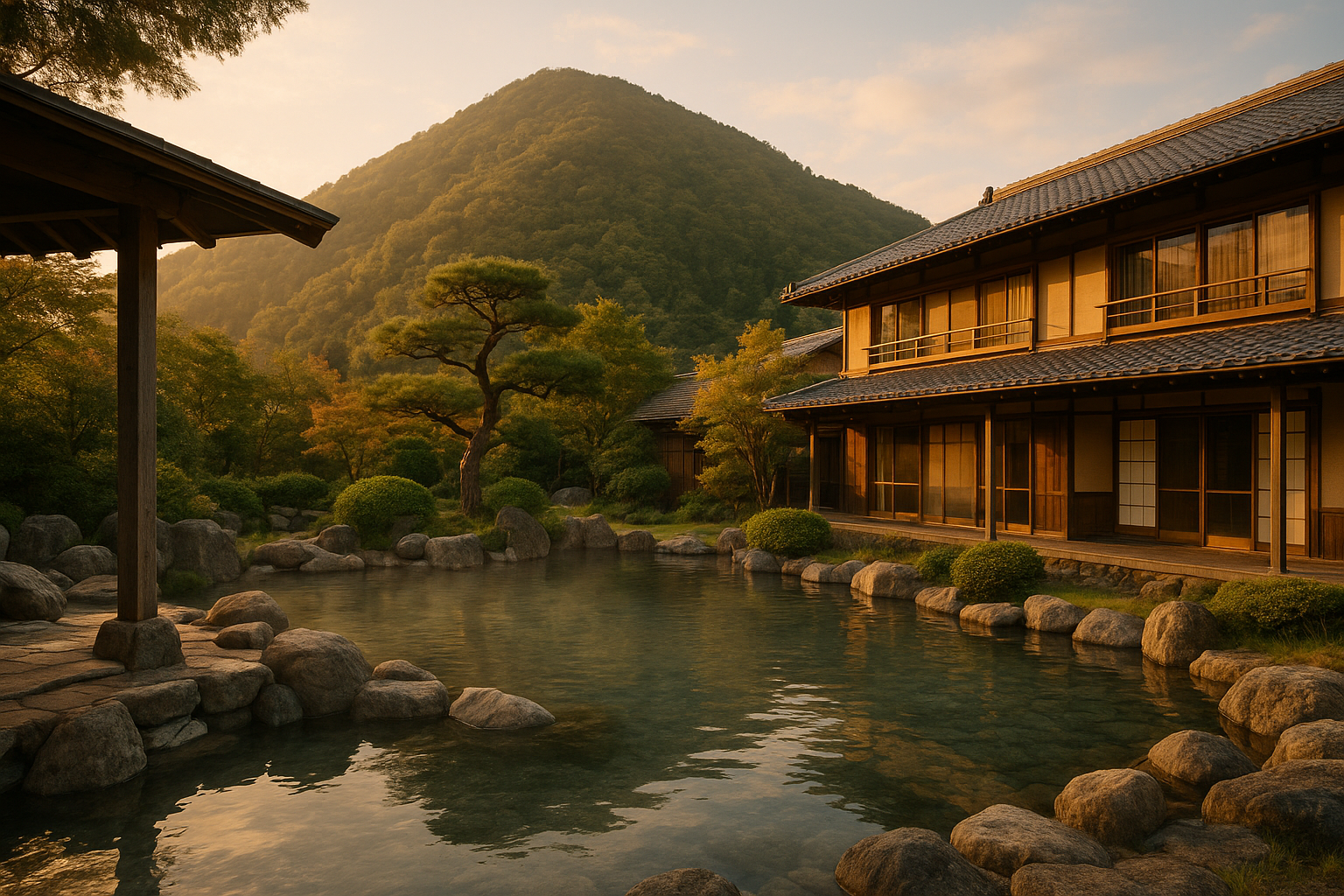
Most classic ryokan will have their own onsen, either indoor, outdoor or both. Some are gender separated, some are private family baths you can book, and some rooms now even come with your own small open-air tub on the balcony – which for us shy Indians is a LIFE saver.
Latest Scene: Are Onsens Still Worth It After The Whole Pandemic Drama?
#Short answer: 100% yes. Japan has fully reopened for tourists, and onsen towns are clearly back in business. Places like Hakone, Beppu, Kusatsu, Noboribetsu in Hokkaido – all seeing solid crowds again, specially on weekends and long holidays.
But there are some changes now: more emphasis on ventilation, regular cleaning (which was already obsessive, tbh), and in some ryokan they stagger bath timings so it doesn’t get packed. Masks are not usually worn inside the bath areas, of course, but you’ll still see people masking up in common indoor spaces.
Advance booking is more important than before. Popular ryokan get full on Saturdays, and even weekdays in peak seasons like cherry blossom (March–April) and autumn (late Oct–Nov). For a good ryokan with onsen, I’d say book 1–2 months in advance if you’re picky, especially if you want vegetarian-friendly meals.
How Much Does A Ryokan With Onsen Actually Cost? (In Rupees So Our Brain Works)
#I spent way too many nights on Agoda and Rakuten Travels comparing this, so here’s roughly what I’ve seen as of now:
Budget ryokan / simple onsen hotel (no fancy kaiseki): around 8,000–15,000 yen per person per night with breakfast, sometimes with dinner. That’s like ₹4,500–₹8,500 approx, depending on currency mood. These are usually older buildings, smaller rooms but still clean and sweet.
Mid-range ryokan: 18,000–30,000 yen per person, including elaborate dinner plus breakfast. Around ₹10,000–₹17,000 per person. This is the sweet spot I feel – good food, nice onsen, more stylish rooms, sometimes private outdoor baths.
Luxury ryokan: 40,000 yen and above per person per night. Can easily go to ₹30k+ specially for rooms with private rotenburo (open-air onsen). These are the Instagram ones where every angle looks like a Studio Ghibli shot.
Most prices are per person, not per room, because they include meals. That confused me at first. I was like why so expensive yaar, then realised you’re basically paying for a wellness retreat kind of thing, not just a bed.
Okay, But Let’s Talk About Nakedness – The Scariest Part For Us
#I’m not gonna pretend – walking nude into a public bath is intense, especially when you come from a very "cover-everything" culture like ours. First time I went in Hakone, I literally stood at the locker for five minutes pretending to re-fold my towel, hoping everyone will vanish.
Couple of real talk points:
- You have to be fully naked in most public onsens. No swimsuits allowed. That’s the rule.
- There are separate baths for men and women. So chill, it’s not mixed-gender usually (unless very specific places).
- Everyone is just minding their own business. Nobody is staring. Seriously, after 2 minutes you realise you’re the only one overthinking.
- If it’s still too much, book a ryokan with a private onsen or a "kazokuburo" (family bath) that you can use just with your partner/family.
For Indians with tattoos – earlier some onsen used to be strict because tattoos in Japan are linked to yakuza image. But now it’s slowly changing. Many places allow small tattoos or ask you to cover with a sticker. Larger ones still can be tricky, so check the ryokan website or mail them. Some chain onsen like Oedo Onsen type places have clearer policies now.
Onsen Etiquette 101 (So You Don’t Accidentally Offend Everyone)
#I learnt this the awkward way in Beppu when an old aunty gave me That Look because I did something wrong with the stool. So, let me save you the drama:
- 1. Remove footwear outside the changing area. Put shoes in the lockers if they have.
- 2. In the changing room, keep your clothes and bag in the basket/locker. Take only your small towel inside.
- 3. Wash fully before entering the bath. Sit on the little plastic stool, use the hand shower, soap and shampoo. Rinse properly – no foam in the onsen please.
- 4. Enter the onsen slowly, don’t jump in like swimming pool. It’s usually 40–42°C. Super hot initially.
- 5. Your small towel should NOT touch the water. Keep it on your head or on the side.
- 6. No swimming, no splashing, no loud chatting. Whisper-level talking is okay but keep it calm, it’s like a meditation zone.
- 7. After you finish, lightly wipe off with your small towel before going back into the changing room so you don’t drip water everywhere.
Sounds like a lot, but honestly after one time it becomes natural. And when you do it right, you feel strangely proud, like you unlocked some secret Japanese ritual.
When To Go: Best Season For Onsen Love
#Technically onsen is amazing all year, but some seasons are extra magical:
- Winter (Dec–Feb): Sitting in steaming hot water while it’s snowing outside… unbeatable. Hokkaido and Nagano area ryokan get booked early for this. Just carry proper thermals and socks or you’ll freeze between room and bath.
- Autumn (late Oct–Nov): Red and yellow leaves around outdoor baths. Very romantic, very aesthetic, and also very full on weekends.
- Spring (March–April): Cherry blossom plus onsen is like peak Japan fantasy. But rates go up and trains get busier.
- Summer (June–Aug): Hot onsen in hot weather sounds weird, but many mountain onsen towns are cooler than cities, and evenings are nice. Also, you get longer daylight for sightseeing.
If you hate crowds, avoid Golden Week (late April–early May), New Year period, and big national holidays. Weekdays are always more peaceful and sometimes cheaper.
How To Actually Reach These Onsen Towns (Without Losing Your Mind)
#From an Indian traveller point of view, we usually land in Tokyo, Osaka or sometimes Fukuoka. From there, onsen towns are well connected, but the combination of JR Pass, non-JR trains, buses etc can be confusing initially.
My rough route suggestions:
- From Tokyo: Hakone, Kusatsu, Nikkō onsen areas are easy. Use Odakyu line for Hakone (Romancecar) or JR plus local buses. Hakone Freepass is worth it if you’re doing the whole loop.
- From Osaka/Kyoto: Kinosaki Onsen is super popular and very cute – you walk around in yukata from bath to bath. Also Arima Onsen near Kobe.
- From Fukuoka: Beppu and Yufuin in Kyushu. I took the JR Sonic and then a local line – scenic journey, very chill.
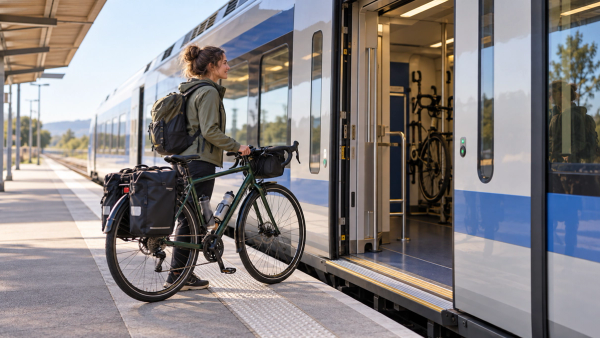
Public transport in Japan is crazy punctual, so plan with Google Maps or Navitime, and you’ll mostly be fine. Just remember that in smaller onsen towns, buses stop earlier in the evening, so don’t land at 9 pm thinking Uber will save you. It won’t.
Food At Ryokan: Heaven For Some, Stress For Vegetarians
#Ryokan meals are like a full performance. Dozens of small dishes, beautifully arranged, seasonal, local. The fish I had in a small ryokan in Yufuin is still living in my brain rent free, it was that good.
But as Indians, especially if you’re vegetarian, you have to communicate in advance. Many ryokan can prepare:
- No meat, no fish meals (still may have dashi – fish stock in soup)
- No beef / pork (easier request)
- Sometimes full vegetarian or even vegan, but that needs clear email and confirmation
Use simple lines like: "We do not eat meat, fish, seafood, egg" etc. Google Translate is your friend. And honestly, don’t expect them to understand “Jain food” concept. Just list exactly what you can and cannot eat.
Breakfast is usually rice, miso soup, grilled fish, pickles. If you’re not too fussy and okay with a bit of adjustment, you’ll be fine. Else, carry some theplas, poha packets, cup noodles – desi survival kit always saves the day.
Wellness Benefits: Does It Actually Help Or Is It Just Hype?
#So I went to onsen first time purely for the vibe, but the wellness part is very real. After a full day of walking like 20k steps (Japan will do that to you), soaking for 15–20 mins in hot mineral water feels like someone reset your body.
Common benefits people talk about:
- Better sleep – I slept like a log after onsen nights.
- Muscle and joint relief – especially if you’re doing long hikes or city walks.
- Skin feels super soft. Some springs are specifically famous for beauty benefits, like sulfur or alkaline ones.
- Mental reset. No phone, no noise, just steam and silence. Low-key therapy.
If you have blood pressure issues, heart conditions or are pregnant, do check with your doctor and also read the ryokan’s guidelines. Don’t stay in too long, take breaks, drink water. More is not always better – I learnt that after staying 40 mins once and coming out like a boiled aloo.
Accessibility & Options For Shy Or First-Time Indian Travellers
#Not everyone wants to jump straight into a full traditional ryokan + public onsen mode. And that’s fine. There are more flexible options now:
- Day-use onsen: You don’t have to stay overnight. Many bathhouses and some ryokan offer 1–3 hour entry for a small fee (600–1,500 yen). Nice way to test the waters, literally.
- Hotels with private baths: Some western-style hotels in onsen towns have private hot spring baths you can book by hour. Great if you’re with family and don’t wanna split.
- Rooms with private rotenburo: A bit pricey but honestly perfect if you’re shy about public nudity. You get the experience without the anxiety.
Language-wise, staff in touristy onsen towns usually manage basic English. Worst case, you just follow other people’s actions. Japan is very visual – signs, diagrams, arrows everywhere. Even if you mess up, most locals are super kind, they might smile or gently correct you but no one will shout or insult or anything dramatic like that.
My One Big Tip: Slow Down And Stay At Least One Night
#I did one mistake on my first Japan trip – I treated everything like a checklist. One night Tokyo, one night Kyoto, half day Hakone, rush back… total madness. Onsen doesn’t work with that energy.
Give yourself at least one full night in a ryokan. Reach by afternoon, have tea in your room, soak before dinner, eat slowly, then another soak before sleeping, then breakfast, maybe one more bath and then leave. That slower rhythm is actually the core of the whole experience.
When me and my friend finally did that in Kinosaki, we both were like, "why didn’t we do this earlier, yaar?" You come out lighter – body, mind, everything.
Final Thoughts (And Where To Read More Stuff Like This)
#If Japan is on your list, please don’t skip the onsen and ryokan experience just because of shyness or confusion about rules. With a little prep, it becomes the highlight of the trip. For us Indians used to noise, crowds and full-time multitasking, that quiet hot water, wooden rooms, and slow meals hit different, trust me.
Plan ahead, email the ryokan about food, double-check access from nearest station, and leave one day just for relaxing. Not every day has to be temple–shopping–museum–food marathon. Sometimes the best travel memories are just… doing nothing but soaking and staring at mountains.
If you want more desi-style travel stories, itineraries and honest tips, keep an eye on AllBlogs.in – I keep discovering new guides there whenever I’m planning the next escape.