Paneer vs Tofu vs Soya Chunks: What Actually Wins in Indian Cooking? My very opinionated food diary on it
#I’ve had this argument so many times now that my family basically rolls their eyes when I start. Paneer, tofu, or soya chunks... which one is best for Indian cooking? And honestly, I don’t think there’s one neat tidy answer, which is annoying because people always want one. Like just tell me the best one, yaar. But food doesn’t work like that. It depends on what you’re making, how much patience you have, whether you care about protein, whether you grew up loving paneer butter masala on Sunday nights, all of it. I’ve cooked with all three for years, sometimes well, sometimes terribly. I once made tofu matar that tasted like damp sadness, no joke. Another time I made soya chunk keema for stuffed parathas and my cousin, who usually acts snobbish about ‘fake meat’, ate three and then pretended he didn’t. So yeah, I have thoughts.
Also, before anyone gets dramatic, this isn’t some anti-paneer or pro-tofu manifesto. I adore paneer. Deeply. It’s one of the great joys of Indian food. But I also think tofu gets unfairly treated like a boring health-food punishment, and soya chunks have been sitting in Indian kitchens for ages while people still talk about them like they’re weird. They’re not weird. They’re just misunderstood... kinda chewy little protein sponges, and when used right they slap.
My first bias, if I’m being honest
#I grew up on paneer. Properly. Paneer bhurji in steel tiffins, shahi paneer at weddings, kadai paneer when guests came over because it felt slightly fancy, and paneer pakoras when it rained. So of course my heart says paneer first. I remember being maybe ten or eleven, standing in the kitchen while my aunt shallow-fried cubes for palak paneer and stealing them off the plate when no one was looking. Those hot edges, little bit golden, tiny sprinkle of salt... unreal. Tofu never had a chance with me at first. The first tofu I tasted was in a badly made stir fry and I thought, why is this pretending to be paneer and failing so badly?
That was my mistake though. Tofu isn’t failed paneer. And soya chunks aren’t sad vegetarian survival food. They’re all different ingredients with different strengths, and Indian cooking is broad enough to make room for all of them.
So what are we even comparing here?
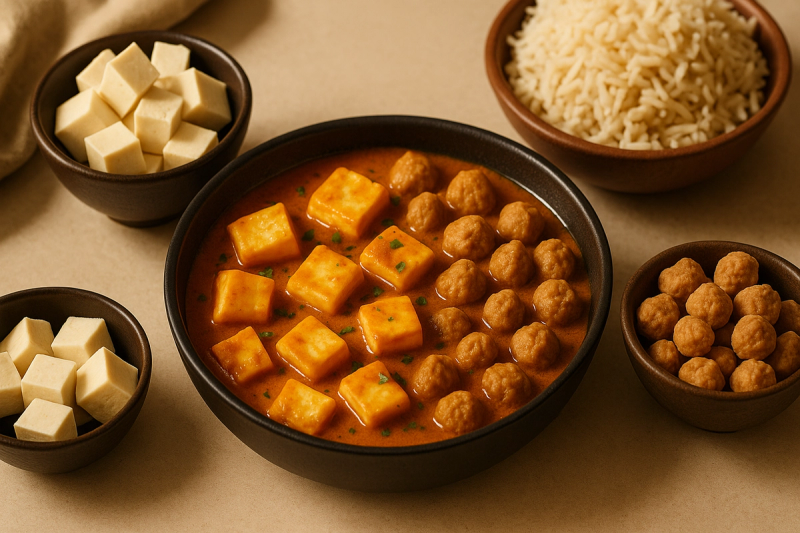
#Paneer is fresh Indian cheese, mild and creamy, usually made with milk curdled using lemon juice or vinegar. It doesn’t melt like mozzarella, which is exactly why it works so well in gravies, tikkas, bhurji, kebabs, rolls, all that. Tofu is soy-based, usually softer in flavor, and depending on whether you buy silken, soft, firm, or extra-firm, it behaves very differently. For Indian food, extra-firm or firm is usually the move. Soya chunks are made from defatted soy flour, dried and shelf-stable, and they need soaking before use. They’re cheap, high in protein, and weirdly brilliant in masala-heavy recipes because they absorb flavor like mad.
That’s the first big thing people miss. They ask which tastes best on its own. Well... paneer, obviously. Plain paneer is pleasant. Plain tofu is mostly a blank page. Plain soya chunks are not exactly a snack unless you enjoy punishment. But Indian cooking rarely asks ingredients to stay plain. It asks them to carry tadka, onion-tomato masala, kasuri methi, pepper, ginger-garlic, mustard seeds, coriander powder, green chilli, smoke, char. In that context, the answer changes.
For rich North Indian gravies, paneer still rules. Sorry, it just does
#Let me say it clearly. If you’re making butter masala, shahi gravies, kadai style, lababdar, paneer makhani, paneer pasanda... paneer is still the king for me. It has that soft resistance when you bite in, that dairy sweetness that calms down spice, and it feels right with cream, butter, tomato, cashew, and onion-heavy sauces. Tofu can work here, yeah, especially if you want a vegan version, but it doesn’t naturally bring that richness. You have to build it around tofu with better gravy, stronger seasoning, maybe a touch of cashew cream or coconut cream, maybe even smoked oil, otherwise the whole thing can taste thin.
- Best with paneer: butter masala, kadai paneer, paneer tikka masala, matar paneer, palak paneer, paneer bhurji
- Can work with tofu too: palak tofu, vegan tikka masala, chilli tofu, tofu bhurji if you season it hard enough
- Best surprise use for soya chunks: keema-style masala, kofta-ish curries, stuffed kulchas or paratha filling
And yes, I know some modern restaurants are doing whipped tofu makhani and all sorts of updated plating stuff in 2026. Some of it is genuinely delicious. There’s been a bigger push lately toward plant-forward Indian menus, especially in metro cities and newer cafés, and chefs are finally treating tofu like an ingredient instead of just a substitute. That’s a good trend, honestly. But if you ask me what I crave with naan after a long week, I’m not gonna lie to your face. It’s paneer.
But tofu is winning in one area big time: versatility and modern Indian home cooking
#Now this is where I had to humble myself. Over the last couple years, especially with more people wanting high-protein meals, dairy-light meals, vegan options, or just less expensive everyday cooking, tofu has gotten way better. Not just in availability, but in quality. The firmer tofu blocks you get now in many Indian cities and online grocery apps are miles ahead of the sad watery ones from years back. A lot of home cooks in 2026 are freezing and thawing tofu first so it gets a more spongey, meaty texture, then pressing it and marinating it with ajwain, chilli, haldi, dahi-style vegan marinade, or even pickle masala. That trick? Genuinely excellent.
Tofu shines in recipes where you want the masala to do the talking. Achari tofu. Chilli tofu with Indo-Chinese style sauces. Pepper fry tofu. Tofu scramble with onion, tomato, turmeric and black salt. Even tofu in chettinad-ish gravies works if you pan-sear it first. My best tofu dish lately was a hariyali tofu tikka that I made for friends who swear they can ‘always tell’ when something is healthy. They inhaled it. One of them asked if it was a new kind of paneer and I decided to take that as a compliment, even though it’s not quite right.
Soya chunks are the dark horse, and I’m tired of pretending they’re not
#This one I feel weirdly passionate about. Soya chunks have been around forever in Indian homes because they’re affordable, protein-heavy, easy to store, and useful when the fridge is looking empty. But they still have this old-school diet-food image. I think that’s changing a bit in 2026 because high-protein eating is everywhere now. Gym meal prep people love them, busy office-goers love them, students absolutely should love them because they’re cheap, and honestly anyone making weeknight Indian food should keep a packet around.
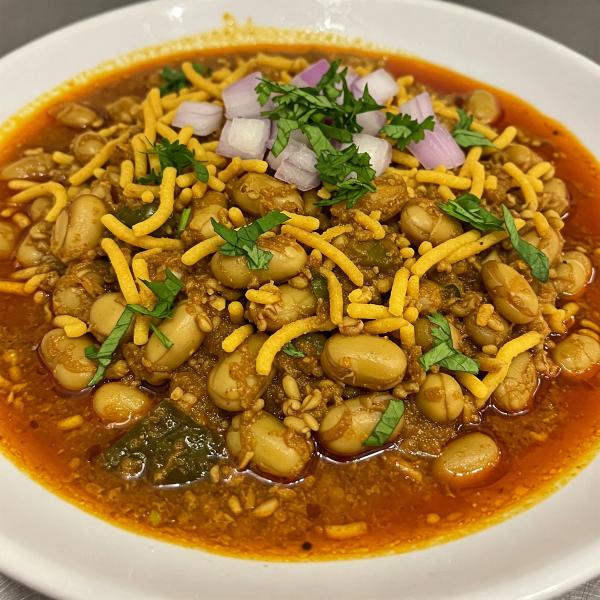
The problem is most people cook them badly. They soak them, squeeze once, toss into weak gravy, and then complain they taste weird. Of course they do. You need to boil or soak them well, rinse if needed, squeeze them thoroughly, and then season them like you mean it. I usually simmer them, squeeze out the water two times, then marinate with ginger-garlic, chilli powder, coriander powder, little curd or lemon, salt, maybe garam masala, maybe mustard oil. Then sauté. Suddenly they’re not weird at all. They become these savory chewy bites that are amazing in masala pulao, curry, dry sabzi, wraps, and especially soya keema.
- If you want kebabs or tikkas with creamy richness, pick paneer
- If you want a vegan, lighter, very adaptable ingredient, pick tofu
- If you want max protein on a budget and don’t mind a bit of prep, pick soya chunks
Texture matters more than nutrition charts, but okay let’s talk nutrition too
#Every single conversation on this topic eventually turns into protein math. Fine. Broadly speaking, paneer is rich in protein but also carries more fat because of the milk solids, especially full-fat paneer. Tofu usually gives you good protein with lower saturated fat and is often lighter overall. Soya chunks are the protein bombs of the lot, very high in protein by dry weight, which is why they keep popping up in meal-prep reels and gym lunchboxes. They’re also high in fiber compared to paneer. But nutrition isn’t just one number on Instagram. It’s what suits your body, your wallet, and how often you’ll actually eat it.
If someone’s trying to eat more whole, plant-based food or cut dairy, tofu makes obvious sense. If someone needs a filling, satisfying option and just really enjoys dairy, paneer is not the villain. And if someone wants affordable high protein in Indian recipes, soya chunks are almost unfairly useful. I’ve seen a lot of newer product launches too, with pre-seasoned tofu cubes, ready-to-cook soy granules blends, and cleaner-label high-protein staples marketed specifically for Indian dishes. Some are great, some are just expensive packaging, so don’t blindly trust trendiness. A basic block of tofu and a packet of soya chunks can still outdo the flashy stuff.
The restaurant thing... where I think chefs get it right and wrong
#In restaurants, paneer still dominates because people order what they know. Makes sense. A lot of newer Indian and Indian-fusion spots, though, have started putting tofu on the menu more confidently rather than hiding it in a token vegan section. I’m into that. When a chef gives tofu proper treatment, like charred edges, robust seasoning, smoked gravies, fermented chilli sauces, crunchy garnishes, it can be brilliant. The worst thing is when a place just swaps paneer for tofu in the exact same dish and calls it innovation. That’s lazy, sorry.
And soya chunks? Restaurants still underuse them, which is kind of wild. There’s so much potential there for soya seekh, soya pepper fry, soya kheema pav, laccha paratha wraps, little smoky skewers. I’ve had a soya chaap-style dish recently that reminded me why textured soy does so well in spice-heavy food. There’s definitely a broader 2026 trend toward protein-forward Indian comfort food, and I hope chefs stop acting like soya chunks are beneath them. They’re not glamorous, sure, but neither were many peasant ingredients before restaurants made them cool.
If you cook Indian food at home, here’s my brutally honest ranking by dish type
#| Dish type | Best pick | Why it works |
|---|---|---|
| Rich tomato-cashew gravy | Paneer | Creamy, mild, naturally luxurious |
| Vegan curry or lighter weeknight sabzi | Tofu | Absorbs flavor, less heavy |
| Bhurji or scramble | Paneer or tofu | Paneer for richness, tofu for spice absorption |
| Keema style masala | Soya chunks | Great chew and takes masala beautifully |
| Tikka/skewers | Paneer | Best texture after grilling |
| Meal prep bowls/wraps | Tofu or soya chunks | Higher protein, affordable, holds seasoning |
| Pulao/biryani add-in | Soya chunks | Stays chewy and flavorful |
| Palak-style dish | Paneer or tofu | Both work, depends if you want dairy or not |
A few mistakes I’ve made so you don’t have to
#With paneer, the biggest mistake is overcooking. People fry it till it turns rubbery and then wonder why it squeaks. Please don’t. If using store-bought paneer, soak in warm water for a bit or add it near the end. With tofu, the mistake is not pressing it enough and then under-seasoning it. Tofu needs help. Give it some. Salt it properly, marinate it, sear it. With soya chunks, the mistake is weak prep. Squeeze, season, cook long enough to let masala get inside. Actually, if you only remember one sentence from this whole ramble, let it be this: don’t treat tofu or soya chunks like paneer and expect paneer results.
- Paneer likes gentle handling
- Tofu likes structure, heat, and assertive flavor
- Soya chunks like prep work and bold masala
So... which one is best for Indian cooking?
#Here’s my annoying but true answer. Paneer is the best for classic indulgent Indian cooking. Tofu is the best for modern flexible Indian cooking. Soya chunks are the best for practical high-protein Indian cooking. That’s it. Three winners, different moods. If your heart wants comfort, paneer. If your weeknight needs speed and adaptability, tofu. If your budget and protein goals are yelling at you, soya chunks. I know that’s not a dramatic one-word conclusion, but it’s the one I actually believe.
And if you ask me what I keep in my kitchen? All three. Always, or almost always. Paneer for when I want joy, tofu for when I want to experiment, soya chunks for when I want a meal that works hard. Food doesn’t need these silly purity wars. Indian cooking has always adapted, borrowed, changed, improvised. That’s part of why it’s so good. One week you’re making matar paneer that tastes like childhood. Next week you’re crisping chilli tofu in a cast iron pan. Then suddenly it’s Tuesday and you’re making soya chunk masala because rent is due and protein is expensive and somehow it turns out amazing anyway.
Anyway, that’s my very biased, very lived-in take on paneer vs tofu vs soya chunks. Try all three, don’t be snobby, season fearlessly, and trust your tastebuds over internet shouting. And if you like these slightly obsessive food rambles, I keep finding fun reads over on AllBlogs.in too... worth a scroll when you’re in that hungry mood.