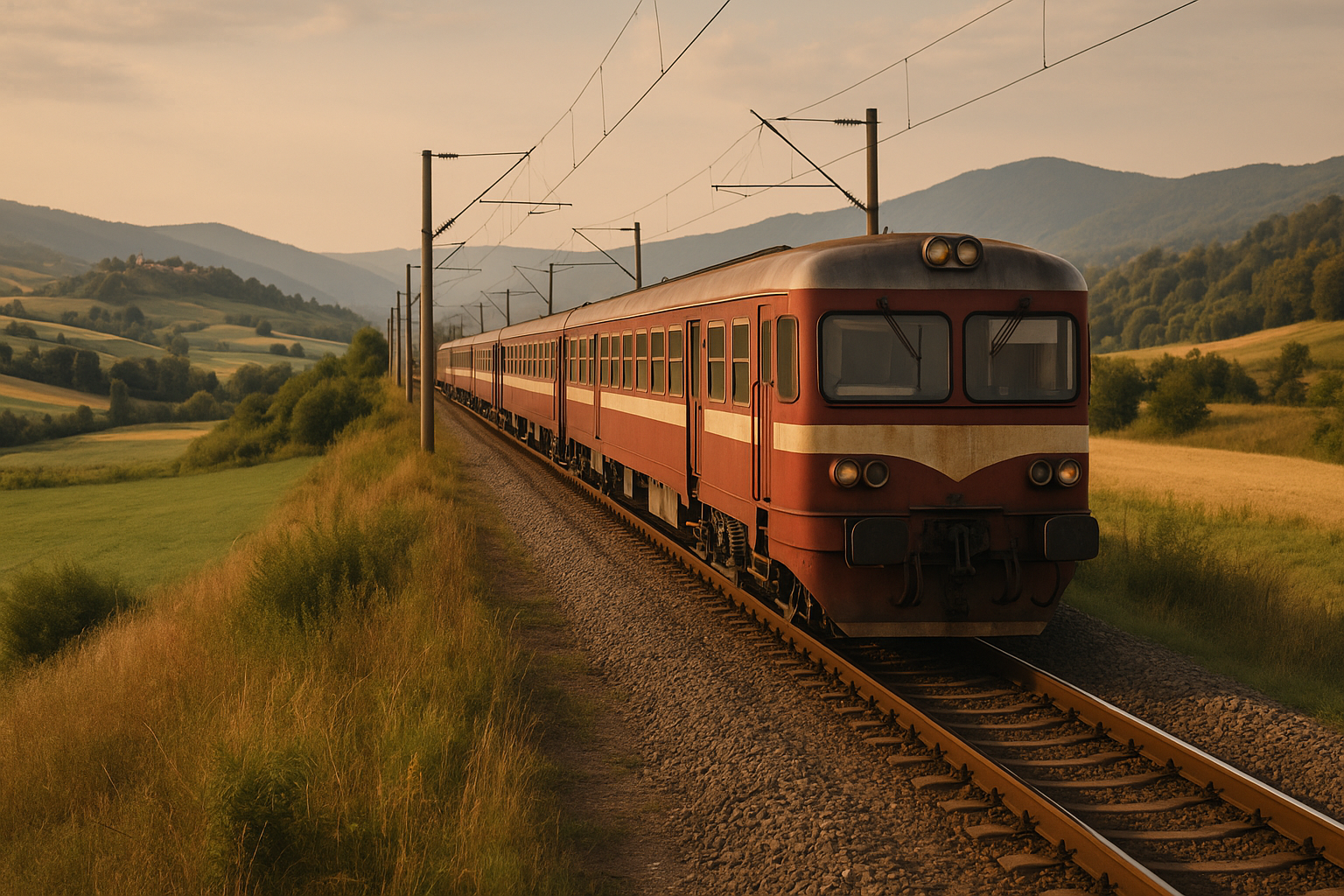
Romania surprised me. Like genuinely. I went in thinking it would be a nice, affordable Eastern Europe trip with a few castles, some scenic train rides, and maybe a bit of old-town charm. What I got was way more layered than that. Cheap-ish trains, dramatic mountains, towns that looked like storybooks, people who were a bit reserved at first but actually very warm, and food that felt weirdly comforting to an Indian stomach once I stopped overthinking it. If you’re planning Romania by train on a budget, this 6-day itinerary is basically what I’d recommend after doing it myself, making a couple silly mistakes, and learning on the go.
And yes, train travel in Romania is still one of the best ways to do the country if you’re not renting a car. It’s slower than some parts of Europe, no point pretending otherwise, but that’s also kind of the charm. You see villages, forests, stations that look frozen in another decade, old ladies with shopping bags, students half-asleep, and suddenly the trip feels real. Not polished. Real. For Indian travelers especially, I think Romania is one of those places where budget and beauty actually meet in the middle... which doesn’t happen enough, honestly.
Why Romania works so well for a budget train trip
#First thing, it’s not dirt cheap in the way some old blog posts make it sound, so don’t expect magic. Prices have gone up a bit in the last couple years, specially in Bucharest, Brașov and Sibiu. But compared to Western Europe, it’s still very manageable. If you travel second class, stay in hostels or simple guesthouses, eat local, and don’t blow cash on fancy Dracula-themed nonsense every day, you can do Romania on a decent budget.
- Second-class train tickets between major cities are usually affordable, often somewhere around 30 to 90 RON depending on route and train type
- Hostels in bigger tourist cities usually start around 60 to 120 RON for a dorm bed, and budget private rooms can be around 140 to 250 RON
- A filling local meal can still be found for roughly 25 to 50 RON if you avoid super touristy places
- Many old towns are best explored just by walking, which is nice for your budget and your head both
Also, safety wise, I felt pretty okay throughout the trip. Usual city precautions apply, of course. Watch your bag in crowded stations, don’t flash cash, avoid drunk drama late at night. But overall Romania felt safer than some people assume. Bucharest has some rough-looking corners, sure, but rough-looking and unsafe are not always the same thing. As a traveler from India, I honestly found public transport and station areas less overwhelming than many of our big city terminals back home. That was a relief.
Before you go: a few things I wish someone had told me
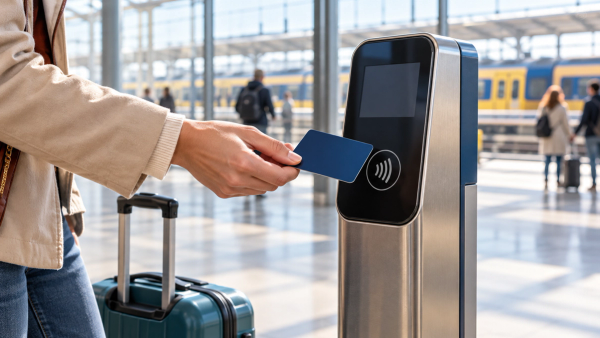
#Book trains through CFR Călători, which is the national railway operator, or buy at stations if you like doing things the old-fashioned way. Online booking is useful, especially for InterRegio trains on popular routes. Not every train is shiny and modern, so keep expectations normal. Delays happen. Toilets can be hit or miss. Sometimes the compartment looks tired. Then suddenly the window opens to these absurd green hills and you forget everything. Romania is like that.
Currency is Romanian Leu, not euro in most day-to-day situations. Card payments are common in cities, but cash still helps for smaller shops, station kiosks, buses, and random bakery stops. Best months? I’d say May to June and September to early October are ideal. Summer is lively and good for mountain routes, but July-August can get crowded in tourist towns. Winter is beautiful too if you want Christmas markets and snowy Brașov/Sibiu vibes, but train delays and cold-weather logistics become more of a thing. Kinda obvious, but still.
Day 1: Bucharest — messy, grand, confusing, fun
#I started in Bucharest, and my first reaction was... huh. It’s not one of those cities that flirts with you instantly. It takes a bit. There are elegant old buildings, then giant communist-era blocks, then trendy cafes, then a street that looks a little tired, then suddenly a beautiful bookstore. It felt chaotic in a way I weirdly enjoyed. Spend your first day here, but don’t overstay if you’re mainly in Romania for the scenic train bit.
What I did was simple. I checked into a budget hostel near the center, dropped my bag, and walked through the Old Town, Calea Victoriei, and around Revolution Square. Then I visited the exterior of the Palace of the Parliament, which is one of those places that is honestly so excessive it becomes fascinating. If you have time and energy, the Therme spa outside the city is popular, but for a 6-day budget trip I’d skip it unless that’s really your thing. I’d rather save the money for mountain towns and food.
Budget tip from my own stupidity: don’t eat in the first flashy place you see in Old Town. I paid too much for a very average meal there. Walk 10-15 minutes away and prices improve. A decent first-day budget in Bucharest can be around 180 to 300 RON including stay, food, local transport, and one paid sight if you want. Metro is cheap, practical, and not hard to use. Uber/Bolt also works well if you arrive late or with luggage.
Day 2: Bucharest to Brașov — the train ride where Romania starts showing off
#This route is the one that made me go quiet. The Bucharest to Brașov train usually takes around 2.5 to 3 hours depending on service, and for a budget traveler it’s a very easy win. Leave in the morning if you can. The landscape slowly changes and by the time the hills and mountain views start getting dramatic, you’re glued to the window like a child. Me, fully pretending I was calm, while internally I was like bhai wah.
Brașov is probably the easiest Romanian city to love. Compact old town, mountain backdrop, walkable center, plenty of hostels and guesthouses, and enough to do without needing a big budget. I checked into a simple place near the center and spent the rest of the day walking around Piața Sfatului, the Black Church area, Rope Street, and the little alleys nearby. If the weather is clear, go up Tampa Mountain by cable car or hike one way. The view over the red roofs is worth it. Proper worth it.
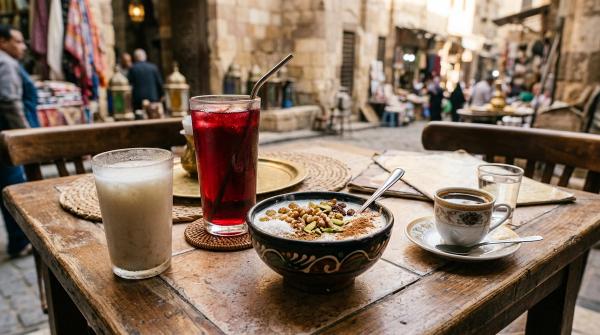
Food wise, this was where I started getting comfortable with Romanian meals. Try ciorbă, which is sour soup and very satisfying, especially if it’s cold outside. Sarmale is another classic, cabbage rolls usually stuffed with meat and rice. Also papanasi for dessert, which is one of those dishes I still think about more than I should. Kind of like doughnut-meets-cheesecake-meets-chaos. Not delicate. Very good.
Day 3: Bran or Sinaia as a day trip — pick your mood
#This is where people get confused because every Romania itinerary starts screaming DRACULA!!! and honestly... calm down. Bran Castle is fine, atmospheric even, and if you’ve never been then sure, go once. It’s easy from Brașov by bus and works well for a budget day. But if you want my real opinion, Sinaia and Peleș Castle gave me a stronger wow moment. Slightly different vibe though. Bran is the famous one. Sinaia is the elegant one.
If you choose Bran, leave early, go before the day-trip crowds pile in, and combine it with a bit of time in nearby Bran village or Râșnov if possible. If you choose Sinaia, take the train from Brașov, then visit Peleș Castle from outside even if tickets/timing don’t work inside. The castle looks unreal. There’s also the Sinaia Monastery and mountain air that somehow makes every chai craving feel more dramatic. I chose Sinaia first, then did Bran later on another trip. No regrets.
Expected day budget here can vary a lot, but roughly 100 to 220 RON depending on transport, entry fees, and how many coffees you emotionally require. One small note, castle schedules can change by season and some places close on certain weekdays or have reduced winter hours, so check official sites before going. Sounds basic, but this one thing saves so much annoyance.
Day 4: Brașov to Sighișoara — slower pace, medieval mood
#On day four, I took the train to Sighișoara. This ride is less famous than Bucharest-Brașov but I really liked it. It felt slower, more local, less performative somehow. Sighișoara itself is one of the prettiest towns in the country, and because it’s smaller, it gives you breathing room. You can actually hear your own thoughts there, which after a few busy travel days feels nice. Needed, even.
The UNESCO-listed citadel area is the main draw, and yes, it’s touristy, but not in an unbearable way. Cobblestone lanes, colorful houses, old towers, views over the town. I spent half a day just wandering with no plan. The Clock Tower area, the Covered Staircase, and the church on the hill are all easy additions. Also, since this town is linked to Vlad the Impaler lore, you’ll see little references everywhere. Some are fun. Some are a bit tacky. Romania tourism has accepted the Dracula thing but doesn’t always let it dominate, which I appreciated.
Stay one night here if your budget allows, because Sighișoara in the evening feels very different once the day crowds thin out. A quiet square, yellow lights, not many people around... lovely. Budget accommodation is a little more limited than Bucharest or Brașov, but still possible. Think around 80 to 140 RON for a dorm or simple budget stay if booked in advance, and more for charming old-town guesthouses.
Day 5: Sighișoara to Sibiu — maybe my favorite stop, if I’m being honest
#I didn’t expect Sibiu to become my favorite, but yeah, it kinda did. It has that polished old-town beauty people talk about, but it still feels livable, not just staged for tourists. The large squares, pastel buildings, those famous rooftop windows that look like eyes... I know that sounds dramatic, but the city really does have a personality. It’s one of the places where I could imagine slowing down for a week, working from a cafe, doing nothing much. Which is usually a good sign.
The train from Sighișoara to Sibiu is straightforward, and once you arrive, you can explore most of the center on foot. Walk through Piața Mare, Piața Mică, the Bridge of Lies, and the lower town. If you like museums, there are enough options, but on a 6-day trip I’d say just enjoy the atmosphere first. Sit somewhere, order coffee, maybe a pastry, and let the place sink in a little. We rush too much while travelling, no? I do, anyway.
Sibiu is also good for food. I found a few places serving hearty local dishes at fair prices, and because the city has a strong domestic tourism and festival culture, the food scene feels more alive than in some smaller towns. During warmer months and holiday periods, there are often cultural events, small concerts, open-air happenings, and seasonal markets in the squares. If your dates line up, great. If not, Sibiu still works beautifully without any event.
Day 6: Back to Bucharest, or stretch the trip if you can
#On day six, you basically have two choices. Either take the train back to Bucharest and fly out, or if your schedule is flexible, add one more night somewhere in Transylvania and stop pretending six days is enough. Because it isn’t. But okay, if you must wrap it up, then Sibiu to Bucharest by train is doable, though it’s longer, usually around 5 to 6 hours or more depending on service. Book in advance if timing matters a lot.
If your flight is the same day, leave a proper buffer. Romanian trains are generally useful, but they are not famous for Swiss-level punctuality. Don’t cut it too close and then blame the country yaar. That one is on us. I stayed my final night in Bucharest because I didn’t want last-day stress, and I’d recommend that for anyone with luggage, visa docs, airport transfers, all that stuff.
My rough Romania budget for 6 days by train
#This obviously depends on your style, but for a proper budget trip without being miserable, this is a realistic range. Not luxury, not backpacker-extreme either.
| Category | Budget Range for 6 Days (RON) | Notes |
|---|---|---|
| Train travel | 180 - 380 | Second-class tickets across major routes |
| Stay | 420 - 900 | Dorms or budget private rooms |
| Food | 180 - 420 | Mix of bakeries, supermarkets, local restaurants |
| Local transport + entries | 150 - 400 | Buses, cable car, one or two castle/museum tickets |
| Total | 930 - 2100 | Wide range based on comfort level |
In INR terms, it’ll shift with exchange rates obviously, but Romania can still be more affordable than many mainstream Europe circuits. For Indian travelers doing Schengen alternatives or broader Europe combos, it’s a smart add-on. Just note Romania has been evolving in its European travel setup and entry rules discussions over time, so always check the latest visa/entry conditions from official sources before booking. Don’t rely on one random Instagram reel, please.
Food, people, small things that stayed with me
#One thing I liked a lot was how un-fake the trip felt. Romania isn’t trying too hard to impress you all the time. Sometimes a station looks a bit worn out. Sometimes the service is blunt. Sometimes a town square is magical at sunset and then weirdly empty by 9 pm. But that mix is exactly what made it memorable. I had bakery breakfasts, supermarket picnics, soups that fixed my mood, and long train stretches where nobody said much and the countryside did all the talking. It reminded me that not every trip has to be over-curated to be special.
Locals were generally helpful, though not always in the super-smiley tourist-service way people expect. Once I asked for directions near a station and the man looked almost annoyed... then walked me halfway there. That sort of thing happened more than once. English is common enough in tourist areas, especially among younger people, but learning a few Romanian words helps. Even a small buna or multumesc changes the energy a bit.
Final thoughts on doing Romania by train on a budget
#Would I recommend it? Fully, yes. Especially if you like a trip that has scenery, history, decent prices, and just enough unpredictability to keep it interesting. Bucharest, Brașov, Sinaia or Bran, Sighișoara, Sibiu — this route gives you a really solid first taste of the country without needing a car or a huge budget. It’s not the fastest trip, and that’s fine. Honestly, the slowness became part of why I loved it.
If you go, don’t try to see all of Romania in six days. You can’t. Pick a rail route, leave room for delays and detours, eat the dessert even when you’re already full, and look out of the train window properly instead of editing photos the whole time. Trust me on that one. And if you like travel stories that feel a bit more real and less brochure-ish, you can check out more on AllBlogs.in.