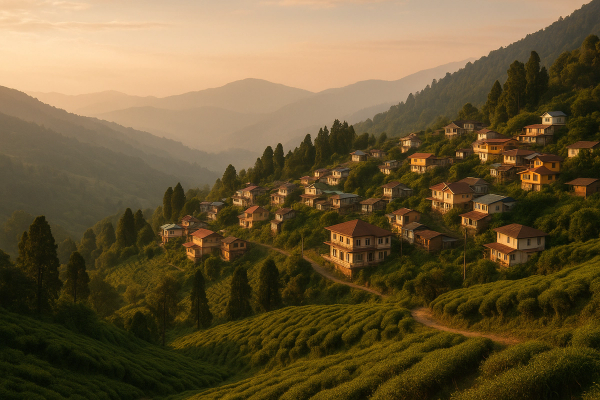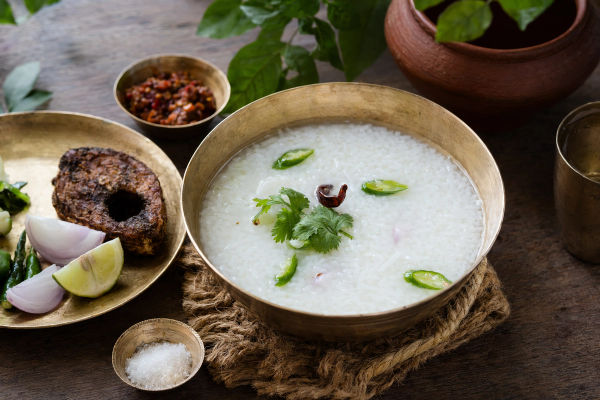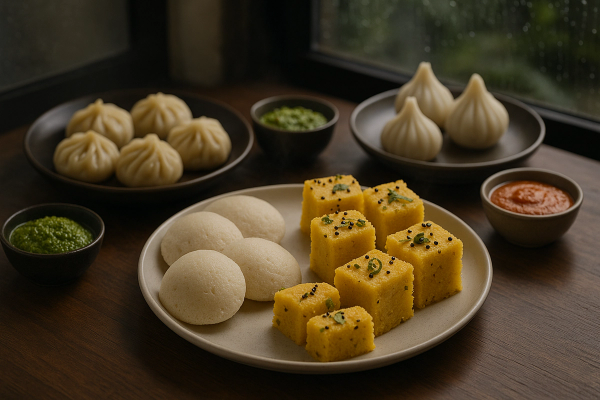
Monsoon road trips in India sound wildly romantic on Instagram. Misty ghats, steaming chai, green hills, playlists, windows fogging up, that one friend insisting on taking “candid” photos when you're clearly mid-bite... all that. And honestly, yeah, sometimes it really is that magical. But also? Wet hands, damp packets, questionable roadside mayo, traffic jams that turn a 4-hour drive into 8, and that horrible moment when everybody in the car is hungry at the same exact time. I’ve done enough rainy-season drives now, Mumbai to Goa, Bengaluru to Coorg, Delhi to Mussoorie, Kochi to Munnar, that I’ve become a bit obsessive about travel snacks. Not cute snacks. Safe snacks. Stuff that survives humidity, bumps, delays, and human greed.
This post is basically my running notebook of what actually works on Indian monsoon road trips if you love food but don’t want to spend the whole ride regretting a bad sandwich. I’m mixing in places, dishes, little food memories, and what I’m seeing more of in 2026 too, because travel food has changed a lot lately. Highway food plazas are better than they used to be, clean-label Indian snack brands are having a moment, protein-forward namkeen is weirdly everywhere, and a lot more travelers are asking not just “is it tasty?” but “will this make me sick somewhere near a landslide-prone bend?” A fair question, lol.
The basic monsoon snack rule I learned the hard way
#A few years back on the Pune to Mahabaleshwar route, me and my friends packed cream rolls, cut fruit, roadside sandwiches, chips, and one box of gulab jamun because apparently we had no survival instincts. By hour three everything was either soggy, sticky, crushed, or suspicious. The sandwiches went first. Fruit started tasting warm in a bad way. Somebody dropped syrup on the gear area. Never again. Since then, my rule is pretty simple: in monsoon, travel snacks need to be low-moisture, easy to portion, not too messy, and okay sitting in a bag for several hours. Bonus points if they don’t trigger instant thirst, because finding a clean washroom in the rain is its own epic side quest.
If a snack needs refrigeration, a spoon, two napkins, and faith... it probably doesn’t belong on a monsoon road trip.
What I actually pack now, and why these snacks are safer
#The heroes, for me, are the boring-sounding things that somehow become incredible when it’s raining outside and the road is blocked by a truck trying to overtake another truck. Roasted makhana. Dry thepla. Khakhra. Chikki. Roasted chana. Peanut laddoo. Murukku if I’m heading south. Banana chips only if they’re not too oily. Small packs of fox nuts with masala. Trail mix with cashews, almonds, raisins, pumpkin seeds. Plain biscuits for emergency stomach weirdness. And then one comfort snack that’s emotional, not practical, like homemade shankarpali or nippattu or my aunt’s curry-leaf sev. You need one snack chosen by your heart, not the spreadsheet in your head.
- Dry thepla with a light smear of pickle oil, not actual wet pickle, travels crazy well and doesn’t crumble too much
- Roasted chana and peanuts are cheap, filling, and survive heat plus humidity better than fancy snack bars
- Chikki is brilliant on long drives because it gives quick energy and doesn’t spoil easily
- Makhana works if packed airtight, otherwise it goes limp and sad real fast
- Khakhra is elite, but only if you protect it like newborn glassware
I’ve also become very picky about packaging. In 2026, there are way more resealable Indian snack pouches than even two or three years ago, and thank god for that. Brands pushing millet crisps, baked jowar puffs, vacuum-packed roasted legumes, and preservative-light regional snacks are all over airports and modern retail now. Some of it is trend-chasing, sure, but some of it is genuinely useful for road travel. The cleaner-label movement is very real, and travelers are reading ingredient labels more. I am too. If the back of the packet reads like a chemistry entrance exam, I usually put it back unless I’m deeply desperate.
Regional snacks just hit different on the road
#This is the fun bit. I don’t just pack “safe” snacks, I try to pack for the route. Going toward Gujarat or Maharashtra? Thepla, khakhra, dry kachori, peanut chikki. Karnataka side? Nippattu, kodubale, thattu vadai if I can get a good fresh-but-dry batch, and tiny packets of spiced peanuts from local stores. Kerala road trips, especially rainy ones toward Wayanad or Munnar, I lean into banana chips, tapioca chips, roasted coconut chips, achappam if it’s very fresh and dry. North Indian hill drives, mathri and ajwain biscuits are honestly unbeatable with chai at a foggy stop. Rajasthan routes? Bikaneri bhujia in controlled amounts, because too much and everyone starts chugging water like they’re crossing a desert, which... okay, fair.
I remember one drive from Ahmedabad toward Saputara during heavy rain where we stopped at a small store and bought methi thepla still slightly warm, plus vacuum-sealed masala peanuts and a block of sesame chikki. That combo carried us through a delayed drive way better than the expensive café stop later. And the thing is, this is what I love about food travel in India. Even your snack strategy changes with geography. The road teaches you local common sense if you let it.
What I avoid now, even if it breaks my foodie heart a little
#I know, I know. This sounds unromantic. But monsoon is not the season for reckless optimism. I avoid cut fruits unless they’re cut by me and eaten quickly. I avoid mayonnaise sandwiches from random highway counters. I avoid chutney-heavy rolls that sit around. I avoid cream pastries from display cases during power fluctuations. I’m cautious with uncovered fried snacks if they’ve been sitting in damp air for hours. And I’m extra careful with seafood on long drives unless I’m eating it hot, fresh, and immediately at a trusted stop. That’s not me being snobbish, just older and a tiny bit traumatised by a very bad vada pav-adjacent decision outside Lonavala. We don’t need the details.
- Skip anything with fresh coconut chutney if you can’t eat it right away
- Hot, freshly fried food is safer than room-temp stuffed bread hanging out under a fan
- Sealed water, tetra-pack drinks, and your own flask usually beat mystery dispensers
- If a place looks packed with locals and has high turnover, that’s usually a better sign than a lonely flashy stop
Actually this matches what more Indian travelers seem to be doing in 2026 too. There’s a noticeable shift toward “smart indulgence” on roads. People still want regional treats, but they’re looking for hygienic packaging, traceable sourcing, and smaller portions. A lot of newer highway food courts have added local snack counters with sealed products, and even some premium fuel stations on major corridors are stocking better artisanal options, millet mixes, protein bars, cold brew, electrolyte drinks, all that urban-health-trip crossover stuff. A bit overpriced? Oh absolutely. Useful? Also yes.
My favorite monsoon road food stops right now
#Okay so this isn’t a best-restaurants list exactly, because road trips are messy and timing matters more than rankings. But there are routes where food has become part of why I go. On the Mumbai-Goa highway and the newer coastal detours people keep raving about, I still think the best strategy is carrying your core snacks and then stopping for hot local food only at trusted places. In the Konkan belt, fresh ghavne, usal, poha, and bombil fry are amazing if you’re stopping properly and eating then and there. On Bengaluru-Coorg routes, filter coffee stops and hot kodubale purchases from reliable local bakeries are half the joy. Delhi to the hills, I almost always look for fresh pakoras, bun omelette, or aloo paratha at clean, busy dhabas rather than trying to make one giant meal out of random nibbles.
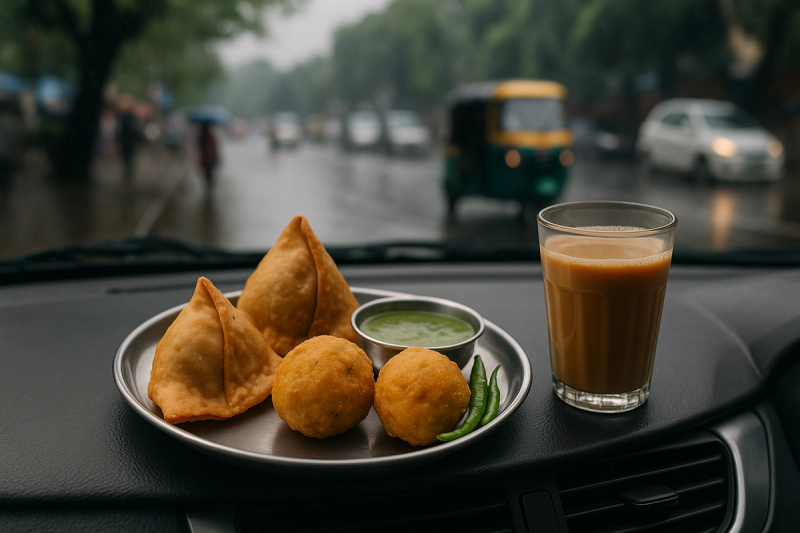
And yes, culinary destinations have gotten sharper in 2026. More people are planning trips around food trails, not just viewpoints. Coorg for coffee and pork dishes, Goa beyond beaches for local bakeries and seasonal monsoon menus, Kochi for new-gen Kerala cafés doing traditional ingredients in modern ways, Jaipur and Udaipur for snack shops that have gone national on social media, Hyderabad for drive-worthy breakfast and bakery routes. But weirdly, the best monsoon travel food memory is still often something tiny. A clean steel tumbler of hot chai with two crisp mathris while rain smacks the windshield. Hard to beat that.
A word on homemade snacks, because moms and aunties were right annoyingly enough
#I fought this for years because I wanted the thrill of buying everything on the road. But homemade snacks are still superior for monsoon drives. Not all homemade food, obviously. I’m not saying carry curd rice in a loose container and test destiny. I mean dry, sturdy, intentional snacks. Theplas layered in butter paper. Mini idlis tossed with podi only if eaten early. Dry coconut-less chutney powders. Besan cheela strips for same-day travel. Stuffed parathas only if the filling is dry and the weather’s not too brutal. My mum does this spiced flattened poori thing that sounds odd but keeps brilliantly for a day, and every single person acts unimpressed until they eat it.
One thing I’ve noticed recently is younger travelers are mixing old-school tiffin culture with new convenience products. So a bag will have homemade methi mathri, plus electrolyte tablets, plus kombucha cans, plus seed mix sachets, plus one expensive adaptogen bar someone bought at the airport because the packaging looked aspirational. I kinda love that. It’s chaotic, but it’s very now.
The new 2026 snack trends I’m seeing on Indian road trips
#Some trends are legit useful, some are very “this could have just been chivda, guys.” But here’s what keeps popping up. Millet snacks are still big, and now they actually taste better than the first cardboard wave. Jowar puffs, ragi crisps, bajra crackers, all much more common. High-protein Indian snacks are everywhere too, roasted edamame style products, lentil chips, chickpea puffs, peanut clusters with added seeds. Freeze-dried fruit has entered the chat, mostly in premium stores. Functional drinks are huge among younger road trippers: electrolyte sachets, low-sugar nimbu drinks, canned cold coffee, probiotic beverages, though I’m still cautious with the last one in a hot car. And there’s stronger interest in regional authenticity, which means nicer packaged versions of classics rather than just imported-style snack bars pretending to be universal.
- Millet-based travel snacks are no longer just a wellness punishment, some are genuinely good now
- Single-serve regional snack packs are more common at airports, gourmet stores, and some highway chains
- Travelers are carrying hydration powders way more than before, especially for long humid drives
- People still buy chips, obviously. We are a society, not monks
How I build a snack bag now so the whole car doesn’t revolt
#My system isn’t fancy, just tested. I keep one easy-access tote in the front and one backup bag in the back. Dry snacks only in the front. Wet wipes, tissues, small trash bags, hand sanitiser, and a napkin roll are non-negotiable. I portion things before leaving because if you hand someone a family pack of bhujia in a moving car, they will eat like they’ve never seen food before and then blame acidity on the weather. I freeze one or two water bottles the night before so they thaw slowly. I carry ginger candy or saunf for motion sickness. And I always add one “morale snack” for traffic despair. Usually dark chocolate, though in monsoon you need to pack it carefully or accept abstract art.
Oh and please don’t underestimate plain foods. There was a brutal stretch once near Chikkamagaluru where rain had slowed everything, everybody was cranky, and the only thing anyone wanted by then was salted crackers and hot tea. Not peri peri quinoa bites. Not truffle peanuts. Just plain, dry, reliable food. Monsoon travel humbles your palate a little, in a good way maybe.
If you do stop to eat, here’s my very non-glamorous checklist
#I look at handwashing access first. Then turnover. Then whether the fried food is actively being fried. Then whether tea is boiling hot. Then washrooms, because if those are horrifying I somehow trust the kitchen less, fair or unfair. I also pay attention to what locals are ordering repeatedly. On a rainy Nashik drive once, everybody was ordering misal and plain tea at a busy stop while the sandwich counter sat untouched. That told me enough. We ate the hot misal, carried our own dry snacks for later, and avoided the weird cold things. Zero regrets.
Road trip food doesn’t need to be fancy to be memorable. It just needs to be right for the weather, right for the road, and right for your stomach.
My forever monsoon snack shortlist
#If you asked me to pack in five minutes and leave right now, I’d take dry thepla, khakhra, roasted chana, peanut or sesame chikki, makhana, ajwain mathri, one local snack depending on route, ginger candy, sealed water, and a flask of chai. That’s the core. Then I’d leave room for one or two hot food stops where the weather and the road decide the mood. Because that’s part of why we go, no? Not to control every bite, but to be ready enough that when the really good stop appears, you can enjoy it properly instead of eating some damp sandwich from panic.
I still love the romance of monsoon driving in India. The hills turning neon green, the smell of wet mud near roadside stalls, hot corn in some places, tea in tiny glasses, radios going fuzzy, everyone getting weirdly philosophical when it rains hard. But safe snacks make that romance easier to enjoy. A good snack bag is such a small thing, and somehow it changes the whole trip. Less stress, fewer terrible food choices, more room for the actually memorable meals along the way.
Anyway, that’s my deeply opinionated list from way too many rainy kilometres and too many crumb-covered car seats. If you’ve got your own monsoon road snack ritual, I’d genuinely love to hear it, because people get very specific about this and I respect that. I keep writing these food-and-travel notes mostly so I remember the taste of these journeys later. If you’re into this kind of thing, poking around routes and snacks and small eating stops and all the rest, have a look at AllBlogs.in too, there’s always something fun to read there.