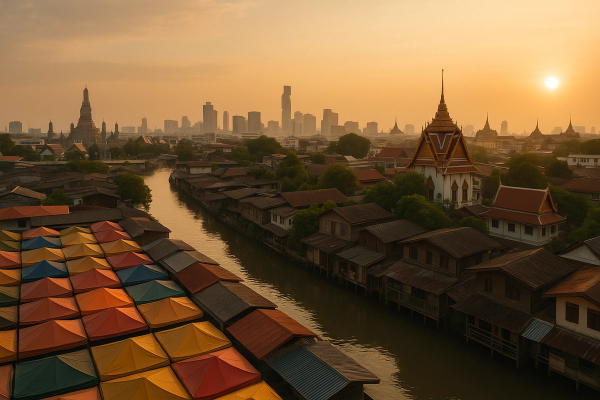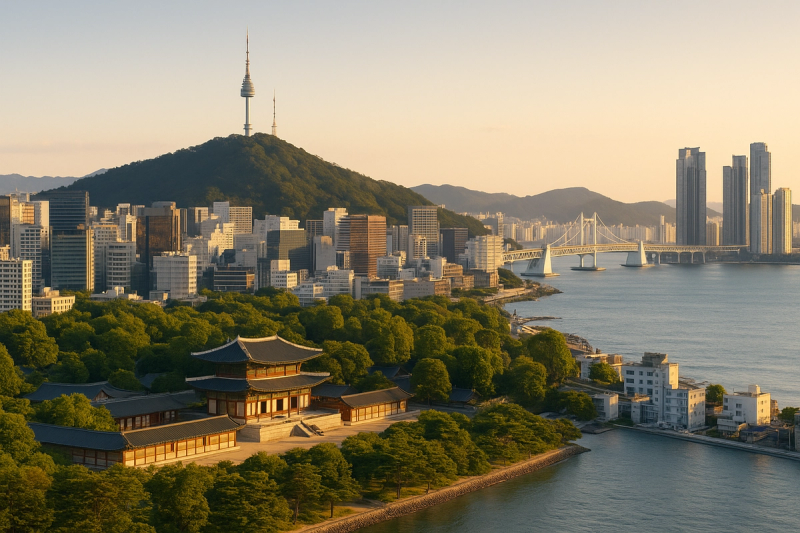
If you’re planning South Korea and keep getting stuck on the same question — Seoul or Busan first? — yeah, I get it. I had the exact same confusion. From India, both sound exciting in totally different ways. Seoul is all neon, palaces, shopping, K-drama energy, fast metro life. Busan is more sea breeze, beaches, seafood markets, slower rhythm, hills, and those colorful little neighborhoods that look almost unreal in photos. After spending time in both, my very unfiltered answer is this: for most Indian travelers, Seoul is easier at first... but Busan is less overwhelming. And weirdly, that means some people will enjoy Busan more even if Seoul is technically simpler on paper. Travel is funny like that.
I’m writing this as an Indian traveler who was constantly comparing things in my head with Delhi, Mumbai, Bangalore, even a bit of Goa and Kochi at random moments. Not because Korea is similar, it’s not really, but because that’s how we process a place, no? We compare food spice level, metro ease, hotel room size, vegetarian struggle, shopping value, public behavior, all of it. So this post is for people like us — Indians trying to figure out where they’ll feel less confused, spend less money, and have a smoother first trip.
The short answer, before I go on a full tangent
#If this is your first-ever South Korea trip, and you want convenience, transport, bigger hotel choices, more English support, more Indian food options, easier day trips, and less planning stress, go with Seoul. If you want a calmer city, easier pace, prettier coastal views, slightly lower stress, and you don’t mind fewer Indian food options and a more relaxed nightlife/shopping scene, Busan is honestly lovely. I know, that sounds like the most classic “it depends” answer ever... but trust me, the details matter.
For Indian travelers, Seoul is easier to manage. Busan is easier to breathe in.
Arrival, airport stuff, and that first-day confusion nobody talks about enough
#The first reason Seoul feels easier is simple: arrivals. Most Indian travelers land in or via Incheon, and Seoul has that whole international-arrival machine working smoothly. Airport signage is excellent, airport railroad connections are clear, airport buses are organized, and there’s a ton of info desks. Even if you’re sleepy and jet-lagged and your brain is running on one samosa from the flight, you can still figure it out. I did. Barely, but I did.
Busan usually becomes the second city after Seoul, unless you’re doing a specific route. Getting to Busan often means taking the KTX high-speed train from Seoul Station or a domestic connection. The KTX was amazing, super efficient, very on time, very clean... also very different from Indian train chaos. No chaiwala soundtrack, no dramatic platform confusion, no uncle asking where you’re from. Part of me missed that, not gonna lie. But for sheer ease, Seoul wins because there’s one less transfer and less room for messing up.
Also, recent travel flow has become pretty smooth again, with strong tourism infrastructure, card payments accepted almost everywhere, and safety levels in both cities staying high for solo travelers, couples, even small family groups. Korea generally feels very safe at night compared to many big cities globally. I was walking back after dinner in both Seoul and Busan and never got that constant alert-mode feeling I sometimes have in unfamiliar places. Of course, basic caution always, but still... comfort level was high.
Transport: Seoul is better connected, Busan is less mentally exhausting
#This is where things get interesting. Seoul’s public transport is, honestly, kind of insane in the best way. The metro is huge, punctual, color-coded, integrated with buses, and super useful. You can go almost anywhere with a T-money card or local transport card setup, and navigation apps make life much easier. But Seoul is BIG. Like properly big. Distances sneak up on you. What looks close on the map can become 45 minutes with line changes, station exits, stairways, and a little bit of confusion. So yes, Seoul is easier in terms of system quality. But is it less tiring? Not always.
Busan’s metro and buses are simpler. The city feels more spread by coastline and hills, but somehow less aggressive. I found Busan easier on my brain. Less switching, less rush, less crowd pressure. In Seoul, during office hours, I sometimes felt like if I stopped walking for 2 seconds the whole city would simply move around me and judge me silently. In Busan, people were still efficient, but the mood felt softer.
- Seoul metro convenience: excellent, maybe among the easiest big-city systems I’ve used
- Busan metro convenience: very good, but fewer lines and less complexity
- Seoul walking load: high, especially if you’re jumping between neighborhoods
- Busan walking load: also high in hilly areas like Gamcheon, but overall less draining day-to-day
- For elderly parents or first-time international travelers from India: Seoul is manageable, Busan may feel gentler
Language and English support — where I struggled less
#Let me be real here. English is not something you should heavily depend on in either city. You can get by, yes. But can you have long easy conversations everywhere? Nope. In Seoul, because of larger tourist flow, younger crowd, global chains, and major attractions, I found a bit more English support. Menus in tourist areas were easier. Subway signage was clearer. Staff at hotels and convenience stores in popular neighborhoods were more used to foreigners. That helped.
In Busan, I had a couple more moments of that classic travel panic where you smile, point, bow a little, and pray the app translation is making sense. It usually worked out. Koreans were polite and often helpful, just maybe not always verbally expressive in English. One auntie at a small eatery in Busan fully adopted me for 8 minutes because I looked lost with the self-order machine. She spoke almost no English, I spoke almost no Korean, and still somehow I ended up with hot soup and confidence. Human kindness, basically.
Food for Indians: this one matters more than people admit
#Okay yeah, this is a huge factor. Especially if you’re vegetarian, Jain, don’t eat beef, or just want one comfort meal after experimenting. Seoul is definitely easier for Indian travelers when it comes to food flexibility. There are more Indian restaurants, halal spots, vegan cafes, global food chains, convenience food choices, and neighborhoods where you can just search and find something familiar. Itaewon is the obvious example, but not the only one. I had decent biryani in Seoul, and while I’m not saying fly to Korea for biryani lol, the emotional support of familiar food is real.
Busan has Indian restaurants too, especially around touristy or expat-friendly areas, but the choice is thinner. Seafood lovers will adore Busan. If you eat fish, shellfish, grilled stuff, street snacks, and are open-minded, Busan can be fantastic. But strict vegetarians may have to do more homework. Korean food often looks veg and then sneaks in fish sauce, anchovy broth, or meat stock. That happened to me more than once. So ask carefully, use translation cards, and don’t assume. Convenience stores help a lot though — you’ll find triangle kimbap, breads, yogurt, bananas, instant noodles, salads, drinks, and random survival snacks.
One more thing for Indian taste buds: spice in Korea is not the same as our spice. Some food is genuinely hot, yes, but it’s a different profile. More fermented, more sweet-spicy, more gochujang-based. I liked it. But after 4-5 days, I started craving proper masala, proper chai, something with that home kick. Seoul solved that faster than Busan.
Budget check: which city is easier on the wallet?
#This surprised me a bit. I expected Busan to be much cheaper. It was cheaper, yes, but not massively in every category. Seoul has a huge range — hostels, guesthouses, business hotels, serviced apartments, luxury chains. Busan also has range, but Seoul’s competition sometimes throws up better deals if you book smart. Still, for mid-range stays, I found Busan a bit more comfortable for the money, especially around Seomyeon or near some metro-connected neighborhoods.
| Category | Seoul | Busan |
|---|---|---|
| Hostel bed | ₹1,800–₹3,500 | ₹1,500–₹3,000 |
| Budget hotel | ₹4,500–₹8,500 | ₹4,000–₹7,500 |
| Mid-range hotel | ₹8,500–₹16,000 | ₹7,000–₹14,000 |
| Local meal | ₹500–₹1,000 | ₹500–₹1,000 |
| Indian meal | ₹900–₹2,000 | ₹1,000–₹2,200 |
| Metro/bus ride | Usually affordable with transport card | Also affordable, often similar |
These are ballpark figures, obviously, depending on season, weekends, cherry blossom rush, beach season, and how late you booked. Around peak periods prices jump fast, especially in Seoul during major festivals and in Busan during summer weekends or big events around Haeundae. So if your budget is tight-tight, book early. Last-minute confidence is expensive there.
Where I’d tell Indians to stay in each city
#In Seoul, Myeongdong is still a very easy base for first-timers. Tourist-friendly, shopping everywhere, airport bus access, lots of food, central enough. Hongdae is better if you want youthful energy, cafes, street performances, and slightly more fun at night. Insadong is nice if you want a cultural feel. Itaewon helps if food familiarity matters a lot. I stayed between Myeongdong and Hongdae on different days, and honestly both worked for different moods. Myeongdong was convenient. Hongdae was more alive.
In Busan, I’d say Seomyeon is the easiest practical base. Great transport links, food options, shopping, less expensive than staying right by the fancy beach zones. Haeundae is the obvious scenic stay, very popular, beach access, more polished vibe, but can be pricier. Nampo is good if you’re into markets, old-city feel, and easy access to Jagalchi and BIFF area. I personally liked splitting Busan mood-wise — a practical stay first, then a beach-side stay later if budget allows. Best of both worlds, kind of.
Sightseeing style: what kind of traveler are you actually?
#See, this is maybe the biggest thing. Seoul gives you more “checklist travel” value. Palaces, Bukchon Hanok Village, N Seoul Tower, museums, shopping districts, Han River parks, themed cafes, beauty stores, K-pop everything, day trips like DMZ or Nami-side routes people love, and endless neighborhoods with different personalities. If you are the kind of Indian traveler who wants every day packed from 8 am to 11 pm, Seoul will feed that energy non-stop.
Busan is better if you want moments. Haeundae sunrise. Songdo cable car. Gamcheon Culture Village winding lanes. Temple by the sea at Haedong Yonggungsa. Gwangalli Bridge lights at night. A lazy coffee with ocean wind. That city got under my skin in a quieter way. Seoul impressed me. Busan stayed with me. Yeah, dramatic line, but true yaar.
Best time to visit — and when each city feels easiest
#For Indian travelers, spring and autumn are the easiest seasons for both cities. Roughly late March to May gives you cherry blossoms and mild weather, though crowds can be heavy and prices rise. September to early November is gorgeous too, crisp air, nice walking weather, less humidity. Summer is okay if you specifically want Busan beaches, festivals, and sea vibe, but it can get hot, humid, rainy, and sticky. Seoul in peak summer felt more exhausting to me than Busan. Winter is beautiful in a cinematic way, but if you’re not used to serious cold, be prepared properly. Korea winter is not “Shimla cute”, it can be proper face-freezing stuff.
If someone asked me the single easiest combo, I’d say: Seoul in spring or autumn for first-time cultural-city travel. Busan in late spring, early summer, or autumn if you want a gentler trip. And if you can do both in one journey, even better. The KTX connection makes that combo very practical.
Safety, local vibe, and what felt more comfortable as an Indian traveler
#Both cities felt safe. Very safe, actually, by normal tourist standards. Public transport at night was fine. Streets stayed active. Solo women travelers I met were generally positive about moving around. Lost items often get returned, which still blows my Indian brain a little bit because if I lose something in a random market back home, I start composing the goodbye speech instantly. Of course, don’t be careless, but yes, Korea overall has a strong reputation for safety and my experience matched that.
As for the local vibe, Seoul can feel a bit more distant at first. People are busy. Fast. Efficient. Not rude exactly, just in their lane. Busan felt warmer in a rough-edged way. A bit less polished, a bit more open, a bit more human maybe? Hard to explain. Also, as Indians, we sometimes wonder about stares or cultural awkwardness. I got occasional curiosity, nothing hostile. Dressing normally, being respectful, speaking softly in public transport, and basic etiquette goes a long way.
So... which city is easier for Indian travelers, really?
#If I had to choose only one answer for SEO, practical planning, and actual usefulness: Seoul is easier for most Indian travelers. Better arrival convenience, more hotel inventory, stronger tourist infrastructure, more Indian and vegetarian-friendly backup food, easier English support in main areas, and more things to do if it’s your first Korea trip. It’s the safer recommendation.
But if you’re asking me heart-to-heart, not just search-engine style, Busan can feel easier emotionally. Less pressure to “do everything”. Less city intensity. Better if you want a slower first impression of Korea. Better if your trip is about enjoying, not optimizing. Not everybody wants to run around giant metros checking off ten places a day. Some of us just want one nice sea view and a hot coffee and no stress. Valid, honestly.
- Choose Seoul if it’s your first South Korea trip and you want the most convenient base
- Choose Busan if you prefer a calmer city, coastal scenery, and a slower pace
- Choose both if you have 7 to 10 days — that’s probably the sweet spot
- For strict vegetarians or families with parents, Seoul is usually the easier start
- For couples and repeat travelers, Busan may become the favorite without warning
My final take, with zero pretending
#I’m glad I didn’t skip either. Seoul gave me convenience, excitement, and that feeling of being in one of Asia’s most dynamic capitals. Busan gave me space, softness, and some of my favorite evenings of the whole trip. If your budget and time are limited and you need the easiest call, pick Seoul. If your brain gets tired in giant cities and you travel to feel something, not just see things, Busan might actually suit you better. There’s no fake perfect answer here.
And one tiny practical tip before I shut up — keep a translation app ready, carry a transport card, book stays near metro stations, save your hotel name in Korean, and don’t overplan every meal. Korea rewards a little wandering. Some of my best finds were random convenience store breakfasts, side-street cafes, and one small local place where I had no clue what I ordered till it arrived. It was great. Mostly.
Anyway, if you’re stuck between the two, hope this helped in a real-world Indian-traveler way, not just brochure style. I’ll still say Seoul is easier. But Busan... Busan is the one I kept thinking about on the flight back. For more grounded travel stories and planning stuff like this, you can casually browse AllBlogs.in.