So, um, tiny confession before we start – when I told my friends I was going to Japan and doing it mostly sober, everyone was like, “Bro, what is wrong with you? Japan = sake, whisky, beer vending machines.” And ya, fair enough. But I stopped drinking a while back and I really didn’t wanna break that just because I was travelling. Turns out, Japan is actually one of the BEST countries for sober travel right now. Proper non‑alcoholic cocktails, zero‑beer everywhere, mindful tours, the whole thing.
Also, with all the recent focus on health, safety, mask etiquette and all, Japan has doubled down on organised, respectful tourism. Trains spotless, people still wearing masks if they’re sick, cashless payments almost everywhere. It feels very safe, especially if you’re travelling solo and don’t wanna be around drunk crowds every night.
Why I Chose Sober Travel in Japan (and Didn’t Feel Left Out)
#I’ll be honest, I was a bit scared of FOMO. Like, would I miss the ‘real’ nightlife if I’m not drinking? But Japan is not like the Goa scene where everything is around booze. Nightlife here can be: quiet jazz bars, game arcades, late‑night ramen, anime shops, 24/7 convenience stores (konbini is life, trust me).
As an Indian traveller, I also liked that I wasn’t the only one ordering soft drinks. There’s this big trend now in Japan towards non‑alcoholic beers and cocktails. Even big brands like Asahi, Suntory etc have 0% versions, and young Japanese people are drinking less alcohol anyway. So it doesn’t feel weird to say “no alcohol, please”. No one gives you that judgement stare we sometimes get back home at weddings when you say, “No yaar, I don’t drink.”
Also, I needed to be awake and functional for those 7 am Shinkansen trains, otherwise my JR Pass money would just go to waste.
Dry Bars in Tokyo: Where I Actually Hung Out Without Drinking
#Tokyo is like the boss level for sober nightlife. You can go totally wild without touching a drop. Lemme walk you through a few places that honestly surprised me.
0% Non‑Alcoholic Bar in Shibuya (Yes, Literally Zero)
#Shibuya has this super cool spot that’s all about non‑alcoholic cocktails – proper mixology, no childish “just juice” stuff. You walk in, it looks like a fancy speakeasy: low lights, bar counter, bartender in waistcoat, jazz in the background. Except the menu is completely alcohol‑free. They use tea infusions, herbs, fermented ingredients, syrups, and non‑alcoholic gin/rum alternatives.
I ordered this mad drink with yuzu, rosemary, and something smoky (I still don’t know what it was). The bartender asked why I was skipping alcohol, and when I told him I’m Indian and sober by choice, he was actually quite curious. We ended up chatting about Ayurveda and he showed me a drink using ginger, turmeric and soda. Low key felt like nimbu pani’s rich cousin.
Prices are not cheap though. Expect something like 900–1,500 yen per drink (roughly ₹550–₹900). But for 1–2 drinks, ambience, and the feeling of being included in the bar culture without booze, it felt worth it.
Alcohol‑Free Options in Normal Bars (Don’t Be Shy to Ask)
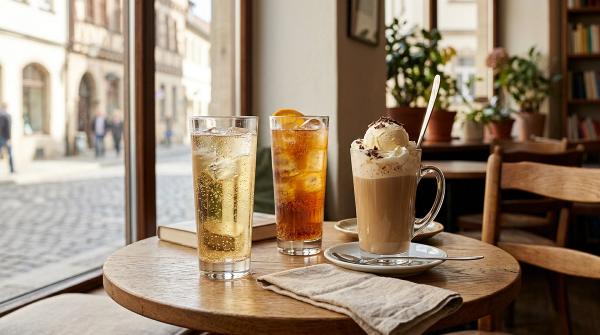
#Japan’s bar menus now almost always have at least: 0% beer, ginger ale, cola, jasmine tea, oolong tea, sometimes a “mocktail” section. Not everywhere is full dry bar level, but lot of izakayas in Tokyo and Osaka have non‑alcoholic highballs or chuhai. You just have to say “non‑aru kohōru, onegaishimasu” (non‑alcohol please).
I spent one evening in an izakaya in Asakusa with some hostel people. Everyone was doing sake shots, I was on 0% Asahi, chewing edamame and yakitori (ask for ‘shio’ instead of ‘tare’ if you want less sugar). No one cared that my beer didn’t have alcohol. I still walked back to my hostel in a straight line, so small win there.
Sober Tours & Experiences That Are Actually Fun (Not Boring Wellness Lectures)
#Sober travel doesn’t mean you just sit in the hotel, drink green tea and meditate. I mean you CAN, but Japan has so many experiences that naturally don’t involve alcohol and still feel like proper nightlife or adventure.
1. Night Walks & Food Hopping in Tokyo
#One of my favourite evenings was a guided night walking tour in Shinjuku. No bar‑hopping, no forced pub crawl, just exploring Omoide Yokocho, Kabukicho and Golden Gai with a local guide. We tried:
- Freshly grilled yakitori
- Taiyaki (fish‑shaped dessert with red bean or custard)
- Melon pan from a tiny bakery open till late
Everyone else got beer, I stuck to oolong tea and Calpis soda (tastes weird at first but kinda addictive). The guide also gave some good safety tips – which back alley to avoid, what to do if you miss your last train, how late trains and stations work now after all the schedule changes post‑pandemic. Japan still feels very safe, especially compared to many places, but it’s good to know where you are at 1 am.
2. Tea Ceremonies & Matcha Experiences
#If you like slow travel vibes, book at least one tea ceremony in Kyoto or Tokyo. It’s honestly the most beautiful ‘sober bar’ you’ll ever sit in. You sit on tatami, the host explains about matcha, the whole ritual of whisking, bowing, turning the cup. No one is in a hurry, no one is shouting over loud music. Just calm.
I did one in Kyoto wearing rental kimono (yes I went full tourist, don’t judge). They explained the concept of ‘ichigo ichie’ – one moment, one meeting – which hit differently as someone who used to drink to forget half my nights out. Here, every sip feels intentional. If you’re into mindful travel or just want a break from city chaos, this thing is perfect.
3. Early Morning Temple & Shrine Visits
#Hidden perk of sober travel: you actually wake up early. I reached Fushimi Inari in Kyoto by 6 am one day. Hardly any crowd, soft light, fox statues everywhere, those orange torii gates… I know it’s all over Instagram but being there when it’s quiet is something else.
Same with Senso‑ji in Asakusa. If you go early, you get more time to just sit in front of the temple and breathe. No rush, no giant tour groups. You also get great photos without 50 people standing behind you making peace signs. Practical tip: a lot of these places open from sunrise, and trains also start quite early, so check Google Maps and just go. Your future self will thank you.
Where to Stay on a Sober Trip (and How Much It Roughly Costs)
#I mixed it up: hostels in Tokyo and Osaka, and a couple of nights in a ryokan in Hakone. Not gonna lie, Japan is not super cheap anymore, especially with the way demand has gone up again. But you can still manage decently if you plan.
Approx prices I saw (per night, per person):
- Dorm beds in decent hostels: 3,000–5,000 yen (₹1,800–₹3,000)
- Business hotels / budget hotels: 7,000–12,000 yen (₹4,200–₹7,200) for a small single or double
- Ryokan with onsen, dinner & breakfast: 15,000–30,000 yen (₹9,000–₹18,000) each, if you share the room it gets cheaper per person
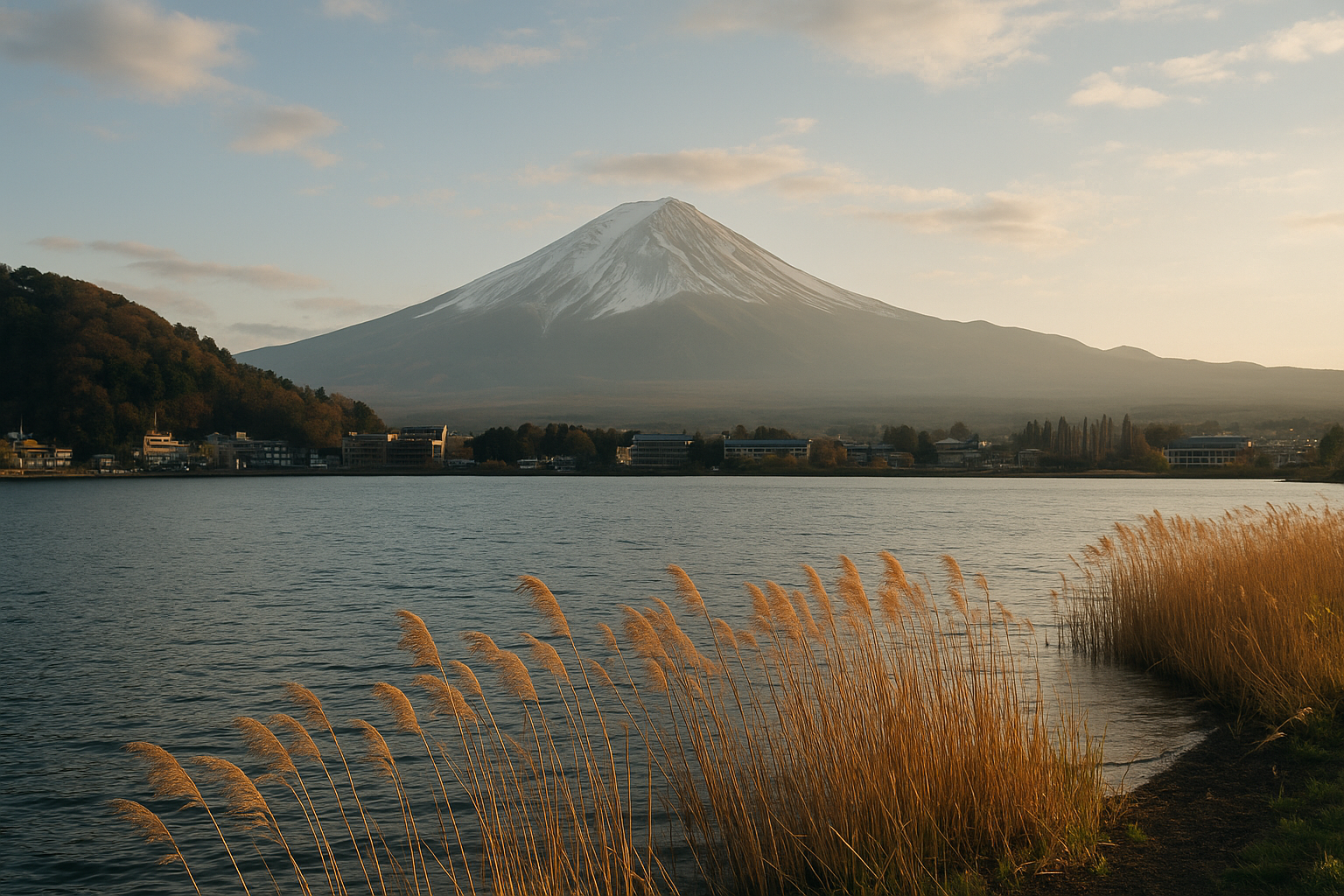
If you’re doing sober travel, I’d recommend at least one night in a ryokan that focuses on wellness – onsen, good food, calm surroundings. Hakone, Kawaguchiko (near Mt Fuji), and some spots in Nagano are great for this. Just check recent reviews for things like cleanliness, food quality, and whether the onsen is mixed or separate, tattoos allowed or not etc. Rules are very specific.
Getting Around: JR Pass, Local Trains & Late‑Night Safety
#Public transport in Japan is stupidly efficient. From an Indian perspective, it feels like the metro / local train system but somebody gave it steroids and discipline. You will LOVE it if you like punctuality. Also, it’s safer, which matters if you’re not drinking and actually notice what’s happening around you.
A few practical things that helped me:
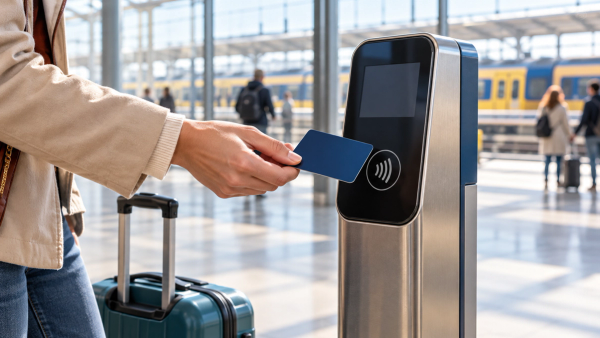
- Get an IC card (Suica / Pasmo / ICOCA) on your phone if possible – you can tap to pay on trains, buses, vending machines, even some konbini.
- The JR Pass rules and prices have changed, so calculate properly if it’s worth it for your itinerary. Don’t just buy it blindly like old YouTube videos say.
- Last trains in Tokyo usually around midnight, depending on line. If you miss it, taxis are safe but pricey, especially late night.
Safety wise, walking back to the hostel at 11 pm in Tokyo felt safer than many Indian cities at 7 pm, honestly. Still, usual common sense – don’t wave your phone and wallet everywhere, keep your bag zipped, avoid shady alleys.
What to Eat if You’re Sober But Still Want Night Vibes
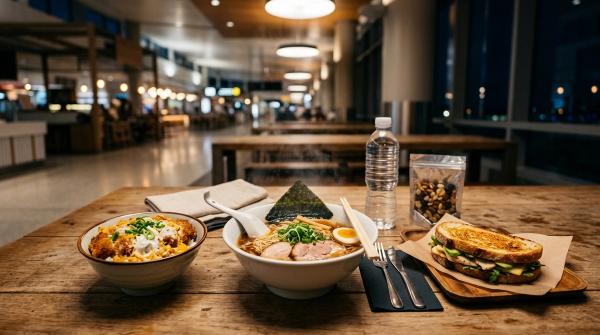
#One misconception is that Japanese nightlife = just bars. But food culture goes late too. I did multiple nights where I just hopped from food spot to food spot instead of bar to bar.
Some favourites for late evenings:
- Ramen shops open till midnight or 2 am – Ichiran, Ippudo, and random tiny shops near train stations
- Conveyor belt sushi (kaiten sushi) – some stay open pretty late in busy areas
- Family restaurants like Saizeriya, Gusto, Yoshinoya – affordable, open late, no pressure to drink
- Konbini runs (7‑Eleven, Lawson, FamilyMart) – literally everything from onigiri to fried chicken and salads
As a desi, I was worried about vegetarian options, but they’re slowly improving. You still have to check for fish broth, bonito flakes etc, but in big cities a lot of places label things clearly now. Also, you’ll find plenty of Indian restaurants if you’re craving dal and naan after a week of ramen overload.
Best Time to Visit for a Sober‑Friendly Trip
#Honestly you can go any time, but some seasons feel more aligned with a calm, sober vibe.
Spring (March–April): Cherry blossom season. Super crowded, but so beautiful that you forget everything. People drink a lot during hanami (park picnics), so if that’s triggering for you, maybe go weekdays early morning rather than peak weekend nights.
Autumn (late October–November): My personal favourite. Cooler weather, red and yellow leaves, fewer loud parties than summer festival season. Great for hiking, onsen, slow travel.
Winter: If you like snow and hot springs, go for it. Less nightlife pressure, more chill evenings-in with hot ramen. Just pack layers, Japan winters are no joke if you’re coming from Mumbai humidity.
Random Little Things That Helped My Sober Journey in Japan
#This is more personal, but maybe it’ll help someone:
- I decided my ‘ritual drink’ would be iced matcha latte. Anytime others ordered beers, I got that or cold tea. Gave my brain something to hold.
- I booked morning tours intentionally, so I couldn’t afford hangovers even if I was tempted.
- If I felt awkward at a bar, I’d just step out, hit a konbini, get pudding or onigiri, and sit by the river or at a quiet corner. Tokyo has more calm pockets than you think.
And honestly, seeing Japan properly clear‑headed was a blessing. I remember the tiny details: the sound of train announcements, the smell of incense at temples, the way people queue so neatly even when they’re tired, the taste of proper fresh matcha instead of cheap sugary drinks.
Would I Recommend Sober Travel in Japan to Other Indians?
#100%. Whether you’re totally sober, “only sometimes”, or just don’t want alcohol to be the centre of every trip, Japan works beautifully. You can still join your friends at bars, still enjoy nightlife, but you’re not forced into drinking to have fun. The country is anyway more about experiences, aesthetics, food, culture, trains, convenience store explorations… than just booze.
If you’re planning your own trip and want more real, slightly messy, human travel stories (not just perfect Instagram stuff), I keep sharing my experiences and tips over on AllBlogs.in – have a look there when you start plotting your Japan itinerary.