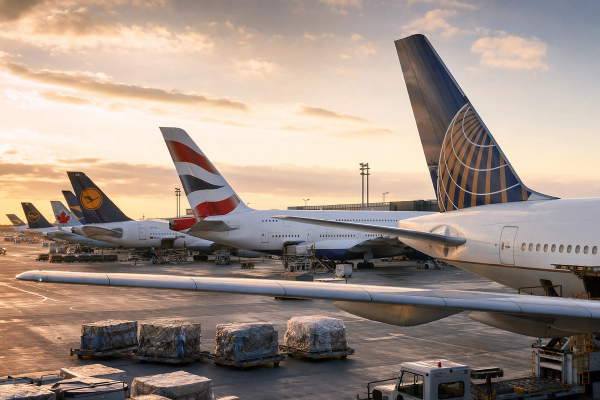
When I first heard Air India was adding direct flights on Delhi-Hanoi and Mumbai-Tokyo, my reaction was honestly pretty simple: finally. That was my exact thought. Because if you’ve travelled from India to Southeast Asia or Japan enough times, you know the pain isn’t always the destination, it’s the annoying connection, the weird transit timing, the half-dead layover coffee, the “why am I sitting in an airport at 3:40 am” feeling. A nonstop route just changes the whole mood of a trip. It makes these places feel closer, more doable, less like some once-in-three-years big international mission and more like, okay, maybe I can just go.
And both routes make sense in a very Indian way too. Hanoi has become one of those cities people talk about after Bali and Bangkok get too predictable. Tokyo, meanwhile, is still dream-trip territory for a lot of us, but it’s not as unreachable as it used to feel. Better air links matter more than people think. They shape tourism, pricing, spontaneity, even confidence. If you’re from Delhi, NCR, North India in general, Hanoi suddenly becomes a much smoother short international break. If you’re in Mumbai or western India, Tokyo gets that little bit less intimidating. Trust me, small thing on paper, big thing in real life.
Why these two routes matter more than just “new flights” news
#Aviation announcements can be kinda boring, let’s be real. New route, more connectivity, strategic expansion, all that corporate language... okay fine. But from a traveler’s side, this one is useful. Vietnam is booming with Indian tourists right now, and not only for honeymoon reels. Families are going, friend groups are going, solo people are going because it’s affordable-ish, visa process is manageable, food is interesting, and there’s enough culture to make the trip feel richer than just shopping and cafés. Hanoi especially gives you history, chaos, coffee, lakes, street food, old buildings, scooters everywhere, and that slightly dramatic weather. It has personality.
Tokyo is a different beast. More expensive, more polished, more intense maybe. But Indian interest in Japan has gone up massively in the last few years. Partly anime, partly food curiosity, partly people wanting somewhere super safe and organised, and partly because social media made every corner of Tokyo look cinematic. Which, annoyingly, is true. It really does. A direct Mumbai-Tokyo flight won’t make Japan cheap, no no, but it cuts friction. And when friction drops, bookings usually rise. That’s just how people travel now.
For Indian travelers, nonstop flights don’t just save time. They make a place feel emotionally closer. That’s the real shift.
My honest take on Delhi to Hanoi after actually spending time in the city
#Hanoi surprised me. I expected a nice Southeast Asian capital with some old streets and pho and maybe a few museums. What I got was way more textured than that. It felt old, stubborn, romantic in bits, and then suddenly very loud and practical. The Old Quarter is the part most Indians first land into emotionally, if that makes sense. Narrow lanes, messy electric wires, cafes hidden on upper floors, tiny stools on the street, and this constant flow of scooters that somehow never fully crashes into you. Crossing the road there is not a skill, it’s an act of faith. Slow faith.
I stayed near Hoan Kiem Lake for a few nights, and for first-timers I still think that area is the smartest choice. You can walk a lot, food options are everywhere, weekend vibe is lively, and it’s easier if you don’t want to overthink transport on day one. Budget hotels and simple boutique stays in that area usually sit somewhere around INR 2,500 to 6,500 a night depending on season and how fancy your room photos looked online versus reality. Mid-range places with better breakfast and cleaner bathrooms, very important point by the way, can go INR 6,500 to 11,000. Luxury obviously exists too, but Hanoi is one city where you can stay well without killing your budget.
What Indian travelers will probably love in Hanoi
#- The city is affordable compared to Japan, Singapore, or even some parts of Thailand these days
- Coffee culture is superb, and yes the egg coffee is worth trying even if it sounds odd at first
- There’s enough vegetarian food if you research a bit, though pure veg folks should plan carefully
- Day trips like Ninh Binh and Ha Long Bay are very easy to arrange from Hanoi
- Shopping is not mindblowing, but the handicrafts, ceramics, and local snacks are nice to bring back
One thing though, and this is useful not glamorous: check the season properly. The best months for Hanoi are usually around October to April if you want more comfortable weather. I personally liked the cooler stretch because walking was actually enjoyable. Summer can get hot, humid, and stormy. Monsoon-ish spells can make the city feel sticky and a little chaotic, though some people love that moody atmosphere. Me? I like mood in photos, not in my soaked socks.
Useful stuff before you book Hanoi, not the romantic Insta version
#Indian travelers are choosing Vietnam partly because the overall cost can still work out well. Flight deals, especially on competitive routes, can make it one of the more realistic international options from India. Once there, food on the street is cheap, local cafes are cheap, ride-hailing apps are useful, and many attractions don’t have crazy entry fees. Grab works well in Hanoi for bikes and cars, and frankly it saves so much bargaining headache. If you’re carrying parents or kids, car bookings are easier. If you’re solo and okay with a bit of thrill, bike taxis can save time in traffic.
Safety-wise, Hanoi is generally considered quite manageable for tourists. Violent crime against visitors is not a major talking point, which is reassuring. But like any busy city, watch your phone, bag, wallet, and don’t act too lost in crowded areas. Traffic is the bigger “hazard” honestly. Also, if you have dietary restrictions, don’t assume every soup is veg because it looks harmless. Fish sauce sneaks into things. It just does. Learn a few food phrases or keep them written on your phone. That little effort helps more than people think.
Btw, a cool thing I found was that Hanoi rewards slower mornings. Don’t overpack your itinerary. Sit by the lake. Watch office-goers, aunties doing exercise, school kids, old men playing games. Visit the Temple of Literature, the Hoa Lo Prison Museum if history interests you, and the train street area only if it’s legally accessible and being managed safely when you go. Rules there can change, and honestly they should. Social media made that place a circus for a while.
Mumbai to Tokyo feels like a big leap, but Tokyo is weirdly easier than it looks
#Now Tokyo. Ah man. Tokyo is one of those cities I built up too much in my head, and still it delivered. Not in a loud dramatic way. More like in layers. First the efficiency hits you. Then the silence in public transport. Then the vending machines. Then the neighbourhood personalities. Then at some point you realise even convenience stores have food better than some airport meals I’ve paid too much for in my own country. A direct Air India connection from Mumbai matters here because Japan trips tend to feel logistically heavy while planning. So removing one layer of complexity is huge.
For first stays, I usually tell friends to choose areas with strong train access rather than chasing the most famous name. Shinjuku, Ueno, Asakusa, Tokyo Station area, even parts of Shinagawa can work depending on budget and style. Tokyo accommodation is where your wallet may recieve emotional damage, not gonna lie. Basic business hotels often start around INR 7,000 to 12,000 per night, and that’s for compact rooms where opening one suitcase can become an engineering project. Mid-range can easily hit INR 12,000 to 22,000. If you’re travelling during cherry blossom season, Golden Week, autumn peak weekends, or year-end, prices jump fast. Very fast.
Things that made Tokyo easier for me than expected
#- Public transport is ridiculously good once you stop panicking and just use map apps properly
- Convenience stores genuinely help budget travelers survive
- Safety is excellent overall, even late evening in busy areas felt controlled
- Many tourist-heavy spots now have enough English support that first-timers aren’t totally lost
- Cashless payments are more common than before, though carrying some cash is still smart
Best months? For most people, March to May and October to November. Pretty standard answer, yes, but for a reason. Spring is lovely, though crowded and expensive. Autumn is maybe my favorite because the weather is crisp and the city feels extra beautiful without the same cherry blossom madness. Summer in Tokyo can be humid and exhausting, and if you are not used to that combination, be prepared. Winter is actually nice if you don’t mind cold and want lower hotel rates outside holiday spikes.
The food question Indians always ask: can we manage?
#Yes. In both places, yes, but differently. Hanoi is easier on budget, trickier on strict vegetarian preferences unless you plan. Tokyo is more expensive, but the food ecosystem is so wide that you can absolutely manage. In Hanoi, I had excellent pho, bun cha, banh mi, fresh spring rolls, sticky rice snacks, and some ridiculously good coffee. For Indian vegetarians, look for Buddhist vegetarian spots, vegan cafes, or Indian restaurants around central tourist zones. There are more now than before because demand is up. Just don’t wing it every meal if food rules matter to you.
Tokyo is easier if you like seafood, chicken, ramen, curry rice, convenience store meals, bakery stuff, and trying things without overthinking. For vegetarians and Jains, homework is needed. There are proper vegan ramen shops now, Indian restaurants in many areas, and some Japanese places offering vegetarian menus, but spontaneity is harder. Also, hidden fish stock pops up in soups and sauces there too. So yeah, same warning, different country. I usually keep snacks from India for long train days because sometimes you just want khakhra or thepla and not another mystery bun. That’s not a failure of travel, that’s wisdom.
Current travel vibe, safety, and what’s changed lately
#One trend I’ve really noticed is that Indian travelers are doing these trips in smarter, more segmented ways now. Instead of one giant rushed itinerary, people are picking one city deeply or pairing city plus one nature escape. For Hanoi, that could mean 3 nights in the city and 2 in Ninh Binh or Ha Long/Lan Ha Bay. For Tokyo, maybe 4 to 5 nights there with a Hakone, Nikko, or Kawaguchiko add-on. That style works better, especially if direct flights save time. You arrive less broken, so the trip starts better.
Safety conditions in both destinations are generally favorable for tourists at the moment, with the usual common-sense caveats. Keep an eye on official travel advisories before departure, obviously, because regulations and local conditions can shift. In Japan, weather disruptions like typhoons can affect transport in certain seasons. In northern Vietnam, heat waves or heavy rains can mess with day-trip plans. This is why I always say don’t make every day non-refundable and tightly packed. Some flexibility saves your sanity. And money, sometimes.
If you’re wondering whether these routes will impact prices, probably yes over time, though not always instantly. More direct capacity can improve competition, and that often helps fares during non-peak periods. But during holiday spikes, school vacations, blossom season, year-end travel, or long weekends, prices can still shoot up because demand is demand. Book early if dates are fixed. If not, shoulder season is your best friend.
Little practical tips I wish more Indian travelers knew
#- For Hanoi, carry light layers in cooler months and breathable clothes in warmer months. Weather flips more than people expect
- For Tokyo, comfortable shoes are not optional. You will walk. A lot. Even when you think you won’t
- Download offline maps and local transport apps before departure
- Keep one card, some cash, passport copy, and hotel address separately. Basic, but useful
- Don’t convert all your money at the airport if rates look bad. Compare options in India first
- Take eSIM or roaming seriously if it’s your first time. Getting lost is less romantic when your battery is 4 percent
Also, one small opinion that maybe not everyone agrees with: don’t chase only the viral places. In Hanoi, some of my favorite moments were random cafés, a quiet morning near the lake, a ceramics stop, a not-famous meal. In Tokyo too, a lot of joy is in ordinary neighbourhood wandering. A side street in Yanaka, a tiny coffee shop in Kiyosumi, a calm shrine between office towers. If you only sprint between famous checklist spots, both cities can feel tiring instead of magical.
So, who should actually book these routes?
#Delhi-Hanoi is perfect for people who want an international trip that feels exciting but still financially realistic. Great for couples, sibling trips, first-time Southeast Asia travelers, and even parents if you keep the pace gentle. Mumbai-Tokyo is ideal for dreamers who’ve been putting off Japan because the journey felt too long, too confusing, or too expensive to justify. It’s still not a budget trip exactly, but it becomes more approachable when the route is simpler.
And yeah, the timing of this expansion into 2026 is smart, but honestly these routes matter beyond one year’s announcement cycle. They reflect where Indian outbound travel is heading. We’re not just chasing the same old destinations anymore. We want better connectivity, cleaner planning, richer experiences, and places that feel fresh. Vietnam gives that. Japan gives that too, in a very different key.
Final thoughts from one Indian traveler to another
#If I had to sum it up simply, these new Air India flights make two already-popular dreams much more practical. Delhi to Hanoi opens up one of Asia’s most charming capital cities in a smoother way. Mumbai to Tokyo removes a mental barrier from one of the world’s most fascinating urban experiences. That matters. Because often the hardest part of travel is not desire, it’s friction. Once friction goes down, people go. And when people go, they come back with stories, cravings, photos, and usually a mild obsession with local convenience stores or coffee.
Would I recommend both? 100 percent, though for different moods. Hanoi for value, culture, street energy, and easy add-on nature trips. Tokyo for precision, wonder, food, design, and that strange feeling that the future and tradition are sharing the same footpath. If you’re planning either, do the practical stuff well, leave a little room for wandering, and don’t try to “complete” the city. Just let it happen a bit. That’s when travel gets good... and a little messy in the best way. For more travel stories and trip planning ideas, I casually keep checking AllBlogs.in too.