I’m just gonna say it straight – Unakoti properly surprised me. You know those places you’ve seen in random WhatsApp forwards, some uncle sends a picture of giant rock faces and you’re like, “acha, nice, maybe photoshop”? That was Unakoti for me for years. Then I finally went. And standing under that massive Shiva face carved into the cliff, with the jungle humming around and a ridiculously clear night sky later… yeah, it felt a bit unreal.
Also, quick context – I’m from India only, not some foreign backpacker writing dramatic lines for Instagram. I grew up hearing more about Goa, Manali, Ladakh, Thailand, all that. Tripura wasn’t even in my top 10 states to visit. Which is kinda sad, because this tiny North Eastern state is seriously underrated.
Where Exactly Is Unakoti & Why It’s Such a Big Deal
#Unakoti is in North Tripura district, near a town called Kailashahar. It’s roughly 170–180 km from Agartala by road. In simple words – top right corner of Tripura if you see the map. From Kailashahar town, the Unakoti rock carvings site is around 8–10 km, depending on where your stay is.
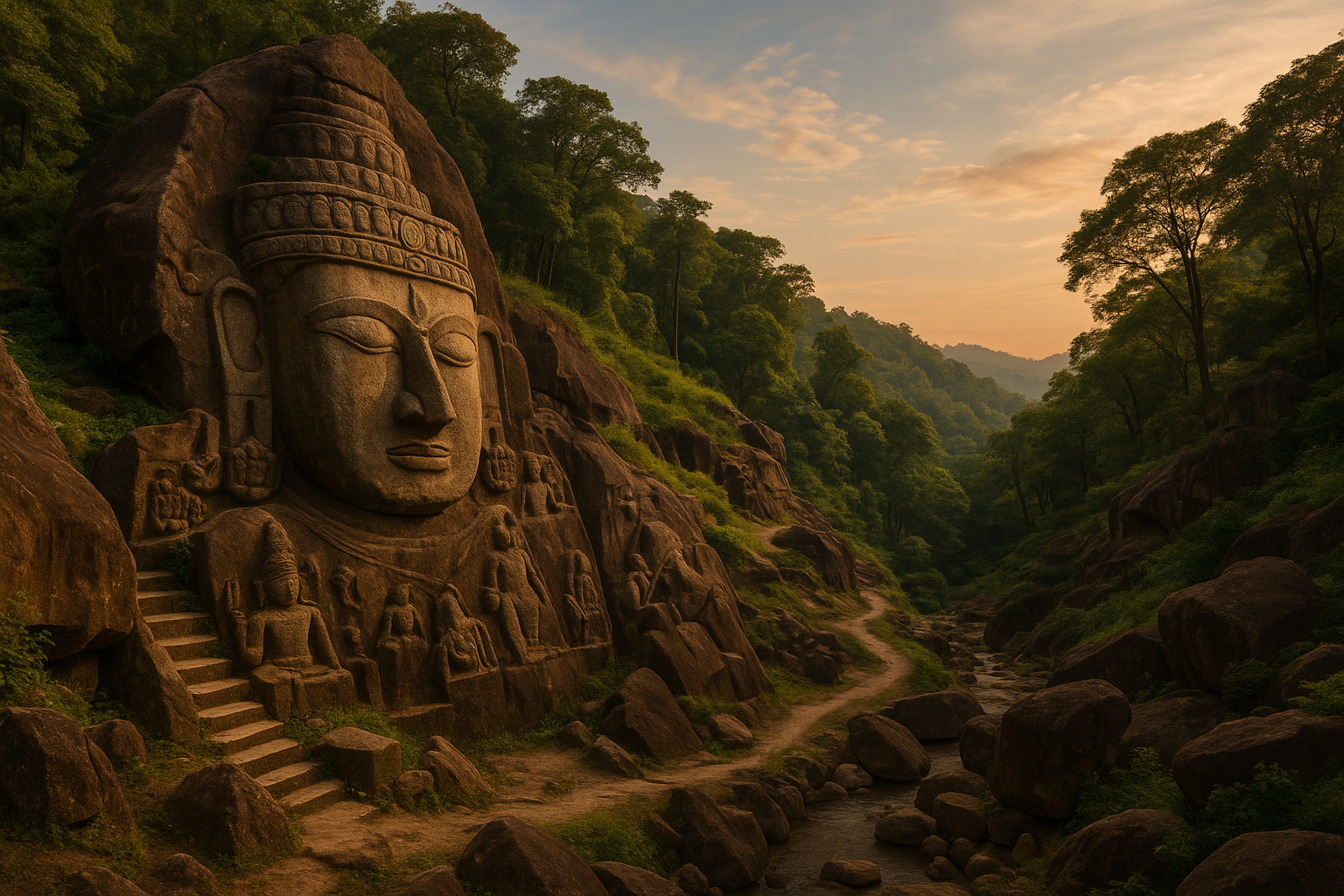
The area is basically an old Shaivite pilgrimage spot, with these insane rock reliefs carved on a hillside. The most famous one is the huge face of Shiva called “Unakotishwara Kal Bhairava” – around 30–33 feet tall (imagine a 3-storey building, carved on rock, in the middle of the forest… wild). Around it, there are multiple smaller sculptures – Ganesha figures, other deities, decorative motifs, broken pieces here and there.
Locals will tell you the popular legend: once Shiva was going to Kashi with 1 crore gods, halted here overnight, told everyone to wake up before sunrise. Only Shiva woke up on time, rest all slept, so he cursed them and they turned into stone. “Unakoti” literally means “one less than a crore” – so 99,99,999. Don’t go counting though, you’ll go mad.
Reaching Unakoti – What Actually Works Right Now
#Okay, so practical stuff. Tripura is surprisingly better connected now than what I had in my head from old news.
✈ By Air: Agartala’s Maharaja Bir Bikram Airport (IXA) has regular flights from Kolkata, Guwahati, Delhi, Bengaluru, etc. SpiceJet, IndiGo, Akasa type airlines keep changing schedule, but generally there are daily flights. From Agartala, I took a shared cab to Kailashahar. It was roughly 7–8 hours with chai and pee breaks, roads are mostly okay but some patches are still under work, especially in monsoon.
🚆 By Train: If you’re coming from Assam side, trains connect to Dharmanagar and Kumarghat. Dharmanagar is closer to Unakoti. From Dharmanagar station, you get autos/shared trekkers (sumo type) to Kailashahar. It’s cheaper but more time taking and slightly more exhausting, tbh.
🚗 Local Transport: Between Kailashahar and Unakoti, there are autos, small cabs and shared vehicles. I fixed a local auto guy for early morning drop and late evening pickup for stargazing. If you’re doing night sky stuff, please pre-arrange your return transport. After 7:30–8 pm, it gets pretty quiet and vehicles are not very frequent.
Best Time To Visit Unakoti (And When You’ll Regret Going)
#So, when should you go? Depends what you want.
🌤 October to March – Personally I feel this is the sweet spot. The weather is pleasant, the trek up and down the stairs is manageable, humidity is less annoying, and skies are clearer at night for stargazing. Nights get a bit cool but not freezing, you just need a light jacket or hoodie. Tourist footfall is increasing nowadays but still nothing like Shimla level crowds.
🌧 Monsoon (June–September) – Super green and dramatic, waterfalls around the site are in full power, but also leech territory, slippery stairs, and sometimes landslides in surrounding roads. Some people love this wild vibe, but if your main aim is astrophotography or lying under the stars, clouds will totally ruin it for you. I’d avoid monsoon for the night sky part.
🔥 Peak Summer (April–May) – Hot, humid, and the climb may feel extra punishing. If you’re used to East / North-East humidity you’ll survive, but I went in the cooler season and still got sweaty like crazy. Also, haze can mess with the clarity of the night sky.
Where I Stayed Around Unakoti (Realistic Options & Prices)
#You don’t get some fancy 5-star resort vibe here, okay. It’s still mostly budget or mid-range setups. Which I actually liked, because it keeps the place from turning into another over-commercial hill station.
I stayed in Kailashahar town because it made sense logistically. From here, the drive to Unakoti is hardly 20–25 minutes. Here’s roughly what you can expect as of now:
- Simple budget hotels / lodges: ₹800 – ₹1500 per night (non-AC / basic AC, clean enough if you’re not too fussy)
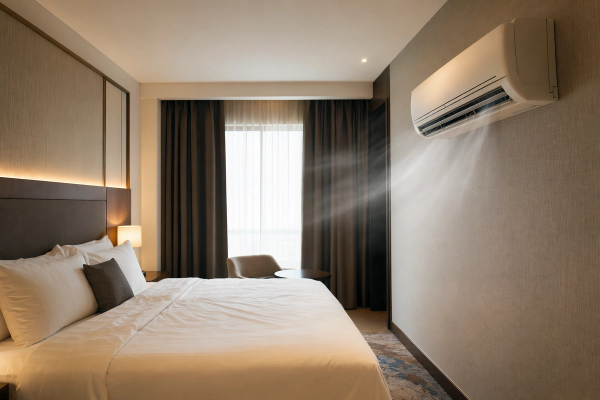
- Mid-range guest houses / small hotels: ₹1500 – ₹2800 per night (better bathrooms, slightly more modern rooms, sometimes free breakfast)
- Government tourist lodges: When available, they’re usually decently maintained and in nice locations, but you need to book in advance through Tripura Tourism or call up directly. Prices hover between ₹1200 – ₹2500 depending on room type.
I chose a mid-range place near the main market. Nothing extraordinary, but the owner actually helped me fix a local vehicle and also connected me with a young guy who knew the site properly and was happy to guide without making it like a tour package. Pro tip: talk to your hotel staff, they’re usually very upfront in small towns, not too pushy.
The Trek & Climb: What It Actually Feels Like On Ground
#Okay, so people say “Unakoti trek” and it sounds like some 2–3 day high altitude thing. It’s not that. It’s more like a mix of walking, stairs, and small trails inside a heritage site surrounded by forest.
When you enter the complex, there’s a proper gate and a small ticket counter (entry fees is small – for Indians it was under ₹50 last time I went, camera charges may be extra depending on what you’re carrying, so keep some cash). Once you’re in, there are downhill stairs that take you towards the main Shiva carving, and then different paths to explore other sculptures and the stream.
Trust me, the downhill part gives you false confidence. You happily go down, enjoying the trees, taking photos… and later you realise: whatever goes down must climb back up. Return is a proper stair workout. If you have elderly people or severe knee issues, go slow, take pauses, carry a walking stick if needed. There are railings in most portions though, and a few resting spots.
Wear decent shoes. I saw a couple wearing chappals, they were literally slipping on wet moss near the stream. Not a place for heels, obviously, unless you enjoy suffering.
Standing in Front of That Giant Shiva Face
#So you walk down, turn a corner… and suddenly it’s just there. This massive, calm yet intense rock face of Shiva cut into the cliff. The curls, the headdress, the big eyes, the earrings – everything is carved but slightly weathered, like time has been nibbling at it for centuries but still couldn’t erase it.
I’m not super religious, more like spiritual-on-some-days, but this one hit differently. One side of my brain is like: "Bro, how did they even carve this on such a steep rock without modern tech?" and the other side is just silent, looking up, listening to a small waterfall nearby and some birds screaming their lungs out from the trees.
There’s moss, broken pieces of old sculptures lying around, little shrines with fresh marigolds. The whole vibe is a mix of archaeological site + living pilgrimage spot + quiet forest. You can feel that locals actually come here to pray, not just to click reels.
Little Off-Route Wanderings (Highly Recommended)
#One thing: don’t just see the main Shiva face and rush back. There are several small trails and steps leading to other parts of the complex. Some portions were under restoration and cleaning when I went, because authorities are slowly trying to preserve the carvings and handle increasing visitors, but still you can wander quite a bit.
Some of the side routes take you to smaller Ganesha figures, broken torsos, and these random faces partly hidden behind roots and plants. I actually liked those more in a way – less crowded, more mysterious. One rock had two Ganeshas side by side and someone had kept fresh bananas and incense, typical desi style offering.
My guide told me that during special puja days and the big annual fair (Ashokastami Mela usually around March–April), this whole area gets packed with pilgrims, stalls, food vendors and all. So if you want the quiet, choose a non-festival weekday morning. If you want to see the full cultural madness, go during the fair – but then forget about solitude and peaceful stargazing.
Safety & Current Situation – Is It Actually Okay To Go?
#Quick update-y bit, because everyone’s family now asks 50 times about safety before letting you go anywhere in North-East.
As of recent months, Unakoti and the Kailashahar side is considered safe for tourists. There’s a steady trickle of domestic travelers, especially from nearby North-Eastern states and Bengal. Security presence is there but not intimidating – you’ll see some staff, maybe a few police or guards around the main entry points and parking area, especially on busier days.
Standard common sense things still apply: don’t wander far into unknown forest paths at night alone, don’t leave valuables unattended in vehicles, avoid getting drunk and trying to do adventurous stuff near steep edges. Also, inform your hotel where you’re going and what time you expect to come back, specially if you’re staying out late for the stars.
Unakoti After Dark – The Night Sky Experience
#Okay, so this is what pulled me in actually. I’d seen some crazy photos online of the Milky Way arching over the rock carvings, and I was like, no way, this can’t be India-level sky, must be edited. Turns out, under the right conditions, it’s totally possible. Not every night, obviously, but you get some seriously clean skies here because light pollution is still limited compared to big cities.
I planned my trip for a time when the moon was either new or very slim. If the moon is too bright, you can forget about seeing dense stars. We reached the site in late afternoon, explored in daylight, sat around the stream for a bit, and then waited near the upper areas as the light faded. There are some fixed closing timings officially, so you have to coordinate this properly – in my case, we had prior word with a local guard and a guide who knew the system, so we could stay a bit longer in designated spots without going too wild.
As the sky darkened, suddenly that typical city glow was just… not there. Instead, stars started popping out one by one. The Milky Way wasn’t like those textbook NASA shots, but still, a clear band of denser stars stretching overhead. I literally lay down on a piece of flat rock, ignoring that it was cold and a bit damp, and just stared up. Phones struggle here, like phone cameras will just cry in low light, but if you have a basic DSLR or mirrorless and a tripod, you’ll come back with some solid photos. One guy from Agartala had come with a full setup, star tracker and all, he was happily clicking for hours.
Sound wise, it’s mostly crickets, rustling leaves, occasional dog barking far away. Now and then some vehicle passes on the distant road. If you’re used to city noise, this kind of silence is almost loud. Also a bit spooky, not gonna lie. I had this strange feeling like the carved faces were watching, but in a chill, ancient-guardian way, not horror-movie way.
Tips for Stargazing at Unakoti (From Someone Who Goofed Up A Bit)
#I made a few silly mistakes, so let me save you some trouble:
- Check the moon phase before you go. Aim for new moon or 2–3 days around it for best visibility.
- Carry a headlamp or small torch with red light mode if possible. White light ruins your night vision and also annoys other people trying to click stars.
- Wear full sleeves and track pants. There are insects, and when you lie on rocks or sit in grass, you’ll thank yourself.
- Carry a light jacket. Even if day was warm, nights in forested areas get a bit chilly and damp.
- Plan your return time. Don’t depend on finding random transport late at night; pre-book cab/auto.
- Avoid shining strong lights right on the rock carvings – they’re fragile heritage, and also it looks tacky in photos. Let the stars be the highlight.
Local Food & Small Town Vibes Around Unakoti
#You won’t get some massive cafe culture here like in Kasol or Leh, but whatever’s there is solid and homely. Kailashahar has a few basic restaurants, Bengali-style eateries, and sweet shops. Prices are very decent – one full proper thali with rice, daal, sabzi, maybe fish or chicken will be around ₹120–₹250 depending on the place.
Tripuri food is the real gem though. Simple, earthy, and not over-oily. If you get a chance, try:
- Mui Borok – umbrella word for traditional Tripuri cuisine
- Wahan Mosdeng – spicy smoked pork salad type dish, absolute banger with rice
- Chutney made with fermented fish (berma) – strong smell but addictive if you like bold flavours
- Local bamboo shoot preparations – depends on season, but worth trying if you like slightly tangy, earthy taste
Tea stalls are everywhere – tiny shops with benches, steel glasses of chai, biscuits in jars. I had some of my best conversations in these random tapris. One old uncle was telling me how, in his childhood, Unakoti was almost empty most days, and now more and more outsiders are coming, some shooting music videos, pre-wedding photos, all that. He was half proud, half worried about damage and plastic trash. Honestly, same feeling.
Connectivity, Network & Money Situation
#For the planning folks – yes, mobile network works decently in Kailashahar and on the main roads. Inside Unakoti complex, network is patchy. Jio worked on and off for me, Airtel was okay in some corners and dead in others. Don’t depend on 4G for live-streaming your trek or whatever. Download offline maps and info beforehand.
Most small shops prefer cash. UPI is catching up in towns (Kailashahar side has plenty of QR codes and all), but the closer you get to rural areas, the more you should keep some hard cash. ATMs are available in town, just withdraw before heading out for the day.
Responsible Travel – Please Don’t Mess This Place Up
#I know this sounds preachy but seriously, some of the stuff I saw annoyed me. People leaving chips packets, plastic bottles, and even cigarette butts right near the carvings. There’s already moss and water and erosion to fight with; it doesn’t need our trash too.
Basic things you can do:
- Carry your trash back up and dump it in proper bins or at your hotel
- Don’t scribble names or draw hearts on rocks – it’s heritage, not your school desk
- Avoid using loudspeakers / blasting music – it ruins the calm and disturbs wildlife
- Respect local customs – if someone asks you not to enter a certain area with shoes, just listen na, it’s not that hard
Trust me, the magic of Unakoti is in its mix of nature and old stone. If it becomes just another crowded, noisy picnic spot, the whole charm is gone.
How Many Days You Actually Need for Unakoti & Around
#If you’re super tight on time, you could technically do a rushed day trip from Dharmanagar or Kailashahar – morning go, afternoon come back. But if you want to combine the rock carvings with a chilled night sky session and some slow exploration, I’d say:
▶ 2 days / 1 night – Minimum decent plan
Day 1: Reach Kailashahar, settle in, evening walk around town.
Day 2: Early morning Unakoti, explore site, evening sky (if you manage permissions/transport), back and leave next day early.
▶ 3 days / 2 nights – More relaxed and honestly better
You get one flexible evening to chase stars (in case skies are cloudy first night), some time to try local food, maybe visit nearby viewpoints or villages and interact with locals.
Who Will Actually Enjoy Unakoti (And Who Might Get Bored)
#Let’s be real, not everyone will vibe with this place the same way.
You’ll probably love it if:
- You enjoy heritage, archaeology, mythology type stuff
- You like offbeat destinations more than typical touristy hill stations
- You’re into photography – landscapes, stars, culture
- You don’t mind basic infrastructure as long as the experience is raw and real
You might get bored or irritated if:
- You expect malls, fancy cafes, clubbing scene nearby
- You hate walking or climbing stairs
- You need super fast WiFi 24/7
- You’re the type who throws tantrum if room doesn’t have 10 types of toiletries
Little Moments That Stayed With Me
#Everyone remembers the big Shiva rock, the starry sky, the ‘wow’ stuff. But for me, some smaller moments are still stuck in my head.
Like this one: I was climbing back up slowly, slightly out of breath, when a local kid, maybe 10–11 years old, just casually ran past me on the stairs like it was nothing, carrying a bucket of flowers. I asked him if he comes here often. He goes, “Haan, roz kabhi kabhi, my father does puja here.” For me it’s this bucket list UNESCO-type site (it’s actually on the tentative list), but for him, it’s basically his backyard temple. That contrast is crazy.
Or that moment when the sky first properly darkened and suddenly I could see my own breath in the air, even though it wasn’t that cold. I don’t know if it was actual condensation or just my mind playing tricks, but it felt like the place has its own mood. Like the rocks and the trees and the stars were in some ancient group chat, and we’re just the latest people spying on it for a few hours.
Would I Go Back to Unakoti?
#Yes. In a heartbeat. But I’d probably time it a bit differently – maybe closer to winter for even clearer skies and slightly more chill in the air. I’d also stay one extra night, so I’m not stressing about transport and timing all the time.
I’d love to see how the place evolves too. There’s more attention on North-East tourism now, better roads, better connectivity. That’s good for locals, and for travellers like us, as long as it doesn’t turn into overbuilt chaos. It’s a thin line, honestly.
Final Thoughts – Why You Should Actually Go
#If you’re someone who’s tired of the same usual tourist circuit, and you want a place that mixes old legends, raw nature, and a properly dark night sky, Unakoti in Tripura is totally worth putting on your list. It’s not the easiest one-weekend-from-Mumbai type plan, but it gives you that feeling of having reached somewhere a bit outside the usual map.
You get to climb through a forest, stand below a 30-feet-tall ancient Shiva face, listen to water and wind, wait for darkness, and then look up at a sky that still remembers how to show stars. For me, that combination is rare in India these days, where even small hill towns are drowning in neon lights and DJ nights.
If you’re planning a North-East trip, honestly, push yourself a bit and include Tripura and Unakoti instead of doing only the usual Meghalaya–Sikkim loop. And if you want more such offbeat travel stories and real desi-style guides, I keep finding good stuff on AllBlogs.in, so maybe check that out when you’re planning your next trip.