So, um, I finally did it. A one–week Vietnam food trip from Hanoi to Hoi An. No fancy tour package, no big planning, just me, a backpack, and a very ambitious appetite. If you’re an Indian who lives to eat (and not the other way around), this route is honestly made for you.
Vietnam is insanely popular now with desi travellers – cheap flights, e-visa, easy vegetarian options in touristy areas, safe streets even at night, all that. But doing it as a proper food trail from north to central Vietnam? That hits different. 7 days is tight, but it’s enough to taste the “main characters”: pho in Hanoi, bun cha, egg coffee, bun bo Hue in Hue, and of course, the legendary banh mi & cao lau in Hoi An.
Quick Things You Should Know Before You Go
#Let me just get the practical stuff out of the way, because I know how it is when we’re planning from India – browser open with 25 tabs, parents asking “safe hai na?”, and you trying to figure out if you’ll get chai there or not.
- Visa: India passport holders can apply for Vietnam e-visa online. Super simple, just apply at least a week in advance to be safe.
- Money: Vietnamese Dong (VND). Most local food places are cash only. Keep small notes – 20k, 50k, 100k. Card works in nicer cafes and hotels.
- Safety: Honestly felt very safe, even walking back at 11 pm. Just normal city precautions – keep an eye on phone, cross roads like a ninja.
- Best months: Feb–April and Oct–early Dec are ideal for this Hanoi–Hoi An route. Avoid peak monsoon around Sept in central Vietnam if you hate sudden heavy rains.
- Costs (rough idea): Decent hostel bed: 400–800 INR per night. Budget hotel: 2000–3500 INR. Street food meal: 150–350 INR. Coffee: 80–150 INR.
And ya, if you eat meat, you’ll feel like you’ve entered some food paradise. If you’re veg or vegan, don’t worry – you’ll still manage, but you have to be a bit more specific while ordering. Just saying "no meat" is not enough, mention no fish sauce, no pork, etc.
Day 1 & 2 – Hanoi: Pho, Bun Cha & Chaos
#Landing in Hanoi feels like landing into organized chaos. Imagine Old Delhi, but with more bikes, less honking, and much cleaner streets. I stayed in the Old Quarter – honestly that’s the best if you want to walk everywhere. A good mid–range hotel there will be around 2500–4000 INR per night with breakfast. Hostels even cheaper if you don’t mind bunk beds and snoring strangers.
My first mission after throwing my bag? Pho. Classic Vietnamese noodle soup. I went to this tiny spot where auntie was just standing with a massive pot of broth. Ordered "Pho Bo" (beef) because that’s what everyone was eating. One sip of the broth and I just stared at the bowl like, bro, how… how can soup have so much flavour. It’s comfort food but also very light – unlike our desi butter-loaded stuff.
For non-beef eaters, you can ask for "Pho Ga" (chicken) or even tofu versions in more touristy joints. Prices are usually 40k–70k VND (roughly 150–250 INR).
Bun Cha – The Dish That Basically Slapped Me
#The real star of Hanoi though? Bun cha. It’s grilled pork patties in a slightly sweet–sour broth, with cold noodles and tons of herbs. The first time I tried it, I’ll be honest, I was low-key skeptical. Cold noodles, weird leaves, fish sauce smell… but when you mix everything and take that first bite, it just works. Like how chaat shouldn’t make sense (so much random mixing) but it does.
If you want a proper local feel, go early for lunch – many stalls sell out by 2–3 pm. I paid around 60k VND (~200 INR) for a huge portion. Totally worth it.
Btw, Hanoi is now super cafe-heavy. Loads of cute spots with strong Wi-Fi, specialty coffee, and cool interiors. Good for digital nomad vibes or just resting your feet. Egg coffee is a must – it’s like tiramisu and coffee had a baby. Sounds weird, tastes amazing. Expect 40k–60k VND in a proper cafe.
Day 3 – Street Food, Train Street & Night Vibes
#I kept one full day just for random roaming. No strict plan, just walking around the Old Quarter, Hoan Kiem Lake, and whatever street looked interesting. That’s honestly where the best food happens – in those small plastic stools on the footpath.
One thing though: Train Street. It’s that Instagram-famous narrow lane where a train passes right through. Authorities have been strict on safety, so many cafes are technically closed to random entry and sometimes police will stop tourists from standing too close to the tracks. If you go, follow local rules, go with a cafe that’s still allowed to operate, don’t stand dumbly on the tracks for reels, please.
Street food wise, look out for:
- Banh cuon – steamed rice rolls stuffed with minced pork and wood-ear mushrooms. Very light, almost like our neer dosa but thinner.
- Nem ran – Vietnamese fried spring rolls. Crispy and slightly addictive.
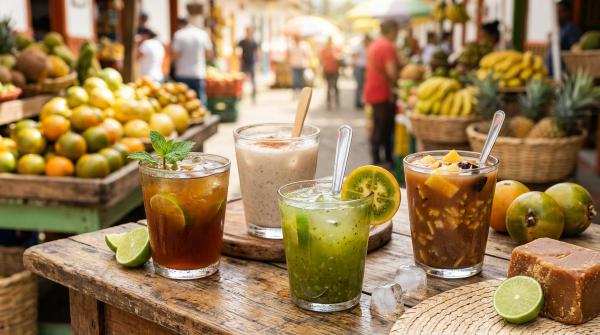
- Che – sweet dessert drinks with beans, jelly, coconut milk. If you like falooda, you’ll like this.
I ended the night at Ta Hien Street (the beer street). Even if you don’t drink, it’s fun to just sit and watch backpackers, locals, and other desis trying to bargain. Beer is super cheap compared to India, but don’t go too crazy on the first night, you still have a whole trip ahead.
Day 4 – Hanoi to Hue: The Overnight Train & Central Vietnam Flavours
#Now, you can fly from Hanoi to Hue in about 1.5 hours. But me and my brilliant ideas, I decided to take the overnight train. Honestly though, I don’t regret it. It’s not luxury, but it’s a vibe. Think IRCTC but cleaner, quieter, and with a bit more AC discipline.
Book a soft-sleeper 4-berth cabin if you can. It’s more comfortable and still budget–friendly. Tickets vary, but roughly 2500–4000 INR depending on class and timing. I shared my cabin with a Vietnamese uncle and a young couple; we used Google Translate to talk about cricket, Bollywood, and food. Apparently some of them know Shah Rukh Khan more than Indian politicians, which is both funny and very on-brand.
Reach Hue early morning, slightly sleepy, but excited, because central Vietnam food is spicier and richer than the north. Our kind of scene.
Day 5 – Hue: Bun Bo Hue & Royal Food Vibes
#Hue was the imperial capital once, so the food here used to be made for royalty. The most famous dish is Bun Bo Hue – spicy beef noodle soup, deeper and more complex than pho. Broth has lemongrass, chili, and that proper kick we desis appreciate. If you can handle Andhra style spice, you’ll be fine.
I went to a local spot recommended by my homestay owner (btw, definitely stay in a homestay once on this route – Hue has lots of them, around 1500–2500 INR per night, with super sweet hosts). Bowl of Bun Bo Hue with fresh herbs came to 50k VND, and I was sweating happily by the end.
Hue also has these small royal-style dishes – banh beo (tiny steamed rice cakes with toppings), banh nam (flat dumpling in banana leaf). We had a whole platter to share, kind of like dim sum Vietnamese edition. Great if you’re in a group and want to try many things.
Afternoon you can explore the Citadel, tombs of the emperors, etc. It’s not a food thing, but it helps you walk off the calories so you can eat again at night. Cycle rentals are popular here, and the streets are calmer than Hanoi, so you won’t feel like you’re constantly almost dying in traffic.
Day 6 – Hai Van Pass to Hoi An: Scenic Route, Food Stops & Coffee
#From Hue, most people either take a bus or hire a car/motorbike to go to Hoi An via Da Nang. I did the classic thing – motorbike tour via Hai Van Pass. If you don’t ride, no stress. You can book an "easy rider" where a local driver rides and you sit behind like royalty. Bags go separately in a car or strapped safely.
This route is stunning. Sea on one side, mountains on the other, and that classic misty, movie-scene vibe. It’s not directly a food day but there are small food and coffee stops along the way – roadside seafood shacks near Lang Co, some cafe viewpoints. I had a simple plate of grilled clams with garlic and chili, and strong black coffee with condensed milk. Very basic, very perfect.
If you want to keep it low-budget or low-adventure, just take a regular bus/train to Da Nang, then taxi or Grab to Hoi An. Buses are like 600–900 INR, trains similar, taxis in Da Nang are metered and pretty reliable. Just check current timings and book a bit in advance during peak months.
Day 6 Evening – Hoi An Old Town & Banh Mi Heaven
#Reaching Hoi An feels like walking into a movie set. Lanterns, yellow walls, riverside cafes, tailor shops calling you "my friend, my friend" every 2 minutes. Yes it’s touristy, but in a nice way. I stayed near Old Town so I could just walk everywhere – small hotels here start around 2000–3500 INR, and homestays with free cycles are a great option too.
Food-wise, the first target was obvious: banh mi. Vietnamese baguette sandwich. You’ve probably seen Anthony Bourdain clips hyping it up. I went to one of the popular spots and honestly, no exaggeration, this was one of the best sandwiches I’ve ever eaten. Crispy bread, layers of meat, pate, pickled veggies, herbs, chili… and only around 30k–45k VND (~100–150 INR).
For vegetarians, almost all banh mi places now do an egg, tofu or mushroom version. Just ask for "banh mi chay" (vegetarian banh mi) and specify no fish sauce if you’re strict.
Day 7 – Cao Lau, Morning Markets & Beach Chill
#Last day, I woke up early and went to the local market. That’s where you see real life – aunties bargaining, fresh herbs everywhere, fish being chopped at light speed, and huge piles of greens. If you like photography, this is gold. If you’re squeamish about raw meat, just focus on the fruit section – dragonfruit, mango, jackfruit, all looking way more sexy than in our supermarkets back home.
Breakfast was cao lau – Hoi An’s signature noodle dish. Thick, slightly chewy noodles with slices of pork, some crunchy crackers, herbs, and very little broth. Story goes that proper cao lau noodles are made using water from an ancient well. No idea if what I had was that authentic, but it tasted damn good. More dry than pho, more texture.
Rest of the day I just took it slow – cycled to An Bang beach, had iced coffee, lazed, came back for one last coffee by the river while the lanterns lit up. That’s the thing with Hoi An, you can go full food explorer, or just sit and exist and you’ll still feel satisfied.
Vegetarian & Halal Food Tips for Indians
#Okay, this part is important for a lot of us. Vietnamese food is very meat and fish sauce heavy, but the tourism boom means veg and halal options are growing fast, especially in Hanoi, Da Nang and Hoi An.
Few practical tips:
- Search for "chay" restaurants – that means vegetarian. Many are actually Buddhist and very veg-friendly, some even vegan.
- Learn to say/write: "no meat, no fish sauce" on your phone. Show them while ordering if English is an issue.
- Hanoi and Da Nang both have a few Indian restaurants now – handy if you’re craving dal–chawal after too many rice noodles.
- Halal: Options are limited but growing in big cities. Check Google Maps + recent reviews, and reconfirm at the restaurant like you normally would.
Honestly, it’s easier than it used to be a few years ago. Just don’t assume every vegetable dish is meat-free – many use fish sauce or shrimp paste as a base.
Is Vietnam Still Good to Visit Now? (Trends, Safety, Prices)
#Short answer: yes, totally. Vietnam is actually booming as a travel hotspot, not just for Western tourists but also for Indians. Direct and one–stop flights from Indian metros are more frequent now, and budget airlines keep throwing deals, so keep an eye out.
Prices have gone up a little compared to pre-pandemic, but it’s still very budget friendly versus many other countries. You can easily do this 7–day Hanoi–Hue–Hoi An food route on a moderate budget – staying in clean hotels, eating well, and doing some activities – without burning a hole in your pocket.
Safety wise, big cities are crowded but not intimidating. Violent crime against tourists is rare; petty theft can happen like anywhere, especially in super touristy zones, so don’t wave your new iPhone around carelessly. Traffic looks mad, but somehow it flows. Walk slowly, confidently, and the bikes will move around you. Took me a day to trust this, not gonna lie.
Would I Do This 7–Day Hanoi to Hoi An Food Tour Again?
#100%. I’d maybe stretch it to 10 days next time, add one night in Da Nang for the coastal vibe and more seafood, or an extra day in Hue for more royal dishes. But even in 7 days, this route gives you such a nice intro to Vietnamese food culture – from Hanoi’s brothy comfort to Hue’s spice to Hoi An’s chill fusion style.
If you’re an Indian traveller thinking, “Will I manage with food? Is it worth it? Is it overhyped?” – trust me, just go. Keep an open mind, be ready to try new flavours, carry a small pouch of masala peanuts if you must (no judgement), and you’ll have a blast.
I’m anyway planning my next Southeast Asia food run and taking notes from different blogs and guides. If you want more itineraries and desi-style tips, AllBlogs.in has been pretty useful for me – real people, real mistakes, and not just postcard–perfect nonsense.