Arunachal Pradesh in Monsoon: ILP, Slippery Roads, Misty Valleys and Things I Learnt the Hard Way
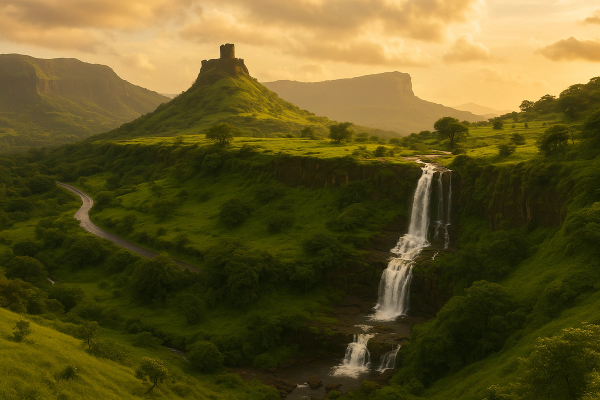
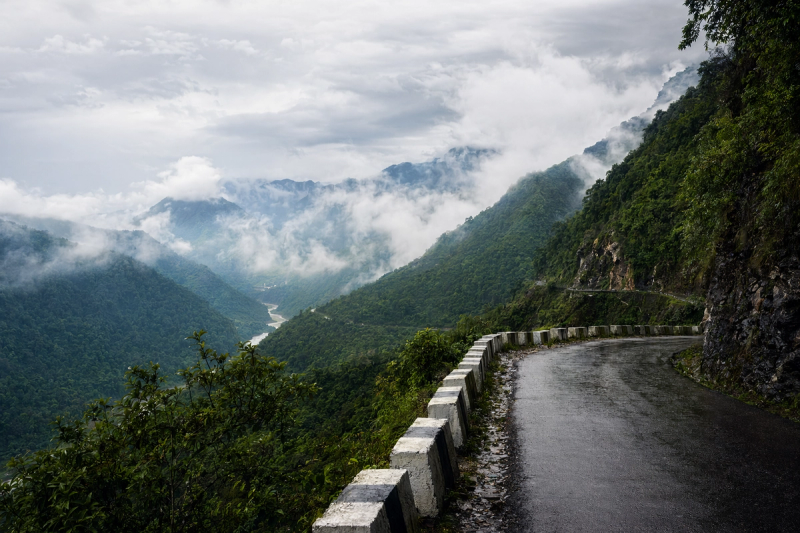
#Arunachal in monsoon is not the kind of trip where you just pack two T-shirts, book a random cab, and say “chal ho jayega.” I mean, you can say it, because we Indians love saying that, but the mountains will politely show you who is boss. I went with that half-confident, half-confused energy, starting from Assam side, and within the first few hours itself I realised this trip needs respect. Not fear. Respect. The rain comes suddenly, roads can disappear behind fog, waterfalls start flowing across the road like they own the place, and your Google Maps confidence becomes useless after one hairpin bend. But honestly? Arunachal Pradesh in monsoon is ridiculously beautiful. Like, unfairly beautiful. The clouds sit low on pine forests, rice fields glow in that fresh green colour, small tea shops smell of Maggi and wood smoke, and every turn feels like a scene someone forgot to put in a Bollywood travel song.
This blog is mainly for Indian travellers planning Arunachal Pradesh monsoon travel, especially if you’re confused about ILP, road safety, where to stay, how much things cost, and whether it is actually a good idea to go during rains. Short answer: yes, but not casually. Long answer is below, and I’ll be very honest because I’ve seen people underestimate this state. Arunachal is not Goa with hills. It’s remote, sensitive, culturally rich, weather-heavy and sometimes logistically annoying. But if you plan properly, it becomes one of the most memorable trips you’ll do in India. Trust me, the kind you keep talking about even after people are bored of hearing it.
First thing first: Do Indians need ILP for Arunachal Pradesh?
#Yes. Indian citizens need an Inner Line Permit, or ILP, to enter Arunachal Pradesh. This is not optional and not some tourist-formality you can ignore at the check gate. Arunachal is a protected border state, so ILP is checked at entry points like Bhalukpong, Gumto, Likabali, Ruksin, Hollongi side and other gates depending on your route. If you’re from outside Arunachal, keep your ILP ready along with a government ID. Aadhaar usually works, but I always carry one extra ID also because mountain travel teaches you to be overprepared.
The easiest way now is to apply online through the official Arunachal eILP portal. You fill in details, upload ID proof and photo, select the districts you plan to visit, pay the fee, and wait for approval. In my case it was not complicated, but don’t leave it for the night before your trip. Sometimes approvals are quick, sometimes it takes longer, and during peak travel times or festival season the system can be slow. You can also get offline ILP from designated offices in places like Guwahati, Tezpur, Dibrugarh, Lakhimpur, Shillong, Kolkata and some Arunachal offices, but online is honestly more convenient. Typical tourist ILP is usually issued for a limited period, often around 15 days, and can be extended in Arunachal if needed. Fees are not huge, generally around a few hundred rupees depending on category and processing, but always check the official portal because charges and rules can change.
Small but important tip: mention the correct districts in your ILP. If your ILP says West Kameng and Tawang, don’t suddenly decide to go Ziro or Mechuka unless your permit covers those areas. Check gates and local police can ask.
Foreign travellers have different rules and usually need a Protected Area Permit, not ILP. But for Indian travellers, ILP is the main thing. Also, don’t laminate it and forget it in your bag like I almost did. Keep a soft copy and 2-3 printed copies. In monsoon, papers get wet very fast, even inside bags. One friend’s permit became this sad wet tissue near Bomdila because his backpack rain cover was more decorative than useful.
Is monsoon a good time to visit Arunachal Pradesh?
#This depends on your style of travel. If you want clear blue skies, sharp mountain views and easy road movement, then October to April is generally better. March to May is lovely for rhododendrons, orchids and pleasant weather. October-November gives crisp post-monsoon views. December-February is cold and snowy in higher areas like Tawang and Sela Pass. But monsoon, roughly June to September, has its own mood. It is lush, dramatic, quiet, and honestly very photogenic. Also fewer tourists in many places, except around events like Ziro Festival which usually happens in September and attracts a big young crowd from across India.
But monsoon is also landslide season. Roads can get blocked for hours, sometimes a full day. Smaller bridges may be under repair, loose rocks fall, and visibility can drop suddenly because of fog. I’m not saying this to scare you. I’m saying this because I saw a fresh landslide patch near a bend and everyone just became silent in the vehicle. The driver, who was from that region, was calm. We were not. He waited, checked with another driver coming from opposite side, and only then crossed slowly. That local judgement is something no app can give you.
Latest road safety reality: improved roads, but don’t get overconfident
#Road connectivity in Arunachal has improved a lot in recent years. The Trans-Arunachal Highway sections, BRO work near border areas, better bridges, and the newish airport connectivity through Donyi Polo Airport near Itanagar have made travel much easier than what older travellers describe. You’ll find more homestays, better taxi networks, and even UPI in many towns now. But the state is still mountainous, wet, and geologically sensitive. A road can be smooth for 20 km and then suddenly become a slushy, broken stretch with one JCB trying to clear stones while everyone waits and drinks tea. This is normal here.
- Avoid driving after dark in monsoon, especially on hill roads like Bhalukpong-Bomdila-Tawang, Dirang-Sela, Ziro-Daporijo, Aalo-Mechuka and Pasighat-Aalo stretches.
- Start early. Like properly early, not Indian-family early where everyone is still searching for socks at 9:30 am.
- Keep buffer days. If your flight is from Guwahati tomorrow evening, don’t be in Tawang today morning thinking it’s all sorted. It’s not.
- Check local updates from your homestay, taxi union, district administration pages, BRO updates if available, and drivers coming from the opposite direction.
- Don’t argue with drivers when they say road is unsafe. Local drivers may sound casual, but they read mountain roads like we read WhatsApp messages.
My monsoon route and what I’d suggest for first-timers
#For first-time travellers in monsoon, I would not suggest trying to cover the whole of Arunachal Pradesh. It looks tempting on the map, but distances here are misleading. 150 km can take 6-8 hours depending on road and weather. My route was more western side focused: Guwahati to Bhalukpong, then Bomdila, Dirang, Tawang, and back with a slow stop. Another time I did Itanagar-Ziro side, which felt more relaxed but still had its own rainy-road drama. Both routes are beautiful but very different.
The Tawang route is classic and dramatic. You get monasteries, high passes, army presence, waterfalls, Monpa culture, and that big Himalayan feeling. But it is also more weather-sensitive because of Sela Pass and high-altitude sections. The Ziro route is greener, gentler in mood, full of Apatani villages, paddy fields, bamboo houses, pine hills and slow evenings. In monsoon, Ziro looks like someone increased the saturation button in real life. Mechuka is stunning too, but I’d be careful in heavy rains because the road can be long and unpredictable. Same for remote eastern routes unless you have time, patience, and a good local driver.
Suggested monsoon-friendly Arunachal itineraries
#If you have 5-6 days, do Itanagar and Ziro. Land at Donyi Polo Airport or come by train to Naharlagun/Harmuti, spend a night near Itanagar or directly move to Ziro if roads are fine. Stay 2-3 nights in Ziro, explore Hong village, Hari, Hija, Bulla, the Apatani cultural landscape, pine groves, local cafes, and maybe Talley Valley side only if weather permits. Don’t push too hard. Ziro is best when you slow down.
If you have 7-9 days, do the western circuit: Guwahati or Tezpur to Bhalukpong, Bomdila, Dirang, Tawang, and return. Add Sangti Valley near Dirang if the road is okay. Shergaon is also a lovely lesser-known stop, very peaceful, with apple orchards, monasteries, and small homestays. Thembang, a heritage village near Dirang, is worth visiting if accessible. In Tawang, see Tawang Monastery, Urgelling Monastery, Buddha statue, local market, and if weather and permissions allow, Bum La, Madhuri Lake and PTSO Lake. But during monsoon, high-altitude lake trips can get cancelled or become foggy, so don’t build your whole happiness around one viewpoint.
If you have 10-12 days and you’re comfortable with mountain travel, add Aalo or Pasighat side. Pasighat has the Siang river, Adi culture, and a different tropical-river vibe compared to western Arunachal. But again, in monsoon river levels rise and some adventure activities may be restricted. Rafting is usually not something to casually attempt in heavy rains unless certified operators say conditions are safe. Don’t do Instagram bravery here. The river doesn’t care.
Transport options: flights, trains, shared Sumos and private taxis
#Getting into Arunachal has become easier. Donyi Polo Airport near Itanagar has made a big difference for people travelling to central Arunachal and Ziro side. You can also fly to Guwahati, Dibrugarh, Tezpur or Lilabari depending on your route. Guwahati is still the most common starting point for Tawang because flight connectivity and vehicle options are better. For trains, Naharlagun station is useful for Itanagar/Ziro, and Harmuti is another option. From Assam side, Tezpur, Rangapara North, Dibrugarh and Murkongselek can be useful depending on where you’re entering.
Shared Tata Sumos are the lifeline of Arunachal travel. They are cheaper and surprisingly efficient, but not exactly luxury. Seats can be tight, luggage goes on top, and departure timings are early. A shared Sumo from Assam towns to Arunachal towns may cost anywhere from ₹500 to ₹1,500 or more depending on distance. Private taxis are more comfortable, especially in monsoon, but expensive. For Tawang circuit, a private vehicle from Guwahati/Tezpur can cost roughly ₹5,000-₹8,000 per day depending on vehicle type, season, driver allowance and route. For Ziro from Itanagar/Naharlagun, private cabs may be ₹4,000-₹7,000 one way-ish, but rates change, so bargain politely and confirm everything.
Self-driving? Hmm. I know people do it, and some do it well. But in monsoon, unless you are experienced with hill driving, bad roads, fog, water crossings, and landslide zones, I’d say hire a local driver. Bikes are popular too, especially Enfield groups going Tawang, but rain gear, tyre condition, brake condition and backup plan are non-negotiable. And please don’t ride at night just because you watched one Ladakh vlog and felt inspired.
Accommodation in monsoon: what you get and how much it costs
#Arunachal has everything from basic lodges to sweet homestays to newer boutique stays. Don’t expect five-star polish everywhere, and you’ll be happier. In Itanagar and Naharlagun, decent hotels usually start around ₹1,500-₹3,500 per night, with better business-style hotels going higher. Ziro homestays are typically ₹1,200-₹3,000 per person or per room depending on meals and comfort. During Ziro Festival, prices jump like mad and good stays get booked early. In Bomdila and Dirang, budget hotels and homestays can be ₹1,200-₹3,500. Tawang has more options now, from basic rooms around ₹1,500 to nicer hotels around ₹4,000-₹7,000 and above, especially in peak season.
Monsoon discount mil sakta hai in some places because tourist flow is lower, but don’t assume. Also, always ask about hot water, parking, power backup, road access, and food availability. In smaller places, dinner may need to be ordered in advance. I learnt this after reaching a homestay hungry and wet, and the aunty very sweetly said, “If you told earlier, we would make rice.” Fair point. We ended up eating Wai Wai, boiled eggs and tea. Not glamorous, but somehow perfect.
What to pack for Arunachal monsoon travel
#Packing for Arunachal in rains is not about looking cute, though if you can manage both, good for you. It’s about staying dry, warm and mobile. Carry a proper rain jacket, not those thin plastic ponchos that tear when you look at them. Quick-dry clothes are better than jeans. Wet jeans in mountains are basically punishment. Good shoes with grip are must. If you’re visiting monasteries or villages, carry modest clothing too. People are warm and modern in many ways, but respect matters.
- Waterproof backpack cover plus inner plastic pouches for electronics and ILP copies.
- Power bank, torch, basic medicines, ORS, motion sickness tablet, and any personal meds.
- Light woolens even in monsoon, because Dirang, Tawang, Sela and Ziro evenings can get cold.
- Cash. UPI works in towns, but network can vanish and small shops may prefer cash.
- Airtel and Jio work in many areas, BSNL still helps in some remote pockets, but don’t expect continuous internet.
Food in Arunachal: simple, smoky, fermented, and very comforting
#Food was one of my favourite parts. Arunachal food is not one single cuisine, because every tribe and region has its own style. In Tawang and West Kameng, you’ll get thukpa, momos, tingmo, butter tea, zan, local yak cheese in some places, and Tibetan/Monpa influence. In Ziro, Apatani food has rice, bamboo shoot, smoked meat, fermented items, leafy greens and local chutneys. In Siang belt, Adi food has its own strong flavours, lots of smoked pork, fish, herbs and rice beer traditions. Apong, the local rice beer, is part of culture in many communities, but drink responsibly and don’t behave like a city idiot. Sorry, but it has to be said.
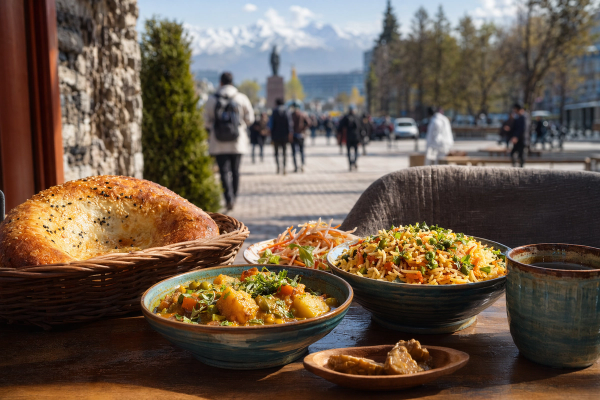
Vegetarians can manage, but options get limited outside towns. You’ll find dal-rice, noodles, aloo, eggs if you eat them, and sometimes local greens. Tell your homestay in advance. In bigger towns like Itanagar, Tawang and Pasighat, you’ll get North Indian, Chinese, bakery items, cafes and basic restaurant food. But the best meals are often at homestays: rice, dal, boiled vegetables, bamboo shoot chutney, smoked pork for non-veg people, and hot tea while rain hits the tin roof. Very filmy, but also very real.
Culture and local behaviour: don’t treat villages like photo studios
#This is important. Arunachal is home to many communities: Monpa, Nyishi, Apatani, Adi, Galo, Mishmi, Tagin, Wancho, Nocte and many more. Every region has its own language, festivals, dress, food, beliefs and customs. People are friendly but not props. Ask before clicking close-up photos, especially elders, children, rituals, homes and religious spaces. In monasteries, dress decently and don’t touch things randomly. In villages, don’t walk into private courtyards just because the house looks “aesthetic.” I’ve seen travellers do this and it’s embarassing.
Festivals are a beautiful way to experience the state. Ziro Festival of Music is the big trendy one, usually around September, with indie music, camping, local food and a lot of young crowd. Dree festival of the Apatani community happens around July in Ziro, Solung is important among Adi communities, Losar is celebrated in Monpa areas, and Si-Donyi is important for Tagin people. Dates can vary by local calendars and announcements, so check before planning. If you attend, go with curiosity and respect, not just for reels.
Road safety tips I genuinely followed after getting scared once
#There was one stretch where rain had just stopped and the road looked fine from far. Then we reached closer and saw mud sliding slowly from the hill wall, like thick chocolate but deadly. Our driver stopped. Another vehicle behind us honked, then also stopped after seeing it. For 20 minutes nothing happened. We just waited. Then a few stones fell. That sound, boss, it stays in your head. Since then I stopped asking “kitna time lagega?” every 15 minutes. In Arunachal monsoon, reaching safe is the plan. Not reaching fast.
- Keep your day’s travel short. In plains, 200 km is nothing. In Arunachal monsoon, 200 km can be a full emotional journey.
- Don’t stand near landslide zones for selfies. Sounds obvious, but apparently it’s not obvious to everyone.
- If water is flowing across the road, let local drivers judge depth and current. Don’t force your vehicle through just because one Bolero went.
- Wear seatbelts where available. Mountain roads don’t care about our jugaad confidence.
- Keep snacks and water in the vehicle. Roadblocks can stretch for hours.
- Avoid alcohol before travel days, especially if crossing high passes. Altitude plus curves plus hangover is a horrible combo.
Lesser-known stops that are lovely in rains, if weather behaves
#Sangti Valley near Dirang is one of those places where you don’t need a checklist. Just sit, walk, stare at fields, listen to the river. In monsoon it becomes very green, though some village roads can be muddy. Shergaon is another favourite, peaceful and not as crowded as the Tawang highway towns. It has monasteries, local homestays, fruit orchards and a very gentle vibe. Thembang is culturally rich and photogenic, but check road conditions before going in heavy rain.
Ziro’s villages are beautiful in monsoon. The Apatani paddy fields, bamboo homes, fish cultivation in rice fields, and pine landscapes are something else. Don’t rush it as a one-day stop. Pasighat and nearby river areas have a completely different charm, more humid and riverine. Roing and Mayodia side can be gorgeous, but landslides and road conditions need checking. Mechuka is magical, no doubt, but in monsoon I’d only go if I had extra buffer days and reliable local updates. It’s not a place to squeeze between two fixed flights.
Budget idea for Arunachal monsoon trip
#A budget traveller using shared Sumos and homestays can manage many Arunachal routes at around ₹2,000-₹3,500 per day, excluding flights, if you are not too fussy. Mid-range travellers with private cab sharing, decent hotels, good meals and local sightseeing may spend ₹4,500-₹8,000 per day. Solo private taxi travel becomes expensive very fast, so group travel helps. Tawang route especially is cheaper if 3-4 people share a vehicle. Ziro can be more relaxed budget-wise unless you go during the music festival, when stay and transport demand goes up.
Also include hidden costs: extra night due to roadblock, vehicle waiting charges, permit for Bum La side, local guide if required, laundry because everything gets damp, and random tea-Maggi stops which somehow become a major category in hill travel budgeting. I’m joking, but not fully.
Best months and who should avoid monsoon travel
#For most travellers, October-November and March-April are the safest sweet spots for Arunachal. Monsoon is best for people who don’t mind uncertainty, love green landscapes, and can keep buffer days. Families with small kids, elderly travellers with health issues, or anyone who gets very anxious during road delays may prefer post-monsoon or spring. High altitude areas like Tawang also need some care because weather changes quickly and altitude sickness can affect some people. Spend a night at Bomdila or Dirang instead of rushing from plains to Tawang in one shot. Your body will thank you.
In 2026 and beyond, I feel Arunachal will only get more popular because connectivity is improving and Northeast travel is trending like anything among Indian travellers. But I hope people don’t turn it into another overcrowded checklist destination. This state deserves slower travel. Talk to locals, eat local food, learn names of communities, understand why permits exist, and don’t leave plastic behind. Basic stuff, but still.
Final thoughts: should you visit Arunachal Pradesh in monsoon?
#Yes, if you plan with patience. No, if you want guaranteed views, tight schedules and smooth roads everyday. Arunachal Pradesh monsoon travel is messy, green, misty, sometimes frustrating and often deeply beautiful. The ILP process is manageable, the roads are improving, accommodation is better than before, and local transport networks are strong in their own way. But the rain changes everything, so keep your itinerary flexible and your ego low.
For me, the best part was not one famous viewpoint or monastery, though those were amazing too. It was sitting in a small roadside shop, socks wet, phone network gone, holding a steel glass of tea while clouds moved across the valley like slow smoke. Nobody was in a hurry for once. That’s Arunachal in monsoon. It makes you slow down whether you planned to or not. And maybe that’s why it stays with you. If you’re planning your own trip, check official ILP updates, road conditions, and local advice before leaving, and don’t travel like everything can be controlled. It can’t. Btw, for more practical India travel stories and destination guides, I often browse AllBlogs.in when I’m planning or just daydreaming about the next trip.