I landed in Bishkek with two packets of thepla, one emergency Haldiram bhujia, and that very Indian fear of “bhai vegetarian food milega kya?” Honestly, I had heard Central Asia is all about meat, horse meat, lamb, broth, kebabs, and big plates of plov. So I was mentally prepared to survive on bread, tea, and bananas. But Bishkek surprised me. Not in a dramatic movie-style way, but slowly, meal by meal. A bowl of hot lentil soup in a small cafe near Chuy Avenue. Fresh non bread from Osh Bazaar, still warm enough to burn my fingers. Georgian khachapuri that was basically comfort food with cheese doing full drama. A Kyrgyz salad with tomatoes so good I actually stopped talking for a minute, which my friends will tell you is rare.
This guide is for Indian vegetarians going to Bishkek who are not trying to be fancy, just fed. Properly fed. With some joy also. I’m not vegan, so dairy and eggs were okay for me, but I’ll point out where things get tricky. If you are strict Jain, vegan, or don’t eat onion-garlic, Bishkek needs more planning. Not impossible, but you’ll have to ask questions, and sometimes ask twice because “vegetarian” can mean different things there. Like, no visible meat but cooked in meat broth. Haan, that happens.
First Thing First: Is Bishkek Vegetarian-Friendly for Indian Travelers?
#Short answer: yes, but not like Bangkok or Dubai or even Tbilisi where you can just wander and find veg stuff everywhere. Bishkek is friendly in a different way. People are helpful, menus are often in Russian and sometimes English, and there are enough cafes, Indian restaurants, Georgian places, Turkish joints, pizza spots, and supermarkets to keep you comfortable. But traditional Kyrgyz food is meat-heavy. Very. The classic dishes like beshbarmak, kuurdak, manty, shorpo, and lagman usually involve lamb, beef, or meat broth. Plov may look like our pulao’s Central Asian cousin, but it’s usually cooked with meat fat and meat pieces.
So you need a strategy. I learned this the hard way on day one, when I pointed at a vegetable-looking soup and the waiter kindly said, “meat stock.” I appreciated the honesty, but my stomach was like hello?? The good news is Bishkek is a capital city with students, expats, tourists, and a cafe culture that’s honestly better than I expected. There are cappuccinos, hummus plates, pasta, veggie burgers in some places, smoothie bowls, and yes, proper Indian dal if you know where to go. I wouldn’t call it a vegetarian paradise, but I’d call it manageable and sometimes surprisingly delicious.
My First Morning: Osh Bazaar, Hot Bread, Dried Fruits and That Travel Happiness
#If you’re Indian and you love food markets, go to Osh Bazaar early. Not too early like 6 am hero behaviour, but maybe around 9 or 10 when it’s awake and not yet too mad. Osh Bazaar is one of Bishkek’s big traditional markets, and for vegetarian travelers it’s honestly a lifesaver. I walked in thinking I’ll just look around, and came out with apricots, walnuts, local apples, cucumbers, a round bread bigger than my face, and some suspiciously addictive sweet things I didn’t know the name of. The bread, called non or lepyoshka depending who you ask, became my default Bishkek survival food.
There are sections with spices, dried fruits, nuts, pickles, fresh vegetables, dairy, honey, and bakery items. If you’ve been to bazaars in Uzbekistan or Kazakhstan, the vibe will feel familiar but Bishkek has its own softer mountain-town energy. I kept comparing it in my head with Almaty’s Green Bazaar, and if you’re doing a Central Asia loop after Kyrgyzstan, my Green Bazaar Almaty Food Guide for Indian Travelers will make a nice follow-up because the snack logic is similar: breads, nuts, dried fruits, safe packaged stuff, and lots of careful asking before eating cooked food.
- Buy fresh non bread when you see it hot. It’s cheap, filling, and goes with everything from yoghurt to supermarket hummus.
- Dried apricots, raisins, walnuts, almonds, and local honey make great vegetarian travel snacks, especially for day trips to Ala Archa.
- Check bakery items carefully because some pastries may contain meat, animal fat, or fillings you didn’t expect.
- If hygiene makes you nervous, stick to peelable fruits, packed nuts, sealed yoghurt, and bread from busy stalls.
The Indian Food Safety Net: Dal, Naan, Chai and Emotional Support
#Look, I love trying local food, but after three days of guessing ingredients in Russian, I wanted dal. Not wanted, needed. Bishkek has Indian restaurants and South Asian-style places that show up on major map apps and travel listings, especially around central areas. Names and opening hours change, so please check recent reviews before going, but you can usually find at least one place serving dal, chana masala, paneer, biryani, roti, and proper masala chai. This is where Indian travelers breathe again.
My best Indian meal in Bishkek was after a long walk from Ala-Too Square to Oak Park and then back through side streets because I got mildly lost, as usual. I ordered dal tadka, jeera rice, mixed veg curry, and naan. Was it exactly Delhi-style? No. Was I judging? Also no. That dal tasted like someone had tucked me into a blanket. The spice level was lighter than home, so I asked for green chilli on the side and the server smiled like he had seen this Indian drama many times before. If you’re traveling with parents or kids, keeping one Indian restaurant marked near your hotel is not boring, it’s smart.
What Local Kyrgyz Food Can Vegetarians Actually Eat?
#This is where things get interesting. Traditional Kyrgyz cuisine comes from nomadic food culture, so dairy, bread, meat, and fermented drinks are a big part of it. For vegetarians, the safest local-ish foods are breads, dairy items, salads, some soups if confirmed without meat stock, potato dishes, and occasionally pumpkin or potato-filled pastries. But you need to ask because the same item can be veg in one place and not veg in another.
Boorsok is a fried dough snack served at celebrations and sometimes in restaurants. It’s like little fried bread pillows. Sounds vegetarian, and often is, but ask what oil or fat it’s fried in if you’re strict. Kurut is dried salty yoghurt balls, very local, very intense. I tried one at a market and my face probably looked like I had bitten a salt rock, but after a minute I kind of liked it? Maybe. Chalap is a dairy drink, tangy and salty, good if you enjoy chaas but stronger. Maksym, a traditional grain-based drink sold by local brands and vendors, is something I saw often in Bishkek. It has a roasted, fermented taste, not everyone’s thing, but worth one sip for curiosity.
Then there are salads. Central Asian tomato-cucumber salads can be shockingly good because the produce is fresh and sweet. Ask for no meat, no sausage, no mayo if you don’t want it. Some restaurants serve vinaigrette salad, beetroot salad, carrot salad, and pickled vegetables. These became my side-dish friends. Also, potatoes. Kyrgyzstan does potatoes well. Fried potatoes, baked potatoes, potato vareniki in some places, potato pies, you name it. As an Indian, I respect any country that respects aloo.
Important Russian Food Phrases for Vegetarians in Bishkek
#Russian is widely used in Bishkek, while Kyrgyz is also official and spoken across the country. In restaurants, Russian phrases helped me the most. Don’t rely only on saying “vegetarian” because sometimes people understand it, sometimes they assume chicken is okay, sometimes they think fish is okay. Say exactly what you don’t eat. I kept these phrases in my notes app and showed them when ordering. Slightly awkward, but better than discovering hidden meat later.
| What you mean | Russian phrase | How I used it |
|---|---|---|
| I am vegetarian | Ya vegetarianets / Ya vegetarianka | Good opening line, but not enough by itself |
| No meat | Bez myasa | Use this every time |
| No chicken | Bez kuritsy | Important because chicken may not be considered “meat” by everyone |
| No fish | Bez ryby | Say it if you don’t eat fish |
| No meat broth | Bez myasnogo bulona | Very important for soups, lagman, sauces |
| Only vegetables | Tolko ovoshchi | Helpful for custom orders |
| Vegetable oil? | Rastitelnoe maslo? | Useful if you avoid animal fat |
| Eggs are okay / not okay | Yaytsa mozhno / bez yayts | For breakfast and baked items |
I know pronunciation can feel funny. I probably butchered half of these words, but people still understood when I showed the text. And honestly, Kyrgyz people I met were patient. Sometimes they called another staff member who knew English, sometimes they just walked me to the kitchen counter and pointed at things. Travel is glamorous like that, standing near a kitchen trying to explain dal-level vegetarianism with Google Translate.
Best Areas in Bishkek to Stay If Food Matters
#If vegetarian food is a priority, I’d stay central. Around Ala-Too Square, Chuy Avenue, Toktogul Street, Kievskaya Street, and the general city center, you’ll have better access to cafes, supermarkets, Indian restaurants, pharmacies, taxis, and late-evening food. Bishkek is not huge, but when you’re hungry and it’s cold, even a 25-minute walk feels like a Himalayan expedition. I stayed near the center and it made the whole trip easier.
The city is very walkable in parts, with wide Soviet-style avenues, leafy parks, and mountain views peeking at you when the weather behaves. Ala-Too Square is the obvious starting point, then Oak Park, Panfilov Park, and the State History Museum area. I loved walking in the late afternoon when the light turned soft and old apartment blocks looked oddly beautiful. Then I’d hunt for dinner. This became my Bishkek routine: walk, photograph random doors, drink coffee, panic about food for 3 minutes, find something veg, overeat bread.
Cafes, Bakeries and Non-Kyrgyz Food That Saved Me
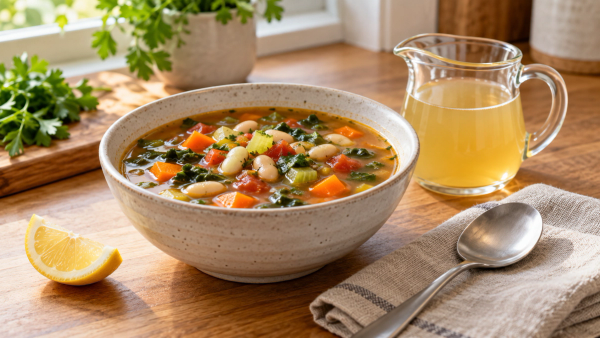
#Bishkek has a surprisingly lively cafe scene. You’ll find espresso bars, breakfast cafes, bakeries, and casual restaurants serving European, Turkish, Georgian, Korean, and Middle Eastern-ish dishes. For vegetarians, these places are often easier than traditional Kyrgyz restaurants. I had shakshuka without meat, mushroom pasta, cheese pide, falafel wraps, lentil soup, veggie pizza, and too many desserts. Too many meaning the correct amount.
Georgian food deserves special mention because it’s a gift to vegetarians in this region. Khachapuri, lobio, pkhali, eggplant with walnut paste, cheese breads, mushroom dishes, salads, ajapsandali if available… I mean, come on. If you see a Georgian restaurant in Bishkek, check the menu. It might become your happy place. Turkish restaurants are also useful because you can often find lentil soup, cheese pide, salads, rice, bread, and sometimes falafel or vegetable mezze, depending on the place. Again, ask about broth and meat stock. I’m repeating this because I forgot once and got overconfident. Don’t be me.
Supermarkets are your backup army. Bishkek has modern supermarkets and small neighborhood shops where you can buy yoghurt, cheese, bread, instant noodles, fruits, biscuits, nuts, juice, and sometimes hummus or ready salads. Read labels if you can, or use translation apps. I carried peanut butter from India, which sounds extra, but it turned breakfast into a five-minute thing before day trips. Bread plus peanut butter plus banana. Not exactly culinary tourism, but very effective.
The Day Trip Problem: Ala Archa and Vegetarian Planning
#Ala Archa National Park is the classic day trip from Bishkek, and please go if you can. The mountains are beautiful in that clean, sharp, Central Asian way. Snowy peaks, pine trees, cold air, and suddenly you forget your inbox exists. Food options inside or near the park can be limited, especially for vegetarians, so pack properly. I took bread, cheese, apples, nuts, chocolate, and a thermos of tea. It felt very picnic-core until the wind slapped me in the face.
If you hire a taxi or join a tour, don’t assume lunch will be vegetarian. Ask before. If the driver suggests stopping at a local place, you may find bread, salad, potatoes, tea, maybe eggs, but not always a full veg meal. I actually liked packing my own because then I could sit by the stream and eat like a happy mountain goat. Just carry your trash back. Basic thing, but you’d be surprised how many people forget.
Comparing Bishkek With Tashkent for Indian Vegetarians
#If you’re combining Kyrgyzstan with Uzbekistan, food planning changes a little. Tashkent felt more structured to me in terms of restaurants, bigger city choices, and easier access to Indian food, though Uzbek traditional cuisine is also very meat-heavy. Bishkek felt more relaxed, greener, and cafe-friendly. Both need broth-checking. Both have wonderful bread and markets. If Uzbekistan is also on your route, I’d keep this Tashkent Vegetarian Food Guide for Indian Travelers open because the ordering problems are similar but the dishes and city rhythm are different.
One thing I loved about Bishkek was that nobody made me feel weird for asking. In some countries, vegetarian questions get eye-rolls. In Bishkek, mostly people tried. Maybe they couldn’t always offer much, but they tried. A cafe staff member once warned me that their “vegetable” soup had beef broth and then suggested fried eggs, salad, and bread instead. Not a glamorous meal, but kind. And kindness while traveling tastes better than people admit.
A Very Honest Vegetarian Eating Plan for 3 Days in Bishkek
#If I had to redo Bishkek with better planning, this is how I’d eat. Day one: arrive, check into a central hotel, go to a cafe for safe food like pasta, soup confirmed veg, or eggs, then walk to Ala-Too Square and eat Indian dinner so your stomach settles. Day two: Osh Bazaar breakfast run for bread, fruits, nuts, and local dairy if you eat it. Lunch at a Georgian or Turkish restaurant. Evening tea and cake in a cafe, then dinner at a Kyrgyz restaurant where you order salads, potatoes, bread, and anything confirmed without meat broth. Day three: Ala Archa picnic with packed food, then back to Bishkek for a proper hot meal, maybe dal or khachapuri depending on your mood.
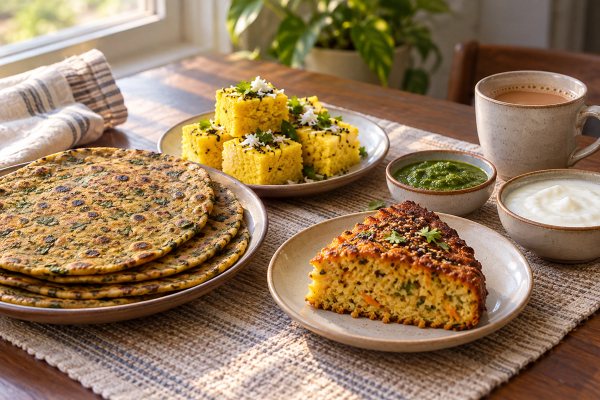
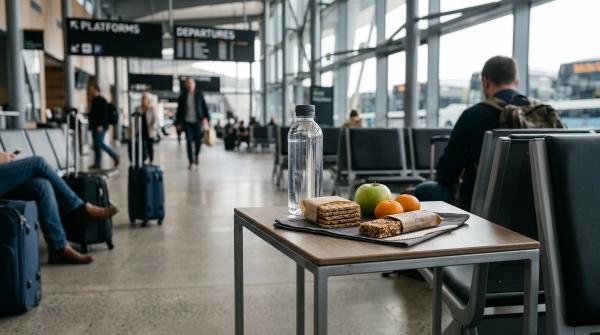
For snacks, keep things on you. Always. Indian travelers already know this, but Bishkek confirms it. I carried roasted makhana, khakhra, instant poha packets, and masala sachets. Was it too much? Maybe. Did everyone laugh at me on day one and then eat my snacks on day four? Exactly. If your accommodation has a kettle, instant upma or poha can save breakfast. If it has a kitchenette, even better. You can buy vegetables, rice, eggs, pasta, and cook simple meals.
What to Watch Out For: Hidden Meat, Broth, Fat and Menu Confusion
#The biggest vegetarian trap in Bishkek is not obvious meat. That’s easy to avoid. The problem is broth, fat, and fillings. A soup may be “vegetable” but cooked in meat stock. Lagman may have vegetables but the base is meat broth. Plov may be served without meat pieces if you request, but cooked in meat fat or with meat earlier. Samsa often contains meat, though you may find potato, pumpkin, or cheese versions at some bakeries. Dumplings like manty are usually meat-filled, but sometimes pumpkin manty appears seasonally or in certain restaurants. Ask clearly.
Also, salads can have sausage or ham hiding like a villain. I ordered what looked like a harmless Olivier-style salad once and then noticed tiny meat bits. My fault for assuming. Mayo salads especially need checking. Same with breakfast omelettes, which may include sausage. If you’re strict vegetarian, use translation apps and show the phrase “no meat, no chicken, no fish, no meat broth.” It feels repetitive but works. And if you’re vegan, be extra careful because dairy is everywhere, from breads to sauces to drinks.
My Favourite Food Memory in Bishkek Wasn’t Even a Restaurant
#Funny thing, the meal I remember most was not fancy. It was a bench near Oak Park, cold fingers, fresh bread from a small shop, local tomatoes, a salty cheese I bought without fully understanding the label, and black tea from a paper cup. I had been walking all day, my feet hurt, and the mountains were faintly visible beyond the city like they were keeping watch. That little picnic tasted better than some expensive tasting menus I’ve had. Travel does that. It changes the seasoning.
Bishkek is not a city that throws itself at you. It’s not instantly dramatic like Istanbul or Jaipur. It’s quieter. You notice it in layers: the Soviet buildings, the tree-lined streets, the old men playing chess, the students in cafes, the smell of bread, the marshrutkas, the mountain air, the bazaar ladies who look strict but soften when you buy apricots. For a vegetarian Indian traveler, yes, you’ll have some confusing meals. You may eat more bread than medically advisable. You may say “bez myasa” in your sleep. But you won’t starve. And you’ll probably come back with a soft spot for the place.
Final Tips Before You Fly to Bishkek
#- Book accommodation near the center if food choices matter to you. It reduces stress a lot.
- Save vegetarian phrases in Russian offline, not just in your head. Network can betray you at the exact wrong moment.
- Mark Indian, Georgian, Turkish, and cafe-style restaurants before landing, then check recent reviews and hours.
- Carry Indian snacks, especially if you’re strict veg, Jain, vegan, or traveling with kids.
- At markets, buy breads, fruits, nuts, honey, and sealed dairy. Be cautious with cooked snacks unless you can confirm fillings and oil.
- For day trips like Ala Archa, pack your own meal. Don’t leave lunch to luck.
So, would I recommend Bishkek for Indian vegetarians? Yes, with planning. Not blind confidence, not “sab mil jayega” energy, but a sensible mix of curiosity and backup snacks. Go for the mountains, the markets, the bread, the slow cafe afternoons, and the feeling of being somewhere that still feels a bit under-talked-about. Bishkek fed me better than I expected, and honestly, I’d go back just for Osh Bazaar bread and a long walk under those giant trees. If you’re planning more food-heavy trips and want casual, real travel notes, poke around AllBlogs.in sometime, there’s plenty of good stuff to keep your hungry travel brain busy.