Akshaya Tritiya: Muhurat, Gold Trends & Travel — how I usually plan the day without losing my mind
#Akshaya Tritiya has never felt like just a calendar festival to me. In our house it’s this mix of devotion, shopping pressure, family WhatsApp noise, temple plans, and that one aunty who will definitely ask, “so, gold liya kya?” And honestly... she’s not wrong. Across India, people do treat this day as one of the most auspicious times to begin something new, buy gold, book property, start a small business, or just pray quietly and keep it simple. I’ve experienced it in very different ways — one year standing in a long temple queue before sunrise, another year wandering through a packed jewellery market, and once while travelling, trying to figure out whether I should rush to a famous temple town or avoid the crowd completely. So this post is for people like me, who want the muhurat info, want to understand the gold trend madness, and also want to travel smart around the festival instead of doing bakchodi at the last minute.
First, what makes Akshaya Tritiya such a big deal?
#The word “Akshaya” basically means never diminishing, or that which keeps growing. That idea alone explains why the day feels so powerful to so many families. It’s considered highly auspicious in the Hindu and Jain traditions, and a lot of people believe any good action started on this day carries lasting blessings. You’ll see purchases of gold and silver, donations, housewarmings, wedding conversations, puja bookings, and temple visits all peaking around this time. In many places there’s also a strong cultural pattern around buying even a tiny amount of gold if full jewellery isn’t possible. My nani used to say, “thoda sa bhi chalega, shagun hona chahiye.” That line has stayed with me, because it reflects the real Indian middle-class mood so well. Not everyone is buying a bridal set. Sometimes it’s a coin, a small pendant, even digital gold these days.
Akshaya Tritiya 2026 muhurat — what people usually look for, and what to check properly
#For Akshaya Tritiya 2026, most people will be checking the Tritiya tithi timing first, then matching it with local sunrise and city-based panchang details. And please, seriously, check your own city timings. Delhi, Mumbai, Bengaluru, Kolkata, Jaipur, Hyderabad — there can be slight differences depending on the source and location, and families get weirdly intense about this. If you’re planning puja, jewellery shopping, vehicle delivery, griha pravesh, or any formal booking, use a reliable local panchang, your temple’s notice, or ask your family priest. Don’t just trust one random graphic on Instagram, yaar. Usually, people prefer the daytime window when Tritiya is prevailing, though some will also follow specific labh or shubh choghadiya as per family custom. I’ve seen both happen. One side of the family is very exact with muhurat, the other is like “subah mandir chale jao, enough.” Typical.
- Check the Tritiya tithi start and end time for your city, not just a national generic post
- If you’re buying gold, confirm store opening hours because many jewellers start extra early on Akshaya Tritiya
- For temple visits, morning is spiritually nice but also the most crowded, so plan accordingly
- If elders in the family follow a priest-approved muhurat, ask in advance instead of calling them in panic at 8:12 am
The gold trend thing is real, and yeah, it changes every year
#If you’ve gone into any Indian jewellery market around this festival, you already know the energy. It’s not subtle. Big banners, exchange offers, making-charge discounts, tiny gold coin counters, crowds asking rates every ten minutes, and staff trying very hard to stay cheerful. Lately, a few trends are very obvious. One, lightweight jewellery is huge. People still love traditional pieces, but practical daily-wear designs, stackable bangles, minimalist chains, office-friendly pendants, and small coins are moving fast. Two, digital gold and sovereign gold bonds have made some younger buyers less emotional about physical shopping, though physical gold still wins on festival day because... well, it feels like an event. Three, because gold prices have stayed elevated and volatile, many buyers are budgeting harder. I’ve noticed more people saying, “let’s buy less weight but better design,” instead of doing a massive purchase just for show. And that makes sense.
Another thing I’ve seen in cities like Mumbai, Ahmedabad, Chennai, and even tier-2 places is that jewellers now mix tradition with convenience in a very Indian way. You get video appointments, WhatsApp catalogues, online booking of gold coins, and same-day pickup if you don’t want to stand in line forever. Hallmarking awareness is much stronger now too. More customers ask for BIS hallmarked jewellery, proper invoices, buyback terms, wastage details, and making charges broken down clearly. Good. They should. Gold buying should feel auspicious, not confusing. Honestly, if the salesperson becomes too vague, I get suspicious immediately.
My own rule is boring but useful — on Akshaya Tritiya, emotion is fine, impulse is not. Buy for blessing, sure, but also ask the rate, hallmark, making charge, and return policy. Bhagwan bhi yehi chahenge probably.
Where I’ve actually enjoyed Akshaya Tritiya most: temple towns, old bazaars, and one surprisingly calm detour
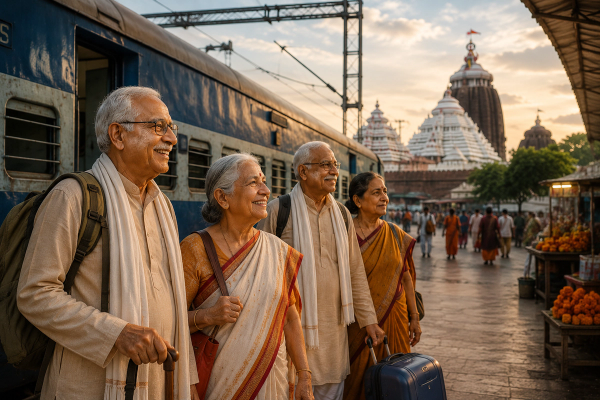
#If you want the full atmosphere, temple cities are something else on this day. Varanasi, Ujjain, Nashik, Puri, Tirupati, Guruvayur, Madurai, Jaipur’s older temple circuits, and parts of Ahmedabad all have this festive buzz that starts early and builds fast. In some places, buying gold is only part of the day. The bigger emotional memory becomes the darshan, the smell of flowers and ghee lamps, the halwa or prasad after, and random conversations with families who have come from nearby towns just for this one auspicious date. I’ve felt that in Ujjain especially. The city wakes up differently when faith is leading the schedule. Shops open, tea stalls get crowded, autos become impossible for a while, and everyone seems to be headed somewhere meaningful. Bit chaotic, yes. But warm. Very warm.
One year I paired a jewellery market stop with a temple visit in Jaipur, and that was honestly a smart combo if you can handle crowds. You can do Govind Dev Ji for darshan, then head toward Johari Bazaar where the Akshaya Tritiya shopping mood is in full swing. But, small warning, don’t expect a peaceful heritage walk that day. It’s loud, packed, and full-power local India. I like that vibe, but not everyone will. If you want a calmer version of the festival, stay in a nearby heritage haveli or a quieter neighbourhood and do your temple visit very early, then return before traffic gets ugly.
Traveling during Akshaya Tritiya? Book earlier than you think you need to
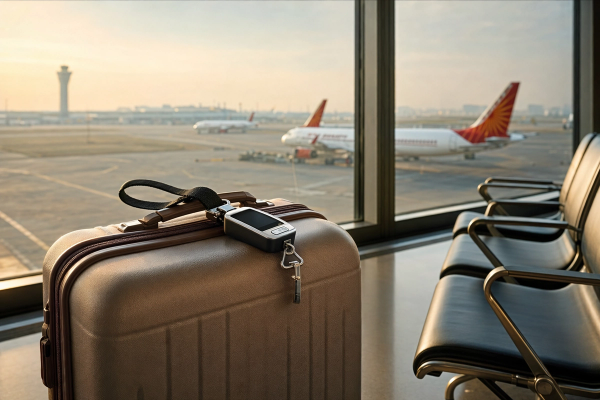
#This is where people mess up. They assume only Diwali, Holi, or long weekends create rush. Nope. Akshaya Tritiya can spike travel and hotel demand in specific religious destinations and commercial cities, especially where temple visits and jewellery shopping happen together. Flights and trains to high-demand routes may tighten, hotel tariffs inch upward, and local cabs become annoying to find during peak hours. If your plan includes places like Varanasi, Tirupati, Ujjain, Shirdi, Puri, or even major city market areas, don’t be too chill about bookings. I’d say lock transport and stay at least 2 to 4 weeks early if you care about decent rates. Last-minute also works sometimes, but then you’re relying on luck and overpaying. I have done that. I do not recommend it.
What stays usually cost around festival time
#Budget rooms near temples or markets can start roughly from ₹1,000 to ₹2,500 in smaller cities, but quality varies a lot. Mid-range hotels usually sit somewhere around ₹3,000 to ₹6,500, and in high-demand zones or cleaner branded properties it can go beyond that easily. Heritage stays, boutique options, or nicer family hotels in places like Jaipur, Varanasi, or Madurai may jump into the ₹6,000 to ₹12,000 range and above during peak dates. If you’re travelling with parents, I’d strongly suggest paying a bit extra for easy access, lift facility, reliable hot water, and decent breakfast. Saving ₹800 and then dragging elders through chaotic lanes with luggage... not worth it, trust me.
Transport, safety, and practical stuff nobody tells you properly
#Current travel conditions in most major festival destinations are generally manageable, but crowd management can change fast depending on temple security, VIP movement, local processions, or weather. So keep buffer time. Metro cities are easier because app cabs, metro rail, and regular autos are available, but old city areas often become semi-gridlocked. In temple towns, walking the last stretch is sometimes faster than waiting in traffic. Also, if you’re carrying jewellery after shopping, be sensible. Don’t wave branded packets around, don’t discuss the amount loudly in public, and if possible go straight back to your hotel or home. I know that sounds obvious, but festival excitement makes people careless.
- Use UPI, card, or bank transfer where possible instead of carrying too much cash
- For darshan-heavy places, keep a water bottle, cap, comfortable footwear, and one small cloth bag
- Older markets may have patchy parking, so driver-drop is often better than self-driving
- Women travellers are generally fine in busy family crowds, but late-night isolated lanes after shopping are best avoided
- If you’re travelling with kids or elders, identify one meeting point in case the crowd splits you up
Best time to travel around the festival, weather-wise? Depends where you’re going, and heat is no joke
#Akshaya Tritiya usually falls in peak summer conditions across much of India, and this part matters more than people admit. North and central India can get brutally hot in the daytime. Cities like Jaipur, Ujjain, Varanasi, and Ahmedabad may feel exhausting by noon. South Indian temple towns can be humid, while coastal areas add sticky heat into the equation. If your trip is built around the festival itself, then just accept that early morning and evening are your best friends. Start before sunrise if temple darshan is the goal. Keep noon for rest, lunch, and maybe shopping in AC spaces. If you simply want the cultural feel without standing in heavy crowds, consider arriving one day before and leaving one day after. You still catch the atmosphere but with less stress. Actually this is what I prefer now. Younger me wanted peak chaos. Present me wants shade and buttermilk.
What to eat when you’re out for darshan and shopping all day
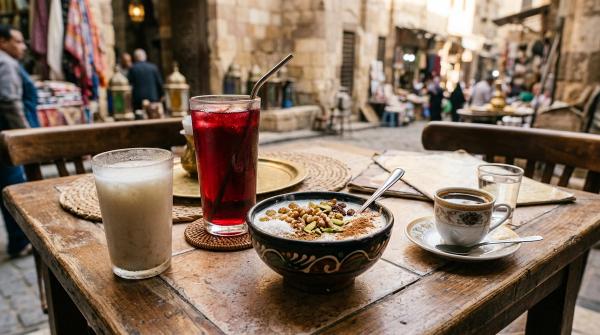
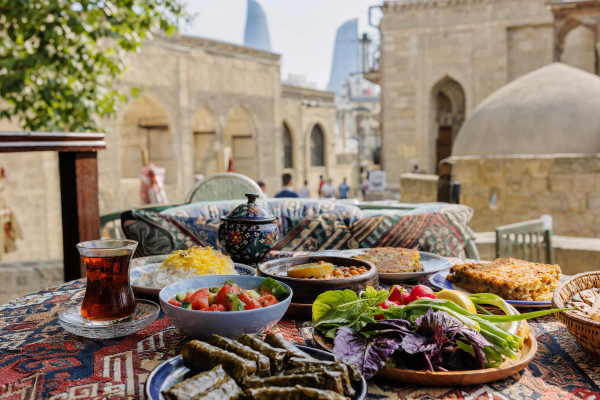
#This is the underrated part of any festival travel plan. You will get hungry at stupid times, and crowded market food can either save your day or ruin your stomach. My usual strategy is very desi: solid breakfast first, temple visit, then tea somewhere trusted, then proper lunch only after the rush. Depending on the city, you’ll find festival-special sweets, prasad counters, poha-jalebi breakfasts, kachori, sabudana options in some places, fresh lassi, thandai, lemon soda, and all the usual market snacks calling your name. In Jaipur and Varanasi, breakfast can become a full event by itself. In Gujarat, the whole shagun-and-shopping mood often spills into snacks and mithai gifting too. Just don’t experiment too hard in extreme heat, okay? This is not the day to challenge your digestive system with six fried items and suspicious kulfi.
One thing I genuinely love is how the festival isn’t only about buying. It’s about giving too. A lot of families do daan, arrange water stalls, distribute food, or support gaushalas, temples, or local charities. When I travel during this period, I try to notice that side because it changes the whole mood. Markets show you prosperity. Temples and community spaces show you intention. Both are part of the day.
If gold shopping is on your travel itinerary, these city pockets are worth knowing
#For traditional gold buying vibes, some markets are almost institutions now. Zaveri Bazaar in Mumbai, Johari Bazaar in Jaipur, T Nagar in Chennai, Chickpet and Commercial Street-side jewellers in Bengaluru, Cuttack’s filigree circuit if you’re looking beyond plain gold, Hyderabad’s old jewellery pockets, and Ahmedabad’s established family jewellers all have loyal local buyers. But each place has a different style. Chennai and Hyderabad often lean strongly into wedding and temple jewellery aesthetics. Mumbai gives you everything from tiny investment coins to ultra-modern pieces. Jaipur is more mixed — kundan, meenakari influence nearby, heritage taste, and tourist crossover. If you’re travelling only for shopping, call ahead, shortlist stores, compare making charges, and ask if they offer token booking or festival queue management. Some do, and it saves a lot of headache.
Lesser-known ways to make the trip feel special, not just crowded
#Btw, here’s something cool I found over the years — the most meaningful Akshaya Tritiya travel memories are rarely from the exact main purchase moment. They come from side experiences. An early-morning temple aarti in a smaller shrine while the city is still waking up. Sitting with chai after darshan and watching families discuss what tiny gold item they can afford this year. Buying from a trusted old jeweller whose shop has been in one lane for 40 years and who still knows half his customers by family name. Visiting a stepwell, ghat, old bazaar haveli, or local sweet shop after the rush. Even just taking an evening walk once the heat drops and the city exhale begins. That stuff stays.
- Go to the main temple early, then explore one smaller neighbourhood shrine nearby
- Choose one market for shopping and one separate area for food, don’t try to do all in one mad rush
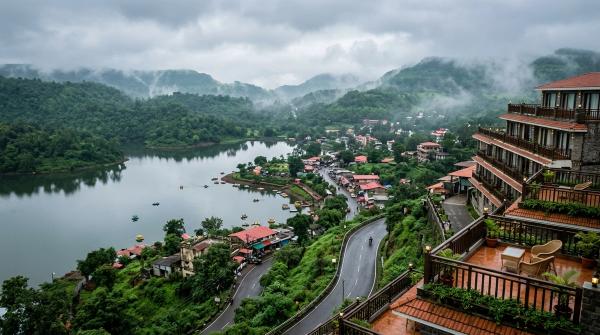
- If you’re in a heritage city, add one cultural stop like a ghat, old haveli, museum, or lakefront to balance the day
- Buy only what fits your budget and mood — the blessing is not measured in grams, seriously
A few honest mistakes I’ve made, so maybe you don’t
#I’ve gone out too late and ended up in impossible lines. I’ve skipped water because “abhi darshan karke peete hain” and then felt half-dead by 11 am. I’ve once entered a jewellery store with zero clarity and got totally confused between coin, chain, and bracelet because everyone around me was buying with more confidence. And yeah, I’ve also overplanned, which is its own problem. The day has a flow of its own. If you’re travelling for it, keep the structure loose. One spiritual plan, one practical plan, one food plan. Bas. That’s enough. Don’t make a spreadsheet for a festival unless you enjoy suffering.
So, should you travel for Akshaya Tritiya or celebrate at home?
#Honestly, both are valid. If your family has deep home rituals, temple access nearby, and a trusted local jeweller, staying local may be the most meaningful option. But if you’ve been wanting to experience the festival in a place with strong spiritual energy or iconic market culture, then yes, a short trip can be really rewarding. Just go with the right expectation. This is not a slow romantic holiday. It’s a living Indian festival day — devotional, commercial, noisy, emotional, beautiful, slightly exhausting. In other words, very us.
My own sweet spot now is simple: verify the muhurat properly, keep the shopping budget realistic, choose one destination instead of five, stay close to the action but not inside total chaos, and leave room for serendipity. That’s the word I guess, though my mother would just call it “shubh mauka.” Whether you buy a gold coin, visit a temple, make a donation, or just begin something new quietly, the day does have a certain hopeful feeling around it. And maybe that’s why it stays special, year after year, without needing too much drama. If you like this kind of grounded Indian travel-festival writing, have a look at AllBlogs.in too — found some pretty useful reads there, not gonna lie.