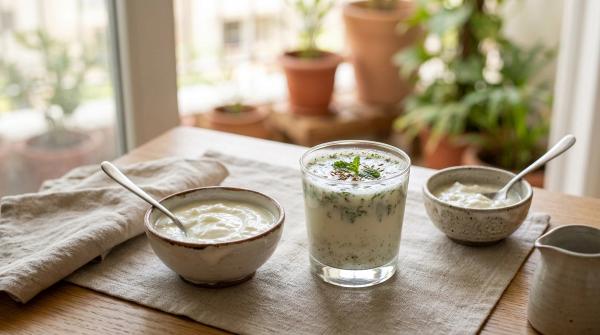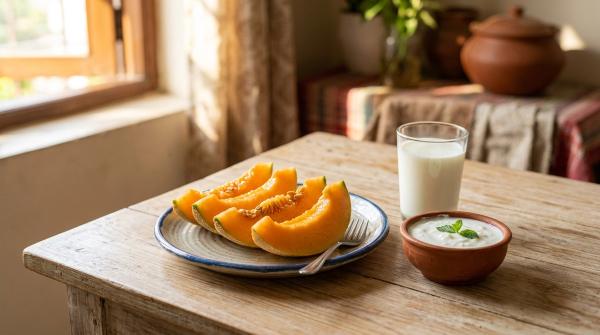
Every summer I end up having this same tiny kitchen debate with myself. Do I go for a bowl of plain curd, cold from the fridge, or do I whisk it up into buttermilk with cumin, mint, a little black salt, maybe some ginger if I'm feeling fancy? It sounds like a small thing, I know, but when the heat gets gross and sticky and you feel half-melted by 2 pm, what you drink or eat starts mattering way more than people admit. I grew up in a house where both were kind of non-negotiable in summer. Curd with lunch. Buttermilk in the afternoon. Nobody called it “gut health” back then, lol. It was just what made you feel less terrible in May and June.
These days, of course, everything has a wellness label on it. Probiotics. microbiome diversity. hydration support. post-meal glucose management. Even traditional foods are getting rediscovered by people who act like fermented dairy was invented in a fancy cafe in 2026. Still, some of that trendiness has a point. There really is more research now around fermented foods, protein quality, hydration habits, and digestive comfort. So if you're wondering whether buttermilk or curd is “better” in summer, the honest answer is... uh, it depends. But if you want the short version from someone who's tested this on many sweaty afternoons, buttermilk usually wins for heat relief, while curd wins for fullness and nutrition density.
First, what even is the difference? Because people mix this up a lot
#In a lot of Indian homes, “buttermilk” usually means diluted curd, churned or whisked with water and sometimes spices. Traditionally, real buttermilk was the liquid left after churning butter from cultured cream, but that's not what most of us are drinking daily. Curd, on the other hand, is set milk fermented with bacterial cultures. It's thicker, more concentrated, and usually has more protein, more calories, and less water per serving than buttermilk.
That difference sounds obvious, but it changes how each one behaves in the body. Curd feels more like a food. Buttermilk feels more like a cooling drink. One satisfies hunger better. The other helps you sneak in fluids when plain water starts feeling boring and sad. And yes, both can contain beneficial live cultures, though the exact strains and amounts vary wildly depending on how it's made, stored, and whether it's homemade or packaged.
Why buttermilk feels sooo much better in brutal summer heat
#For me this is the biggest thing. Buttermilk is lighter. That's it, that's the tweet. When it's super hot outside, especially humid heat, a heavy meal just sits there and makes me feel sleepy and slightly annoyed at life. A glass of chaas after lunch feels easier to digest, or at least easier to tolerate. Since it's diluted with water, it also contributes to fluid intake. That's not the same as an ORS solution or anything medical, obviously, but from a practical day-to-day hydration angle, it helps.
Current wellness advice in 2026 keeps circling back to hydration quality, not just quantity. Sports dietitians and preventive health folks are talking more about pairing fluids with a bit of sodium and food-based electrolytes instead of only chugging plain water all day. That's probably one reason traditional salted buttermilk keeps popping up again in summer meal plans. A mildly salted glass with roasted cumin can be more appealing than water, and people actually drink it. Which matters. If you never finish your water bottle but happily drink chaas, that's useful, you know?
If your main summer problem is feeling overheated, low-appetite, mildly bloated, or just weirdly drained after meals, buttermilk often fits better than a big bowl of curd.
But curd has its own strengths, and honestly I think people undersell them
#Curd is more concentrated nutritionally. If you compare similar starting ingredients, curd generally gives you more protein per serving than buttermilk, plus calcium, phosphorus, vitamin B12, and other dairy nutrients in a denser form. That's a big deal if you're trying to stay full longer, maintain muscle, or just avoid random snack attacks at 5 pm. In 2026 there is soooo much talk around protein, and yes some of it is overhyped, but the basic point is true. Most people don't evenly distribute protein across the day. A bowl of curd with lunch or as an evening snack can genuinely help.
I started paying more attention to this after one summer when I was doing the classic thing, fruit for breakfast, iced coffee, then feeling shaky by late afternoon. Adding curd to meals made me less snacky and less cranky. Not in a miracle way. Just... steadier. There are also newer discussions in nutrition circles about fermented dairy being associated with satiety and possibly better metabolic outcomes than many ultra-processed snack foods people replace them with. Again, not magic. Just a better default in many cases.
- Choose curd if you want something more filling and protein-rich
- Choose buttermilk if you want something lighter and more hydrating
- Choose either based on what your stomach actually likes, because that part matters more than internet health bros admit
What about digestion and gut health? This is where everybody gets dramatic
#Let's be normal about this. Neither buttermilk nor curd is a cure-all for your gut. But both are fermented dairy foods and can contain beneficial microbes, which may support digestion for some people. Research over the past few years keeps supporting the idea that fermented foods can help microbial diversity and digestive wellbeing as part of an overall healthy diet, but the effects are individual. Homemade curd may contain live cultures, packaged curd may be more standardized, and heavily processed flavored products can be a whole different story.
A lot of people find buttermilk easier on the stomach than curd because it's thinner and usually consumed in smaller dairy concentration per sip. If you've ever felt too full after eating a big bowl of curd rice in the afternoon heat, but felt fine with a glass of spiced buttermilk, yeah, same. On the flip side, if you're hungry and your digestion is fine, curd may be more satisfying. Also worth saying, fermentation can reduce lactose somewhat, so some people with mild lactose sensitivity tolerate curd or buttermilk better than milk. But not everybody does. If dairy gives you cramps, gas, diarrhea, congestion, whatever, don't force it just because wellness Instagram says probiotics.
Tiny reality check on bloating, because I learnt this the hard way
#I used to think if something is fermented it automatically helps bloating. Not always. If I have curd late at night in very large amounts, especially with a heavy meal, I can feel more stuffed not less. Buttermilk at lunch works better for me. My cousin is the exact opposite and swears curd calms her stomach. Bodies are weird. This is one of those annoying but true “it depends” things.
Which is better for hydration and electrolytes in summer?
#Buttermilk, pretty clearly. Since it's diluted and often taken with a pinch of salt, sometimes herbs and spices, it supports fluid intake better than curd does. It won't replace proper medical rehydration if someone is dehydrated from severe diarrhea, vomiting, heat exhaustion, or heat stroke symptoms. Please don't play around with that. But for ordinary summer fatigue, especially after being outside or after lunch, buttermilk makes a lot of practical sense.
There has also been more public health conversation in recent heatwave years around older adults, outdoor workers, and kids needing routine hydration strategies that are realistic and culturally familiar. That's where simple homemade drinks matter. Buttermilk is affordable, accessible, and usually easier to drink repeatedly through a hot week than something rich. In that sense, it kind of wins the summer contest by being useful, not glamorous.
Which one is better for weight management? Kinda depends on what you mean by “better”
#If by better you mean lower calorie and more volume, buttermilk often comes out ahead. You get a cooling, savory drink that can reduce the urge to reach for sugary beverages. That's actually pretty relevant right now because a lot of 2026 nutrition guidance keeps warning that "healthy drinks" can still become sugar bombs. Packaged sweet lassi, dessert yogurts, and flavored probiotic drinks can have way more added sugar than people realize. Plain buttermilk with spices is usually a smarter summer swap.
But if by better you mean more satiating and supportive of muscle retention while trying to lose fat, curd can be the stronger option, especially strained or thicker curd with a decent protein amount. I know, slight contradiction. Welcome to nutrition. Lower calorie isn't always the same as more helpful. Sometimes eating the more filling thing stops you from raiding the biscuit tin an hour later, which is what happens to me if lunch is too light.
A quick note on blood sugar, because people ask this now a lot
#Plain unsweetened curd and plain buttermilk are both generally better choices than sugary drinks or sweetened yogurt products when it comes to post-meal blood sugar stability. Pairing curd with meals can slow things down a bit because of the protein and fat content. Buttermilk, if unsweetened, is also a smart option as a beverage instead of juice or soda. Newer metabolic health discussions in 2026 are really pushing simple swaps like this rather than weird detoxes, thank god.
That said, if you have diabetes or insulin resistance, the add-ons matter. Sweet boondi raita, sugar-loaded lassi, fruit curd cups, or salty packaged drinks with hidden starches are not the same thing as plain homemade curd or buttermilk. Labels are sneaky. I feel like half of “wellness” is just becoming annoyingly good at reading ingredient lists.
When curd may be the better choice
#- You need a more filling side with lunch or dinner
- You're trying to increase protein and calcium in an easy, budget-friendly way
- You want a versatile base for bowls, dips, raita, or fruit-and-seed snacks
- You don't love drinking your dairy but are happy eating it with food
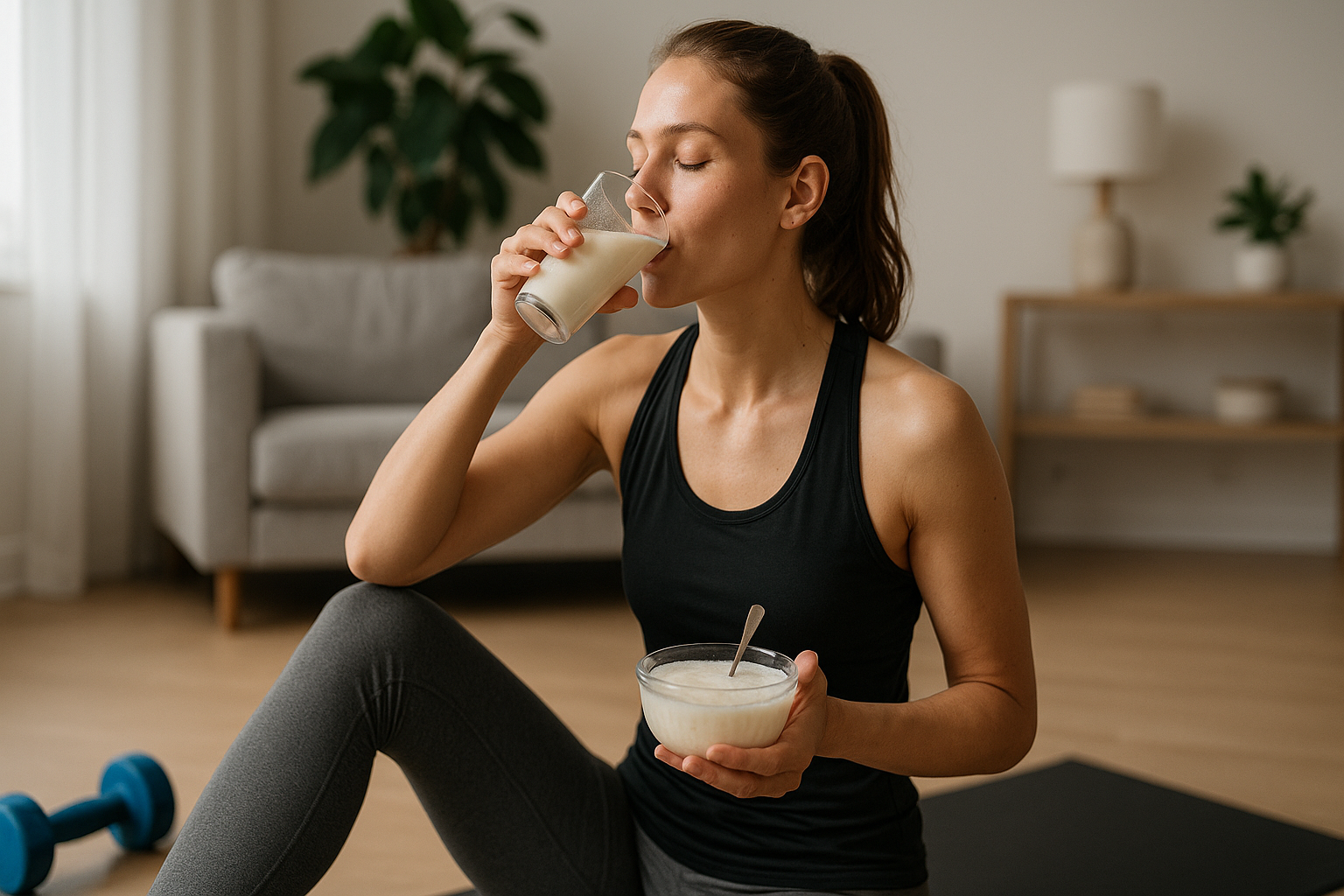
Also, if you're recovering after exercise and want something simple, curd with a pinch of salt and some fruit on the side can actually be a pretty decent snack. Not trendy, not aesthetic, but solid.
When buttermilk may be the better choice
#- You're dealing with summer heat and want something light, cooling, and easy
- You struggle to drink enough fluids during the day
- Heavy meals make you sleepy or uncomfortable in hot weather
- You want a savory alternative to sweet drinks
This is me most afternoons, honestly. A chilled glass with curry leaves, cumin, mint, and a little grated ginger? ridiculously good. Sometimes I add crushed ice even though my grandmother would probably say I'm ruining it.
Who should be a bit careful
#A few people need to be more thoughtful here. If you have a diagnosed milk allergy, skip both unless a clinician says otherwise. If you're lactose intolerant, you might tolerate fermented dairy better than milk, but test your own response carefully. If you have kidney disease, high blood pressure, or are on fluid/sodium restrictions, don't assume salty buttermilk is automatically ideal. If you get frequent migraines or histamine-related symptoms, fermented foods can sometimes be a trigger for some people. And if dairy tends to worsen your reflux or sinus symptoms, that's worth paying attention to too.
Oh and food safety, please. In summer, dairy goes bad fast. Homemade curd left out too long, buttermilk sitting around for hours, or using unclean water to dilute it... nope. Keep it chilled, use clean utensils, and if it smells off, don't do the brave thing. The brave thing is throwing it away.
So... which is better overall?
#If you force me to choose one specifically for summer, I'd say buttermilk is better for most people on most hot days. It hydrates better, feels lighter, and fits the season more naturally. It's the thing I crave when the weather is unbearable and food feels like too much effort. But curd is nutritionally stronger per spoonful and absolutely deserves a place too, especially if your meals are low in protein or you want something more substantial.
My very non-dramatic answer is this: buttermilk is the better summer drink, curd is the better summer food. There. That's probably the clearest way I can put it without pretending one is superior in every single situation. Because it isn't.
Best for heat relief: buttermilk. Best for fullness and nutrition density: curd. Best overall choice: the one your body tolerates well and you'll actually have regularly.
What I personally do now
#These days my routine is pretty simple. On really hot days, I have buttermilk after lunch, usually homemade and lightly salted. If lunch is small, I'll add curd somewhere else in the day, maybe with roasted chana, cucumber, or as raita with dinner. If I've been out walking a lot and feel drained, buttermilk is way more appealing. If I'm hungry and trying not to snack on nonsense, curd works better. Not exactly revolutionary, I know, but honestly most good health habits are kind of boring and repetetive.
And yeah, I still have days where I ignore all this and drink iced coffee instead, then wonder why I feel dehydrated and weird. Human behavior, amazing stuff.
Final thoughts, from one overheated person to another
#You don't need to turn this into a complicated health project. If summer makes you feel sluggish, sweaty, bloated, or just not hungry, start simple. Try plain curd with meals if you want nourishment and satiety. Try buttermilk if you need something cooling and easier to sip through the day. Keep both unsweetened most of the time. Watch the salt if you need to. Pay attention to how your stomach responds. And if you have a medical condition, ask your doctor or dietitian instead of letting random internet people, me included, act too confident about your body.
Anyway, that's my very lived-in take on buttermilk vs curd in summer. Both are good. Buttermilk wins the heat battle, curd wins the staying-power battle, and your own digestion gets the final vote. If you like this kind of practical wellness rambling, go browse more over at AllBlogs.in.