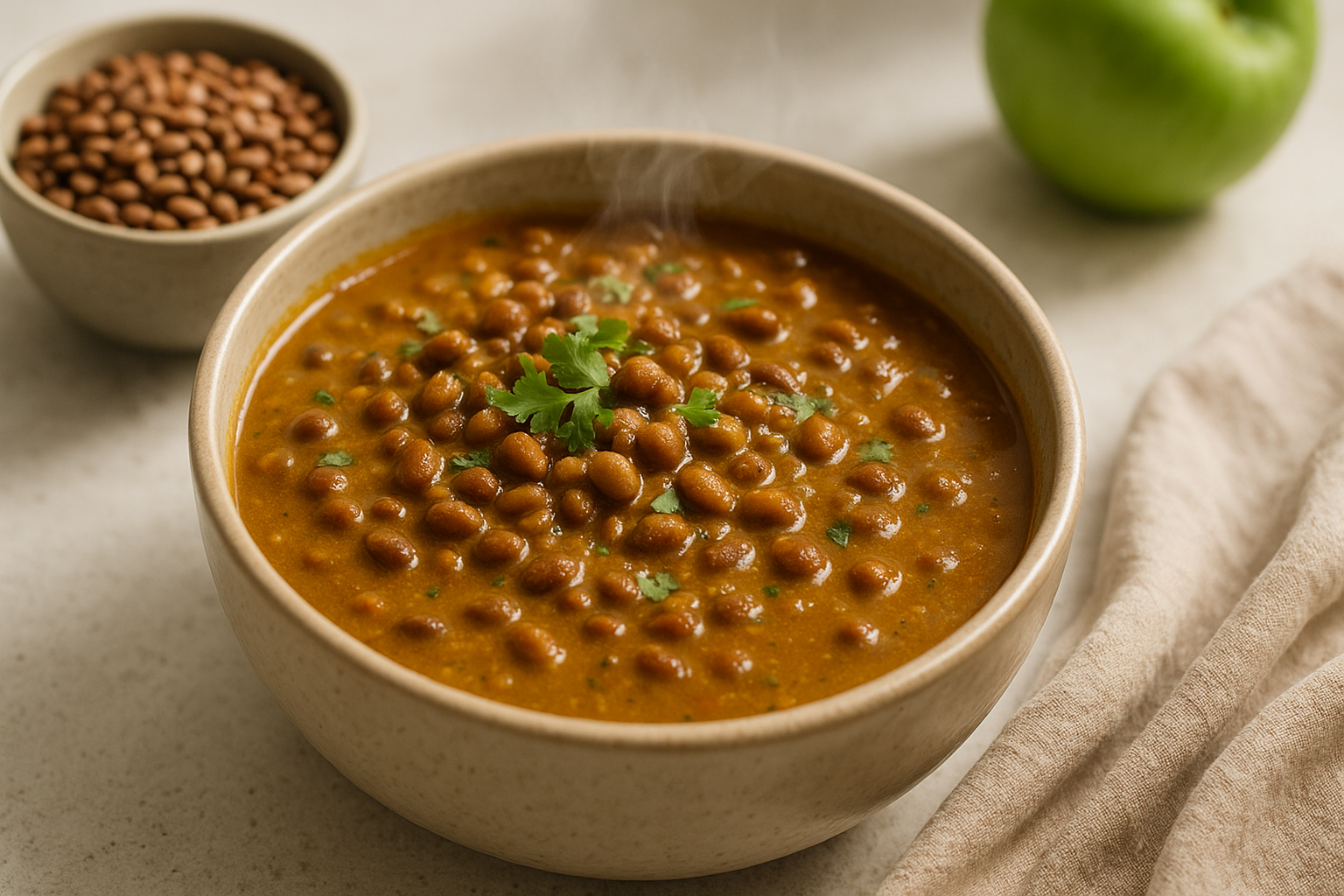
I used to think horse gram was one of those old-school ingredients people only talked about when they were being very virtuous about food. You know the type. "Eat millets, soak your beans, wake up at 5, fix your gut" etc etc. Then one winter at my aunt's place in Karnataka, she made a thin, peppery huruli saaru with a little rice and a scary amount of garlic tempering, and I was done for. Completely converted. Horse gram, kulthi, kollu, huruli, call it what you want, has this earthy, slightly nutty, almost smoky taste that feels humble but weirdly addictive. And yes, if you're trying to eat lighter or lose weight without feeling miserable all day, it's kind of brilliant.
Quick reality check though because internet diet culture gets so dramatic. No single ingredient melts fat. Horse gram isn't magic, sadly. But it is a protein-rich, fiber-rich legume that can help with fullness, steadier energy, and making meals more satisfying, which honestly matters way more in real life than any detox nonsense. Depending on the source and variety, dry horse gram is often listed around the low-20s in protein per 100 grams, plus a decent amount of iron and polyphenols. Once cooked, obviously that number changes because of water. Still, for such a cheap pantry staple, it punches above its weight.
Why horse gram suddenly feels very 2026, even though it's ancient as heck
#This is the funny part. While everyone keeps chasing the next alt-protein thing, horse gram has kinda been sitting here all along, being useful. In 2026, food trends are obsessed with climate-smart crops, regional ingredients, gut-friendly cooking, seed cycling, high-protein bowls, and what people now love calling "ancestral wellness". Some of that language is a bit eye-roll, not gonna lie, but the shift itself? I like it. Restaurants and home cooks are looking back at drought-tolerant ingredients that actually make sense in Indian kitchens, and horse gram fits that mood perfectly. It's hardy, traditional, affordable, and very meal-prep friendly. Honestly, if horse gram had a slick startup packaging and a California PR team, people would be calling it a superbean and charging 900 rupees for a salad.
I've also noticed more regional tasting menus and cafes doing smart little updates with old ingredients. In Bengaluru, where openings come and go faster than my sourdough phase did, chefs are still leaning into native grains, local greens, fermented stuff, and forgotten pulses. Hyderabad and Chennai too, same vibe in different ways. More small places are sneaking kollu into soups, podis, adai batters, and power bowls. Not always in a flashy way. Sometimes it's just there, doing the work. I love that. Food doesn't always need a TED Talk.
Horse gram is one of those ingredients that looks plain in the jar, but in the pot it turns into something deeply comforting. And when food is comforting, sticking to healthy eating gets way easier. That's the whole game, really.
A few things I learnt the hard way before cooking kulthi for weight loss meals
#So first things first, horse gram needs a little respect. If you cook it like masoor, you'll probably be annoyed. It benefits from soaking, usually overnight if you can. A pressure cooker or Instant Pot helps a lot, because this legume can be stubborn. Some people dry roast it lightly before soaking for better flavor. I do that when I remember, which is... not always. Also, if you're new to it, start with smaller portions and cook it really well. Fiber is wonderful until your stomach decides to stage a protest.
- Soak 8 to 12 hours if possible. It cooks better and feels easier on the gut.
- Add ginger, cumin, hing, garlic, or pepper if digestion is a concern. Old grandmom trick, and honestly it works for me.
- Use the cooking liquid. Don't just throw it away. That's basically flavor and goodness right there.
- For weight loss meals, watch the extras more than the horse gram itself. Too much ghee, coconut, fried tadka, sev on top... yeah, that escalates fast.
- Pair with veg. A lot of veg. This sounds boring but it changes everything.
1) Kollu rasam or huruli saaru, my rainy-day reset meal
#If I had to pick one horse gram dish to eat every week, this might be it. Not because it's trendy or particulary glamorous, but because it makes me feel human again after travel, bloating, over-ordering, festival sweets, all of it. The basic idea is simple. Cook horse gram till soft, reserve the broth, grind some of the beans with tomato, garlic, cumin, black pepper, maybe a little coriander, then simmer it all into a thin rasam-ish broth. Finish with mustard, curry leaves, dried chilli. Drink it in a mug if you want. I have. No shame.
For weight loss, this works because it's warm, savory, high on flavor, and low on drama. You can have a bowl before lunch, or make it dinner with sautéed greens on the side. Sometimes I add mushrooms or bottle gourd to bulk it up. Sometimes I crack and eat it with rice. Life is about balance, right? The pepper-garlic thing especially hits when you're craving comfort food but don't want to faceplant into a cream-based soup.
2) Sprouted horse gram salad that actually tastes good, promise
#I know, I know. The phrase "sprouted salad" sounds like punishment from a wellness retreat. But hear me out. Sprouted kulthi has a fresher taste and a bit more bite, and when you toss it properly it becomes one of those lunch bowls that make you feel smug in a nice way. I mix lightly steamed sprouts with cucumber, onion, tomato, grated carrot, coriander, roasted peanuts or pumpkin seeds, green chilli, lemon, black salt, and a tiny glug of good mustard oil or extra virgin olive oil. If I'm feeling very 2026 cafe-core, I add hung curd dressing with mint and cracked pepper.
There is ongoing interest in sprouting and fermentation because people are paying more attention to digestibility and nutrient availability, and while I hate when social media overstates these things, sprouting genuinely can make legumes feel lighter for some folks. Don't expect miracles, just expect a nice texture change. This recipe is best when it's bright and punchy. If it's bland, that's on the cook, sorry. Add acid. Add herbs. Season like you mean it.
3) Kulthi chilla or adai-style savory pancakes for breakfast people who get hungry again at 11
#This one saved me during a phase when I was trying to stop eating sugary breakfasts and then raiding the snack shelf by midmorning. Soak horse gram with a bit of moong dal or urad, some red chilli, ginger, cumin, and fennel if you like. Grind to a thick batter. Then add chopped onion, spinach, curry leaves, maybe shredded zucchini because I was trying to use up fridge odds and ends. Spread like a rustic pancake on a hot pan. Not too thick unless you enjoy waiting forever.
The result is hearty, high-protein, and way more satisfying than toast. I love it with pudina chutney or just plain curd. A little podi on top is fantastic. And yes, protein-forward breakfasts are still huge in 2026, but this is one of those times where the trend actually lines up with common sense. Start the day with something savory, fibrous, and substantial, and you're less likely to go feral by 10:45. At least I am.
4) Dry horse gram sundal-ish stir fry for snack attacks
#This is my answer to the 5 pm danger zone, when work is annoying, the light outside gets weird, and suddenly chips seem like a personality trait. Boiled horse gram tossed in a pan with mustard seeds, cumin, curry leaves, green chilli, onion if you want, grated coconut if you don't mind the extra richness, and lots of lemon. Sometimes I keep it very plain. Sometimes I add chopped cabbage or capsicum and turn it into a quick warm salad. Sometimes I throw in leftover roasted sweet potato cubes and call it dinner because adulthood is chaotic.
This recipe works because it's easy to batch cook. Make a big pot of horse gram once, then use portions all week. That's probably the least sexy food advice ever, but meal prep is still one of the biggest differences between wanting to eat better and actually doing it. Also, if you're into the current savory-snack-over-sweet-snack shift, this fits right in. More people are reaching for crunchy roasted chana, seed crackers, bean cups, that whole scene. Horse gram deserves a seat at that table too.
5) Kulthi soup with roasted veggies, which sounds fancy but isn't
#One of my friends calls this my fake restaurant soup because I blend cooked horse gram with roasted tomato, onion, garlic, and carrots, then top it with charred broccoli or cauliflower and a little chilli oil. It looks all moody and expensive in a bowl. Actually super cheap. The horse gram makes it creamy without needing actual cream, and the roasted vegetables smooth out that earthy edge if you're still getting used to the flavor. You can even add a spoon of tahini or curd for body, though I usually don't bother.
The reason I keep making this one is simple. Weight loss meals fail when they feel sad. This doesn't. It's thick, smoky, filling, and weirdly elegant for a Tuesday. Pair it with a side salad or just have two bowls and call it done. If you've been seeing all those globally-inspired bean soups and high-protein comfort bowls all over menus and socials lately, this is the desi-pantry version. Less expensive, more soul, less nonsense.
6) Horse gram podi or dry chutney powder, the sneaky one
#Okay this is not a full meal by itself, obviously, but it deserves a spot because it makes other healthy meals taste less like obligation. Dry roast horse gram till fragrant, then blend with garlic, dried red chillies, cumin, curry leaves, maybe sesame, maybe flax if you're in your omega-3 era, and salt. Keep it coarse. Sprinkle over cucumber slices, curd rice, millet upma, egg bhurji, sautéed veg, even avocado toast if you're one of those people. I say that lovingly because... sometimes I'm one of those people.
A lot of 2026 home cooking is about smart flavor boosters, not just major recipes. Compound butters, chili crisps, furikake-ish seed mixes, probiotic chutneys, podis in cute jars. This slots in beautifully. If bland food is what's derailing your goals, make condiments, seriously. It's such an under-rated trick. Also horse gram podi with idli? Dangerous. I could eat six and ruin all my noble intentions. So maybe don't make it too good. Or do. I won't judge.
7) Kulthi khichdi or one-pot bowl for the days when motivation is in the basement
#This is the recipe I make when I can't be bothered and yet still want to eat something decent. Use cooked horse gram with a smaller amount of rice, broken wheat, millet, or even quinoa if that's what you have. Add moong if you want a softer texture. Then pressure cook with tomato, beans, peas, spinach, turmeric, ginger, cumin, and enough water to get that spoonable porridge consistency. Finish with a restrained tadka. Restrained being the key word, because one dramatic ghee pour and suddenly we're in comfort-food-land, not weight-loss-land.
I like this because it's forgiving. You can hide vegetables in it. You can make it spicy or plain. You can eat it from a bowl while standing in the kitchen, which maybe isn't aspirational but is deeply realistic. The combo of protein, fiber, and volume is satisfying in a way calorie-counting apps never are. Plus leftovers reheat well, which matters to me more than all the glossy recipe videos put together.
A tiny note on nutrition because people always ask
#Horse gram is nutrient-dense, yes, and traditional food systems have valued it for ages. It's often discussed for satiety and blood sugar-friendly meals because of the protein-fiber combo, and that's fair. But if you have kidney issues, gout concerns, specific digestive conditions, or you're on a medically prescribed diet, please don't take food-blogger enthusiasm as medical advice. Talk to someone qualified. Also, portion size still matters. The healthiest ingredient in the world can get buried under too much oil or giant carb portions. You probably know that already, but still.
Where I've eaten or spotted horse gram done really well lately
#The best versions I've had are still mostly in homes, small messes, temple-town side streets, and those unassuming tiffin spots where the steel tumblers are dented and the sambar is perfect. But I am seeing more modern places play with regional legumes in interesting ways. In Bengaluru, chefs continue to mine Karnataka pantry staples without making them feel costumey. Chennai's casual dining scene is doing smart millet-legume breakfasts. Hyderabad has always understood robust, spice-forward comfort food, and some newer cafes are finally giving local ingredients a proper spotlight instead of pretending every healthy bowl has to taste vaguely Mediterranean. Good. About time, honestly.
I remember eating a kollu thogayal at a tiny place off the highway years ago, with hot rice and sesame oil, and being absolutely shocked by how much flavor came from something so cheap. That memory stays with me more than some polished tasting menus do. Maybe that's my bias. I like food that feels lived in.
If you're just starting, do this and don't overcomplicate it
#Buy a small pack first. Soak it. Cook a batch. Use half for rasam or soup, half for a stir fry or salad. See what version you actually enjoy, because if you force yourself through a recipe you hate just because someone online called it a fat-burning wonder, you'll quit in two days. Taste matters. Habit matters more. And honestly, old ingredients become modern again when we cook them in ways that fit our real lives. That's why I keep coming back to horse gram. It's practical, filling, cheap, and if you season it right, kinda glorious.
Anyway, those are my 7 favorite protein-rich kulthi ideas for weight loss-ish eating that still feels like proper food. Not diet food. Proper food. If you try one, start with the rasam or the chilla. And if you mess it up the first time, welcome to the club, me and my burnt tadkas have been there. For more cozy food rambling and recipe rabbit holes, you can wander over to AllBlogs.in too.