Rain, Bhookh, and the Char Dham Road Mood
#The first thing nobody tells you about Char Dham Yatra in the rain is that your hunger becomes dramatic. Like, one minute you are looking at mist rolling over pine trees near Uttarkashi, feeling all spiritual and calm, and the next minute you’re ready to fight your own cousin for the last packet of roasted chana. I’m not even joking. Rain changes the whole food plan on this route. Roads slow down, tea stalls become emotional support centers, and that “we’ll eat later” attitude can turn into a proper mistake. I’ve done mountain trips where food was just a fun side story, but Char Dham during wet weather? Food is logistics, comfort, medicine, and sometimes the only thing keeping your group from becoming cranky little demons in rain ponchos.
Char Dham, for anyone new to it, usually means Yamunotri, Gangotri, Kedarnath, and Badrinath in Uttarakhand. Most people start from Haridwar, Rishikesh, or Dehradun side, then slowly move through places like Barkot, Janki Chatti, Uttarkashi, Harsil, Guptkashi, Sonprayag, Gaurikund, Joshimath and so on. In the monsoon or even shoulder-rain weeks, the food rules change. You don’t just chase famous dishes. You chase hot, clean, digestible food. You buy what’s freshly cooked. You pack for delays. And you avoid anything that looks like it has been sitting there since the previous government, sorry but true.
My First Rainy Char Dham Food Lesson Was Basically a Wet Paratha
#I still remember a morning near Barkot when we were heading towards Janki Chatti for Yamunotri. It had rained all night. Shoes were damp, mood was damp, even the inside of my backpack felt like it had opinions. I had packed two aloo parathas in foil from the hotel, feeling very proud and prepared. By 10 am they had become this sad, sweaty, slightly sour smelling thing. I ate half anyway because hunger doesn’t have standards in the hills. Bad idea. Not disaster-level bad, but that heavy stomach while climbing towards Yamunotri temple, in rain, with poncho sticking to your neck... uff. That day I learned: not every “home-packed” food survives hill humidity. Some foods become enemies quietly.
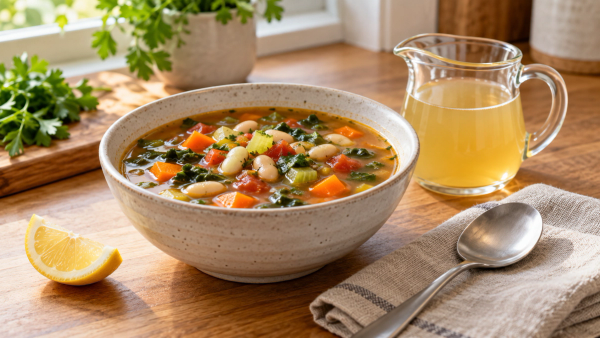
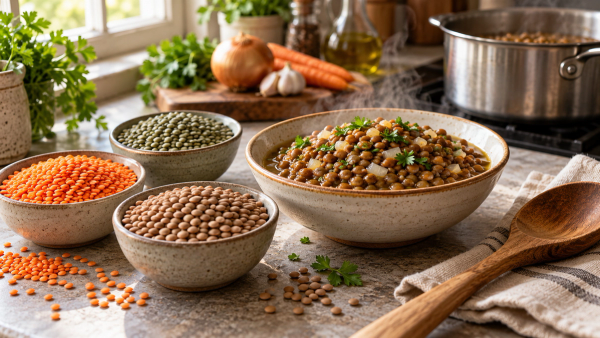
But that same day, at a tiny stall, I had one of the best bowls of plain dal-rice of my life. Nothing fancy. Yellow dal, rice a little overcooked, salt, green chilli on the side, steam fogging my glasses. I paid, sat on a wooden bench, and for ten minutes life was perfect. This is the thing with Char Dham food in rain: the best meals are often the simplest. Hot khichdi, dal-chawal, fresh roti, boiled potato, ginger tea. Instagram foodies may call it basic. I call it survival with soul.
Pack This: Food That Actually Helps When Roads Get Moody
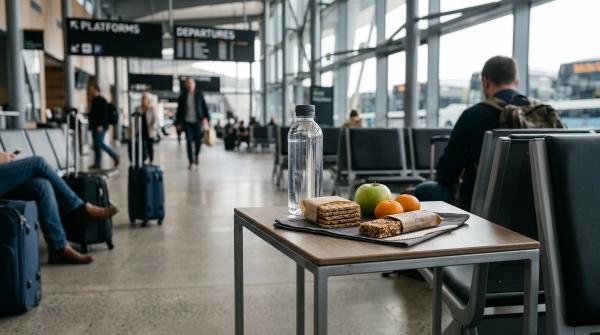
#If you are doing Char Dham in rainy weather, please don’t pack like you’re going for a picnic in Lodhi Garden. Pack like the road may stop for two hours because of a landslide zone, the driver may not find a proper dhaba exactly when your stomach starts making speeches, and your hotel breakfast may be poha that ran out before you arrived. I always carry one “rain food pouch” now, separate from my clothes, wrapped in a zip pouch or double plastic-free dry bag if I’m behaving responsibly. It stays near me, not buried in the main luggage tied on top of the vehicle, because when rain starts, nobody is untying bags just to find your makhana.
- Roasted chana, peanuts, almonds, and makhana are boring until they save you during a four-hour road hold near Rudraprayag side. Then suddenly they’re gourmet.
- Glucose biscuits, khakhra, dry thepla, plain mathri, and small packs of namkeen work well, but don’t overdo spicy mixtures. Mountain roads plus mirchi burps is not a spiritual experience.
- ORS sachets, lemon candy, jaggery, and a small bottle of electrolyte mix are useful, especially on Kedarnath trek day when rain tricks you into drinking less water.
- Carry a thermos if you can. Hot water with a little ginger or just plain warm water feels like a blessing when everything around is wet and cold.
For Kedarnath, I pack lighter because you may walk from Gaurikund and every extra packet feels like a brick after a while. Dry fruits, chikki, ORS, one banana if I can eat it early, and maybe a small dark chocolate. Not ten snacks. People overpack snacks and underpack patience. If you want more mountain-route food planning, the snack logic is weirdly similar to remote road trips, and I liked this piece on Anini Road Trip Food Guide: Snacks, Homestays & Tea because it gets the whole tea-stop, delay, and comfort-food thing without making it sound fancy.
Buy This: Hot, Simple, Local-ish, and Moving Fast
#My rule in rainy pilgrim towns is very simple: buy food where steam is visible and people are eating right now. Not where food is displayed like museum samples. On the Char Dham route, especially near bus stands, taxi stops, temple approach roads, and dhaba lines, you’ll see everything from pakoras to rajma-chawal to Maggi to thalis. I’m not against street food at all. I love it, maybe too much. But rain makes hygiene harder. Water splashes, flies still exist, oil gets reused, and chutneys sit in damp corners looking innocent. So I choose stalls with turnover. If a kadhai is active and fresh pakoras are coming out, fine. If those pakoras are cold and sulking under a newspaper, no thank you.
Some of my safest and happiest buys on the route have been dal-chawal in Uttarkashi, hot parathas in Barkot, simple vegetable thali near Joshimath, and one excellent bowl of jhangora kheer that I still think about because it tasted like rain, milk, and somebody’s grandmother had approved it. Garhwali food isn’t always easy to find in tourist rush areas, but when you see mandua roti, aloo ke gutke, chainsoo, kafuli, jhangora, or local rajma, ask if it’s fresh. I’m biased toward mandua roti with ghee in cold weather. It has that earthy, slightly rough taste that makes you feel grounded, like the mountain is feeding you, not just the restaurant.
Where I Usually Eat on Each Dham Leg
#For Yamunotri, I like eating properly before the climb from Janki Chatti side. Not heavy-heavy, but enough. A fresh paratha with curd if the curd looks properly chilled and clean, or poha/upma if available, or bread omelette only if your group is okay with eggs and the place serves it openly away from strict temple zones. Many pilgrims prefer pure vegetarian all through, and honestly on Char Dham that’s the easiest route anyway. Around the temple path, I keep snacks light. Ginger tea is everywhere, but too much tea without water gives me a headache, so I try to balance it, badly sometimes.
For Gangotri, Uttarkashi to Harsil to Gangotri is one of my favourite food moods in the whole yatra. Apple country vibes near Harsil, hot tea, rajma-rice if you find a good spot, and that clean cold air that makes even plain roti taste better. In rain though, don’t wait till you’re starving. Eat when you find a good place. Gangotri town can be busy, and rain makes everyone crowd into the same few warm places. I once had a plate of hot rice and thin dal there while my socks dried under the table, and I swear it tasted better than many city restaurant meals I’ve paid too much for.
Kedarnath is different. It’s more physical, more emotional, and more unpredictable. From Sonprayag to Gaurikund and then up the trek, you need to think like a walker, not a buffet hunter. Eat early, keep sipping water, carry small high-energy bites, and don’t experiment with oily chhole bhature right before walking unless your stomach is made of iron. Mine is not. On the way, hot Maggi and tea can feel magical, but I treat them like comfort breaks, not proper nutrition. If you’ve done other monsoon pilgrimages, the planning overlaps a bit with Vaishno Devi Yatra Food in Monsoon: Katra Guide, especially around climb-day eating and not letting excitement ruin your stomach.
Badrinath side gives you more classic hill-town meal options, especially around Joshimath, Pandukeshwar, and Badrinath town depending on crowds and road conditions. A hot thali here after a rainy drive feels royal. I’ve had simple roti-sabzi with dal near Joshimath that I still remember because the sabzi had just enough ajwain and the dal was smoky from whatever old kitchen magic was happening inside. Badrinath can get cold and wet fast, so I avoid cold drinks and go straight for soup, dal, tea, or hot milk if available. Sounds uncle-ish, I know. But the hills turn all of us into practical aunties eventually.
Avoid This: The Rainy-Yatra Stomach Trap List
#Okay, now the unromantic part. Rain makes bad food choices more risky. I don’t mean you should become paranoid and eat only packaged biscuits. That’s miserable. But there are things I avoid on Char Dham in wet weather because I have learned, sometimes the hard way, that a stomach upset in the mountains is not cute. Toilets may be far, traffic may stop, and your hotel may be another three hours away. You do not want to be bargaining with your digestive system near a landslide waiting zone.
- Cut fruit sitting in the open. Even if it looks colourful and healthy. Especially watermelon, papaya, cucumber plates near busy stops. If I didn’t see it cut fresh with clean hands and knife, I skip.
- Raw salads and watery chutneys. I love green chutney, but in rain I become suspicious of every bowl of it. Same with onion salad washed in unknown water.
- Cold pakoras, old samosas, reheated noodles, and anything fried long ago. Fresh fried can be okay. Old fried is basically regret wearing besan.
- Too much dairy from random places. Hot milk tea is usually fine for me, but lassi, open curd, cream sweets, and paneer sitting around in damp weather... I don’t trust it.
- Tap water or refilled bottles from unclear sources. Carry sealed water where possible, or use purification tablets/filter bottle if that’s your system.
One more thing people don’t talk about: overeating because food is hot. Rain makes you want pakora, Maggi, paratha, jalebi, tea, then again tea. I get it. I’ve done it. But on curvy roads, heavy oily food becomes a villain. I try to keep the big meal simple: dal, rice, roti, sabzi, maybe curd only if I trust it. Snacks can be fun, but not every stop needs a plate of something fried. I’m saying this as someone who absolutely has eaten pakoras at 9 am because it was raining and the mountain view was too pretty.
My Rain Food Formula: One Hot Meal, One Dry Backup, One Sweet Thing
#After a few messy mountain trips, I now follow a very normal formula. On travel days, I want one proper hot meal, one dry backup snack pouch, and one sweet thing for morale. The hot meal is usually dal-rice, khichdi, roti-sabzi, or paratha if the road day isn’t too twisty. The dry backup is roasted chana, nuts, khakhra, or biscuits. The sweet thing can be chikki, jaggery, chocolate, or even a small peda from a trusted sweet shop if it’s fresh and not cream-heavy. This sounds too planned, but actually it gives freedom. You’re not desperate, so you make better food choices.
| Situation | Pack | Buy | Avoid |
|---|---|---|---|
| Long rainy drive | Roasted chana, nuts, ORS, dry biscuits | Hot dal-chawal, khichdi, fresh roti-sabzi | Cut fruit, cold fried snacks, unknown water |
| Kedarnath trek day | Chikki, dry fruits, electrolyte, small chocolate | Fresh tea, simple Maggi, hot soup if available | Heavy oily breakfast, too many pakoras, stale sweets |
| Temple town evening | Light snack, warm water | Thali, local rajma, mandua roti, hot milk/tea | Open chutney, raw salad, creamy desserts |
| Road delay or landslide wait | Dry thepla/khakhra, peanuts, glucose biscuit | Only fresh cooked food from busy stall | Food kept uncovered, reheated noodles, old samosa |
This table is not some holy rulebook, okay. Sometimes you’ll eat what you get. Sometimes the only thing open is a tea stall with biscuits and you’ll be grateful. But if you keep this rough idea, your stomach has a better chance. Rain travel is all about reducing drama. The mountains will provide enough drama by themselves.
Tea Stops Are Not Just Tea Stops
#On Char Dham roads, chai is basically punctuation. You stop for tea after a bad patch of road, after a good darshan, before a climb, after someone feels dizzy, when the driver needs a break, when rain gets heavier, when rain gets lighter, when there is a view, when there is no view. Tea is everywhere. And I love it. The best tea I had was somewhere between Uttarkashi and Gangotri, in a steel glass, with ginger so strong it almost scolded me awake. The shop had fog on the windows and a radio playing old songs. No five-star cafe can compete with that, don’t even try.
But tea can trick you. In cold rain you keep sipping chai and forget water. Then headache comes, constipation comes, tiredness comes, and everyone blames altitude or weather. Sometimes it’s just dehydration, boss. I keep a bottle near my seat and take small sips even if I don’t feel thirsty. Warm water is better if you can get it. Some hotels and dhabas will fill your bottle with hot water if you ask politely, though don’t assume during rush. And yes, wash your hands or sanitize before eating. Sounds basic, but in rain everyone is touching railings, ponchos, wet bags, cash, temple queues... hands become a whole documentary.
Local Flavours I’d Actually Look For, Not Just Tick Off
#I don’t like turning local food into a checklist, like “eat these 10 Garhwali dishes or your trip failed.” That’s silly. But if you care about food, keep your eyes open for regional stuff. Mandua, or finger millet, shows up as roti and has this nutty, hearty feel that suits cold weather. Jhangora, barnyard millet, can become kheer or porridge-like dishes. Chainsoo, made from black gram, is rich and earthy when done well. Kafuli, a green leafy curry, is one of those dishes that tastes simple first and then slowly becomes addictive. Aloo ke gutke with local spices can disappear from the plate in two minutes if your group is hungry.
The catch is, during peak yatra rush many eateries simplify menus for speed: dal, rice, roti, sabzi, Maggi, paratha, tea. Fair enough. Feeding pilgrims in rain is not easy. So when I find a homestay or small eatery doing local food freshly, I try it, but I ask questions. “Aaj ka bana hai?” “Garam milega?” “Zyada teekha toh nahi?” My Hindi becomes very food-focused in the hills. Also, don’t bargain rudely with tiny food stalls in remote areas. Supplies travel difficult roads, fuel costs money, and rain makes everything harder. Pay fairly. Say thank you. It matters.
Food Safety Without Becoming That Annoying Person
#There’s a balance, na? You don’t want to be the person sniffing every plate like a detective while everyone else is hungry. But you also don’t want to spend the night regretting adventurous chutney. My quiet checks are simple: Is the food hot? Is the stall busy? Is drinking water sealed or clearly boiled/filtered? Are plates reasonably clean? Is the cook handling cash and food with the same hand? Sometimes you can’t control everything, but you can choose better. Rain-specific food safety is a whole thing on Indian hill trips, and the advice in Saputara Monsoon Food Guide: Eat Safely matches a lot of what I follow here too: hot meals, safe water, and don’t get seduced by wet-weather snacks that have been lying around.
Also carry basic stomach support after checking with your doctor if you have medical issues: ORS, any regular medicines, maybe probiotics if you use them, and whatever suits your body. I’m careful saying this because people treat travel blogs like prescriptions sometimes. They are not. If you have diabetes, blood pressure issues, kidney problems, altitude sensitivity, or dietary restrictions, plan properly before the yatra. Char Dham isn’t a casual mall walk, especially in rain. Even food choices matter more when the body is tired.
What I’d Feed a First-Timer on a Rainy Darshan Day
#If my friend was doing Char Dham in rain for the first time, I’d feed them like this. Early morning: light but filling breakfast, maybe poha, upma, toast, or fresh paratha with tea, depending on the day’s walking and driving. Mid-morning: nuts or chana, water, maybe lemon candy. Lunch: hot dal-rice or khichdi, not a giant greasy thali unless the day’s travel is almost done. Evening: tea, but with something dry and safe, not random cold pakora unless it’s freshly fried. Dinner: simple roti-sabzi-dal, early if possible. And I’d make them sleep with a snack near the bed because hill hotels sometimes close kitchens early and hunger at 10:30 pm is a lonely feeling.
For Kedarnath specifically, I would not push heavy food before the trek. I’ve seen people eat like kings at breakfast and then struggle badly. Small steady energy works better. If you are taking pony, palki, or helicopter, food planning changes slightly, but rain can still delay things. Keep dry snacks. Keep water. Keep patience. And keep one food item that makes you happy. Mine is chikki. It doesn’t melt into sadness like some chocolate does, and it gives that quick sweet crunch when your soul is tired.
Final Bite: Eat Like a Pilgrim, Not Like a Tourist With FOMO
#Char Dham Yatra food in rain is not about chasing the most famous restaurant or photographing every plate before it gets cold. It’s about listening to the mountains, your stomach, and that one experienced driver who says, “Yahin kha lo, aage pata nahi.” Eat hot. Pack dry. Avoid risky cold stuff. Respect local kitchens. Try Garhwali flavours when you find them fresh. Don’t be too proud to eat plain khichdi. Some of my most memorable meals on this route were not pretty at all: dal spilling over steel plates, tea too sweet, roti slightly burnt, rice too soft. But they were warm, safe, and eaten with rain tapping on tin roofs, and honestly that’s the taste I miss.
I’ll probably go again, because I always say one yatra is enough and then the hills start calling like they have my number. Next time I’ll pack smarter, still overdrink chai, still judge old samosas harshly, and still get emotional over hot dal after a wet road day. That’s the charm of it. If you’re planning your own rainy Char Dham trip, take food seriously but don’t make it joyless. The best travel meals are practical and a little magical at the same time. And if you enjoy these messy, real food-travel notes, wander through AllBlogs.in sometime — there’s usually something tasty or travel-ish waiting there.