I grew up in a house where dal was basically always happening. Some pot was simmering, some tadka was crackling, somebody was saying "just leave it on the counter, we'll eat again later." And for years I kinda thought dal was invincible. Like, it's boiled, it's spiced, it's hot, what could possibly go wrong? But summer has a way of humbling you real fast. Especially Indian summer. Especially when the kitchen feels like the inside of a pressure cooker and the ceiling fan is doing emotional support more than actual work.
So here's the short version first, because I know some of y'all are standing in your kitchen right now staring at a forgotten saucepan of masoor dal and googling in mild panic. Cooked dal should generally not stay out at room temperature for more than 2 hours. If the room or outdoor temp is really hot, around 32°C / 90°F or above, that window drops to 1 hour. That's the practical food safety answer. Not the answer your nani always gave, not the answer your bachelor cousin gives, not the answer based on "it smelled fine so I ate it". The actual safer answer is 2 hours max, and 1 hour in serious summer heat.
If cooked dal has been sitting out in hot summer weather for over 2 hours, I really, really don't think it's worth the risk. Food poisoning is such a miserable way to learn a kitchen lesson.
Why dal goes bad faster in summer, even though it seems so harmless
#This is the sneaky thing. Dal feels wholesome. Gentle. Almost medicinal on some days. Moong dal when you're sick, toor dal with rice when you want comfort, rich urad dal makhani when you want to eat like a king and then nap like one. But cooked lentils are moist, protein-rich, and usually neutral enough in pH that bacteria can grow pretty happily once the pot cools down. Summer just speeds up the whole ugly little process. Warm temperatures push food into what food safety folks call the temperature danger zone, roughly 4°C to 60°C, or 40°F to 140°F. And if your dal is sitting there in that zone for hours? Well... that's when microbes start having their own dinner party.
Also, a lot of us make dal in big batches. I do. You do. Everybody does. One pot for lunch becomes dinner becomes maybe tomorrow's breakfast with toast if you're in one of those weird-but-good phases. The issue is a large pot cools slowly. So even if you think, "I left it out only a little while," the center may have stayed warm for ages. That's not ideal at all. Actually it's kinda the perfect setup for spoilage.
My own slightly dumb dal mistake
#I remember one June evening, years ago, I made this beautiful arhar dal with lots of garlic, cumin, dried red chilli, and a little ghee on top. It was one of those meals that makes you feel like your life is together even when it absolutely is not. We ate late, talked too much, somebody put the rice away, somebody did not put the dal away, and the pot just sat there all night. In the morning it looked... okay-ish? Maybe a tiny bit thicker. I reheated it, tasted half a spoon, and luckily stopped because it had that faint sour-back-note. Not full rotten. Just wrong. You know when food tastes like it's started arguing with itself? Like that.
Since then I'm annoyingly strict about cooked lentils in summer. Not perfect, because nobody is perfect, but stricter. Because once you've had even mild food poisoning, you stop being romantic about leftovers real fast.
So how do you tell if cooked dal has gone bad?
#Smell is the first clue, but not the only one. If the dal smells sour, yeasty, fermented in a bad way, or just "off," don't eat it. If you see bubbles forming when it has not been intentionally fermented, that's suspicious. If the texture has turned slimy, weirdly stringy, or separated in a funky way after sitting out, nope. If the color has dulled strangely, or there's foam, or any sign of mold, throw it. And yes, if you taste it and it feels tangy when it shouldn't, stop there. Do not do the brave thing. The brave thing is the trash can.
- Sour or unpleasant smell = bad sign
- Visible bubbles after sitting out = bad sign
- Slimy texture or unusual separation = very bad sign
- Mold, foam, discoloration = absolutely toss it
- If it sat out more than 2 hours in summer, don't rely only on smell because dangerous bacteria don't always announce themselves
But wait, what if I reboil it really well?
#Uh... this is where a lot of us fool ourselves. Reboiling can kill some bacteria, sure, but it doesn't magically make spoiled food safe. Some bacteria can leave behind toxins that are heat-stable, which means reheating won't fix the problem. I know this is not the comforting answer. I wish I could say, "just bring it to a bubbling boil and you're golden." But nah. If the dal has been out too long, reheating is not some holy reset button.
This comes up all the time with buffet food, catered meals, langar leftovers, potluck food, office lunch dal in a steel dabba, all of it. People think heat solves everything. It doesn't. Heat helps when you're cooking safely, not when you're trying to rescue food that spent half the day in summer temperatures.
The safer timeline, if you want it super practical
#- Freshly cooked dal: serve hot and enjoy
- Within 2 hours: refrigerate it
- If ambient temp is above 32°C / 90°F: refrigerate within 1 hour
- In the fridge: usually best within 3 to 4 days
- In the freezer: quality is usually good for about 2 to 3 months, though still safe longer if continuously frozen
I usually try to cool dal quickly and get it into the fridge in shallow containers, not one giant deep pot. That's a game changer. Smaller portions cool faster. Faster cooling means less time hanging around in that danger zone. Plus next-day lunch is easier, so honestly it's a win-win.
What kind of dal spoils fastest? Kinda depends
#People ask this like there's a neat ranking, and there sort of is, but not always. Plain thin moong dal can spoil fast because it's light and watery. Dal with coconut, cream, milk, fresh coriander, fried onions, spinach, tomatoes, or leftover tadka mixed in can also go off quicker depending on how it's handled. Dal makhani, despite being rich and luxurious and honestly worth writing poetry about, is not magically protected because of butter. If anything, richer add-ins can make storage trickier. Sambar-ish lentil dishes with vegetables can get weird faster too because now you've added more moisture and more ingredients to the party.
One small contradiction from my own life though: sometimes a heavily salted, spicy dal seems fine for longer. But "seems fine" is not the same as is safe. That's one of those kitchen myths that survives because enough people got lucky.
Summer hosting, tiffins, and the awkward truth about leaving dal on the table
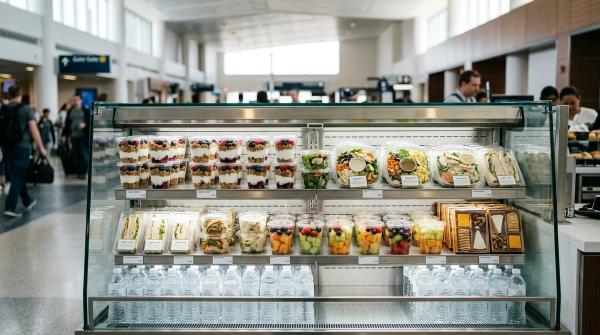
#If you're serving dal at a summer lunch, brunch, house party, rooftop dinner, whatever, don't leave the whole pot sitting out for hours while everyone nibbles and chats and takes photos of the salad nobody actually cares about. Keep a small serving bowl out and refresh it from the hot pot or from the fridge as needed. Same with family meals. Same with buffet style setups. If you're packing dal in a tiffin, either keep it very hot in an insulated container and eat it soon, or chill it first and keep it cold with an ice pack if it'll be a while. Lukewarm-in-a-lunchbox for five hours is just asking for trouble.
I learned this the hard way during a train trip, actually. My aunt packed dal and jeera rice with so much love, and by afternoon the dal had that weird metallic sour smell from being trapped warm too long. We all stared at it in collective heartbreak. Ate the pickle and biscuits instead. Very depressing lunch, 2/10, but educational.
A few storage habits that actually help, no fancy gadgets needed
#- Divide hot dal into smaller containers instead of refrigerating the whole big vessel
- Let steam escape briefly, then refrigerate once it's no longer piping hot enough to heat up the fridge interior too much
- Use clean spoons every time, don't keep dipping a used spoon back in
- Reheat only the amount you'll eat, not the whole batch again and again
- Label leftovers if your fridge is chaos, which mine usually is
And yes, stainless steel containers are great, glass is great, food-safe plastic is fine if that's what you've got. I don't think you need some viral 2026 smart-container ecosystem with app alerts and freshness LEDs and all that jazz. Cute idea, sure. But common sense beats a bluetooth lid, sorry.
About all those food trends and new gadgets everybody's talking about
#Since food internet in 2026 is full of "next-gen meal prep" and AI kitchen this, sensor-enabled fridge that, I should say this plainly: innovations can help, but they don't replace food safety basics. There are some genuinely cool things now, like vacuum-assisted storage systems for home cooks, better insulated lunch containers, and rapid chill trays for batch cooking. I even tried one of those flat cooling trays after a friend who is way more organized than me swore by it. Pretty useful, not gonna lie. But even the fanciest kitchen trend won't save dal abandoned on the counter through a hot afternoon.
Also, with the protein boom still going strong, lentils are having another major moment. Every cafe menu suddenly wants to talk about plant protein, gut health, fiber, sustainable eating, heirloom legumes, all of it. Love that. Truly. I am thrilled dal is getting its fashionable era. But whether it's grandma-style yellow dal or some very expensive "smoked beluga lentil bowl" at a shiny new urban spot, cooked legumes still obey the same boring food safety rules. Microbes do not care about branding.
Restaurants taught me this too
#I've eaten dal in tiny dhabas, glossy hotel buffets, modern Indian tasting-menu places, and random neighborhood joints where the menu is laminated and perfect. The best restaurants, in my opinion, are the ones where the dal tastes alive but the handling is disciplined. Hot food hot, cold stuff cold, no mystery vessel lounging around for half a day. A place can have the most soulful dal fry on earth, but if the service setup looks careless in peak summer, I get nervous. Maybe I'm older now. Maybe less brave. Maybe wiser... eh, debatable.
There was this newly opened place I visited not long ago, one of those polished comfort-food restaurants doing regional thalis with a modern spin, and their server actually mentioned they batch small quantities of dal for service in hot weather so it doesn't sit too long. I loved hearing that. That's hot. Not in a weird way. In a food-nerd way.
If you already left the dal out, here's my honest advice
#Less than 2 hours out in normal room temp? You're probably okay, refrigerate it promptly. Around or above 32°C / 90°F and it's been close to an hour? I'd move fast and chill it. More than 2 hours in summer heat? Toss it. More than 4 hours absolutely anywhere warm-ish? Definitely toss it. If you're serving babies, elderly folks, pregnant people, or anyone immunocompromised, be extra careful and don't try to stretch luck. Dal is cheap compared to medical bills and regret. That sounds harsh but it's true.
The emotional part nobody talks about
#I hate wasting food. Hate it. Throwing away dal feels especially sad because it's not just food, it's effort, fuel, time, maybe even comfort. Sometimes it's the last bit your mom sent over. Sometimes it's the recipe you finally nailed after three watery disasters and one scorched saucepan. So I get why people keep asking if it can be saved. I ask that too, in my heart, every time. But caring about food also means knowing when not to eat it. Respecting ingredients includes not turning them into a bad memory.
When in doubt, throw it out is annoyingly unpoetic advice, but for summer dal, it's solid.
My final dal rule now
#These days my rule is simple. In summer, cooked dal goes into the fridge fast. If I know we'll eat it later, I portion it while cleaning up, not "after a bit" because after a bit becomes after a show becomes the next morning and then we're all making terrible choices. If I forgot it out too long, I let it go. I mutter about waste, yes. I feel bad, yes. But I don't gamble with it anymore.
So, final answer one more time in plain English: cooked dal should stay outside no more than 2 hours, and only 1 hour if it's very hot summer weather above 32°C / 90°F. After that, the risk climbs enough that it's really not worth eating. Your nose can help, your eyes can help, but time and temperature matter most. Anyway, that's my dal sermon for the day. If you're into this kind of real-kitchen food talk, messy memories and all, go wander around AllBlogs.in too, there's always something tasty to fall into over there.