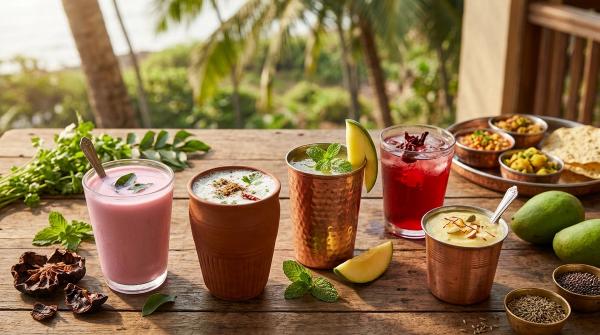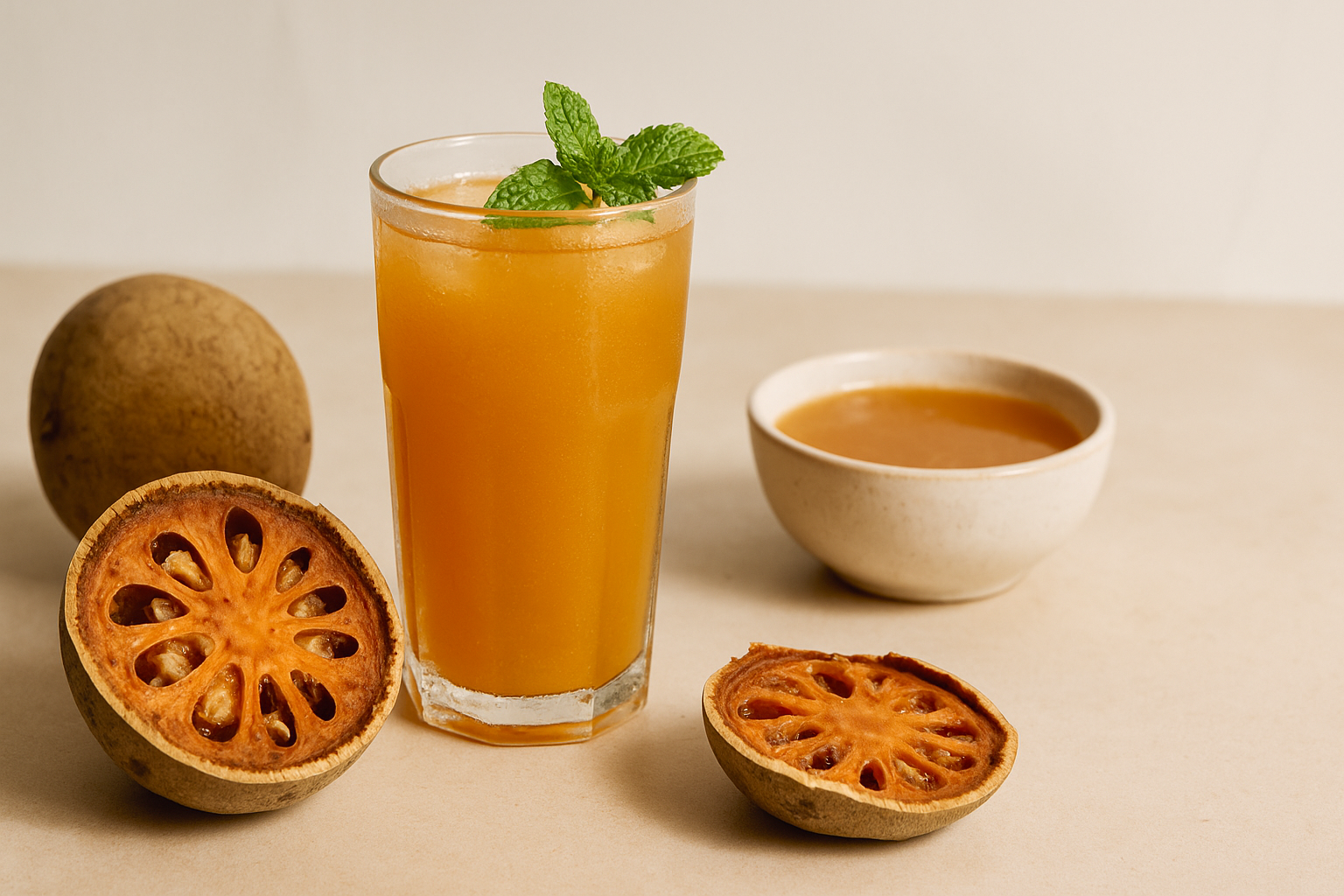
Every summer, without fail, I go through this little crisis where plain water feels boring, packaged juices taste way too sweet, and those neon "coolers" from convenience stores just make me more thirsty somehow. And then bael sharbat pops back into my life like some wise old auntie who already knew better. If you grew up anywhere around North or East India, you probably know bael already — wood apple, Bengal quince, stone apple, whatever name your family used. For me it was always just bael. Hard shell, weirdly intimidating fruit, soft fragrant pulp inside, and the promise of a drink that could cool your entire mood down. Not just your body. Your mood too.
I still remember my nani cracking open a ripe bael with what looked like unreasonable confidence. Me and my cousin used to stand there like, are we making a drink or performing construction work? She'd scoop out the orange-brown pulp, mash it in a steel paraat with cold water, and add black salt, roasted cumin, a little jaggery if the fruit wasn't sweet enough. Thats it. No chia seeds, no "functional hydration" label, no imported syrup situation. Just a very sensible summer drink that actually worked.
Why bael sharbat has suddenly started feeling cool again
#So, funny thing — while everyone in 2026 is busy talking about gut health sodas, prebiotic sparkling drinks, botanical coolers, adaptogen lattes and all that, bael sharbat has been sitting quietly in the corner like, um hello, I was doing the digestive wellness thing before it was trendy. A lot of cafes and modern Indian beverage bars are leaning into regional ingredients now, which honestly I love. Not every drink needs to taste like generic passionfruit-yuzu-whatever. Some of the best menus I’ve seen lately are bringing back kokum, sattu, jamun, gondhoraj, sugarcane shrubs, and yes, bael too. Finally. About time.
I've noticed this especially in newer seasonal menus and pop-ups that are trying to do "heritage refreshment" without making it boring. Some do overcomplicate it, not gonna lie. Smoked bael tonic? Bael kombucha spritz with pink peppercorn foam? I mean... okay. I’d try it once. But the classic still wins for me. The plain, pulpy, slightly earthy, chilled bael sharbat with a squeeze of lime on a brutally hot afternoon? Nothing beats that. Nothing.
Bael sharbat is one of those rare drinks that feels nostalgic and useful at the same time. It’s not just tasty, it actually feels like relief.
What bael actually is, in normal people language
#Bael is a summer fruit with a super hard outer shell and soft aromatic pulp inside. The taste is kind of hard to explain if you’ve never had it. A bit sweet, a bit musky, a little floral, sometimes almost caramel-ish if it’s very ripe. Texture-wise the pulp is thick and naturally a little sticky, which is why the drink has body even without milk or fancy add-ins. In Ayurveda and traditional home kitchens, bael has been used forever, especially in hot weather. And modern nutrition people are paying attention to it too because the fruit naturally contains fiber and plant compounds, and it’s often talked about for digestive support.
Quick reality check though — I’m a food person, not your doctor. A lot of people talk about bael like it’s some miracle cure, and internet wellness content can get real dramatic real fast. I think the fair thing to say is this: bael sharbat can be a great summer drink, it may support digestion, and many people find it soothing, especially when homemade with simple ingredients. But no drink alone is gonna fix a terrible diet, dehydration, or a stomach problem that needs actual medical attention. There. Had to say it.
Bael sharbat benefits that actually matter in summer
#This is the part people usually turn into a listicle, but honestly the benefits are pretty straightforward and kind of practical.
- It feels cooling and hydrating, especially when served chilled with enough water and not overloaded with sugar
- The pulp has natural fiber, so unlike ultra-filtered sugary drinks it has some real substance to it
- A lot of families use it as a comfort drink for digestion. After a heavy meal, it just sits well
- When made with jaggery or just a little sugar, it can be way less cloying than bottled summer beverages
- Black salt and roasted cumin in bael sharbat make it extra refreshing, and honestly tastier too
- It’s caffeine-free, which matters if you’re trying not to survive summer on iced coffee alone... guilty
And one more thing I’ve personally noticed — bael sharbat is satisfying. Thats underrated. A lot of cold drinks make me crave more sweetness ten minutes later. Bael doesn’t. One glass actually feels enough. It’s nourishing in that old-school homemade way that trendy drinks keep trying to imitate with expensive branding.
My favorite easy bael sharbat recipe, the one I make on repeat
#I’ve tried the fussy versions and the shortcut versions, and this one is the sweet spot. It tastes like summer at home. Not restaurant-polished, not too health-washed, just good.
Easy Bael Sharbat

You need:
- 1 ripe bael fruit
- 3 to 4 cups cold water, depending on how thick you like it
- 2 to 4 tbsp jaggery powder or sugar, only if needed
- 1/2 tsp black salt
- 1/2 tsp roasted cumin powder
- 1 to 2 tsp lemon or lime juice
- Ice cubes, optional
- A few mint leaves if you want, though I don’t always add them

How I do it:
1. Crack the bael fruit open carefully. Scoop out the pulp into a big bowl.
2. Add 1 cup water first and mash the pulp well with your hands or a spoon. Honestly hands work better.
3. Let it sit for 5 to 10 minutes so the pulp loosens up.
4. Strain through a medium sieve, pressing well to extract all the good stuff. Add more water gradually while straining.
5. Mix in black salt, roasted cumin, and jaggery or sugar if the fruit needs it.
6. Add lime juice at the end. Taste and adjust. Some bael fruits are naturally sweeter than others.
7. Chill for at least 20 minutes, then serve over ice.

If you like it richer, use less water. If you want it more drinkable and light, add more.
A tiny note that matters a lot: don’t blender-blast it into oblivion if you can avoid it. You can use a blender briefly, sure, but traditional hand-mashing gives a better texture somehow. Less frothy, more earthy, more bael-y. Also, don’t dump in too much sugar right away. Taste first. A good ripe bael has enough personality on its own.
The mistakes people make, including me... especially me
#The first time I made bael sharbat by myself, I ruined it. Fully. I added too much water because I got impatient while straining, then tried to fix it with extra sugar, which made it weirdly flat and dessert-like. Another time I used unroasted cumin powder and thought, why does this taste sad? So yeah, a few things help.
- Use ripe bael. If the pulp smells dull and tastes chalky, no amount of spice is gonna save it
- Roast the cumin first. That warm, smoky note makes a huge diffence
- Don’t over-sweeten. Bael should taste refreshing, not syrupy
- Strain well, but not too aggressively. A little body in the drink is nice
- Chill it properly. Lukewarm bael sharbat is just... no
Also, if you’re serving guests, make it maybe 30 minutes before and let it rest in the fridge. The flavors settle. It gets better. I can’t explain the science in a sexy way, but trust me.
Variations I’ve tried when I’m in the mood to mess around
#I’m mostly a purist with this drink, but okay, a few variations are genuinely nice. One is adding a little soaked sabja, which gives it that old-school sharbat vibe and makes it feel extra summery. Another is using jaggery syrup instead of regular sugar for a deeper taste. If I’m making it for people who think traditional drinks are "too rustic" — eye roll, but fine — I serve it in small glasses with crushed ice, a tiny lime wedge, and a pinch of black salt on top. Suddenly everyone acts impressed.
- Bael + jaggery + black salt = my favorite combo
- Bael + sabja = nice texture, especially for very hot days
- Bael + mint = okay in small amounts, but too much mint kind of hijacks the drink
- Bael + ginger = controversial. I like it sometimes, my mom says I’m ruining traditions
What I don’t love? Fizzy water in bael sharbat. I know sparkling regional coolers are trendy right now, and some restaurants are doing carbonated bael drinks as part of their low-ABV and no-ABV menus, but for me carbonation fights with the pulp. It gets messy. Weird mouthfeel. Maybe I just havent met the right version yet.
If you’re buying bael, here’s what I look for
#Because the shell is so hard, picking bael can feel like blind dating. You can’t exactly peek inside. I usually look for a fruit that feels heavy for its size and has a mature yellowish or greyish outer shell rather than very raw green. A ripe one often gives off a faint sweet smell near the stem, though not always. Tiny surface marks are fine. Cracks are not ideal unless you’re using it immediately.
In 2026, I’m seeing more people order seasonal produce through farm apps and hyperlocal grocery platforms, which has honestly made traditional fruit a little easier to find if your neighborhood market doesn’t stock it regularly. That said, I still prefer buying bael in person when I can. Some things you just want to choose with your own hands, you know?
Street stalls, cafes, and the whole bael comeback thing
#I get weirdly emotional when I see regional drinks getting proper love instead of being treated like a poor cousin to imported cafe drinks. Last summer I had a fantastic glass of bael sharbat at a tiny seasonal stall near a temple road — served in a steel tumbler, slightly grainy, not too sweet, absolutely perfect. Then a week later I paid way too much for a "wood apple digestive cooler" at a polished cafe and it was... fine. Pretty, but fine. This is my issue with some modern places. They understand branding before they understand thirst.
Still, I do think the broader trend is good. Across India and in South Asian restaurants abroad, there’s more curiosity now about ingredient-led drinks, low-waste fruit usage, local sweeteners, and gut-friendly menu sections. Some new openings are even building dedicated non-alcoholic programs around regional ingredients, which is honestly smart because not everybody wants another boring virgin mojito. I’m hoping bael shows up more, and in a way that respects the original instead of turning it into a gimmick.
Why this drink means more to me than just "health benefits"
#This might sound cheesy, but bael sharbat reminds me that good food doesn’t always announce itself loudly. It’s not flashy. It doesn’t photograph as easily as layered mocktails or those absurdly aesthetic smoothie bowls. It’s kind of muddy-looking, actually. But one sip and you get it. The comfort. The practicality. The memory. I think a lot of us are craving that now — food and drinks that feel rooted, not just marketed.
I remember one awful May afternoon during a power cut, all of us sweaty and irritated and basically melting into the furniture, and my mother brought out a jug of chilled bael sharbat from the fridge. Nothing cinematic happened. No violins. But everybody went quiet for a minute because it was exactly what was needed. That’s what I love about it. It solves a problem gently.
A few serving ideas if you want to make it for people
#If you’re doing a summer lunch, bael sharbat is amazing with spicy food. Think aloo paratha, grilled paneer, poori-sabzi, light pulao, even chaat if you keep the drink less sweet. I’ve also served it with simple cucumber sandwiches and salty mathri and it weirdly worked. The savory-sweet-earthy thing balances out really well.
- For family lunch: serve in a big jug with extra black salt on the side
- For guests: small glasses, chilled well, maybe a thin lime slice
- For yourself after a long day: no garnish, no ceremony, just drink it standing in front of the fridge
That last one might be my preferred presentation, if I’m honest.
Final thoughts, before I go make another glass
#So yeah, bael sharbat benefits are real in the everyday sense. It’s refreshing, comforting, often easier on the stomach than a lot of sugary summer drinks, and deeply tied to the kind of home cooking wisdom that we probably shouldn’t ignore just because a startup hasn’t rebranded it yet. And the recipe? Very easy once you stop being intimidated by the fruit’s rock-solid shell. Crack, scoop, mash, strain, season, chill. Done. Summer saved, more or less.
If you’ve never made it, this is me nudging you. Try it once, properly. Maybe you’ll tweak it, maybe your aunt will say your version is wrong, maybe you’ll spill pulp everywhere the first time like I did. Still worth it. And if you’re into these kinds of nostalgic food rambles and recipes that feel like actual life, not just content, you can always wander over to AllBlogs.in too. There’s some fun stuff there.