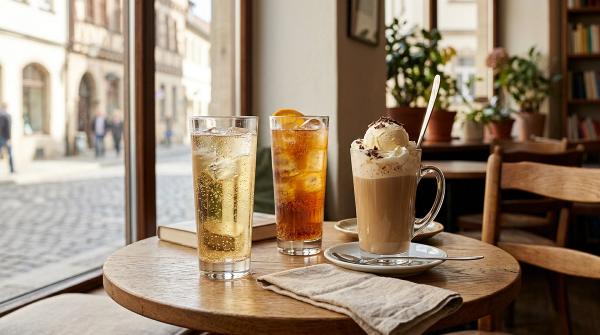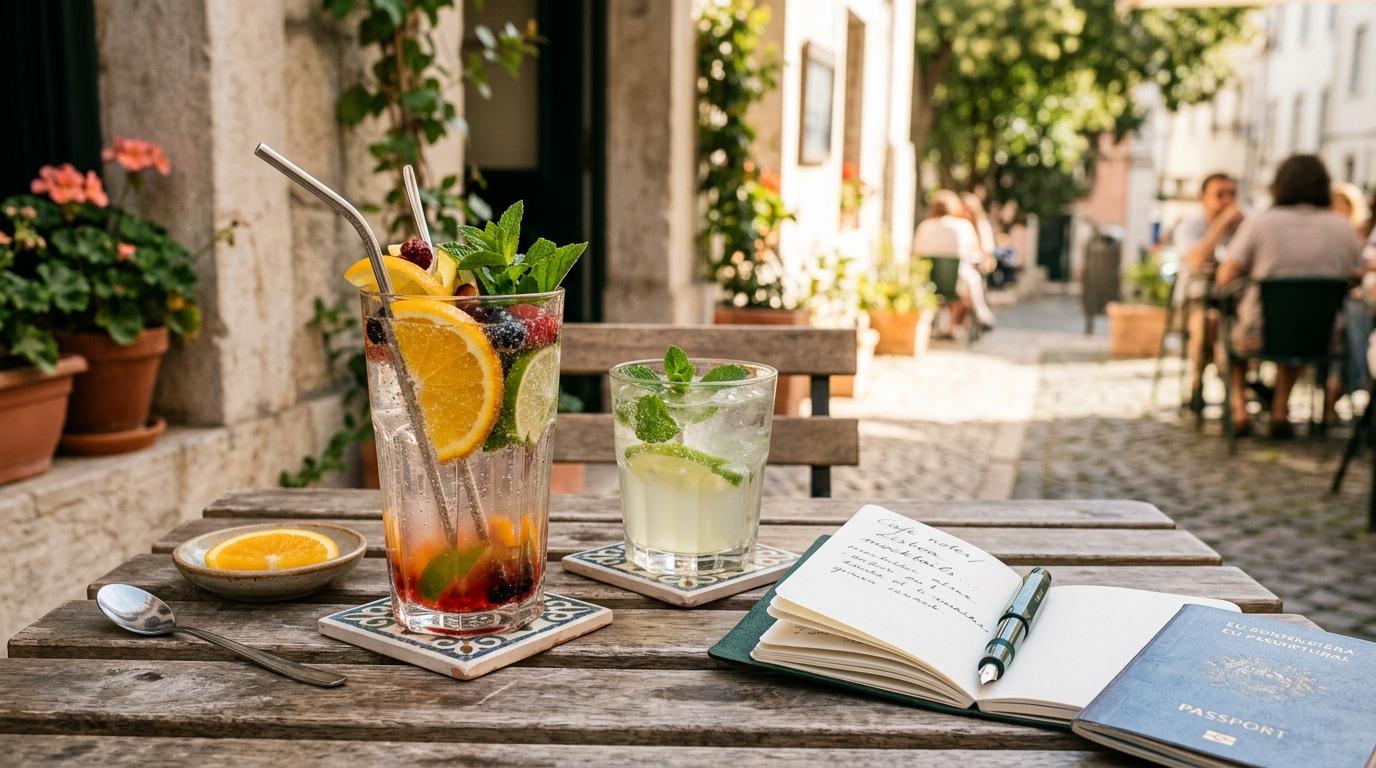
Some of the best travel memories come in a glass.
A cold mint lemonade after wandering too long in the sun. A fresh coconut cracked open at a night market. Sparkling water with lime before dinner. A beautiful drink on a rooftop while everyone else orders cocktails, and you still want something that feels special.
But if you do not drink alcohol, ordering can get weirdly complicated.
One menu says “mocktail.” Another says “virgin.” Somewhere else you see “0.0,” “sin alcohol,” “sans alcool,” “alcohol-free,” “soft drink,” “temperance,” “NoLo,” or “zero-proof.” And just when you think you have figured it out, you discover that a drink that sounded harmless has bitters, wine, liqueur, kombucha, or some other sneaky ingredient in it.
This AllBlogs FoodTravel guide is here to make ordering non-alcoholic drinks abroad easier, calmer, and a lot less awkward. Whether you are in a café, restaurant, hotel bar, airport lounge, street stall, or night market, a few simple phrases and habits can help you get the drink you actually want.
Quick Guide: How to Order Non-Alcoholic Drinks Abroad
#If you only need the short version, start here:
- Do not trust the name alone. A fruit cooler, spritz, punch, botanical soda, or pretty “house drink” can still contain alcohol.
- Learn the basic terms. Mocktail usually means cocktail-style without alcohol. Virgin usually means a cocktail made without the liquor. Zero-proof often means no alcohol, but you should still confirm.
- Ask directly. Say, “Does this contain alcohol?” or “I do not drink alcohol. Is this completely alcohol-free?”
- Watch for hidden alcohol. Bitters, extracts, kombucha, fermented drinks, non-alcoholic beer, and alcohol-free spirits can sometimes contain trace alcohol.
- Choose simple drinks when unsure. Sealed bottled water, sealed soft drinks, hot tea, freshly opened coconut water, and drinks made with safe water are usually easier to trust.
- Think beyond alcohol. Ice, tap water, dairy, allergies, caffeine, and hygiene can matter just as much as the alcohol content.
First, Learn the Drink Terms
#Ordering alcohol-free drinks while traveling gets much easier once you understand how menus usually label them. Just remember: these words are helpful clues, not guarantees. They can mean slightly different things depending on the country, bar, restaurant, or bartender.
Mocktail
#A mocktail is usually a cocktail-style drink made without alcoholic spirits. It might include fruit juice, herbs, spices, syrups, soda water, tea, shrubs, non-alcoholic spirits, or bitters.
You will often see mocktails at hotels, resorts, airport lounges, craft cocktail bars, and modern restaurants. They are great when you want something that feels more exciting than a soda.
But it is still worth asking what is inside. Some mocktails include cocktail bitters or fermented ingredients, which may contain trace alcohol.
Common mocktail names abroad include:
- Virgin Mojito
- Virgin Piña Colada
- Virgin Margarita
- No-groni, a non-alcoholic Negroni-style drink
- Spritz 0.0
- Cooler
- Fresh press
- Botanical soda
- House lemonade
- Alcohol-free aperitif
- Zero-proof cocktail
These names are not universal. A “cooler” in one place may be fruit juice and soda. In another, it might include wine or spirits. So if the menu is vague, ask.
Zero-Proof
#Zero-proof drinks are usually designed to feel more grown-up than juice or soda. They often use citrus, herbs, spices, tea, botanical flavors, bitter notes, or non-alcoholic spirit alternatives.
On many menus, “zero-proof” means no alcohol. But if you need a strict 0.0% drink, do not rely on the term alone.
A useful question is:
“Is this 0.0% alcohol, or does it contain any trace alcohol?”
That may sound very specific, but that is the point. It helps staff understand exactly what you mean.
Virgin
#The meaning of a virgin drink is usually simple: it is a cocktail made without the alcoholic ingredient.
A Virgin Mojito usually means mint, lime, sugar, and soda water without rum. A Virgin Piña Colada usually means pineapple and coconut without rum. A Virgin Margarita usually means citrus and sweet-sour flavors without tequila.
“Virgin” is a helpful word because many bartenders understand it, even if there is no mocktail menu.
You can say:
“Can I have this as a virgin drink, with no alcohol?”
Or:
“Can you make a virgin version of your house cocktail?”
Still, it is smart to say “no alcohol” after “virgin.” It removes any possible confusion, especially in a busy bar.
Alcohol-Free
#Alcohol-free sounds obvious, but it is not always as clear as it seems.
Depending on the country, product, and labeling rules, “alcohol-free” may not always mean exactly 0.0%. Some non-alcoholic beers, fermented soft drinks, kombucha-style drinks, and botanical products can contain tiny amounts of alcohol.
If this matters for health, religion, pregnancy, recovery, medication, or personal preference, ask for 0.0% specifically.
Low/No, NoLo, and Low-ABV
#You may see terms like “low/no,” “NoLo,” “low alcohol,” “light,” or “low-ABV” on menus. These do not all mean alcohol-free.
- Low alcohol means it still contains alcohol, just less than a standard drink.
- No alcohol may mean no alcohol was added, but it is still worth checking.
- 0.0% is the clearest label if you need no alcohol at all.
When in doubt, choose a sealed drink with a visible 0.0% label, or ask the staff to show you the bottle or can.
How to Ask if a Drink Contains Alcohol
#The most useful sentence to learn before any trip is:
“Does this drink contain alcohol?”
If you want to be clearer, say:
“I do not drink alcohol. Is this completely alcohol-free?”
Or:
“No alcohol at all, please. Not even a little.”
That last one might feel a bit blunt, but it works. In loud bars, busy restaurants, hotels, and night markets, short and direct is often better than polite but vague.
Use a Translation App
#Before you travel, save this phrase in the local language:
“I do not drink alcohol. Does this contain alcohol?”
Choose an app that can play the audio out loud. This is especially useful in noisy places where your pronunciation may not be perfect.
It also helps to save these phrases:
- “No alcohol, please.”
- “Is it 0.0%?”
- “Does it contain beer, wine, rum, vodka, gin, tequila, or liqueur?”
- “Does it contain bitters?”
- “Does it contain kombucha or fermented ingredients?”
You do not need to sound fluent. You just need to be understood.
Ask to See the Bottle or Can
#If you are ordering non-alcoholic beer, alcohol-free cider, bottled mocktails, or canned zero-proof drinks, ask to see the bottle or can before it is poured.
Look for words like:
- 0.0%
- Alcohol-free
- Non-alcoholic
- Sin alcohol
- Sans alcool
- Alkoholfrei
If you need a strict 0.0% drink, the number matters more than the marketing phrase.
Be Careful with “Just a Little”
#Sometimes staff may say a drink has “only a little” alcohol, “just bitters,” “just fermented,” or “not strong.”
That might be fine for some travelers. It may not be fine for you.
If your boundary is no alcohol, repeat it kindly and clearly:
“Thank you, but I need no alcohol at all. Can you make it without that ingredient?”
Most people will understand once you say it plainly.
Safe Choices at Cafés, Bars, Hotels, Airports, and Street Stalls
#A hotel bar is different from a night market. A café is different from a beach shack. Your best ordering strategy depends on where you are.
At Cafés
#Cafés are often one of the easiest places for non-drinkers. You can usually find coffee, tea, hot chocolate, lemonade, fresh juice, sparkling water, and bottled drinks.
Good café choices include:
- Hot tea
- Hot coffee
- Iced coffee, if the ice and dairy are safe
- Bottled sparkling water
- Fresh lemonade, if made with safe water
- Packaged juice
- Herbal infusions
- Italian-style bitter sodas, where available
- Fruit smoothies, if hygiene and dairy seem reliable
If you are ordering later in the day, ask about caffeine. Matcha, green tea, yerba mate, cold brew, and some botanical drinks can be much stronger than they look.
A useful café phrase is:
“Can I have something refreshing, not too sweet, and without alcohol?”
At Restaurants
#Restaurants may have soft drinks, juices, and mocktails, but menus are not always organized clearly. Some have a full alcohol-free section. Others hide non-alcoholic drinks among cocktails, juices, sodas, and aperitifs.
Look for:
- Fresh juices
- Lemonades
- Iced teas
- Sparkling water with citrus
- Virgin versions of cocktails
- House mocktails
- 0.0% beer
- Non-alcoholic aperitifs
- Local fruit drinks
If the menu is unclear, ask:
“Which drinks are completely alcohol-free?”
If you want something less sweet, try:
“Can you make a non-alcoholic drink with citrus, soda water, and not too much sugar?”
This usually works well in restaurants with a proper bar.
At Bars
#Bars can be excellent for zero-proof drinks, especially if the bartender enjoys making custom drinks. They can also be tricky because many bar ingredients involve spirits, bitters, liqueurs, infusions, or fermented bases.
A good order sounds like this:
“I do not drink alcohol. Could you make me something tart and refreshing, with no alcohol and no bitters?”
Or:
“Can I get a virgin mojito, no rum, no bitters?”
If you are fine with trace alcohol, you may have more options. If you need strict 0.0%, say that upfront.
Also, pay attention when the drink arrives. In crowded bars, mix-ups happen. It is completely normal to ask:
“This is the alcohol-free one, right?”
It is not rude. It is your drink.
At Hotels and Resorts
#Hotels and resorts often understand alcohol-free requests because they serve guests with different dietary, religious, health, and personal needs.
Still, do not assume. Welcome drinks, fruit punches, poolside specials, and sunset drinks may include sparkling wine, rum, liqueur, or bitters.
Ask:
“Is the welcome drink alcohol-free?”
Or:
“Do you have a non-alcoholic version?”
At buffets and breakfast spreads, check fermented drinks, kombucha, and specialty juices if alcohol is a concern. Sometimes the drink that looks the healthiest is the one that needs the most questions.
At Airports
#Airports are helpful because packaged drinks are easier to check. You can read labels, check seals, and look for alcohol percentages.
Safer airport choices include:
- Sealed bottled water
- Sealed sparkling water
- Packaged juice
- Canned soft drinks
- Hot tea or coffee
- 0.0% labeled drinks, if available
Airport bars may offer mocktails, but staff are often rushed. Keep your order simple and direct.
At Street Stalls and Night Markets
#Street stalls and night markets are some of the best places to try local alcohol-free drinks. They are also where you need to pay the most attention to water, ice, and hygiene.
Good options can include:
- Freshly opened coconut water
- Hot tea
- Sealed bottled drinks
- Sugarcane juice, if pressed fresh and hygiene looks good
- Fruit juice made in front of you, if the fruit and water source seem safe
- Smoothies without ice, if you are unsure about water quality
Be careful with:
- Ice made from unsafe tap water
- Drinks diluted with tap water
- Pre-mixed drinks sitting out
- Shared blenders that are not rinsed well
- Dairy-based drinks in hot weather
- Nut or seed-based drinks if you have allergies
A helpful phrase is:
“No ice, please.”
In Spanish-speaking places, you can say:
“Sin hielo.”
Traveler Cautions: Ice, Dairy, Allergies, Caffeine, and Fermented Drinks
#Alcohol is only one part of drink safety. When you are traveling, the safest choice also depends on water quality, storage, ingredients, and your own body.
Ice
#If tap water is not safe for travelers to drink, ice made from that water may not be safe either.
Ask:
“Is the ice made from filtered water?”
If you are unsure, order without ice or choose a sealed bottled drink. A warm soda is not glamorous, but it is better than losing a day of your trip to stomach trouble.
Dairy
#Creamy drinks can be delicious, but they need a little more caution.
Examples include:
- Lassi
- Milkshakes
- Horchata-style drinks
- Yogurt drinks
- Creamy coconut mocktails
- Iced coffee with milk
- Smoothies with dairy
Ask whether the dairy is pasteurized if that matters for your health. Be especially careful with dairy at outdoor stalls in hot weather.
Allergies
#Mocktails and regional drinks can hide allergens. Nuts, seeds, coconut, sesame, almond milk, peanut, spices, egg white, and flavored syrups can appear in drinks without being obvious.
If you have a serious allergy, do not rely only on the menu. Ask directly and use a translated allergy card if needed.
Ask:
“Does this contain nuts, seeds, dairy, egg, or coconut?”
And if cross-contact matters:
“Is the blender or shaker used for drinks with nuts or dairy?”
It can feel annoying to ask, especially when you are trying to relax, but it is worth it.
Caffeine
#Many alcohol-free drinks use caffeine for bitterness, body, or a sharper flavor. This can include:
- Black tea
- Green tea
- Matcha
- Yerba mate
- Cold brew coffee
- Cola
- Energy drink mixers
If you are ordering at night, ask:
“Does this contain caffeine?”
Because nobody wants to be wide awake at 2 a.m. because of a “refreshing botanical iced tea.”
Fermented Drinks
#Fermented drinks can be traditional, refreshing, and popular with locals. They can also contain trace alcohol.
Examples include:
- Kombucha
- Tepache in Mexico
- Kvass in Eastern Europe
- Some chicha-style drinks in South America
If you avoid alcohol completely, skip fermented drinks unless the label clearly says 0.0% and you are comfortable with that specific product.
Regional Examples: What to Order Around the World
#You do not need to memorize every drink name before you travel. The goal is to recognize patterns, ask better questions, and enjoy local flavors without accidentally ordering alcohol.
Latin America
#Look for aguas frescas, which are light drinks made with water, fruit, flowers, or seeds. Common flavors include watermelon, pineapple, hibiscus, tamarind, and lime.
Good phrases to know:
- “Sin alcohol,” meaning without alcohol
- “Sin hielo,” meaning without ice
- “Agua mineral,” meaning sparkling or mineral water in many places
Also be mindful of ice and water, especially at outdoor stalls.
Mexico
#Mexico has plenty of alcohol-free options, including aguas frescas, fresh lime drinks, tamarind drinks, hibiscus drinks, and coconut water.
Tepache is popular too, but it is fermented. If you need strict 0.0%, it is better to avoid it.
If you are ordering a margarita-style mocktail, be clear:
“Virgin margarita, no tequila, no alcohol.”
The Middle East
#Many parts of the Middle East have strong traditions of alcohol-free hospitality. You may find mint lemonade, fresh juices, teas, yogurt drinks, date-based drinks, and fruit blends.
Limonana, a mint lemonade, is a popular alcohol-free choice in several places. It is usually refreshing, tart, sweet, and easy to order.
Still, check water and ice, especially with blended drinks.
Southern Europe
#In Italy and Spain, aperitif culture is common, and there are often good non-alcoholic options.
In Italy, bitter red sodas such as Crodino or Sanbittèr are often served over ice with citrus. They give you that bitter, grown-up aperitif feeling without ordering a cocktail.
In Spain, look for “sin alcohol” on beer and drink labels. Mosto, unfermented grape juice, may also appear as a tapas-friendly option.
If you need 0.0%, ask to see the bottle or can and check the label.
France
#In France, “sans alcool” means without alcohol. You may see alcohol-free beers, syrups with water, sparkling lemon drinks, juices, and plenty of café options.
Useful phrase:
“Sans alcool, s’il vous plaît.”
If you are ordering a spritz-style drink, confirm that it is not made with wine, sparkling wine, or liqueur.
Germany and Central Europe
#In Germany, “alkoholfrei” is the key term for alcohol-free. Non-alcoholic beer is common, but if strict 0.0% matters to you, check the label.
In parts of Central and Eastern Europe, kvass may be available. It is fermented, so ask before ordering if you avoid trace alcohol.
Southeast Asia
#Fresh coconuts, fruit shakes, lime sodas, teas, and iced coffees are common across Southeast Asia. These can be wonderful alcohol-free choices, but water and ice safety matter.
Order fresh fruit drinks without ice if you are unsure. Watch for condensed milk in coffee and shakes if you avoid dairy or are managing sugar.
Japan
#Japan has a wide range of convenience-store drinks, teas, coffees, canned beverages, and 0.00% alcohol-free beers or cocktail-style drinks. Packaged options are especially useful because the labels are visible.
If you are unsure in a bar or restaurant, point to the alcohol percentage or ask whether it is “zero alcohol.”
India
#India has many alcohol-free drinks, including fresh lime soda, masala chai, lassi, coconut water, sugarcane juice, and fruit juices. Since dairy, ice, and street-stall hygiene can vary, choose based on where you are ordering.
Fresh lime soda is often a practical option, but ask whether it is made with bottled or filtered water if needed.
What to Avoid If You Need Strict 0.0%
#If your alcohol boundary is strict, be cautious with:
- Kombucha
- Tepache
- Kvass
- Chicha-style fermented drinks
- Non-alcoholic beer without a clear 0.0% label
- Alcohol-free wine without checking the label
- Cocktail bitters
- Botanical extracts
- House punches
- Welcome drinks
- Spritzes
- Sangria-style fruit drinks
- Dessert drinks with liqueur
- Coffee drinks with Irish cream, amaretto, rum, or coffee liqueur
A drink can look like juice and still contain alcohol. A dessert coffee can seem harmless and still include liqueur. A mocktail can be alcohol-free in idea but still include bitters.
Ask once, clearly, and you will avoid most surprises.
Simple Ordering Scripts You Can Use Abroad
#Here are a few easy lines to use in different situations.
At a restaurant
#“I do not drink alcohol. Which drinks are completely alcohol-free?”
At a bar
#“Can you make me a mocktail with no alcohol and no bitters?”
For a virgin cocktail
#“Can I have a virgin mojito, no rum, no alcohol?”
For strict 0.0%
#“I need 0.0% alcohol. Does this contain any trace alcohol?”
At a street stall
#“No alcohol, no ice, please.”
With allergies
#“Does this drink contain nuts, dairy, egg, coconut, or seeds?”
With caffeine concerns
#“Does this contain caffeine?”
Keep your tone calm and friendly. Most staff want to help, especially when your request is specific.
Final Sip
#Traveling alcohol-free does not mean missing out. It just means ordering with a little more intention.
Learn the local phrase for “Does this contain alcohol?” Understand the difference between mocktail, virgin, zero-proof, alcohol-free, and low/no terms. Pay attention to ice, dairy, allergies, caffeine, and fermented ingredients.
Once you have those basics down, you can enjoy local drinks almost anywhere: hotel terraces, airport cafés, beach stalls, night markets, rooftop bars, and tiny family restaurants. You can still try new flavors, still join the toast, and still have a drink that feels like part of the trip.
Just without second-guessing every glass.