Rain, frying oil, banana buns, and that first greedy bite in Mangalore
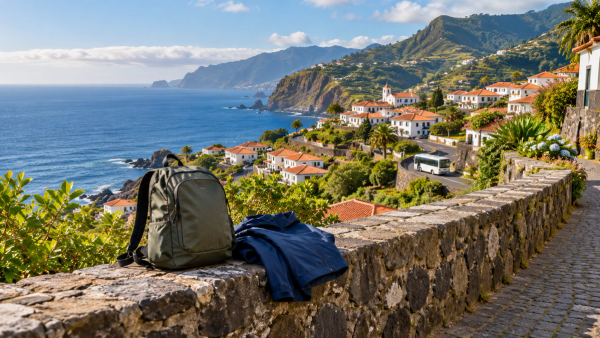
#Mangalore in the monsoon has this funny way of making you hungry before you’ve even reached the hotel. The air smells of wet laterite walls, sea salt, diesel, temple flowers, and somewhere, always somewhere, something is being deep fried. I landed there once after a very damp bus ride from Udupi, shoes making that sad squelch-squelch sound, backpack smelling like rain, and my only plan was: find goli baje. Not beach first, not sightseeing, not even coffee. Goli baje first.
If you haven’t eaten it before, goli baje, also called Mangalore bajji in many places, is basically a soft, slightly sour, golden fritter made with maida, curd, spices, coconut bits sometimes, and a little fermentation magic. It looks simple, almost too simple. Then you tear into one and the inside is pillowy and warm, the outside has that crackly-fried thing going on, and suddenly you understand why coastal Karnataka people don’t need dramatic advertising for their snacks. They just serve it hot and let you shut up for a minute.
And then there are Mangalore buns. Which are not buns. I mean, not in the bakery sense. They’re sweet-ish banana puris, puffed and golden, usually made with ripe banana, flour, curd, maybe cumin, and a bit of sugar. Slightly chewy, slightly crisp at the edge, and dangerous because you think you’ll eat one and then you’ve eaten three. During monsoon, with coconut chutney and hot tea? Finished. Game over.
Why monsoon is the best season for this snack trail, even when it is totally inconvenient
#Let’s be honest, traveling in coastal Karnataka during monsoon is not always comfortable. The rain doesn’t fall politely. It arrives sideways. Roads get shiny and slippery, auto rickshaw curtains flap in your face, your jeans never fully dry, and Google Maps will say “10 minutes” while the sky says “lol no.” But food-wise, monsoon is beautiful. Fried snacks just taste better when the weather is moody. This is not science maybe, but I’ll defend it.
Mangalore’s rainy season usually stretches around June to September, though the exact mood changes every year. The city sits close to the Arabian Sea, so humidity is always hanging around like that one friend who refuses to leave. But the same wetness gives you those lush green drives, dramatic skies over Tannirbhavi and Panambur, and tiny tea shops doing brisk business because everyone wants something hot, oily, and immediate.
I like monsoon food walks here because you don’t rush. You duck into a hotel because it’s raining. You order coffee because your umbrella failed. You ask for buns because the table beside you got them and they looked too good. This is the correct way to travel Mangalore, if you ask me. Half planned, half surrendered.
My first proper goli baje plate, and why I still judge cities by their chutney
#The first goli baje plate I properly remember was in a busy old-style veg hotel near Hampankatta. Not fancy. Stainless steel tumblers, fast-moving waiters, tiled floor slightly wet from people walking in with umbrellas. I was trying to act like I knew what I was doing, but I absolutely did not. The waiter said something quickly, I caught only “baje?” and nodded like a genius.
The plate came with four roundish fritters, pale-gold in some spots, deeper brown in others, and coconut chutney that looked too quiet to be important. Wrong. That chutney was the whole conversation. Fresh coconut, green chilli, ginger maybe, and enough salt to wake the thing up. I’ve had goli baje in other cities where the chutney was cold and tired, like it had given up on life. In Mangalore, when it’s fresh, the chutney tastes alive. That’s the difference.
A good goli baje should not be dense. It should have bounce. You press it lightly and it gives back. The inside should be soft, a little tangy from the curd, and if you get those tiny coconut pieces or curry leaves, nice, that’s a bonus. But if it tastes only of oil, run. Or don’t run, it’s raining, but you know what I mean.
How to spot a good batch without becoming annoying about it
#- Order when the place is busy, especially around tea time. Fresh turnover matters more than the name board outside.
- Look for steam when someone tears one open. Sounds dramatic, but you’ll know.
- The chutney should not smell sour in a bad way. Coconut chutney in wet weather needs respect, seriously.
- If the oil smell hits you before the snack does, maybe get tea and move on.
Mangalore buns are breakfast, snack, emotional support… all of it
#Buns are where I lose my objectivity. I know some people prefer goli baje because it’s savoury and more “snack snack.” Fine. Let them. For me, Mangalore buns have that weird comfort-food pull. They’re sweet but not dessert, fried but still breakfast, soft but not boring. The banana flavour is there but not screaming. When it’s made well, it has this deep mellow sweetness, like the banana was invited to the party but told not to dominate.
The best buns I’ve eaten in Mangalore were served warm, not burning hot, with coconut chutney and a small blob of sambar that I ignored at first and then regretted ignoring. Some places serve them with kurma too. Some keep it simple. I like the simple version. Buns, chutney, tea. Maybe coffee if I’m pretending to be a responsible morning person.
Texture matters. A sad bun is flat, oily, and chewy like an old slipper. A happy bun puffs up, has little brown freckles, and tears with a soft pull. You can taste banana and a whisper of cumin if the cook is that way inclined. Also, if someone tells you buns are only breakfast, don’t believe them fully. Yes, mornings are classic, but I’ve eaten buns at 4 pm in rain and felt spiritually repaired.
Where I’d go in Mangalore for a rainy snack crawl
#I won’t pretend there is one ultimate list, because Mangalore people will fight you lovingly over hotel names. Everyone has their family favourite. Some swear by older veg restaurants around Hampankatta and Car Street. Others will point you toward busy darshinis and small hotels near bus stops where the snacks move fast. That’s the thing: for goli baje and buns, the best place is often the place that’s frying constantly.
Still, there are a few areas I like wandering when I’m in snack-hunting mode. Hampankatta is practical because it’s central and full of old-school eating places, shops, buses, chaos, and people who know exactly where to get a quick plate. Car Street and the temple side of town are lovely if you want to mix food with a walk, though in heavy rain the walking becomes more like puddle negotiation. Kadri side has good stops too, especially if you’re combining it with Kadri Manjunath Temple and a slow evening.
For a broader Mangalore food day, I’d start with buns or neer dosa in the morning, do the city sights when the rain softens, eat a fish thali if you’re into seafood, then come back to goli baje with coffee around 4 or 5. If you’re vegetarian, you’re not suffering here. Coastal Karnataka veg breakfasts and snacks are fantastic, and honestly some of the best meals of my trips have been under 100% non-glamorous tube lights.
A loose rainy-day route that worked for me
#- Start near Hampankatta with coffee and buns. Don’t over-order, even though you will want to.
- Walk or take an auto to St Aloysius Chapel if the rain pauses. The painted interiors are worth seeing, and the cool quiet feels good after a noisy breakfast place.
- Head toward Kudroli Gokarnath Temple or Car Street. Keep your umbrella handy because Mangalore rain has trust issues.
- Late afternoon, find a busy hotel for goli baje. This is the golden hour. Not for photos, for frying.
- If the weather clears, go to Tannirbhavi for sea air. Don’t expect a perfect sunset in monsoon, expect drama.
The chutney and hygiene talk nobody wants, but everyone needs in monsoon
#Okay, small practical rant. Monsoon street food is wonderful, but wet weather can make things messy fast. Coconut chutney is fresh and beautiful, but it also doesn’t love sitting around forever in humidity. I don’t get paranoid, because then you can’t enjoy anything, but I do watch a few things. Is the place busy? Are they making small batches? Is the chutney being refilled from a clean container? Is the water situation decent? Boring questions, yes. Stomach-saving questions, also yes.
With goli baje and buns, hot-from-the-kadai is your friend. Fried snacks are usually safer when they’re fresh and properly hot, though obviously nothing is a magic shield. I avoid watery chutneys from quiet stalls in heavy rain, and I’m cautious with cut fruit or anything that looks like it’s been sitting out. If you’re doing more coastal Karnataka eating, the hygiene notes in Udupi Monsoon Food Trail: Meals, Coffee & Hygiene pair really well with this kind of trip, especially because Udupi and Mangalore often get combined in one rainy itinerary.
Also, carry tissues. Not the cute tiny pack that runs out in eight seconds. A proper pack. And a small sanitizer. And maybe don’t wear white shoes unless you enjoy regret.
What to order with goli baje and buns, because one plate is never the full story
#One thing I love about Mangalore is that snacks don’t exist alone. They come with coffee, tea, temple visits, bus rides, relatives arguing at the next table, rainwater dripping from umbrellas near the entrance. If you order goli baje, get filter coffee or strong tea. I prefer coffee in the morning and tea in the evening, for no logical reason except it feels right. Buns with coffee is classic for me. Goli baje with tea is rainy-day poetry, slightly oily poetry.
If you’re hungrier, look for neer dosa, sajjige bajil, avalakki preparations, idli, vada, or a proper coastal meal. Buns are sweet-ish, so they sit nicely beside spicy chutney. Goli baje can handle sharper chutney, even a little sambar, though purists may glare. Let them glare. You’re traveling, not sitting for an exam.
For breakfast planning across Karnataka, especially if you’re doing a road trip and trying to decide between rotti, dosa, buns, and whatever is fresh at 7:30 am, I liked comparing notes with this Akki Rotti Breakfast Guide for Karnataka Trips. Different dish, same basic truth: timing and chutney freshness can make or break the meal.
A quick food map for first-timers in Mangalore
#If it’s your first time in the city, don’t make the mistake of only chasing one famous snack. Mangalore’s food personality is layered. There’s Tuluva home-style cooking, Konkani influences, Beary biryani traditions, Catholic bakery and meat dishes, Udupi-style vegetarian hotels, seafood meals, and ice cream culture that is practically a separate pilgrimage. People talk about coastal Karnataka like it’s one neat cuisine, but it isn’t. It’s more like several kitchens talking across the same wet courtyard.
Seafood lovers usually chase fish curry rice, anjal fry, prawns, crab ghee roast, and local meals. Vegetarians can eat beautifully too: neer dosa with chutney, pathrode when available, temple-style meals, buns, goli baje, idli-vada, and all those small tiffin items that don’t make enough noise on travel brochures. And yes, finish with ice cream if you have space. I rarely have space. I still do it.
Markets are another mood. Central Market has gone through changes and relocation discussions over the years, so don’t go expecting one fixed romantic postcard version. Ask locally where the active produce and fish market action is that week. Mangalore people are usually helpful, though they may give directions with landmarks that no outsider understands, like “turn after the old place that was there before.” Good luck, but also that’s half the fun.
Monsoon travel tips I learned the wet way
#Pack light, but pack smart. Quick-dry clothes are not optional if you’re moving around the coast in peak rain. I once carried thick jeans and spent two days feeling like I was wearing a damp carpet. Never again. Sandals with grip are better than stylish shoes. A foldable umbrella is useful, but a light rain jacket is better when the wind starts behaving badly.
Autos are easy enough in the city, though like anywhere, confirm the fare or meter situation before you sit. If you’re going to beaches in monsoon, go for the view, not swimming. The Arabian Sea can be rough and unpredictable, and local warnings should be taken seriously. Panambur and Tannirbhavi are popular, but rain changes the whole beach mood. Less picnic, more brooding cinema scene.
If you’re arriving by train, Mangaluru Central and Mangaluru Junction are the main stations people use, and the city is also connected by Mangaluru International Airport. Road trips from Udupi, Kundapura, Coorg side, or even Kannur can be gorgeous in the rains, but landslides and delays can happen in the wider region during heavy spells. Don’t plan snack stops with military precision. Coastal travel laughs at that.
The small emotional thing about eating fried snacks in rain
#Maybe I’m overthinking a plate of bajji. Very possible. But food travel is rarely just food, no? That evening in Mangalore, sitting beside a fogged-up window with goli baje on a steel plate, I remember feeling oddly content. Outside, bikes hissed through rainwater. Inside, someone was shouting orders toward the kitchen, the coffee machine was making angry sounds, and a kid at the next table was peeling the crust off his bun like it was a serious engineering project.
That’s the sort of memory I travel for. Not the perfect itinerary. Not the “top 10 must eat” list, though I read those too, guilty. It’s the unspectacular moment that somehow sticks. Hot snack. Wet street. A city doing its normal evening thing while you, outsider with damp socks, get to sit there and be part of it for fifteen minutes.
I’ve eaten prettier food, more expensive food, food with foams and tiny tweezed leaves. Lovely, sure. But give me a rainy Mangalore bun with coconut chutney and a waiter who looks mildly offended that I’m taking too long to order, and I’m happy.
If you’re making this a bigger coastal snack trip
#Mangalore pairs nicely with Udupi, Manipal, Malpe, Dharmasthala, and the temple towns or beaches depending on your route. A classic food-heavy run could be Mangalore for buns, goli baje, seafood and ice cream, Udupi for temple meals and coffee stops, then maybe Kundapura if you’re chasing chicken sukka or coastal meals. If you’re vegetarian, still go. The veg food trail is not a consolation prize here.
Rainy snack logic also travels well beyond Karnataka. Fried food, wet weather, hot tea, freshness checks, all of that applies whether you’re on the west coast or sitting near a beach in Tamil Nadu. I had a similar “eat it hot and don’t be foolish with watery sides” thought while reading about Chennai Marina Beach Snacks in Monsoon: Sundal, Bajji & Safety. Different coastline, same monsoon appetite basically.
The only thing I’d say is, don’t overstuff your schedule. Food trails are better with gaps. You need space to digest, to walk, to get rained on, to suddenly smell something frying and change your plan. If every hour is booked, where will the accidental second plate of buns fit? Think about that.
My final order, if I had just one rainy day in Mangalore
#If I had one monsoon day in Mangalore, I’d keep it simple. Morning: buns with coconut chutney and coffee at a busy old-style veg hotel. Late morning: chapel or temple, depending on mood and rain. Lunch: fish meal if I’m with seafood people, or neer dosa and a veg curry if not. Afternoon nap, because rain demands it. Evening: goli baje, hot tea, and maybe one more plate “for sharing” that I mostly eat myself.
Then I’d go toward the sea if the weather allowed. Not to swim, not to do anything dramatic. Just stand there a bit and watch the grey water. Mangalore in monsoon isn’t polished travel-brochure pretty all the time. It’s damp, loud, mossy, hungry, and a little chaotic. Which is exactly why I like it.
The real Mangalore monsoon guide is this: follow the rain, follow the smell of frying batter, and don’t underestimate a humble coconut chutney.
So yeah, go for the goli baje. Go for the buns. Go when it rains if you can handle wet shoes and imperfect plans. And if you come back slightly heavier and weirdly emotional about banana puris, welcome to the club. For more food-travel rambles and practical little guides like this, I usually end up browsing AllBlogs.in with a cup of coffee and, honestly, a snack nearby.