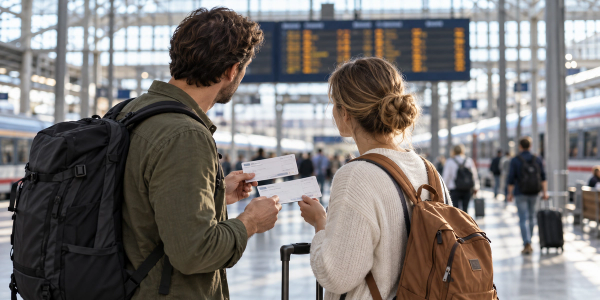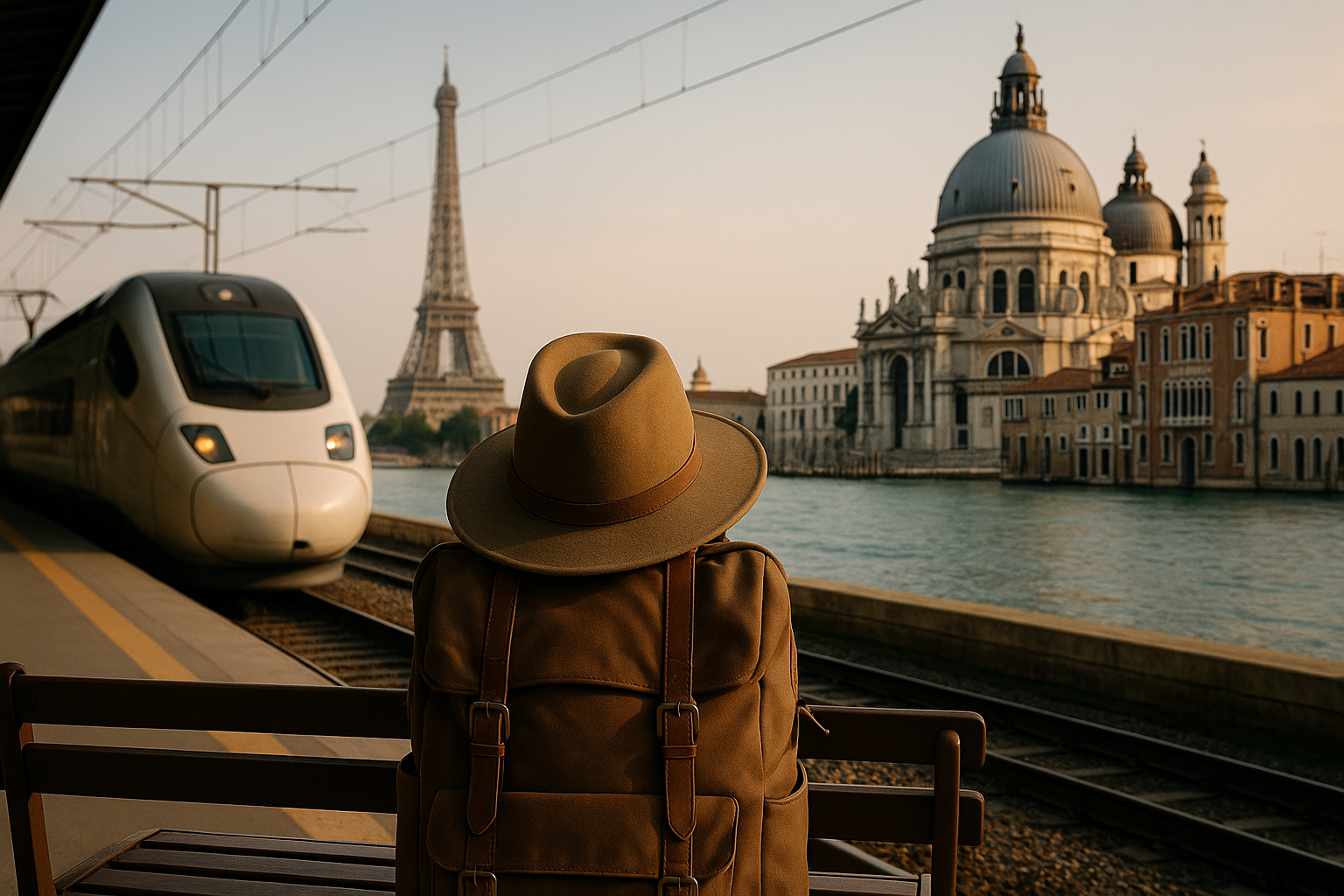
Europe looks tiny on the map and somehow massive in real life. That was my first big lesson. From India, we tend to see those dreamy itineraries online where people do 5 countries in 9 days, smiling in every photo like jet lag is a myth and train platforms are spa retreats. Umm... no. If you actually want to enjoy Europe and not come back needing another holiday, a 2-country trip is honestly the sweet spot. I did this the slightly hard way first, made some dumb mistakes, then figured out a much calmer rhythm. And trust me, if you're flying all the way from India, dealing with visas, currency conversion, food adjustments, walking 18,000 steps a day and pretending you're fine in 8 degree weather, you really do not want to overpack the itinerary.
What worked best for me was choosing two neighboring countries, keeping transit simple, staying at least 3 nights in most places, and not treating every day like a checklist. That sounds obvious maybe, but so many of us fall into the trap of wanting full paisa vasool from the trip. Me too. I was like, if Schengen visa mil gaya then I should squeeze everything. Paris, Amsterdam, Brussels, maybe Prague also? Bad idea. The trip becomes all luggage, trains, check-in timings, and panic. A slower 2-country route gives you enough Europe magic without the burnout. You still get culture shift, different food, different languages, maybe a scenic train ride, but your body doesn't hate you by day four.
First things first: choose the right two countries, not the most famous two
#This part matters more than people think. Don’t pick countries just because Instagram loves them. Pick countries that sit well together logistically and energy-wise. For Indian travelers, some easy and sensible combinations are France + Belgium, Netherlands + Belgium, Austria + Hungary, Italy + Switzerland, Spain + Portugal, or Germany + Czech Republic. I personally feel first-timers do better with combinations where train travel is easy, cities are connected well, and you don’t need domestic flights inside Europe unless absolutely necessary. Airports eat time. Security, baggage, transfers, getting to and from city center... it's tiring yaar.
- If you want postcard beauty and relaxed travel: Switzerland + Italy works, though it can be expensive.
- If you want easy train connectivity and compact cities: Netherlands + Belgium is super underrated.
- If you want history, food and walkable old towns: Austria + Hungary is brilliant and usually less chaotic than some Western Europe routes.
- If you want classic first-Europe feel: France + Belgium gives you that mix of iconic plus easy border crossing.
One thing I tell friends now: don’t choose two countries where both require huge internal movement. Like doing south Italy and north France in one short trip. That’s not a holiday, that’s project management. Keep the route linear. Land in one country, move once or twice max, leave from the second country. Open-jaw flights can help a lot here, meaning fly into one city and fly out from another. Sometimes it costs a little more, but if it saves a backtrack and one wasted day, it's worth it actually.
How many days is enough without feeling dead inside
#For most people flying from India, 8 to 12 days is the comfortable range for a 2-country Europe trip. Less than that and the flight time starts feeling silly. More than that is amazing if you have leave and budget, but even then you need pacing. My own sweet spot is 10 nights. It gives one arrival recovery day, 3 to 4 nights in country one, 3 to 4 nights in country two, and a final buffer before the long flight home. The older I get, the more I respect buffer days. Earlier I thought buffer was for weak people. Now I know buffer is wisdom.
Jet lag from India to Europe is not always brutal, but it can sneak up on you. Especially if you land in the morning after a weird half-sleep flight and then try to do a museum, canal cruise, old town walk and sunset viewpoint in one day. I did that in Amsterdam once and by evening I was so tired I nearly cried because my Google Maps stopped loading and I couldn't find my tram stop. Tiny thing, but when you're exhausted everything feels dramatic. So keep arrival day light. Just one neighborhood walk, one decent meal, sleep early. Bas.
Visa, flights, insurance, money... the boring stuff that can save your trip
#Let’s talk practicals because this is where Indian travelers can reduce a lot of stress before the trip even starts. If both countries are in the Schengen area, you need one Schengen visa, generally through the country where you’ll spend the most nights. If nights are equal, then apply through the country of first entry. Rules can update a bit depending on consulate process, outsourcing center and appointment systems, so always check the official embassy or visa application center website before booking. Appointment slots in busy travel seasons fill fast, so don’t leave it till the last minute. And yes, travel insurance is mandatory for Schengen, but beyond the visa requirement it’s genuinely useful. Lost bags, medical emergency, trip delay... all these things happen to normal people, not just unlucky people.
Flight-wise, many Indians do best with one-stop routes from Delhi, Mumbai, Bengaluru, Hyderabad or Chennai through Gulf hubs or European hubs. If direct flights fit the budget, lovely. If not, choose layovers that are manageable, not heroic. A 7-hour layover sounds okay when booking and awful when you're actually there with swollen feet and overpriced airport coffee. Also, please keep some forex card balance plus one international debit/credit card plus a little cash in euros. Europe is very card-friendly now, but a few local shops, lockers, public toilets, tiny bakeries or transit machines may still behave weirdly.
The trip gets less exhausting when you remove tiny frictions before departure. Good flight timing, proper insurance, enough data, one light suitcase, and a realistic plan can honestly change the whole mood of Europe.
The biggest mistake Indians make: changing hotels too often
#I’m saying this with love because I am Indians. We try to maximize. We say things like, if Brussels is one hour from Bruges and Amsterdam is two hours from Brussels, then why not cover all in 2 days? Why not indeed... because your spine exists. Hotel changes are sneaky-tiring. Packing, checkout, dragging luggage on cobblestones, storing bags because room isn’t ready, figuring out public transport again, unpacking chargers you can’t find, then trying to enjoy a cathedral. It adds up.
My current rule is simple: for a 2-country trip, keep maximum 3 hotel bases for 10 nights. Example: 4 nights in Paris, 3 nights in Brussels, 3 nights in Amsterdam. Or 4 nights in Zurich/Lucerne area, 3 nights in Milan, 3 nights in Florence. Day trips are your friend. Sleep in one place and explore nearby places with a small backpack. Your energy remains so much better, and weirdly you end up seeing more because you're not constantly in transition mode.
A sample low-stress itinerary that actually feels nice
#Let me give you one route I genuinely think works beautifully for first or second timers from India: Netherlands + Belgium, 9 to 10 nights. Fly into Amsterdam. Stay 4 nights. Use one day for canals, Jordaan, museums or just a lazy cycle-and-coffee day. Use one day for Zaanse Schans or Utrecht. Then take a train to Brussels, stay 3 nights. One day in Brussels itself, one day trip to Bruges or Ghent. Then maybe finish with 2 nights in Antwerp if you like design, diamonds, quieter city vibes. Fly back from Brussels, or if fares are better, reverse the route. This is smooth, compact, and not crazy expensive compared to some other combinations.
Another one I liked in theory and then later helped a cousin plan was Vienna + Budapest. So good. Trains are easy, both cities have strong public transport, cafes are lovely, architecture is gorgeous, and the pace feels a bit more breathable. You can do 4 nights Vienna, 4 nights Budapest, and maybe one countryside or Danube day if you feel like it. Not every Europe trip needs to be Eiffel Tower level iconic. Sometimes the less over-hyped routes are more enjoyable, no kidding.
Where to stay so you don’t waste your life commuting
#Accommodation is where people either save energy or lose it badly. Don’t just book the cheapest room on the edge of the city and think you’re being smart. If your budget allows, stay within 10 to 20 minutes of the main station or near a central tram/metro line. In Europe, especially after long sightseeing days, that convenience is gold. Typical mid-range hotels or decent private hostel rooms in popular cities can vary a lot by season, but roughly think around €90 to €180 per night in cities like Brussels, Budapest or Vienna, and higher in Amsterdam, Paris, Zurich or peak summer Italy. Hostels with private rooms, aparthotels, and small guesthouses are often better value than chain hotels. If you’re traveling as a couple or with a friend, apartment stays can work nicely too.
One thing I started doing after one bad experience with a tiny staircase and no lift in a heritage building was filtering for elevator, luggage storage, and actual walking distance from transit. Not “10 minutes by car”, that means nothing. Also check if there’s self check-in after 8 pm because delayed flights happen. In many European cities, old charming buildings are cute until you carry a 23-kg suitcase to the third floor. Suddenly culture loses its shine.
What to eat when you’re Indian and slightly tired of sandwiches
#Food can make or break your mood abroad, and this is where realistic planning helps a lot. I love trying local food, but after 3 or 4 days sometimes I need something warm, spicy, and familiar or I become annoying. The good news is most big European cities now have solid Indian restaurants, grocery stores, and vegetarian options. Amsterdam, Brussels, Paris, Vienna, Milan, Barcelona, Lisbon... all have Indian food scenes ranging from expensive-but-decent to surprisingly authentic. Not home-home, but enough to reset your soul a bit.
- Carry a few comfort items from India: theplas, khakra, cup noodles, poha packets, roasted makhana, instant coffee sachets.
- Book at least one stay with kettle or kitchenette if food familiarity matters to you.
- Use lunch deals for local cuisine. Dinner is usually costlier in Europe.
- Vegetarians should save maps of falafel shops, pizza places, Asian spots and Indian restaurants in advance.
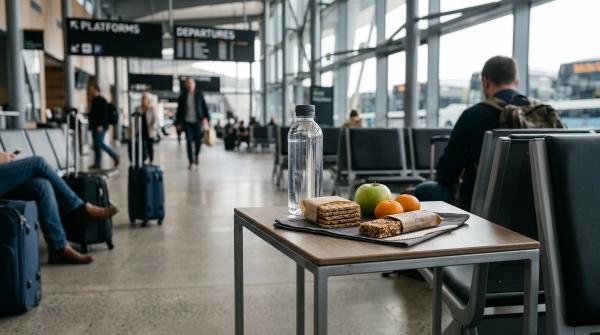
And please drink water, not just coffee. European city trips involve ridiculous walking. Plus weather can be deceptive. In cooler months you don’t feel sweaty, so you forget hydration, then headache starts, then low energy, then everyone around you seems extra irritating. Small thing, big effect.
Best months to go if you hate crowds but still want nice weather
#In my opinion, shoulder season is the winner for a low-exhaustion Europe trip from India. Think April to early June, and September to October. You usually get decent daylight, manageable temperatures, and crowds that are still there but not full madness. July and August can be fun, yes, but they’re expensive, packed, and hotter than many people expect now. Heatwaves in parts of Europe have become more common, and if you're doing city walking all day, that drains you fast. Winter trips can be magical for Christmas markets, but shorter daylight and cold winds do slow you down. So if your goal is comfort plus sightseeing, shoulder months are best. Honestly, September is kind of elite.
Also, Sundays and local holidays can affect shopping hours, grocery access and even restaurant availability in some countries. Check this before arrival. It’s one of those little practical things that nobody tells you until you land hungry in a quiet neighborhood wondering why every shop shutter is down.
Transport inside Europe: trains win most of the time
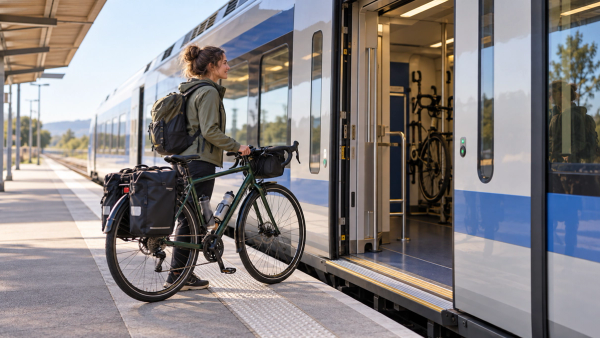
#For a 2-country trip, trains are usually the least exhausting option if the route supports it. City-center to city-center, fewer baggage rules, less airport drama. Book early for better fares on high-speed routes. Apps and official railway websites are way better now than before, but still, don’t overcomplicate with ten different passes unless you know you’ll use them enough. Point-to-point tickets often work out fine for a simple itinerary. In cities themselves, just use contactless cards or transport apps where available. Walking is great, but combine it with trams/metros strategically. You are not proving anything by walking 9 km back to the hotel after dinner.
One practical thing Indian travelers often overlook is luggage size on trains. Not as strict as airlines usually, but if you have giant suitcases, lifting and storing them gets irritating real quick. A medium check-in bag plus one backpack is enough for 10 days if you pack sensible layers. Nobody in Europe cares if you repeat jackets in photos. Literally nobody.
Safety, scams, and the kind of stress you can avoid
#Europe is generally manageable for tourists, but pickpocketing in busy areas is very real, especially around major stations, crowded metros, famous landmarks and airport links. Paris, Barcelona, Rome, Brussels, Amsterdam... all have spots where distraction scams happen. Nothing to panic about, just don’t be casual. I keep my passport in the hotel safe when not needed, use a crossbody bag in front, and never put phone or wallet in back pocket. If someone creates a weird commotion near you, get alert instantly. Most trips are smooth though. The point isn’t to become paranoid. Just stay switched on.
For Indian families and women travelers, I’d say Europe generally feels comfortable if you use normal city common sense. Late-night empty station areas can feel sketchy anywhere, so try reaching your hotel before it gets too late, especially on transfer days. Keep offline maps, local emergency numbers, hotel address screenshots, and a spare card in a separate pocket. Also buy an eSIM or good roaming plan before departure. Data solves half of travel anxiety now, seriously.
Don’t try to “cover” a city. Build one slow moment into every day
#This may sound filmy, but the best part of Europe for me was never the rushing. It was the pause. A bench by a canal in Amsterdam. Hot chocolate in Brussels while it drizzled and people rushed past in coats. Sitting by the Danube in Budapest at night when everything finally felt quiet. Those are the moments that make the trip feel full instead of frantic. So while planning, add one slow thing per day on purpose. Maybe a long breakfast, maybe sunset from a bridge, maybe just one hour in a park with no agenda. That’s how you avoid exhaustion emotionally too, not only physically.
And don’t overschedule attractions. Realistically, 2 major sights plus one neighborhood wander is enough for many days. Museum fatigue is real. Church fatigue is also real, sorry. If every building starts looking equally beautiful and your feet hurt and you’re eating a protein bar on the sidewalk, that’s your sign to chill a bit.
Budgeting without shocking your bank account
#A comfortable 2-country Europe trip from India can be done on different budgets, but for a mid-range traveler, flights will be the biggest chunk, then hotels, then intercity transport. Daily spend depends a lot on country pair and season. Western Europe can climb quickly, while Central Europe often gives better value. If you want a rough planning mindset, keep a daily estimate for stay, local transport, one paid attraction, meals, coffee/snacks, and a small buffer. Don’t plan to the last euro. Europe has surprise expenses. City tax, lockers, public toilets, tram mistakes, extra water, random bakery stop because the croissant looked too good... it happens.
A good trick is to splurge selectively. Pick one great stay or one memorable meal, not premium-everything all trip. Also, free walking tours, city parks, churches, local markets, scenic neighborhoods, riverside walks and viewpoints can be some of the most satisfying parts of the journey anyway. You don’t need to enter every paid attraction to feel like you “did” Europe properly.
My honest formula for a no-burnout Europe trip from India
#- Choose two neighboring countries only.
- Travel for 8 to 12 days, ideally around 10 nights.
- Keep max 3 hotel bases.
- Do open-jaw flights if the price difference isn’t wild.
- Take trains instead of flights where possible.
- Keep arrival day almost empty.
- Plan one slow moment every single day.
- Carry a few Indian comfort snacks and don’t underestimate hydration.
- Leave buffer for weather, tiredness and random discoveries.
That’s basically it. Europe doesn’t need to be conquered. It needs to be enjoyed. The funny thing is, when you stop trying to do everything, the trip actually feels richer. You notice details. A bakery smell at 8 am. Tram bells. Language changes between borders. The relief of reaching your hotel before dark with enough energy left for dinner. Tiny wins, but they matter a lot.
If you're planning your first or next Europe trip from India, keep it simple, keep it breathable, and don’t build an itinerary that looks impressive but feels miserable. Two countries are enough. More than enough, actually. And if you like practical travel stories written in a normal human way, not those robotic “ultimate guides”, have a look at AllBlogs.in too.