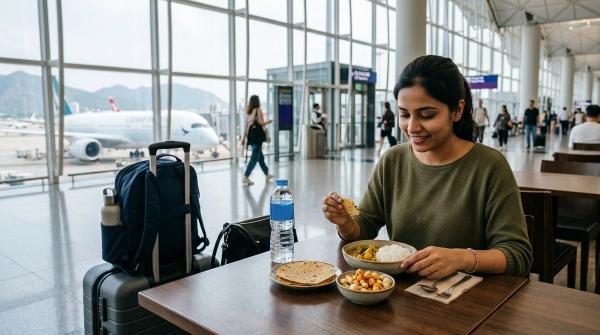
Planning a family trip in India sounds cute in theory. Three generations, one big holiday, lots of photos, matching smiles, maybe one sunset by a lake. Reality? Someone’s knees hurt, one kid wants a pool, one uncle only trusts train travel, Dadi wants satvik food, and your cousin is asking for “good Wi-Fi yaar” every 15 minutes. I’m saying this with love because me and my family have done this a few times now, and honestly, multigenerational travel in India can be incredible... but only if you plan for actual people, not some fantasy itinerary from Instagram.
I’ve travelled with parents, grandparents, cousins, one moody teenager, and a toddler who somehow slept only when the car hit potholes. From Udaipur to Munnar, Rishikesh to Puri, I’ve learnt one very non-glamorous truth: the best family trips are not the ones where you “cover everything”. They’re the ones where everybody feels included, rested enough, fed on time, and not dragged around like unpaid interns. Trust me on this.
First thing — choose the right kind of destination, not just the famous one
#This is where most of us mess up. We start with a place that looks exciting, then try to force-fit the family into it. Bad idea. For multigenerational trips in India, the destination should be easy before it is impressive. Accessibility matters. Weather matters. Medical access matters a lot more than people admit. And the pace of the place... that too.
For example, I love Himachal, but not every hill station works for grandparents. A steep property with 70 stairs and “beautiful valley views” is nice until Nana has to climb after lunch. Same with places that involve too much road travel. In India, 120 km can sometimes mean 5 hours, no joke. So now when I plan, I look for destinations with these things: reasonably smooth access from airport or railway station, good hotel options across budgets, nearby hospitals or pharmacies, mixed activity level, and food that suits different ages.
- Best easygoing multigenerational destinations in India, in my experience: Udaipur, Jaipur, Mysuru, Kochi, Munnar, Ooty, Puri, Goa if done slowly, Rishikesh for a calm stay, and parts of Kerala backwaters
- Places I’d plan more carefully with seniors: high-altitude Ladakh, intense monsoon treks, very crowded pilgrimage routes in peak season, remote jungle stays with limited medical access
- If small kids are coming too, pick places with open space, not just monuments. Resorts, lakeside towns, heritage stays with courtyards... these work weirdly well
The biggest hack is this: decide the trip’s pace before the destination
#I know that sounds backward, but it changed everything for us. Earlier we used to say, okay let’s go to Rajasthan, then squeeze in Udaipur, Kumbhalgarh, Chittorgarh, Jaipur, maybe Jodhpur if possible. Why? Why are we punishing ourselves. Now we decide if this is a slow trip, medium trip, or full-on sightseeing trip. If grandparents are joining, I nearly always vote for slow or medium.
A good rhythm for family travel in India is one main outing a day. That’s it. Morning sightseeing and evening rest. Or lazy breakfast, afternoon nap, one local market visit later. Leave buffer time. In Indian families, tea itself becomes an event, then someone wants freshen up, then one child can’t find slippers, and somehow 20 minutes becomes 1 hour. It’s normal. Plan around that instead of fighting it.
The nicest family trips I’ve had in India were the ones where we came back with stories, not back pain.
How I split the planning so everyone feels heard
#This part is surprisingly emotional. A family trip goes bad when one person becomes unpaid travel manager and everyone else becomes critics. Been there. So now I do a simple division. Elders get a say in comfort, food preferences, and how long they can be out. Parents usually handle budget reality. Younger people shortlist activities and transport options. One person books, but everybody signs off. Basically democracy with slight dictatorship, because somebody has to finalise things.
Also, make a proper family travel WhatsApp group and pin the essentials. Train or flight details, hotel addresses, driver number, medicine list, IDs, room sharing plan. Don’t trust random forwards from Chachu at 11:48 pm. Keep one final message with the actual itinerary. It saves so much confusion, seriously.
A simple planning method that actually works
#- Pick travel dates based on weather first, school calendars second, and office leave third if you can manage it
- Fix budget range per family or per person before discussing luxury dreams
- Choose one base city, maybe two max for a 5 to 7 day trip
- Book stay before transport if you’re travelling in peak season like year-end holidays, long weekends, or summer hill station rush
- Add rest windows, not just attractions
- Make one backup plan for weather, health, or delay issues because in India, something or the other happens
Best months for multigenerational family trips in India
#Honestly, season can make or break the whole trip. I’ve seen cheerful people become monsters in peak May heat at a crowded fort. And I’ve seen Dadi happier than all of us in a December courtyard in Chettinad with morning filter coffee. So choose smartly.
For most family groups, October to March is the safest all-round window for many parts of India. Rajasthan, Gujarat, Varanasi, Madhya Pradesh heritage circuits, Odisha, most of South India cities — all feel more comfortable then. Hill stations are good in summer, but avoid overpacked weekends if possible. Kerala is lovely post-monsoon too, everything feels washed and green, though some older travellers may not enjoy heavy humidity. Monsoon trips can be beautiful in Goa, Coorg, Munnar, and the Western Ghats, but you need a slower mindset and flexible plans. Don’t book a rain-heavy itinerary for elders who hate damp clothes and slippery steps... that’s just asking for drama.
| Region/Type | Best Time | Why it works for families | Watch out for |
|---|---|---|---|
| Rajasthan | Oct to Feb | Cooler weather, heritage stays, easier sightseeing | Very crowded during holidays |
| Kerala | Sep to Mar | Good resorts, houseboats, food variety, calm pace | Humidity, monsoon road delays |
| Hill stations like Ooty/Munnar | Mar to Jun | Pleasant weather, scenic and relaxed | Summer rush, winding roads |
| Odisha/Puri | Nov to Feb | Temple town plus beach, simple food options | Festival crowds |
| Goa | Nov to Feb | Beach resorts suit all ages, easy airport access | Peak pricing in holiday season |
| Rishikesh/Haridwar | Oct to Mar | Spiritual plus scenic, easy short outings | Cold evenings, busy weekends |
Accommodation matters more than destination, no really
#I used to think hotel is just for sleeping. That is backpacker thinking, not family trip thinking. On multigenerational holidays, the hotel becomes recovery room, gossip adda, snack station, emergency nap zone, and occasionally battlefield. So pick carefully.
The best stays for big Indian families are usually serviced villas, family suites, resorts with garden space, or heritage hotels with easy ground-floor access. Check lift availability. Check if they can provide extra beds that are actual beds, not those tragic folding things. Ask about wheelchair access even if no one currently uses one. Ask if they can do simple meals on request. A lot of Indian hotels, even mid-range ones, are more flexible than international chains if you speak directly and explain your family mix.
Typical price ranges, though of course these change by season and city: decent mid-range hotels in many Indian tourist cities can start around ₹3,500 to ₹7,000 per night for a double room. Better family-friendly resorts often sit around ₹7,000 to ₹15,000. Premium heritage properties and luxury resorts go way above that, sometimes ₹18,000 to ₹35,000 plus. Villas for 6 to 10 people can be surprisingly cost-effective if split across families, especially in Goa, Coorg, Lonavala, and around Jaipur outskirts.
- What I personally check before booking: ground-floor rooms or lift, breakfast quality, distance from main attractions, doctor-on-call, room size, cancellation policy, and whether they sound patient on the phone. That last one matters lol
Transport in India: don’t choose the cheapest option blindly
#This one is very desi and very practical. In solo travel, I’ll do the odd cheap bus or crazy connection. With family? No. For multigenerational trips, convenience is worth paying for. Direct flights, AC train classes, reliable cabs with enough luggage space, and daytime transfers are usually better than shaving off a few thousand rupees and exhausting everyone.
If seniors are travelling, I prefer one of these setups: direct flight plus prebooked cab, or train in 2AC/1AC if the journey itself is part of the fun. Indian Railways can still be a great family experience, espescially for routes where stations are central and airport access is messy. But book early. Premium trains and holiday routes fill fast. For road trips, keep halts every 2 to 3 hours, and don’t trust Google Maps timing blindly in hill areas or small towns.
App cabs work in most major cities, but for outstation family travel, a trusted local operator is often less stressful. Ask hotel staff for driver recommendations. We once got a patient driver in Kerala who knew exactly which restaurant had less spicy food for Nani and where the clean washrooms were. That man was more useful than half my itinerary notes.
Food can either save the trip or totally wreck it
#Indian family travel is basically organised around meals, let’s be honest. And when you’ve got different generations, food preferences become serious business. One person wants Jain food, one needs less oil, one child only eats dosa, one uncle wants “proper lunch” at 1 pm sharp. So don’t leave it to chance.
My rule is simple: keep one familiar meal every day. If you’re in Rajasthan, sure, enjoy dal baati and laal maas if your crowd likes that. But also know where to get plain khichdi, curd rice, idli, toast, simple roti-sabzi. In temple towns and heritage cities this is usually easy if you ask locals or hotel staff. In beach areas and hill stations, menus are broader now than they used to be. Gluten-free, vegan, Jain, sattvic — more places are accommodating than before, especially in popular tourism circuits.
- Carry basics anyway: ORS, biscuits, dry fruits, tea bags if elders are picky, children’s snacks, and any digestion meds. Small thing, huge help
- Street food? Yes, but use judgement. Pick busy stalls, freshly cooked items, and maybe don’t experiment wildly on day one
- Regional meals that work nicely for mixed-age groups: Kerala sadya, Gujarati thali, simple Bengali fish thali, South Indian breakfast spreads, Rajasthani thali with milder customisation if possible
Safety, health, and current travel reality in India
#A lot of people ask this quietly, especially when older parents are joining — is it safe, is it manageable right now, are things smooth? In general, domestic travel across India is busy and active, and tourism infrastructure has improved in many major circuits over the last couple of years. Better highways in some stretches, more boutique stays, easier digital payments almost everywhere, and stronger online booking systems. But the basics still matter more than trends.
Check local weather alerts before hill or coastal trips. In monsoon months, landslides and waterlogging can affect routes in parts of Himachal, Uttarakhand, Kerala, and the Northeast. In extreme summer, heatstroke risk is real in North and Central India, especially for older travellers. Keep Aadhaar copies, prescriptions, and emergency contacts in one shared folder and one printed set. UPI works in most places now, which honestly has made family travel way smoother, but do carry some cash for tolls, tips, temple lockers, and smaller towns.
For women travellers in the family, I’d say what most Indian women already know — choose centrally located stays, avoid very isolated properties unless they’re highly reviewed, and keep arrival times sensible. Nothing dramatic, just normal caution. If your family is travelling during festival periods or big school holidays, expect crowds, traffic, and surge pricing. Build patience into the plan, otherwise everyone starts snapping at each other for no reason.
What to actually do on the trip so all generations enjoy it
#The trick is mixing shared moments with optional plans. Not everyone has to do everything together all the time. This took me forever to understand. One family breakfast, one common outing, one shared dinner — enough. In between, split up if needed. Kids can do pool time, younger adults can explore a market, elders can rest or sit in a garden or temple courtyard. You don’t win any award for maximum togetherness.
Some activities that have worked really well for us in India: sunset boat rides in Udaipur, Kathakali or cultural shows in Kerala, toy train style experiences and botanical gardens in hill stations, light-and-sound shows if seating is decent, easy village walks, craft shopping with chai stops, temple visits early in the day, and heritage properties where the atmosphere itself feels like an experience. Also, a lot of families enjoy just sitting together in the evening at the hotel lawn with pakoras. Sounds boring. It never is.
A sample 6-day India family trip flow that doesn’t feel exhausting
#Let’s say you pick Udaipur, which is honestly one of the best multigenerational destinations in India if you ask me. Day 1 arrive, settle in, evening only local lake view or hotel rest. Day 2 City Palace in the morning, long lunch, nap, then gentle boat ride in the evening. Day 3 one half-day trip or local market with café stop. Day 4 free morning, maybe spa for parents, pool for kids, temple visit for elders. Day 5 one scenic drive or cultural performance. Day 6 breakfast and return. See? Not crammed, still memorable.
This same logic works in Kochi, Mysuru, Jaipur, Puri, even Goa if you stay in one area and don’t zigzag like maniacs across the whole state. Build around comfort, not FOMO. India is not going anywhere. You can always come back.
Little things nobody tells you, but they matter sooo much
#Book rooms close to each other. Keep one small foldable stool if someone has knee issues, sounds silly but useful. Carry a light shawl even in warm places because elders get cold in train AC and hotel lobbies for some reason. Confirm early check-in if you have grandparents arriving on morning trains. Don’t plan temple visits at peak noon. Always ask if attraction entry involves stairs. Keep two phone chargers in the day bag because one will vanish. And assign one family member as medicine captain. Not the most glamorous role, but very important.
Oh and photos — take them, obviously, but don’t turn the whole thing into content production. Some of my favourite family trip moments in India are not posed at all. Dada bargaining badly for wooden toys in Mysuru. My niece feeding fish near a ghat. Everyone arguing over where to get the best kachori. These are the things that stay.
Final thoughts from someone who’s done the chaos a few times
#If you’re planning a multigenerational family trip in India, my honest advice is this: plan with softness. Not laziness, not over-control, just softness. Leave room for moods, naps, sudden chai stops, slower walkers, picky eaters, and the weird emotional beauty of being together in a place that’s not home. That’s really what these trips are about. India gives you endless options — beaches, temple towns, wildlife edges, hill air, old cities, backwaters, desert sunsets — but the magic isn’t in doing the most. It’s in making sure everybody, from the youngest to the oldest, gets a piece of the joy.
And yeah, some things will go off track. A train may run late, one room may not be ready, someone will defintely complain about the food at least once. Let it happen. If the basics are sorted — right destination, realistic pace, comfortable stay, decent transport, simple food, medical preparedness — the trip usually settles into its own rhythm. That’s when the good stuff begins. If you like reading travel stories and practical India trip guides like this, have a look at AllBlogs.in too, pretty nice place to get ideas before the family group starts arguing again.