Mauritius had been sitting in my head for years as this fancy honeymoon-type place where people wear flowy clothes, drink mocktails near turquoise water, and somehow never worry about money. So I kept postponing it. Then I finally went, and the biggest surprise? It can actually be done on a budget if you plan smart and don’t try to copy those luxury-resort reels. And for us Indians, that part matters a lot, right. We want the pretty beach, yes, but also we want to know how much the cab costs, where to get veg food, whether UPI works, and if we’re about to get ripped off by some tour desk. Fair enough.
This post is basically the guide I wish I had before I booked. Not a super polished brochure thing. More like what I learnt after comparing flights for weeks, staying in a non-fancy guesthouse, taking local buses sometimes, sharing tours, hunting for cheap meals, and still having a seriously good trip. Mauritius is clean, scenic, multicultural, and honestly quite comfortable for Indian travellers. There’s a strong Indian-origin population there, so you’ll hear familiar names, see temples, eat dhal puri on the roadside, and randomly feel less out of place than expected. That was nice. Kinda comforting, actually.
First things first: is Mauritius good for Indian budget travellers?
#Short answer, yes. But only if you travel Mauritius like a normal person and not like a resort catalogue.
A lot of people assume Mauritius is automatically expensive because the Instagram version is all private beaches, infinity pools and honeymoon packages. That side exists, obviously. But if you stay in areas like Grand Baie, Flic en Flac, Mahebourg, or even around Trou aux Biches in smaller guesthouses or apartments, the cost drops a lot. Flights from India are usually the biggest expense. Once you land, daily spending can be managed pretty decently.
For a budget to mid-budget Indian traveller, I’d say a 5-day trip can be done in a sensible way if you book flights early, split airport transfers, use buses for some routes, and don’t eat every meal at touristy beachfront places. Typical budget stays can start around MUR 1,500 to 3,500 per night for simple guesthouses, studios, or Airbnb-style apartments. Mid-range hotels may sit around MUR 4,500 to 8,000. Food at local spots is much cheaper than resort dining, like really cheaper. Street snacks and simple meals can cost what felt to me like a normal city outing back home, not some island-tax disaster.
And btw, yes, Mauritius is generally considered safe for tourists. I felt comfortable in most places, especially in daytime. Usual common sense applies though, don’t leave bags on an empty beach and then act shocked. Nightlife areas can get loud, and isolated roads aren’t the place to walk around flashing your phone.
Visa, flights, money stuff, and the basic prep Indians should know
#This part is boring but super important. Indians usually don’t stress too much over Mauritius entry compared to many other international destinations, and that’s one reason it’s become more popular for short tropical trips. Rules can change, so please check the latest official immigration info before you fly, but in general it’s a pretty straightforward destination if your documents are in order. Keep your passport valid, return flight, accommodation proof, and some idea of funds.
Flights from India usually connect well from cities like Mumbai, Delhi, Bengaluru, Chennai and sometimes Hyderabad depending on season and airline schedules. If you book early or catch a deal, round-trip fares can be much better than people expect. Peak travel periods, school holidays, honeymoon rush, December festive season, all that pushes prices up badly. I saw enough fare fluctuations to lose my mind a little.
Currency is Mauritian Rupee, MUR. Carry some forex or withdraw at an ATM after landing. Cards are accepted in many places, but cash still helps for buses, local food stalls, smaller shops and beachside snacks. I wouldn’t depend only on digital payments. Also, if you’re comparing costs from Indian rupees the whole time, your brain starts doing painful maths at every coconut stall. Just set a daily budget and breathe.
Best time to visit Mauritius without burning your wallet
#I genuinely think timing changes the whole budget. Mauritius is a year-round destination, but not every month feels the same. The sweet spot for many travellers is usually the dry season months when the weather is pleasant, humidity is lower, and sightseeing is easier. May to November is often considered great for outdoor exploring, beaches, and road trips. December to April is warmer and more humid, with cyclone-season possibility, though that doesn’t mean your trip is ruined. It just means weather can be moody.
If you want better prices, shoulder months are your friend. I personally like the idea of travelling when the weather is still good enough but flights and hotels aren’t at their absolute peak. Also, if you’re the kind who just wants sea views, local food and a few island drives, you don’t need postcard-perfect skies every single hour.
One more thing. If you’re Indian and thinking of mixing beach + a long weekend, book early. Mauritius is not exactly a hidden secret now, and packages sell out quick around holiday windows. The island also gets honeymooners, divers, family groups, and wedding crowds, so last-minute bargains are hit or miss.
Where I stayed on a budget and what I’d suggest instead of a big resort
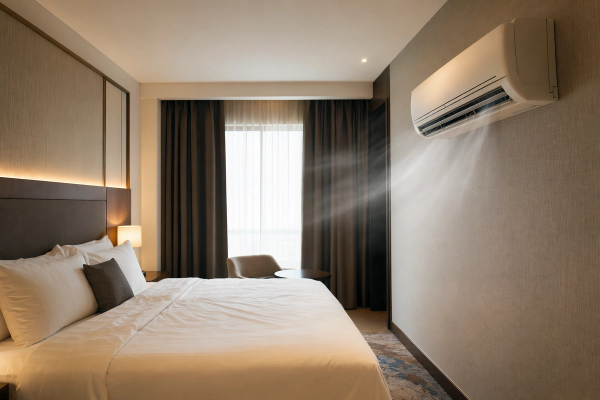
#I skipped the expensive resort thing and stayed in a small apartment-style place near Flic en Flac for part of the trip, and honestly no regrets. It wasn’t ultra glamorous. The towels were just... towels. The decor looked like someone’s cousin had picked it in 2014. But it was clean, walkable to the beach, had a kitchenette, and saved me a lot on food. That kitchen mattered more than I expected because breakfast became super cheap. Tea, bread, fruit, eggs, done.
If you want budget-friendly areas, these are good to look at:
Grand Baie if you want more restaurants, tours, activity and some nightlife.
Flic en Flac if you want a relaxed beach base with easier mid-range and apartment options.
Mahebourg if you want something quieter and often cheaper, especially useful near arrival or departure.
Trou aux Biches and nearby areas if you find a good stay deal and want calmer beaches.
Guesthouses and self-catering apartments are gold for Indian travellers trying to save. Also easier if you want vegetarian meals, chai, or to cook something simple after a long day. Some hosts are very used to Indian guests, so don’t be shy about asking practical stuff like nearest supermarket, bus stop, or whether airport transfer is overpriced.
My 5-day Mauritius budget itinerary for Indians
#This plan is for people who want a little bit of everything without going broke or running around like maniacs. It mixes beaches, local culture, scenic stops, a day tour, and some food experiences. You can tweak it depending on where you stay, but overall this route makes sense and keeps transport manageable.
Day 1: Land, settle in, beach walk, and don’t overplan
#The first day, just chill a bit. Mauritius looks small on the map but the airport transfer can take time depending on where you stay. If you land and immediately start some hyper-packed sightseeing plan, you’ll get tired fast. I reached, checked in, dumped my bags, took a shower, and headed out for an evening beach walk. Best decision.
If you’re staying in Flic en Flac or Grand Baie, keep Day 1 light. Walk the beach, find a supermarket, buy water, snacks, fruit, maybe instant noodles if you’re trying to save money. This sounds unromantic but practical is practical. Then have dinner at a local restaurant instead of a hotel one.
Food tip from day one, try dhal puri or farata from local stalls if you spot them. Mauritius has this lovely mix of Indian, Creole, Chinese and French influences, and the street food scene has familiar-but-different flavours. Dhal puri there became one of my comfort foods. Cheap, filling, tasty. Perfect.
Approx budget for Day 1 if you don’t go crazy:
Airport transfer shared or pre-booked: moderate
Dinner local: budget-friendly
Beach sunset: free and, no joke, one of the nicest parts of the trip
Day 2: North Mauritius - Grand Baie, Cap Malheureux, public beach time
#On day two I’d strongly suggest doing the north side. It’s easy, scenic, and gives you that classic Mauritius feeling quickly. Start with Grand Baie. It’s lively, touristy in parts, yes, but useful. Cafes, shops, boat tours, beach views, money exchange, all there. Don’t spend your whole morning shopping though unless that’s your thing.
From there go to Cap Malheureux, which has that famous red-roof church facing the sea. Usually these super-photographed places disappoint me a bit in real life, but this one was actually peaceful and very pretty. The view with the water and little boats, uff. Nice spot to slow down.
After that, hit a public beach. Mont Choisy is a good option if you want a long beach stretch and a laid-back vibe. Trou aux Biches is also beautiful and more postcard-ish. You don’t need a private resort beach to enjoy Mauritius, seriously. Public beaches are one of the biggest budget blessings on the island.
If you’re using local buses, start early because they’re affordable but not always super fast. If you’re 2 to 4 people, splitting a taxi for the day can make sense. Some drivers offer half-day or full-day rates. Negotiate politely before getting in, not after. Learned that the normal way... which means slightly the hard way.
What I spent more than expected on? Cold drinks and random snacks near beach zones. Tiny costs add up, yaar.
Day 3: South and southwest - nature, viewpoints, and the part of Mauritius that surprised me most
#This was maybe my fav day. A lot of first-time travellers focus only on beaches, but the south and southwest side of Mauritius has drama. Green hills, winding roads, viewpoints, coloured earth, cliffs, and a different mood altogether.
A budget-friendly way is to join a shared south island tour. Usually these cover places like Trou aux Cerfs crater, Grand Bassin, Black River Gorges viewpoints, Chamarel Seven Colored Earth, and sometimes the Chamarel waterfall or a rum distillery stop. If you can get a shared group deal, it often works out cheaper than arranging point-to-point taxis all day.
Grand Bassin hit me in a strangely emotional way because as an Indian traveller, you feel the cultural link instantly. The temple atmosphere, the giant Shiva statue, the offerings, the familiar devotional energy in the middle of an island in the Indian Ocean... it’s kind of beautiful. Not in a dramatic tourist way. More quiet. More grounding.
Chamarel is touristy, yes, but still worth seeing at least once. The coloured earth is one of those natural weirdness spots where you stand there going, okay wow, nature really had free time here.
If you’re trying to save money, carry snacks and water for this day. Scenic areas often mean fewer cheap food options right when you want them. And wear proper shoes. I saw people showing up in slippery sandals and then doing that awkward careful-walk thing at viewpoints.
Day 4: Ile aux Cerfs or a cheaper lagoon day depending on your budget mood
#Okay, let’s talk honestly about Ile aux Cerfs. It’s famous, gorgeous in photos, and yes the water is very pretty. But it can also become one of the more expensive days if you pile on speedboats, parasailing, lunch add-ons, and every water activity known to mankind. So what should you do?
If this is your first Mauritius trip and you really want the island day experience, go for a shared boat package after comparing rates carefully. East coast lagoon trips can include transfers, boat ride, barbecue lunch, waterfall stop, and time on the island. Packages vary a lot, so compare what’s included. Some “cheap” ones leave out transfer, drinks, or taxes and then suddenly are not cheap.
My real opinion? It was lovely, but if your budget is tight-tight, you can skip the fancy extras and still have an amazing beach day elsewhere. Some public beaches on the mainland are stunning enough. Blue Bay, for example, is beautiful and often loved for calm water and snorkeling vibes. If you stay near Mahebourg for a night, this side can be done more economically.
So Day 4 can go in two ways:
1. Shared Ile aux Cerfs excursion if this is your big splurge day.
2. DIY lagoon day with bus/taxi + beach time + local lunch if you’re saving money.
Neither choice is wrong. Don’t let the internet guilt you into expensive happiness.
Day 5: Port Louis, local market, souvenirs, and the final meal that ties the trip together
#Your last day should be a little local. Port Louis is not the dreamy beach side of Mauritius, but it adds context. Go to the Central Market if you enjoy markets, snacks, spices, random bargaining energy, and seeing a place beyond resort aesthetics. I loved this bit because the island started feeling more real there. Messier, busier, more everyday.
You can also check out the Caudan Waterfront if you want something cleaner and more polished for a final stroll, but for budget shopping I preferred local market areas more. Pick up vanilla tea, model ships if you have money, local snacks, spices, fridge magnets, all the classic nonsense we travellers buy and then defend as “memories”.
Food-wise, use the last day to eat properly. Try more Mauritian street food or a local restaurant serving Creole-influenced dishes. Vegetarians can manage pretty well with rotis, rice, curries, noodles, chutneys, and Indo-Mauritian options. Non-veg travellers will find seafood and grilled dishes easily too.
Then head to the airport with time in hand. Mauritius airport procedures aren’t terrifying, but island traffic and transfer timing should never be treated casually on departure day. You do not want your final memory to be stress-sweating in a cab.
How much a 5-day Mauritius trip can cost from India if you do it smart
#This is the section everyone scrolls for, no shame. Costs change with season, flight city, and how early you book, but roughly speaking, here’s the practical picture.
A budget-conscious 5-day Mauritius trip from India could look something like this:
Flights: the biggest variable, often the make-or-break part
Stay for 4 nights in budget guesthouse/apartment: manageable if booked early
Food: quite reasonable if mostly local, much higher if hotel-heavy
Transport: low with buses, moderate with taxis, efficient with shared tours
Activities: depends on whether you do one major excursion or many
If you find flight deals and share accommodation or travel with a friend, the total can come down nicely. Solo travellers usually pay more because room and taxi costs aren’t split. Couples can do much better value-wise.
One thing I’d recommend: don’t prebook every single activity from India through flashy package websites unless the price is genuinely good. Sometimes local operators or your host can suggest cheaper shared tours. Compare, ask, then book. But also don’t wait till the absolute last second in peak season because then choices shrink. It’s this annoying balance.
| Expense | Budget Range for 5 Days | Notes |
|---|---|---|
| Flights from India | Varies a lot by city and season | Book early, compare dates |
| Stay | MUR 1,500-3,500 per night budget | Guesthouses and apartments save money |
| Meals | Low to moderate | Street food and local eateries are best value |
| Local transport | Low by bus, moderate by taxi | Shared tours often save time |
| One major day tour | Moderate | South tour or Ile aux Cerfs-type day |
| Souvenirs and extras | Flexible | This is where budgets quietly break |
Food in Mauritius if you’re Indian and slightly worried about taste, spice, or veg options
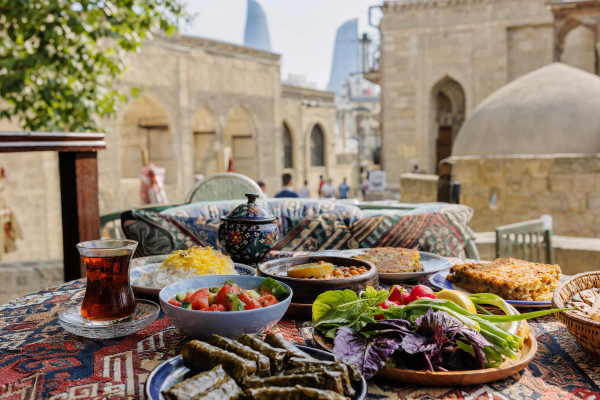
#You’ll be fine. Better than fine, actually. Mauritius food has enough overlap and comfort points that Indian travellers settle in pretty quickly. Not everything is spicy the way we expect, but flavour is there. You’ll find dhal puri, farata, boulettes, fried noodles, curries, rice meals, chutneys, gateaux piments, and lots of little local snacks.
For vegetarians, I honestly found it easier than I thought. Not every menu screams “veg paradise”, but between Indian influence and self-catering options, it’s manageable. If you’re very strict Jain or have detailed food restrictions, then stay somewhere with a kitchen and maybe carry a few ready-to-eat backups from India. No shame in that. Sometimes a cup noodle at night saves both money and mood.
If you eat seafood, this island is fun. If you only want Indian food every day, yes you’ll find some, especially around tourist areas, but I’d say at least try the local stuff. That’s half the point of going.
Transport tips that saved me money... and one mistake you should not copy
#Mauritius public buses are super useful for budget travellers, especially in populated routes. They’re cheap, and for some journeys they’re perfectly fine. But they are not ideal if you’re trying to do five scenic stops with beach bags and zero patience. For that, shared tours or day taxis work better.
Scooter rental sounds fun in theory, but only do it if you’re confident and comfortable with local driving conditions. Car rental can be worth it for couples or families, though remember they drive on the left, which is easier for Indians than for many others. Roads are mostly decent, but mountain and coastal routes need attention.
My mistake? I once assumed I’d “just get a taxi later” from a quieter area without confirming return options. Bad idea. Not a total disaster, but enough hassle to become one of those smug travel lessons I now give to others. If you’re heading somewhere less busy, ask about return transport in advance.
Mauritius is one of those rare places where a budget trip doesn’t have to feel like a compromise all the time. If you pick the right base, eat local, and use public beaches, you still get the wow factor.
A few current travel notes, safety bits, and things people don’t tell you enough
#Tourism in Mauritius stays strong because it works for different kinds of travellers, and Indian visitors are definitely a big part of the mix now. You’ll notice more guesthouses, apartment rentals, shared excursion options, and flexible stays than the old image of “only luxury island honeymoon” suggests. That’s good news for budget planning.
For safety, I’d still say Mauritius felt calmer than many tourist-heavy destinations I’ve been to. Petty theft can happen, so don’t be careless. Keep beach belongings minimal. Don’t leave passports lying around in your room. If doing water sports, choose licensed operators and don’t cheap out to a suspicious level, because budget travel is not supposed to become reckless travel.
Tap water opinions are mixed depending on where you stay, so I usually stuck to bottled or filtered water. Sun is stronger than you think. Use sunscreen, wear a cap, and don’t assume cloud cover means no tanning. Also, shops in some places may close earlier than you expect, especially outside the most touristy strips, so buy essentials before late evening.
And yeah, if you’re planning a trip around 2026 or even just saving this for later, the basic advice still stands because the island’s biggest money traps and money-saving hacks don’t change that fast.
Would I recommend Mauritius over Maldives, Thailand, or Bali for Indians on a budget?
#This is tricky. Purely on budget, Thailand often wins. For backpacker ease and cheap hostels, Bali can feel simpler. For luxury water villas, Maldives is its own category. But Mauritius has something else. It feels gentler. Cleaner. More multicultural in a way that Indian travellers often connect with instantly. It’s tropical, yes, but not chaotic. And because there’s this Indo-Mauritian cultural layer, I felt weirdly at home at times.
Would I say it’s the cheapest island break possible? Nah. Not really. Flights can sting. Taxis can sting more. But if you balance those with affordable stays, local food, public beaches, one or two paid tours instead of five, then Mauritius becomes very doable. And very worth it.
Honestly, I went expecting beauty. I didn’t expect comfort. That part stayed with me.
Final thoughts from one Indian traveller to another
#If you’ve been putting off Mauritius because you think it’s only for honeymooners with giant budgets, I’d say reconsider. Go smart, not flashy. Pick one coast as your base. Don’t hotel-hop too much in just 5 days. Eat local. Use buses sometimes. Take one scenic island tour. Keep one lazy beach evening with no agenda. Those simple choices made the whole trip feel richer, not cheaper.
My version of Mauritius wasn’t all luxury breakfasts and private catamarans. It was supermarket juice in a rented apartment, sandy slippers, too many beach photos, bargaining over tour rates, a temple visit that made me unexpectedly emotional, and street food eaten while staring at water so blue it looked edited. That’s a pretty solid trip in my book.
If you’re planning soon, make your bookings early, check entry rules and airline baggage properly, and leave some room in the itinerary for doing absolutely nothing. This island is good at that. It slows you down a bit. In a nice way.
Anyway, hope this helped and didn’t sound too preachy. If you like travel guides written in a more normal human way, have a look at AllBlogs.in too, there’s some genuinely useful stuff there.