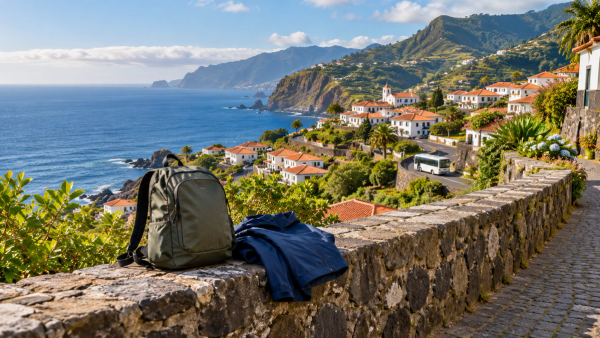
So, I finally did it. Packed my tiny office-in-a-backpack, told my Indian parents “haan haan, I’ll work from there only”, and went off to Japan to try this digital nomad life properly. Not just 7–10 days tourist style, but actually staying, working, figuring out Wi‑Fi, lunches, monthly expenses, all that real stuff.
If you’re an Indian remote worker dreaming of Japan – anime, ramen, bullet trains, all that – but also stressing about visa rules, budget, where to base yourself… this is literally for you. I’ll mix my own experience with actual practical info, so it’s not just yaar, Japan is so nice and then nothing useful.
First things first: can Indians actually work remotely from Japan legally?
#Short answer: yes, but also no, but also depends. Welcome to immigration.
Japan recently started talking more seriously about digital nomads, and there is a new-ish digital nomad visa framework that’s rolling out for certain countries with higher income requirements. For Indians, it’s still a bit grey. Most Indian nomads I met were using one of these options:
- Short-term tourist visa (single or multiple entry) and just working remotely for foreign clients
- Business visa if they had meetings/partners in Japan
- Student or work visa if they were actually enrolled or employed there
Tourist visa is the most common reality for us right now. Technically, you’re not supposed to work for Japanese clients on that, but if your income is coming from outside Japan (Indian company, US clients, freelancing online etc.), most people just quietly work from their laptop. Japan isn’t doing some big laptop police patrol in cafes, chill.
For Indians, tourist visas usually give up to 15 or 30 days, sometimes 90 if you’re lucky and have strong travel history and financials. A few friends got multiple-entry visas for 1–3 years but each stay still limited to a short period. So if you’re thinking full one-year stay like Bali style nomad… Japan is not there yet for us, honestly.
Tip from my last application: keep your bank statement healthy (like show 2–3 lakh minimum, more is better), clear employer letter if you’re salaried, and a simple but detailed itinerary. I literally wrote a day-by-day plan that I obviously didn’t follow exactly, but it looks nice for the consulate.
Is Japan safe for Indian digital nomads right now?
#I’ll be real – Japan is one of the safest places I’ve ever lived in, and I grew up in a typical Indian city where my mom calls if I don’t message by 9 pm.
You can walk at 1 am with your laptop bag and nobody cares. I’ve seen people leave MacBooks on tables in Starbucks, go to the washroom, come back… laptop still there, no drama. There’s CCTV everywhere, people are generally super honest, and violent crime is extremely low.
Recent travel updates wise, borders are open again, masks are less strict now but still quite common in trains and crowded spaces, especially in flu season. Quarantine rules and testing stuff that was happening during the pandemic has mostly gone. Just check once on the official Japan immigration and Indian embassy site before you book, things change quietly sometimes.
Natural disasters though – that’s the one thing to keep in mind. Earthquakes happen. Most are small, but you’ll feel at least one tiny shake if you’re staying a month or more. Download the local emergency apps, learn what to do, and avoid super old buildings if possible. I had one night where the whole hotel gently wobbled and my Google Meet froze with me making some weird face… fun times.
How expensive is Japan actually? (In rupees, yaar, be honest)
#Everybody in India keeps saying, “Japan is sooo expensive bro, go Thailand instead.” It’s not cheap, I won’t lie, but it’s not London-level insane if you plan decently and don’t behave like full-time tourist every day.
Rough monthly costs I personally experienced as a remote worker, converting from yen to INR (rates keep moving but roughly):
- Accommodation (long-stay hostel / guesthouse / share house): ₹45,000 – ₹80,000 per month depending on city and room type
- Food (mix of convenience store meals, cooking, and eating out sometimes): ₹30,000 – ₹50,000 per month
- Transport (local trains, metro, buses in one city): around ₹6,000 – ₹12,000 per month
- Co-working or café work budget: ₹6,000 – ₹15,000 per month depending where you sit and how much coffee you drink
- SIM / eSIM and Wi‑Fi stuff: ₹1,500 – ₹3,000 per month
Tourist-style spending with daily sightseeing and shopping will easily double this. But if you’re actually working most weekdays like normal, hanging around one base city, it’s manageable – especially if your income is in dollars or euros. If you’re earning in INR only, you’ll feel the pinch more, not gonna lie.
Biggest hack for saving money as a nomad in Japan: stop eating at restaurants three times a day. The convenience stores (konbini) like 7‑Eleven, Lawson, Family Mart are life. You can get solid bento boxes, onigiri, salads, coffee, even hot meals – good quality and affordable. I survived many late work nights purely on Family Mart karaage and cold coffee.
Best time to go (for work + exploring, not just Insta reels)
#Everyone in India is obsessed with cherry blossom season and honestly, I get it. Sakura is really that pretty. But from a digital nomad perspective, you don’t want only beauty, you want decent weather, less crowd, and not crazy hotel prices.
Overall, these windows are sweet for remote work stays:
- March–early April: Cherry blossoms, light jackets weather, very pretty but more expensive and crowded. Book well in advance if you’re coming then.
- Late April–May: Golden Week holidays get super crowded, avoid that specific week if possible. Before and after is quite nice.
- October–November: My favourite. Comfortably cool, autumn leaves are stunning, and prices are more normal than sakura time.
Summer (June–August) can be rough. Humid, hot, and you’ll be sweating through your T‑shirt in 2 minutes, plus rainy season and the occasional typhoon. Winter is magical if you like snow and onsen, but it’s colder than what most of us from Mumbai/Chennai/Hyderabad brains are used to, especially in northern regions.
Where to base yourself: Tokyo vs Osaka vs Kyoto vs the chill smaller cities
#Okay, now the fun part. Cities. I tried a mix: started in Tokyo, then Osaka, then a few days in Kyoto, plus a side trip to Fukuoka. Each city has very different vibes, and as an Indian remote worker, some honestly feel more livable than others.
Tokyo – overhyped or perfect?
#Tokyo is chaos in a very organized way. If you love big city energy, you’ll probably fall in love. For nomads, it’s got:
- Endless cafés with good Wi‑Fi (Shibuya, Shinjuku, Shimokitazawa, Kichijoji, etc.)
- Lots of co-working spaces, from big chains to tiny indie spots
- Every possible cuisine – yes, even Indian food when you miss dal
Rent wise, Tokyo is obviously on the higher side. A decent private room in a share house or long-stay hostel in a decent area might be ₹60,000–₹90,000 per month. If you’re okay with a smaller room or staying slightly away from the main crazy zones, it becomes more affordable.
My normal weekday looked like: morning calls from my tiny room, then working a few hours in a 24‑hour café around Shibuya, quick lunch at konbini, then evening walk to some random neighbourhood shrine or park just to feel like I’m in an anime. The train network is insane but once you get used to Suica/Pasmo cards and signs, it’s smooth.
Osaka – if Tokyo and Delhi had a fun cousin
#Osaka surprised me. It felt cheaper, more relaxed, and the people had this casual friendliness. It’s known as Japan’s “kitchen”, so food is a big deal here – takoyaki, okonomiyaki, all the deep fried happiness. As a digital nomad, I felt less rushed compared to Tokyo.
Accommodation was slightly cheaper for similar quality. I paid less for a better room in Osaka than in Tokyo. Co-working spaces exist, but I honestly used more cafés and my accommodation lounge area here.
For Indians, the vibe is closer to home in a weird way – people talk louder, laugh more openly, the energy is more masti. If you want that balance of big city but still chill enough to focus on work, Osaka is gold.
Kyoto – dreamy but not always practical for work
#Kyoto is that city where you’ll take too many photos and not finish your tasks. Old streets, wooden houses, temples everywhere. It’s beautiful, no doubt. But as a base for longer remote work, I personally found it a bit too touristy in the central areas, especially during peak seasons.
Wi‑Fi is fine, co-working spaces exist, and some guesthouses are really nomad-friendly. But I mentally felt more like I’m on holiday and less like I’m in work mode. So my suggestion: use Kyoto as a 4–7 day break between work intense weeks in Osaka or Tokyo.
Fukuoka and smaller cities – low key gems
#If you’re okay being away from the usual tourist circuit, places like Fukuoka, Sapporo, Nagoya, or even smaller coastal towns are becoming quietly popular among longer-stay foreigners. Fukuoka especially is known for its startup and tech scene, good food (Hakata ramen!), and a slower pace.
Rents and food can be cheaper than Tokyo, and there’s less English everywhere, which is scary at first but also kind of nice. You start picking up basic Japanese faster. I stayed in Fukuoka for just a short bit but I met a couple of long-term nomads there who were absolutely in love with the city.
Staying connected: Wi‑Fi, SIM cards, and not crying on Zoom calls
#Work wise, I was paranoid about internet before going. But honestly, Japan is one of the easiest countries for stable connection.
- Most Airbnbs, guesthouses, and share houses come with solid high-speed Wi‑Fi
- Cafés like Starbucks, Doutor, and many local chains have free Wi‑Fi and don’t kick you out fast as long as you order something
- Co-working spaces are everywhere in big cities, with good chairs and quiet zones
For mobile data, I used an eSIM the first time (ordered online before flying) and later tried a physical tourist SIM from the airport. Both were fine. Expect around 20–40 GB plans for roughly ₹1,500–₹2,500 a month. That’s enough for maps, messages, and backup hotspot when Wi‑Fi dies.
One thing though – Japanese cafés are quiet. Like, library quiet sometimes. So if you’re that person who does loud calls and laughs during meetings, maybe use your room or a co-working phone booth. I learnt that the hard way when one obaasan gave me a soft but deadly look.
Food as an Indian in Japan – veg struggle and hidden wins
#Okay, food talk. I’m non-veg, so Japan was heaven for me. Sushi, ramen, karaage, udon, curry rice… I was living my best life. But a lot of Indian friends who are vegetarian had a tougher time.
Japan uses fish broth in so many things that look vegetarian. Miso soup, many noodle dishes, even some sauces. So if you’re strict veg or Jain, it becomes tricky. Bigger cities like Tokyo and Osaka have specific vegetarian/vegan restaurants now, and I’ve seen more plant-based options pop up recently, but still, it’s not like Bangalore where every second place has veg thali.
Some hacks that helped:
- Look for Indian restaurants – they usually understand veg very clearly and you can get dal, sabzi, roti. Bit pricey though.
- Konbini salads, rice balls with ume/seaweed, plain onigiri, and bakery items work as backup.
- If your stay has a kitchen, cooking your own basic Indian food sometimes really saves you, mentally and financially.
One evening in Osaka, I was totally done with Japanese food (blasphemy, I know). I hunted down this tiny Indian place near Namba. The dal tadka tasted like home, slightly more buttery but close enough that I almost got emotional over my naan. Happens.
Culture shock & small things nobody tells you
#Some random things I wish someone had told me before I landed with my big backpack and bigger confidence:
- Cash is still used, though cards and IC cards (Suica/Pasmo) are more common now. Keep some yen on you, especially in smaller shops.
- Public transport is punctual like a Swiss watch. If your train is 09:07, it’s 09:07, not 09:15 Indian Stretchable Time.
- People queue for everything, from trains to lifts, and it’s super orderly. Just follow the lines on the floor.
- Tipping is not a thing. Don’t awkwardly leave coins on the table.
- Trash separation rules can be confusing – burnable, non-burnable, PET bottles, etc. Read your accommodation instructions properly or your host will low-key hate you.
As an Indian, I also noticed how quiet public spaces are. Nobody is yelling on the phone, fighting with autowala, or playing loud music in trains. Initially I felt like I’m being too loud all the time, then slowly you just adapt and start whispering like a ninja.
So… is Japan worth it as a digital nomad from India?
#Honestly? Yes. A big, slightly expensive, sometimes confusing yes.
If you want a base where everything is super cheap and visas are easy for long stays, Japan is not your first option. Southeast Asia still wins there. But if you want a place where you can grind on your laptop, then step out into a completely different world of neon streets, temples, vending machines, manga shops, mountain day trips… Japan hits different.
The new digital nomad conversations and policy experiments happening there give me hope that longer stays will become easier in the coming years. But even right now, doing 3–4 week workations or repeating short trips a couple of times a year is totally doable if your budget and job allow.
If you’re sitting in Bangalore, Pune, Gurgaon, wherever, staring at your laptop and dreaming of working from a Tokyo café or an Osaka side street – start planning. Check your visa options, calculate your monthly budget honestly (no self-cheating), choose one base city, and go for it.
And ya, if you want more real, slightly messy, human travel stories and guides like this, keep an eye on AllBlogs.in – I keep going back there myself whenever I’m plotting my next escape.