If you’d asked me a few years back to name India’s next big wellness place, I probably would’ve said Rishikesh without even thinking. Maybe Auroville on a moody day. But after spending real time in Gokarna, not just a rushed beach stop but actually slowing down there, I kinda get why people are calling it a wellness hub now. And honestly, it makes sense in a very Indian, unpolished, slightly chaotic way. Gokarna isn’t trying too hard. That’s the whole point. It has temples, beach treks, yoga shalas, Ayurvedic massages, sattvic cafés, proper South Indian food, budget stays, fancy wellness resorts, and that weird magic where your phone is in your hand but your mind slowly stops wanting it. Trust me, that doesn’t happen easily with me.
What hit me first was that Gokarna doesn’t feel like a packaged ‘healing destination’ built for Instagram. It still feels like a coastal temple town in Karnataka that just happened to grow around people looking for rest. You see pilgrims heading to Mahabaleshwar Temple, backpackers walking around in loose cotton pants, Bengaluru folks on a weekend detox, solo women travellers reading quietly in cafés, and aunties bargaining for shells near the beach road. That mix is what makes it work. It’s not one-note. It’s spiritual without being preachy, touristy but not fully gone, and relaxed in a way that sneaks up on you.
Why Gokarna works so well for wellness, and not just as a beach holiday
#A lot of places claim to be about wellness when they basically mean expensive rooms, cucumber water, and a yoga mat in the corner. Gokarna is different because the setting itself does half the work. The air is salty, mornings are slower, and there are enough quiet pockets to genuinely switch off. The beach belt around Kudle, Om Beach, Half Moon and Paradise still gives you that barefoot-living feeling, especially if you go early morning before the crowds start floating in. Add to that simple vegetarian food, fresh seafood if you want it, massage centres, meditation spaces, and a growing number of retreats focused on yoga, breathwork, sound healing and Ayurveda. It all comes together pretty naturally.
- The beach-to-beach trek itself feels therapeutic, no joke. Walking from Kudle to Om and further on, with the sea on one side and rocky paths on the other, does something to your head.
- Sunrise and sunset culture is huge here. People actually show up for it, sit quietly, stretch, journal, sip chai... not every place has that energy.
- There’s a proper spiritual backbone because Gokarna is an old pilgrimage town, not a made-up retreat zone.
- You can do wellness on almost any budget, which is rare now. That matters a lot for Indian travellers.
My first proper morning there changed the mood of the whole trip
#I stayed first near Kudle Beach in a simple guesthouse, the kind with slightly stubborn taps and a balcony that looked better in the morning than in the photos. I woke up early by accident because of temple bells somewhere in the distance and the sound of crows doing their usual dramatic nonsense. Walked down with sleepy eyes, had one cutting-chai style tea from a shack, and sat on the sand while a yoga class was happening a little ahead. Nobody was forcing a vibe. That’s what I liked. Some people stretched, some swam, some just stared at the sea. Me, I did absolutely nothing for like forty minutes and felt weirdly better for it. Maybe that sounds cheesy but ya, it happened.
Later that same day I did an Ayurvedic massage from a small centre recommended by a local auto driver, and before you roll your eyes, no, not every random recommendation is a good one, but this one was. It wasn’t super luxurious. Clean, simple, calm. The therapist was professional, asked if I had any pain points, and used warm herbal oil that smelled so strong it stayed in my brain the whole evening. I came out feeling half-sleepy, half-restarted. That was when it clicked for me that Gokarna’s wellness scene is not only about retreat brochures. It’s also in these smaller, affordable experiences that regular travellers can actually afford.
Best time to visit if you actually want peace, good weather, and not just selfies
#The most comfortable months are usually from October to March. Post-monsoon is lovely because everything looks washed and green, the heat is manageable, and the sea views are amazing. December and long weekends get crowded though, especially with travellers from Karnataka, Goa, Maharashtra and big city folks escaping office life. If you want wellness in the real sense, not just crowd-hopping, then late October, November, February and early March are sweet spots. Good weather, less madness.
Monsoon has its own beauty, no doubt. Gokarna in rain looks cinematic and moody and all that. But beach trekking can get slippery, sea conditions can be rough, and many shacks or seasonal stays don’t operate fully. Summer is doable if you’re used to coastal heat, but afternoons can feel brutal. Like, proper sweaty. So if your plan is yoga, walks, cafés and healing-your-life energy, avoid peak heat unless you really know what you’re signing up for.
How to reach Gokarna now, plus the practical stuff nobody tells you properly
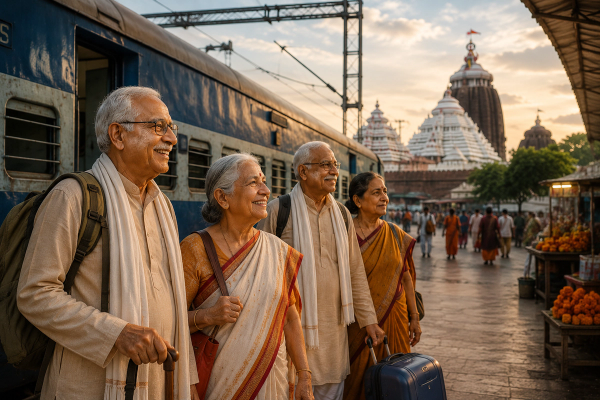
#Most Indian travellers come via train, bus, self-drive or a combo of flight plus road. Gokarna has railway connectivity through Gokarna Road station, but don’t assume it drops you right into the beach area. It’s outside town, so you’ll still need an auto or taxi. Ankola and Kumta are nearby options too depending on your route. If you’re flying, Goa airports are still used by plenty of travellers, and some come via Hubballi or Mangaluru depending on convenience. Overnight buses from Bengaluru are super common and honestly pretty practical if you don’t mind waking up a bit bent in the spine.
- From Bengaluru, buses and self-drive trips are the most common. Road conditions are generally okay on main routes, though final stretches and local roads can be patchy.
- From Goa, it’s an easy add-on if you want a quieter beach extension after the party scene.
- Autos in Gokarna are available, but rates can feel random in tourist areas. Ask before sitting, please. Learnt that the annoying way.
- Scooters are available for rent in and around town, often roughly ₹300 to ₹600 a day depending on season and bike condition.
As for safety, Gokarna is generally considered safe for most travellers, including solo travellers, but common sense still matters. Some beach stretches get dark and isolated at night. During monsoon or high-tide periods, avoid swimming where locals advise against it. If lifeguards or shack owners say don’t enter, just don’t act like a hero. Network can be patchy in some beachside pockets, and digital payments work in many places now, but carrying some cash is still smart, espescially for autos, smaller cafés, local shops and temple-area purchases.
Where to stay, depending on your budget and what kind of trip you want
#This is where Gokarna really wins. You can stay cheap, mid-range, or go full wellness luxury. Around Kudle and Om Beach, you’ll find basic huts, hostels, guesthouses and boutique stays. In town, there are simpler lodges useful if your focus is temple visits and local life. Then there are upscale beach resorts and wellness-focused properties a little outside the busiest parts, where people go for yoga retreats, detox plans, massages and proper switch-off time.
| Stay Type | Typical Price Range | What It’s Like |
|---|---|---|
| Hostels / basic dorms | ₹500–₹1,200 | Good for solo travellers, backpackers, short stays |
| Budget guesthouses / beach huts | ₹1,000–₹2,500 | Simple, decent, often near Kudle or Om |
| Mid-range hotels / cottages | ₹2,500–₹6,000 | Better comfort, AC, sometimes sea view |
| Boutique stays / wellness resorts | ₹6,000–₹15,000+ | Yoga, spa, curated meals, quieter vibe |
One thing though, and this is important, not all beach stays are equal. Some look dreamy online and then the bathroom situation tells a different story. Read recent reviews, especially for cleanliness, backup power, water supply, and whether the place is actually walkable with luggage. Gokarna has many steps, slopes and sandy access points. Cute in photos, not cute when you’re dragging a suitcase in humidity.
The food scene is a huge part of the healing, even if that sounds dramatic
#I know wellness blogs love talking only about herbal teas and fruit bowls, but in Gokarna the food story is broader than that. Yes, there are cafés serving smoothie bowls, vegan pancakes, kombucha, sattvic thalis and all the beach-town healthy stuff. But there’s also proper South Indian breakfast, neer dosa, idli-vada, local meals, strong filter coffee, and fresh seafood if you eat non-veg. Some of my fav meals were not in the most aesthetic places at all. One tiny place near town gave me hot rice, sambar, vegetable palya and curd that somehow fixed my mood more than any fancy detox drink.
If you’re doing yoga or retreat-style days, lighter food is easy to find. Many cafés around Kudle and Om now cater to gluten-free, vegan and organic preferences, because demand has grown a lot. But please don’t come all the way and only eat imported-style granola. Have local food too. It’s fresher, cheaper, and honestly more grounding. Also, carry electrolytes if you’re walking beaches in the sun. Coconut water helps, but sometimes you need actual salts and not just vibes.
What wellness in Gokarna actually looks like on the ground
#This part is important because people imagine some perfect retreat version of the town. Real Gokarna wellness is more mix-and-match. You might do sunrise yoga in a shala, then eat benne dosa, then attend a sound healing circle in the evening, then accidentally end up in a noisy café hearing old Bollywood songs. There are structured retreats, yes, including multi-day yoga teacher trainings, meditation stays, Ayurvedic programs and digital detox packages. But many people are basically creating their own version of wellness here. Sleep better. Walk more. Eat slower. Sit by the sea. Talk less. Read. Stretch. Repeat. That’s enough sometimes.
- Yoga classes are offered in many stays and independent studios, especially in season. Drop-in sessions can range from around ₹300 to ₹800.
- Ayurvedic massages and therapies vary widely, often from ₹1,200 for simpler sessions to several thousand at upscale resorts.
- Group circles like breathwork, cacao, ecstatic dance or sound baths pop up seasonally, more during peak travel months.
- Beach trekking is free wellness, basically. Best done early morning or late afternoon.
Btw, if your idea of wellness includes complete silence, then stay slightly away from the busiest beach café zones. Gokarna can still be social and lively, especially around Om Beach and on weekends. It’s peaceful, yes, but not always silent. Important difference.
Places beyond the obvious that made the trip feel fuller
#Most people do the famous beaches and stop there. Big mistake. The temple town side of Gokarna matters. Walking through the older lanes near Mahabaleshwar Temple gives context to the place. Dress respectfully there, obviously. It’s an active religious area, not a backdrop. The vibe shifts completely from the beach side and that contrast is kind of the soul of Gokarna. Then there’s Koti Teertha, which feels especially calm in the mornings, and smaller cliff points where you can just sit without making it a whole content-production exercise.
A local guy also told me to not rush the beach trek like a challenge. He was right. Stop at viewpoints. Watch fishermen. Drink lime soda. Let the place do its thing. If you have extra time, nearby quieter stretches and village roads give you a more grounded feel of coastal Karnataka beyond the traveller bubble. That’s where Gokarna starts feeling less like a destination and more like a mood... okay that sounded filmi, but you know what I mean.
A few honest tips, because I made some dumb mistakes
#- Don’t overpack fancy clothes. Loose cotton, decent footwear, one modest outfit for temple visits, done.
- Carry cash along with UPI. Most places accept digital payment now, but small vendors and patchy networks can mess up your plan.
- Start beach treks early. Midday heat is no joke and there’s less shade than you think.
- If you’re booking a wellness retreat, check what’s actually included. Some packages look cheap until meals, therapies and classes are all extra.
- Respect the place. Gokarna is not just a beach party spillover from Goa. It’s a temple town first, and locals do notice behaviour.
Also, sea safety. I’m repeating it because people get weirdly casual near pretty beaches. Some currents are stronger than they look. Swim where it seems active and allowed, and avoid isolated late-night dips. No beach photo is worth becoming a cautionary WhatsApp forward from your family group.
So, is Gokarna really India’s wellness hub?
#I think yes, but not in the polished, one-size-fits-all way people usually market these things. Gokarna works because it gives you multiple doors into wellness. Spiritual if you want that. Physical if you want trekking and swimming. Mental if you need stillness. Social if you want community classes and café chats. Affordable if your budget is tight. Premium if you want retreat luxury. And all of it still feels rooted in an actual Indian coastal town instead of a fully manufactured escape.
Maybe that’s why it’s having such a strong moment in the wider Glowmad Travel 2026 conversation. People are tired, overstimulated, burnt out, and they don’t always want some impossible luxury detox. They want somewhere real. Somewhere healing but not fake-healing. Gokarna gives that, a little unevenly maybe, a little noisily on some days, but genuinely. I left with sand in my bag, oil in my hair, and a calmer head than I arrived with. For me, that counts.
If you’re planning a trip, give it at least 3 to 5 days. More if you can. Don’t try to conquer it. Let it unfold slowly. That’s the trick, I think. And if you like this kind of honest, slightly messy travel writing, you’ll probably enjoy browsing more stories on AllBlogs.in.