If you’ve travelled in India during monsoon, you already know this season is not just “carry an umbrella and chill.” Nope. It’s wet socks in Mumbai local stations, foggy roads in the hills, surprise leaks in budget hotel rooms, damp backpacks in Kerala, and that weird moment when the sun comes out for 20 minutes and you think wow, sorted... then it pours like mad again. I’ve done enough rainy-season trips across Goa, Konkan, Lonavala, Udaipur, Coorg, and bits of Himachal to say this with confidence: your monsoon packing list can make or break the trip. Not even exaggerating.
And honestly, monsoon in India is beautiful in a very filmi way. Green hills, chai tastes better, waterfalls suddenly appear where there was just rock before, and train rides feel kind of dreamy. But it also comes with fungus-smelling shoes, delayed buses, power cuts in some places, muddy streets, slippery steps, and phones dying at the worst possible time. So this blog is my very practical, slightly hard-earned checklist of what to pack for India trips in the rainy season. A mix of what locals actually carry, what I wish I had packed sooner, and what you can skip.
First, know what monsoon travel in India really feels like
#Monsoon usually hits different parts of India at different times, but broadly June to September is the main rainy travel window, with some places getting pre-monsoon showers and some hanging on into October. West Coast regions like Kerala, Goa, coastal Karnataka, Konkan side of Maharashtra get heavy rain. Northeast too, obviously. Hill stations become gorgeous but also risky because of landslides and road closures. Cities like Mumbai, Pune, Bengaluru, Chennai, Kolkata, Delhi all behave differently in rain, and that matters while packing.
Latest travel-wise, most destinations are open and monsoon tourism is actually a thing now, not just an off-season compromise. Hotels in Goa, Munnar, Coorg, Mahabaleshwar, Wayanad, Udaipur and even luxury stays around Alibaug or Lonavala often run monsoon offers. Budget rooms can start around ₹1,200 to ₹2,500 in many domestic destinations, mid-range stays often sit around ₹3,000 to ₹7,000, and good resorts can go way higher depending on weekends. But cheap rates don’t always mean easy travel. Delays, waterlogging, and patchy local transport happen. So pack for comfort and uncertainty both.
Monsoon travel in India is less about looking cute in rain pics and more about staying dry enough to enjoy the trip. Big difference, trust me.
My core monsoon packing rule: pack light, but pack smart
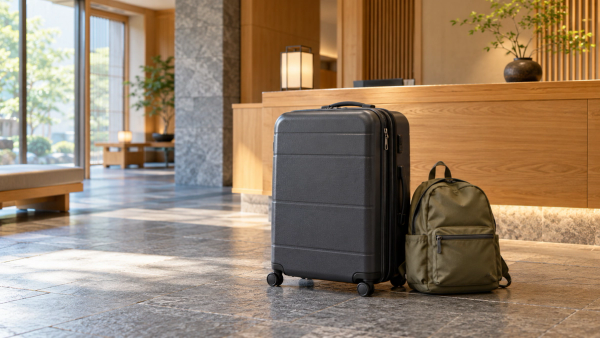
#I made this mistake once in Goa. Carried too many clothes, one denim jacket like an idiot, and fancy sneakers that never properly dried for three whole days. Worst. Since then, I follow one simple rule: fewer items, faster-drying items. You do not need a huge suitcase in monsoon unless it’s a long family trip. A soft backpack or cabin trolley works better than a giant hard case if you’re moving around a lot, especially on uneven roads, station bridges, wet hotel entrances, all that drama.
- Water-resistant backpack or a regular backpack with a proper rain cover
- Small foldable daypack for local sightseeing
- Packing cubes or zip pouches because wet and dry clothes should never mix
- A few plastic or reusable waterproof bags for laundry, muddy slippers, snacks, chargers, random stuff
That last one sounds very middle-class Indian mom advice, and yeah, it is. But moms are right about these things way too often.
Clothes to pack for monsoon trips in India
#This is where people either overpack or pack completely wrong. Monsoon clothes should dry quickly, feel breathable in humidity, and not get heavy when wet. Cotton is comfy, yes, but in nonstop rain and high humidity it can stay damp forever. Blended fabrics, dry-fit tees, light rayon kurtas, easy trousers, that sort of thing works better. For women, quick-dry kurtis, tees, leggings, loose pants, and one light shawl are practical. For men, dri-fit tees, lightweight shirts, joggers, shorts where suitable, and one pair of light track pants usually do the job.
- 2 to 4 quick-dry T-shirts or tops, depending on trip length
- 2 bottoms that won’t drag in mud — ankle-length works better than long flared stuff
- 1 light layer like a thin jacket or overshirt for bus rides, train AC, or chilly hill stations
- Enough innerwear and socks, more than you think you need because drying can be a pain
- Sleepwear that can also survive a surprise late-night room service knock or shared homestay setting
Avoid heavy jeans if you can. I know, I know, we all love one reliable pair of jeans. But in monsoon they become cold, clingy, and impossible to dry. Same with thick hoodies unless you’re going somewhere actually cold. And if you’re heading to temples or conservative areas, keep one modest outfit ready. Rain doesn’t cancel local culture, obviously.
Rain gear: what actually works in India
#Now the umbrella vs raincoat debate. My opinion? Carry both if you can. A compact umbrella is great in cities, market areas, station exits, and when rain is on-and-off. A lightweight raincoat or poncho is better for bike rides, treks, boat points, waterfalls, and places where wind basically laughs at your umbrella. In very heavy rain zones, those ultra-cheap transparent ponchos tear too easily. Decent quality matters here, a little.
- Compact umbrella with sturdy frame, not the flimsy roadside one if you can help it
- Lightweight rain jacket or poncho with hood
- Backpack rain cover
- Optional: rain pants if you’re doing long bike rides or serious outdoor travel
If you’re taking cabs most of the time, umbrella may be enough. If you’re doing local buses, ferries, scooters, walking through bazaar lanes, or climbing viewpoints, get the rain jacket. I once underestimated one “small walk” in Mahabaleshwar and reached the hotel looking like I had fallen in a lake. So yeah.
Footwear can save your entire mood
#This, seriously, is the biggest thing. Bad footwear in monsoon ruins everything. You need grip. You need something that dries fast. And you need one backup pair because sometimes the first one gets soaked, muddy, or starts smelling... let’s be honest. Anti-slip sandals, floaters, waterproof walking sandals, Crocs-type clogs, or quick-dry sports sandals are super useful. Closed waterproof shoes are okay in some cities, but if water enters them, game over.
- One main pair of anti-slip sandals or floaters
- One backup pair of easy slippers
- 2 to 3 pairs of quick-dry or sports socks if wearing shoes
For hill stations and treks, choose trekking shoes only if they genuinely have grip and you know they’re comfortable in wet conditions. Don’t wear brand-new shoes on a rainy trip. India’s monsoon roads are not the place for testing fashion decisions.
Electronics and documents: keep them alive, keep them dry
#Phone protection in monsoon is not optional. Neither is power backup. Rain delays happen, charging points may be awkward in transit, and some remote stays still have occasional outages when weather gets rough. A good power bank, waterproof phone pouch, and charger pouch are basics now. If you work while travelling, add laptop sleeve plus a waterproof outer layer or dry bag. Also, save tickets offline. Network can vanish in ghats, hills, and even some highways.
- Power bank and charging cable in a zip pouch
- Waterproof phone pouch or at least a good ziplock backup
- Universal plug and extension if staying in older properties with limited sockets
- Printed copies or screenshots of bookings, ID, emergency contacts
- Small torch or phone flashlight backup for rural stays or sudden cuts
UPI works almost everywhere now, which is great, but carry some cash. Wet markets, chai stalls, local jeeps, parking spots, small village shops — cash still rescues you. Keep it in a waterproof wallet or sealed pouch. Sounds dramatic till one note turns into papier-mâché.
Health and hygiene items you should not skip
#Rainy season means humidity, mosquitoes, fungal infections, stomach issues from random roadside experiments, and colds from getting drenched then sitting in aggressive AC. I’m not saying don’t enjoy street food. Please do. Just be slightly sensible. Monsoon packing should include a tiny health kit, not a whole pharmacy, but enough to avoid panicking at 11 pm in some small town.
- Basic medicines for fever, cold, acidity, motion sickness, loose motions, pain relief
- Band-aids and antiseptic cream
- Mosquito repellent or patch
- Hand sanitiser and wet wipes
- Tissues or toilet roll, because public washrooms can be... unpredictable
- Small talc or anti-fungal powder if you’re prone to rashes or sweaty feet
Also carry your own water bottle, preferably one that seals properly. In some monsoon routes, shops can be sparse and plastic bottles rolling around in your bag is just asking for trouble. If you have sensitive skin, keep a compact moisturiser too because weirdly, humidity and skin irritation can happen together. Human body is confusing, yaar.
What to pack for different kinds of India monsoon trips
#Not all monsoon trips are the same, and this is where generic packing lists become useless. Goa in rain is different from Spiti shoulder season drizzle, and both are different from a business trip to Mumbai or a train-heavy backpacking route through Kerala.
For city trips like Mumbai, Bengaluru, Kolkata, Pune
#Prioritise compact umbrella, quick-dry clothes, footwear with grip, spare socks, waterproof laptop bag if working, and one extra T-shirt in your day bag. Waterlogging and commute chaos are more likely than wilderness problems here. Metro, cabs, autos, local trains all keep running mostly, but delays happen in intense rain. In Mumbai especially, check IMD alerts and local traffic updates before long cross-city plans.
For hill stations like Munnar, Coorg, Lonavala, Mussoorie, Shillong
#Take a rain jacket, one warmer layer, anti-slip shoes, medicines for motion sickness if roads bother you, and snacks. Fog plus rain can make transport slower. Some viewpoints close temporarily, and landslide-prone stretches may face restrictions in very heavy weather. Homestays are lovely in monsoon, by the way, and usually range from around ₹1,500 to ₹4,000 depending on location and meals.
For beach destinations like Goa, Gokarna, Varkala
#People think less packing is needed here, but carry more dry bags and easier footwear. Swimming may be restricted at many beaches during rough sea conditions, and water sports are often limited in peak monsoon. But the vibe is fantastic, less crowd, lush roads, cheaper stays. Just don’t expect full sunny beach-holiday mode. Expect cosy cafés, stormy skies, seafood, and long wet walks if the rain eases up.
Food, transport, and stay tips that affect what you pack
#This sounds random but hear me out. What you eat, how you move, and where you stay all influence your bag. In monsoon, local trains and buses can be delayed, roads may take longer, and app cabs surge in major cities during downpours. If you’re self-driving, keep a small towel in the car, charger, and spare footwear. If you’re doing train journeys, pack one easy-access pouch for snacks, tissues, charger, meds, and an extra tee. Digging through a soaked suitcase under a lower berth is proper misery.
Food-wise, monsoon is amazing for hot local stuff. Bhutta on highways, pakoras with chai, steaming momos in hill towns, fish thali on the coast, neer dosa in Karnataka, peppery soups in Kerala, vada pav in rain-hit Mumbai — honestly half the joy is eating warm things while looking at grey skies. But maybe avoid cut fruits from questionable places and drink safe water. Stomach disasters on a rainy road trip... no thanks.
For stays, check if the property has backup power, in-house meals, parking if needed, and whether the approach road gets bad in heavy rain. This matters more than aesthetics. Monsoon luxury resorts are nice, sure, but even budget lodges can be great if they are clean and in a practical location. I’d rather stay in a simpler place near the market than a super pretty property two kilometres down a muddy lane. Maybe that’s just me getting older lol.
Things people pack but honestly don’t need
#Let me save you some space. You probably don’t need too many fancy outfits, white shoes, heavy makeup kit, thick towels, multiple handbags, or a huge toiletry collection for a short trip. Most places provide basics. Laundry in humid weather may be slow anyway. Keep it simple. Monsoon is not the season for over-curated packing. It’s the season of practical choices and accepting frizzy hair with dignity.
- Skip leather bags unless you really love risking them
- Skip expensive suede shoes, just why
- Skip full-size bottles when travel-size works
- Skip too many electronics if you won’t actually use them
And um, don’t carry only one pair of footwear. I know I said it before. I’m saying it again because this is exactly the kind of mistake people make once and then never repeat.
A realistic monsoon trip checklist you can screenshot
#- ID cards, booking details, some cash, cards
- Backpack or trolley plus rain cover
- 2 to 4 quick-dry tops
- 2 bottoms
- Innerwear, sleepwear, extra socks
- Light jacket or shawl
- Compact umbrella
- Raincoat or poncho
- Main anti-slip footwear plus backup slippers
- Toiletries in leak-proof pouch
- Medicines and mosquito repellent
- Power bank, chargers, waterproof phone pouch
- Plastic or zip bags for wet clothes
- Small towel or hand towel
- Water bottle and a few dry snacks
If you’re trekking or heading somewhere remote, add a flashlight, extra dry bag, and one more warm layer. If it’s a work trip, add laptop protection and formal-ish quick-dry clothes. If it’s a family trip with kids, double the wet wipes and carry a change of clothes in the day bag. Parents already know this but still.
Final thoughts before you zip the bag
#Monsoon is actually one of my favourite times to travel in India. Not the easiest, definitely not the neatest, but maybe the most alive. The country smells different in rain. The hills wake up. Tea stalls become social hubs. Even boring highways look cinematic sometimes. But to enjoy all that, you need to be a little prepared and a little flexible. Plans will shift. Shoes will get muddy. Hair will misbehave. One train may get late. And still, if you’ve packed right, it all feels manageable instead of miserable.
So yeah, build your monsoon packing list around comfort, quick-dry fabrics, waterproofing, basic health stuff, and sensible footwear. That’s really the heart of it. Don’t chase the perfect travel aesthetic. Chase dry socks, a charged phone, and the ability to stop for chai without worrying your whole bag is getting destroyed. Much better strategy, believe me.
If you like practical India travel posts like this, with less fluff and more actual on-ground tips, have a look at AllBlogs.in too. I end up browsing it before trips way more often than I planned, honestly.