Monsoon in Kerala is not just a season, yaar. It’s a whole mood. Wet roads, chai stops, mist on the hills, leeches doing their nonsense, that smell of rain on leaves, sudden silence in the forest, then one loud bus horn from nowhere... if you’ve done a Kerala road trip in rain, you know what I mean. And if you’re confused between Munnar, Wayanad, and Thekkady in monsoon, I get it. I had the exact same confusion before planning my own trip. All three sound dreamy on Instagram. All three look green enough to make your city eyes cry a little. But they are not the same trip at all. Not even close.
I’ve been to all three in the rainy months, not in one perfectly organised luxury vacation, but across different trips, different budgets, and honestly, different moods. One time with friends, one semi-family trip, one with that classic overconfident self-drive plan where we thought hill roads in heavy rain would be “fun”. It was fun, but also slightly dumb. So this post is the real version — what each place feels like in monsoon, what’s worth it, what gets shut, what gets slippery, where your money goes, and which one is the best pick depending on what kind of traveller you are.
The short answer first, because I know some people scroll straight to the point
#- Pick Munnar if you want postcard views, tea estates, misty drives, cozy stays, and that classic hill station monsoon romance.
- Pick Wayanad if you want a greener, more spread-out, slightly raw vibe with waterfalls, forests, homestays, and a mix of chill plus adventure.
- Pick Thekkady if you want wildlife, spice plantations, calmer crowds, and a monsoon trip that feels earthy and deep rather than super scenic in the usual hill-station way.
If you force me to choose just one overall best pick in monsoon? I’d say Munnar is the easiest crowd-pleaser, Wayanad is the most balanced for slow travellers, and Thekkady is the most underrated. See, that’s not a clean answer, but real travel rarely is. Some people need a honeymoon-ish trip. Some want trekking. Some just want to stare at rain with pakoda. Totally different scene.
What monsoon actually feels like in these three places
#This is important because people say “monsoon travel” like it’s one neat thing. It isn’t. Rain in the Western Ghats can mean soft drizzle all day, or proper heavy downpour where visibility drops and your shoes become mini aquariums. Usually the strongest monsoon vibe runs from June to September, with July being super lush but also the most unpredictable. Early June can be dramatic and beautiful. August is often gorgeous, though rain still plays games. September, in many years, is a sweet spot because the land is green-green and roads can be a bit more manageable. But weather is moody now, no point pretending otherwise.
Latest practical thing to know: authorities in Kerala and Karnataka side hill regions have become a lot more alert during heavy rain spells. That means occasional travel advisories, trekking closures, boating suspensions, route diversions, and very local restrictions near landslide-prone roads or forest zones. This is actually a good thing. Don’t go by old reels showing people standing near overflowing waterfalls like heroes. Check district updates, hotel alerts, and local news before leaving each morning. I know, sounds boring. But it matters.
Munnar in monsoon: ridiculously pretty, a bit touristy, still hard to resist
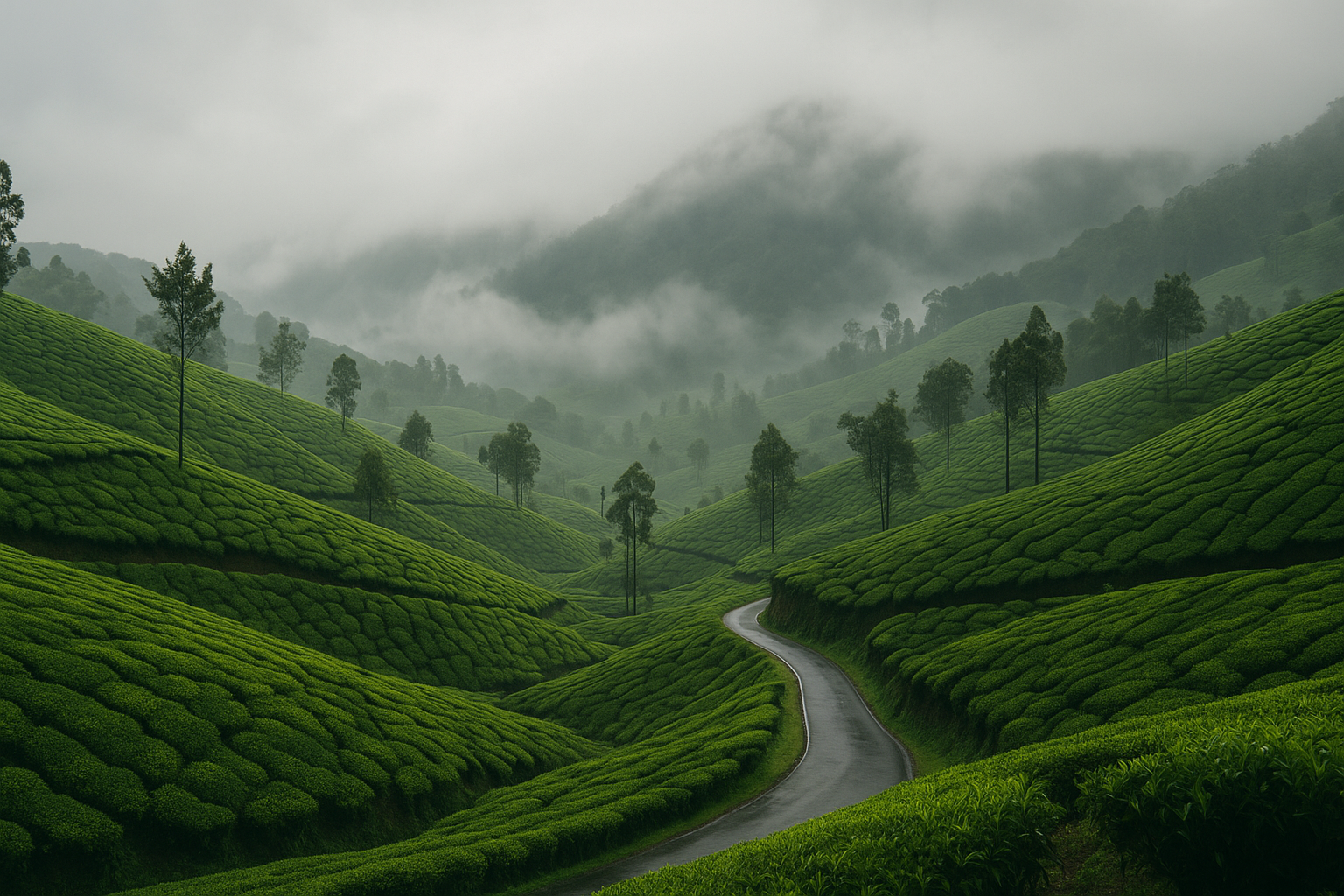
#Munnar in the rains looks almost fake. Tea estates become this electric green, clouds sit low over the slopes, and every turn on the road feels like some ad for premium tea or SUV tyres. My first monsoon drive into Munnar was from Kochi side, and I’m not even exaggerating, we stopped too many times just to stare. Not because there was one big viewpoint. Just because the whole route kept changing face every 10 minutes. A little mist, then rain, then silver light, then full fog. It was mad.
What Munnar does best in monsoon is atmosphere. You don’t even need a packed itinerary. Stay somewhere facing plantations or valleys, wake up to rain tapping the roof, drink hot tea that tastes better because you’re there, and do short drives when the weather opens up. Main attractions like Mattupetty Dam area, Echo Point, Top Station route, tea museum, Attukad side viewpoints, and Blossom Park can be done depending on rain conditions, but monsoon Munnar is honestly more about the in-between moments. The roads, the chai shops, the estate views, those random photo stops.
Now the not-so-fancy part. Munnar can get crowded even in rainy season on long weekends. Traffic near the town area is annoying, parking can test your patience, and some viewpoints become less about serenity and more about umbrellas poking your eye. Also, if heavy rain is ongoing, visibility can be poor and some outdoor plans feel pointless. Trekking options may be restricted depending on forest permissions and safety alerts. Eravikulam National Park access can sometimes be affected by weather or seasonal management, so never assume it’s open just because some old blog said so.
Budget-wise, Munnar has the widest range, which is why a lot of people pick it. Simple stays and homestays can start around ₹1,500 to ₹3,000 in monsoon if booked smart. Mid-range hotels and plantation-view rooms often sit around ₹3,500 to ₹7,000. Proper scenic resorts can jump to ₹8,000, ₹12,000, even much more if the property is fancy-fancy. Monsoon deals do exist though, especially weekday stays. Food is easy too — Kerala meals, appam-stew, porotta-beef in many places, hot pazhampori, cardamom tea, and endless small bakeries. I had one roadside kappa and curry meal there that still lives rent free in my head.
If your idea of a monsoon holiday is looking out of a window and saying “wow” every half hour without doing much else, Munnar wins very easily.
Wayanad in monsoon: lush, spread out, slightly wild, and maybe my personal comfort pick
#Wayanad feels different from Munnar from the moment you enter. Less polished hill-station energy, more region-with-forests-and-farms energy. It’s broader, more scattered, more about area than one central town vibe. And in monsoon, it becomes absurdly green. Not cute green. Deep, dripping, serious green. The kind where even compound walls look like they’ve joined the rainforest. I did Wayanad once during a rain-heavy August and once just around the edge of monsoon, and both times it felt slower than Munnar in a good way.
The big draw here in rainy season is the mix. Waterfalls like Soochipara, Meenmutty, and Kanthanpara can be stunning, but access depends heavily on rainfall and safety conditions. Sometimes the water flow is glorious and the entry is open. Sometimes authorities close them because rocks get dangerous or paths become too risky. That’s the thing with Wayanad — flexibility is everything. You come for the mood, not a checklist. If Banasura side is open, great. If boating is paused, okay, have chai and look at the mist. If Edakkal Caves are accessible and weather is decent, do it early because steps get slippery and crowds build fast.
What I really love in Wayanad is staying in a proper homestay or plantation stay a bit away from the main road. Rain on tiled roofs hits different there. You hear insects, frogs, maybe temple sound from far away, maybe a jeep passing in the mud... very grounding somehow. Accommodation here is great for people who want value. Budget rooms may start around ₹1,200 to ₹2,500. Nice homestays are usually ₹2,500 to ₹5,500. Boutique forest or plantation resorts range from ₹6,000 upward, and some luxury places go much higher of course. But Wayanad still often feels less overpriced than Munnar for what you get.
Food in Wayanad is another reason I keep recommending it to Indian travellers. You get proper Kerala meals, Malabar influence in many places, good biryani, pothichoru, fish fry where available, kallummakkaya in some menus depending on sourcing, banana fry, local tea shops, and in some homestays, the kind of home-cooked dinner that beats any restaurant. Also, if you drive from Kozhikode side, the route itself is half the fun. Hairpin bends, fog, roadside snacks, and then that slow shift into cooler air.
A quick reality check though. Wayanad roads in monsoon can be tiring because attractions are spread out. It’s not one compact sightseeing loop. You need patience, especially if you're with elderly parents or little kids. Also, leeches. Yes, everyone jokes about them till one is on your sock. Carry salt or a leech spray if you're walking near wet forest trails. And because of recurring heavy rain alerts in the region during some years, always ask locals about road condition before heading to remote spots. This is not fear-mongering, just sensible travel.
Thekkady in monsoon: less flashy, more soulful, and honestly underrated af
#Thekkady surprised me the most. Maybe because I went in with lower expectations. People usually hype Munnar first, Wayanad next, and then Thekkady becomes “haan wildlife wala place”. But monsoon Thekkady has a quiet charm that sneaks up on you. The forests look darker, richer. The air smells like wet soil, spice, bark, leaves. Not just fresh... layered. If Munnar is cinematic and Wayanad is immersive, Thekkady is almost meditative. Bit dramatic maybe, but true.
The Periyar landscape in rain is beautiful in a different way. You’re not constantly chasing viewpoints. You’re listening more, watching more. Boat rides on Periyar Lake may operate depending on weather and official conditions, and if they do, the whole mood is surreal with mist over the water and forest all around. Wildlife sightings can be hit or miss in monsoon, obviously. This isn’t Safari Channel fantasy. You may spot elephants, deer, birds, maybe more if lucky, but sometimes the experience is mostly about the habitat. And that’s okay. Forest in rain is enough.
What also works in Thekkady during monsoon is the non-rushed activity list. Spice plantation tours are lovely when everything is wet and fragrant. Ayurvedic massages are very popular in rainy months because a lot of people genuinely prefer them during this season. There are cultural shows too, cooking experiences, guided nature walks when permitted, and some really peaceful stays on the outskirts. Prices are fairly reasonable compared to premium Munnar properties. You can find budget places around ₹1,500 to ₹3,000, decent mid-range stays from ₹3,500 to ₹6,500, and good resorts from ₹7,000 onward.
But yeah, Thekkady is not for everyone. If your dream monsoon reel is giant tea valleys and endless drone-style landscape views, you may find it less dramatic. If you get bored without a packed schedule, same issue. Some people spend one night and feel done. Me, I’d do two nights minimum. Slow breakfast, one forest-linked activity, one spice stop, one massage, hot dinner, sleep early with rain outside. Solid trip.
So... which one is the best pick in monsoon for different kinds of travellers?
#- For couples and honeymoon-ish trips: Munnar first, then Thekkady. Munnar is more obviously romantic. Thekkady is for quieter couples who like nature over selfies.
- For families with kids or parents: Munnar is easiest if you want comfort and views. Wayanad works too, but only if you’re okay with longer drives between places.
- For friend groups and road trips: Wayanad is super fun, especially if your gang likes waterfalls, scenic roads, and relaxed stays.
- For wildlife and slower travel: Thekkady, no contest.
- For first-time Kerala monsoon travellers: Munnar. It gives the biggest visual payoff with least explanation needed.
- For repeat travellers who are bored of touristy hill stations: Wayanad or Thekkady. Depends whether you want waterfall-forest energy or spice-forest energy.
If I had to rank them in a very practical, no-nonsense way for monsoon trips overall: Munnar is the safest recommendation, Wayanad is my personal favourite for a richer stay experience, and Thekkady is the one I’d secretly suggest to people who say they want peace but actually mean it.
Transport, road conditions, and what nobody tells you properly
#This bit matters more in monsoon than hotel decor, trust me. Munnar is easiest from Kochi airport and railway links nearby. Wayanad is commonly accessed via Kozhikode, Kannur, Mysuru, or Bengaluru road trips. Thekkady works well from Kochi, Kottayam side, Madurai side too depending on route. Self-drive is great in all three, but only if you are comfortable on wet hill roads. Not fake-confident. Actually comfortable. Fog, sharp bends, buses coming wide, random potholes, bikers in ponchos who appear from nowhere — all standard.
Public transport exists, but in monsoon the convenience gap shows. Buses are fine for budget travellers, but if you want flexibility around rain windows, a cab or your own car is honestly better. Start early in the day, avoid night driving on unfamiliar ghat sections, keep offline maps downloaded, and ask your hotel about current road status. Many good stays now actively message guests about route updates, which is super useful. Also, mobile network can go patchy in some forest-edge or valley areas, especially in Wayanad and Thekkady outskirts.
A few monsoon travel tips I learnt the slightly annoying way
#- Carry one good rain jacket, not just a tiny umbrella. Umbrellas become comedy in windy hill rain.
- Shoes matter. Wear grippy sandals or trek shoes. White sneakers are a bad idea, full stop.
- Keep buffer time. In monsoon, one 20-minute stop becomes one-hour weather delay very easily.
- Don’t chase every waterfall after red alerts or heavy local rain. It’s not bravery, it’s nonsense.
- Book cancellable stays if travelling in peak rain weeks. Weather can genuinely mess plans.
- Carry cash too. UPI mostly works, but signal issues do happen in some spots.
- Leech socks or salt if you’re doing forest walks in Wayanad or Thekkady side. Laugh now, thank me later.
One more thing. Monsoon is not the season for hyper-efficient sightseeing. If that’s your travel style — up at 6, seven points before lunch, drone shot, next district by evening — you may get frustrated. Kerala rain asks you to slow down whether you like it or not. Some of my best moments in these places happened because rain ruined the original plan. Extra tea, random conversation with a shop uncle, a long view from a balcony, hot appam after getting drenched. That kind of thing.
My honest final pick
#Okay, final-final answer. If one of my friends called me today and said, “Bhai, just tell me one place in monsoon, no overthinking,” I’d probably say Munnar. It’s the most instantly rewarding. The views are mad, the stay options are huge, food is easy, access is simple enough, and even if half your plans get fogged out, the trip still feels worth it.
But if that same friend said, “I don’t want the most obvious place, I want something more lived-in and a bit slower,” I’d say Wayanad. And if they said, “I’m exhausted and want forest, quiet, spice smell, and less noise,” then straight to Thekkady. So yeah, best pick depends on your mood more than any ranking chart. That’s the truth of it.
If you ask me what I’d do for a perfect Kerala monsoon circuit though... maybe 2 nights Munnar, 2 nights Thekkady, and save Wayanad for a separate slower trip from the north side. Wayanad deserves breathing room. Munnar and Thekkady pair nicely. Anyway, hope this made your decision easier and not more confusing, though I may have done both, lol. For more such real-world travel stories and slightly less polished trip planning stuff, have a look at AllBlogs.in.