I swear, for the longest time monsoon felt romantic only in movies. In real life? Damp clothes, weird stomach bugs, random cravings for pakoras, and that heavy sluggish feeling after eating the wrong stuff. I used to think rainy season eating was just about "have chai, eat fried things, enjoy weather" and honestly... that did not work out great for me. A few years back me and my brother both got knocked out with a nasty stomach infection after eating roadside chaat during the first proper rains, and since then I got a lot more careful about what I eat in monsoon. Not fearful, just smarter, hopefully.
This guide is basically what I wish someone had explained to me earlier. Not in a preachy way. Just normal practical stuff for India, where humidity goes mad, water contamination risk goes up, digestion can feel slower, and infections seem to be lurking everywhere. Also yes, I went through recent health updates and current wellness chatter going into 2026. The broad advice from dietitians and public health folks is still pretty steady: eat fresh, eat warm, hydrate safely, avoid questionable raw foods, and support immunity with a balanced diet, not some miracle powder from Instagram reels. Thats the boring truth, but also the useful one.
Why monsoon food matters more than people think
#During monsoon, food spoils faster because of moisture and warmth. That combo is lovely for fungus, bacteria, and all the tiny gross things we dont wanna think about while eating. Cases of foodborne illness, diarrhea, typhoid, hepatitis A and other water-borne issues tend to rise in rainy months in many parts of India, especially where water storage or street hygiene is shaky. Doctors keep repeating this every year because, well, it keeps being true every year. In 2026, the bigger wellness trend is less about fancy detoxes and more about gut health, food safety, and metabolic health. Which sounds less exciting than turmeric shots, but it's actually way more relevant in monsoon.
A thing I noticed personally: my digestion gets weird in humid weather. Heavier meals sit in my stomach longer, or at least it feels that way. A lot of traditional Indian monsoon eating actually makes sense when you think about it, warm khichdi, soups, lightly spiced sabzi, ginger, pepper, jeera, ajwain, fermented foods made safely at home. Not because they're magical cures. Just because they're easier on the belly and usually lower-risk than cut fruit sitting out for 5 hours somewhere.
The best foods to eat during monsoon in India, according to common sense... and yeah, actual health guidance too
#If I had to keep it super simple, monsoon meals should be freshly cooked, warm, moderate in spice, not too oily, and easy to digest. The less time food spends hanging around at room temperature, the better. I know leftovers are life, I get it, but in monsoon I'm way stricter about refrigeration and reheating properly.
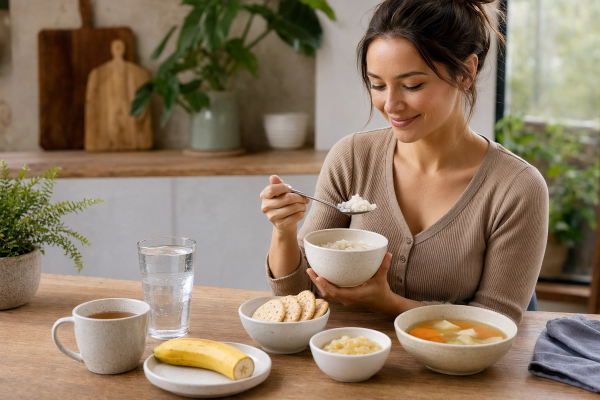
- Khichdi with moong dal, rice, a little ghee, jeera, hing, ginger. This is peak comfort food and honestly one of the safest bets when your stomach feels off.
- Soups made with lauki, pumpkin, tomato, carrot, spinach, mixed lentils, or chicken if you eat non-veg. Warm liquids feel soothing and help if your appetite is low.
- Steamed foods like idli, dhokla, handvo, or even plain steamed veggies. Less oil, easier digestion.
- Seasonal cooked vegetables, especially tori, lauki, parwal, pumpkin, beans, carrots, beets, and properly washed then cooked leafy veg. I do eat greens in monsoon, just cooked, not raw salad style.
- Curd and buttermilk, but only if they suit you and are fresh, safely stored, and not left outside. Some people do great with dahi, others get bloating. Your body gets a vote too.
- Protein that is freshly prepared, dal, chana, paneer, eggs, fish or chicken from a reliable source. Protein matters a lot for immunity and recovery, and 2026 nutrition advice is big on not skipping it.
- Vitamin C-rich foods like amla, guava, lemon, oranges where available, kiwi if you buy it, capsicum, and cooked tomatoes. Not because vitamin C prevents every cold on earth, but it supports immune function and helps overall diet quality.
- Zinc-containing foods such as pumpkin seeds, legumes, dairy, eggs, meat, and nuts. Again, not sexy wellness content, but actual useful nutrition.
My rainy-season staples, the stuff I keep going back to
#When the weather is gloomy and everything smells like wet socks, I need food that feels grounding. For breakfast I do vegetable poha with peanuts and extra curry leaves, or upma with ginger, or idli with sambar. If I'm in one of my "healthy but lazy" moods, daliya works. Lunch is usually dal, rice or roti, one sabzi, dahi if it's fresh, and maybe cucumber only if I'm peeling it myself and eating it immediately. Dinner gets simpler in monsoon, khichdi, soup, paneer bhurji with phulka, veg stew, egg curry with rice. Nothing dramatic. Thats sort of the point.
I also started adding more ginger, black pepper, jeera, haldi, garlic, tulsi tea sometimes, and ajwain in meals. Let me be clear though, these are supportive ingredients, not medicine replacements. Social media in 2026 still loves calling every spice an immunity bomb. I mean... calm down. Spices can help with flavor, digestion, and in some cases have anti-inflammatory or antimicrobial properties, but they don't cancel out contaminated water or badly stored food. Wish they did.
Foods I personally avoid or seriously cut down during monsoon
#This part used to annoy me because it's basically a list of fun things. But yeah, some foods are just riskier in rainy season.
- Roadside cut fruit, golgappa water, uncovered chaat, and salads from places I don't fully trust. I still love street food, I'm not pretending otherwise, but monsoon is when I become picky.
- Leafy greens from unknown sources if I can't wash and cook them properly. Mud, insects, contamination... no thanks.
- Seafood from questionable vendors. During monsoon freshness can be a real issue in some regions, and food poisoning from bad seafood is brutal.
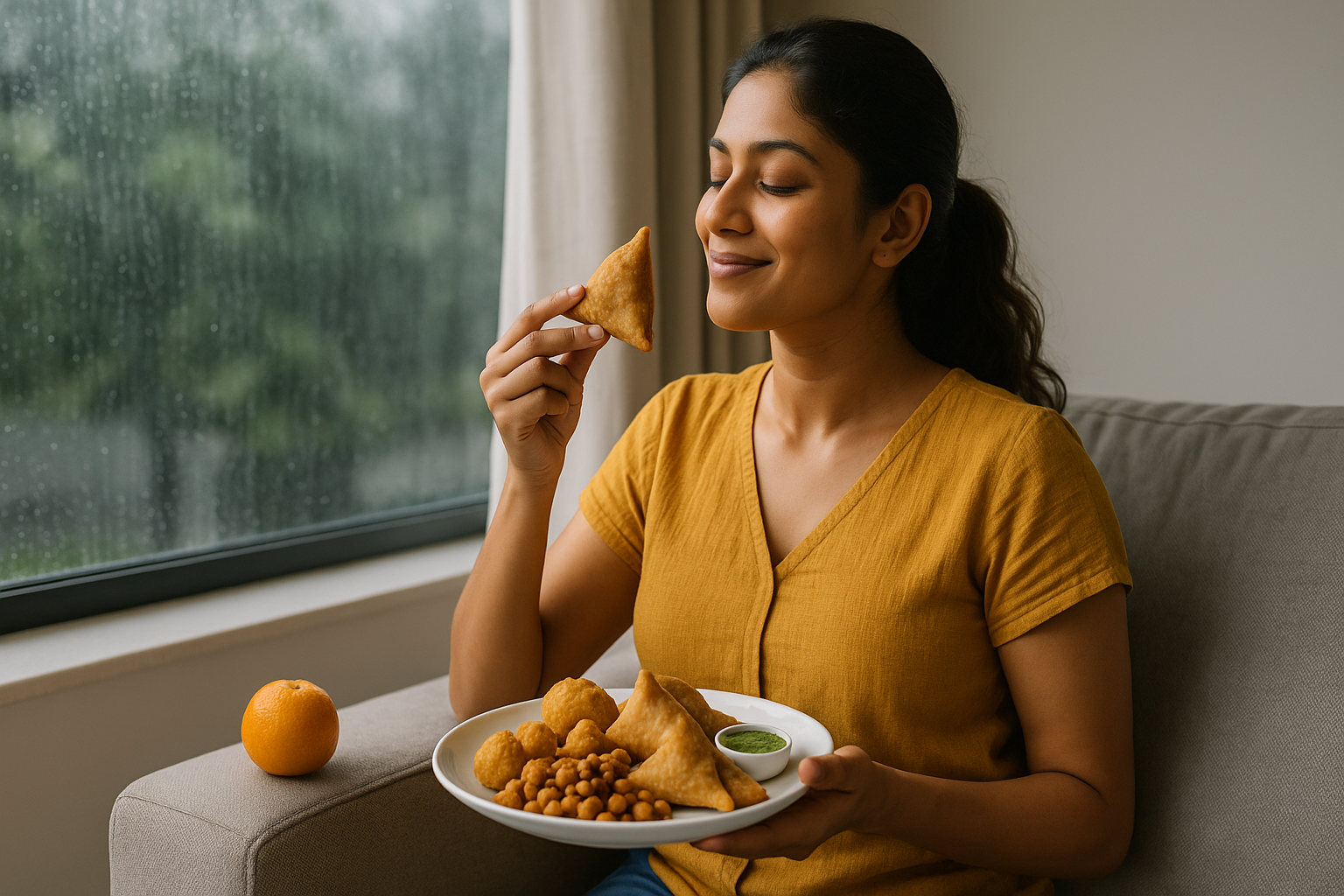
- Deep-fried snacks every single evening. One plate of pakora with chai? Joy. Daily pakora festival? My digestion starts a protest.
- Leftovers that sat out too long, buffet food, or milk-based desserts from places with poor refrigeration. This is where people get careless.
- Excess raw sprouts, raw salads, and unpeeled fruits eaten outside. Fresh at home is one thing, random office pantry fruit plate is another story.
Hydration in monsoon is weirdly underrated
#Because you're not sweating buckets like peak summer, it's easy to drink less water. I do this all the time and then wonder why I have a headache. Safe hydration matters a lot during monsoon because water contamination risk can go up. So I stick to filtered water, or boiled and cooled water if things seem dodgy. Coconut water is nice from hygienic sources. Homemade lemon water is good. Soups count a bit. Herbal teas are fine. But don't replace plain water with six cups of chai and call it wellness, been there, not ideal.
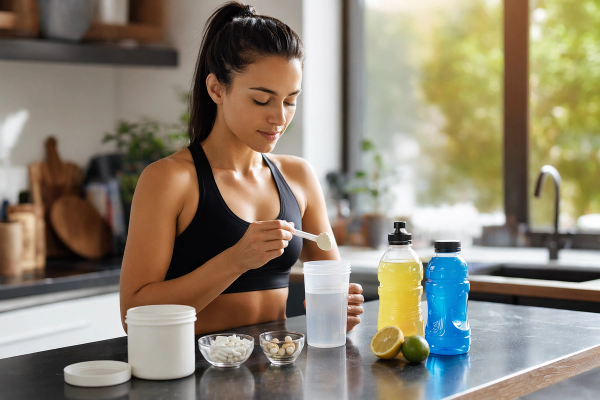
One more thing that nutrition folks keep emphasizing now, especially with the whole 2026 gut-health trend, is electrolytes only when needed. If you've had diarrhea, vomiting, heavy sweating, or illness, ORS can be really important. But for everyday desk life in pleasant rain, you probably don't need expensive electrolyte sachets marketed by influencers. Save your money, yaar.
What current wellness trends get right, and what they get very wrong
#I kinda enjoy reading health trends even when they're a bit silly. In 2026, there is still huge focus on gut microbiome health, protein intake, blood sugar balance, wearable-driven wellness, and anti-inflammatory eating. Some of that is actually useful in monsoon. For example, balanced meals with protein + fiber + carbs can help energy stay stable when humid weather makes you sleepy. Fermented foods, when prepared safely, may support gut health. Eating enough protein definitely helps overall resilience. And paying attention to sleep, steps, and hydration through wearables can be motivating, if you don't become obsessive about every little metric.
What I don't buy into is the dramatic "rainy season detox" nonsense. Your liver already detoxes. You don't need a 3-day juice cleanse made from raw produce washed in iffy water. Also, taking random immunity gummies, megadoses of supplements, or herbal powders because the internet said monsoon immunity is low... ehhh, not smart. If you have a deficiency, treat the deficiency with proper advice. If not, focus on food quality, hygiene, sleep, and stress. Boring answer again, but the body likes boring answers more than trends do.
Monsoon wellness is less about eating some magical superfood and more about not making your stomach fight for its life.
A simple one-day monsoon meal idea that actually feels realistic
#Just in case you're sitting there thinking okay fine but what do I actually eat tomorrow, here's a rough day. Not a rigid plan, more like a nudge. Breakfast: hot vegetable poha with peanuts and ginger chai with less sugar. Mid-morning: one whole fruit you wash and peel yourself, like papaya or pear, or a small bowl of fresh homemade dahi. Lunch: moong dal, rice, lauki sabzi, beetroot poriyal, and chaas if it suits you. Evening: roasted chana or makhana, maybe corn chaat made at home with lemon and black pepper. Dinner: masoor soup or chicken soup, one roti or a small bowl of rice, paneer or egg bhurji, and sauteed vegetables. If hungry later, haldi milk or just warm water. Very normal food. Thats why it works.
If you have diabetes, PCOS, IBS, or low immunity, monsoon eating needs a little tweaking
#This is where generic advice can get messy. If you have diabetes or insulin resistance, don't use monsoon comfort as an excuse to live on chai, biscuits, and fried snacks. Add protein at each meal and keep carbs balanced. If you have PCOS, same story honestly, steady meals, enough protein, enough fiber, less ultra-processed snacking. If you have IBS or a sensitive stomach, monsoon can trigger flare-ups because of infections, irregular meals, or rich food. Go simpler, softer, lower grease. And if you're immunocompromised, pregnant, elderly, or recovering from illness, food hygiene becomes even more important, I'd say non-negotiable. In those cases be extra careful with raw foods, street food, and undercooked meat or eggs.
Also, please don't self-treat serious symptoms with kadha and hope. If you have ongoing diarrhea, blood in stool, high fever, dehydration, severe weakness, or vomiting that won't stop, see a doctor. Same if you think it's food poisoning. I know this sounds obvious but when rain is pouring outside people delay care, and that can get ugly fast.
Little habits that changed my monsoon health more than any superfood did
#- I wash produce better and cook more of it instead of eating huge raw salads.
- I buy smaller quantities more often so stuff stays fresh and I don't gamble with old leftovers.
- I reheat food till properly hot, not just lukewarm in the middle.
- I keep a homemade emergency meal option, usually moong dal khichdi ingredients, eggs, curd, and soup vegetables.
- I don't skip meals then attack a plate of bhajiyas at 6 pm like a feral person. Well... not often anyway.
- I pay attention to sleep because low sleep plus gloomy weather plus junk food cravings is a terrible combo for me.
Final thoughts, because monsoon should feel cozy, not miserable
#So yeah, what to eat during monsoon in India isn't really about creating some perfect saint-like diet. It's more about reducing risk while still enjoying food. Freshly cooked meals, warm foods, enough protein, safe water, fruits and vegetables handled carefully, less risky street stuff, and not overdoing fried snacks every evening even though the weather practically begs you to. I still have pakoras sometimes, obviously. I'm not giving that up. But now it's part of an overall pattern that keeps me feeling pretty decent through the season instead of constantly bloated, tired, or sick.
If I could sum it up in one line, it'd be this: during monsoon, eat like your stomach deserves respect. A little old-school wisdom, a little current nutrition science, and a little common sense go a long way. And if you like reading practical wellness stuff without too much fake perfection, you can wander over to AllBlogs.in too, it's got that nice casual health-reading vibe I usually enjoy.