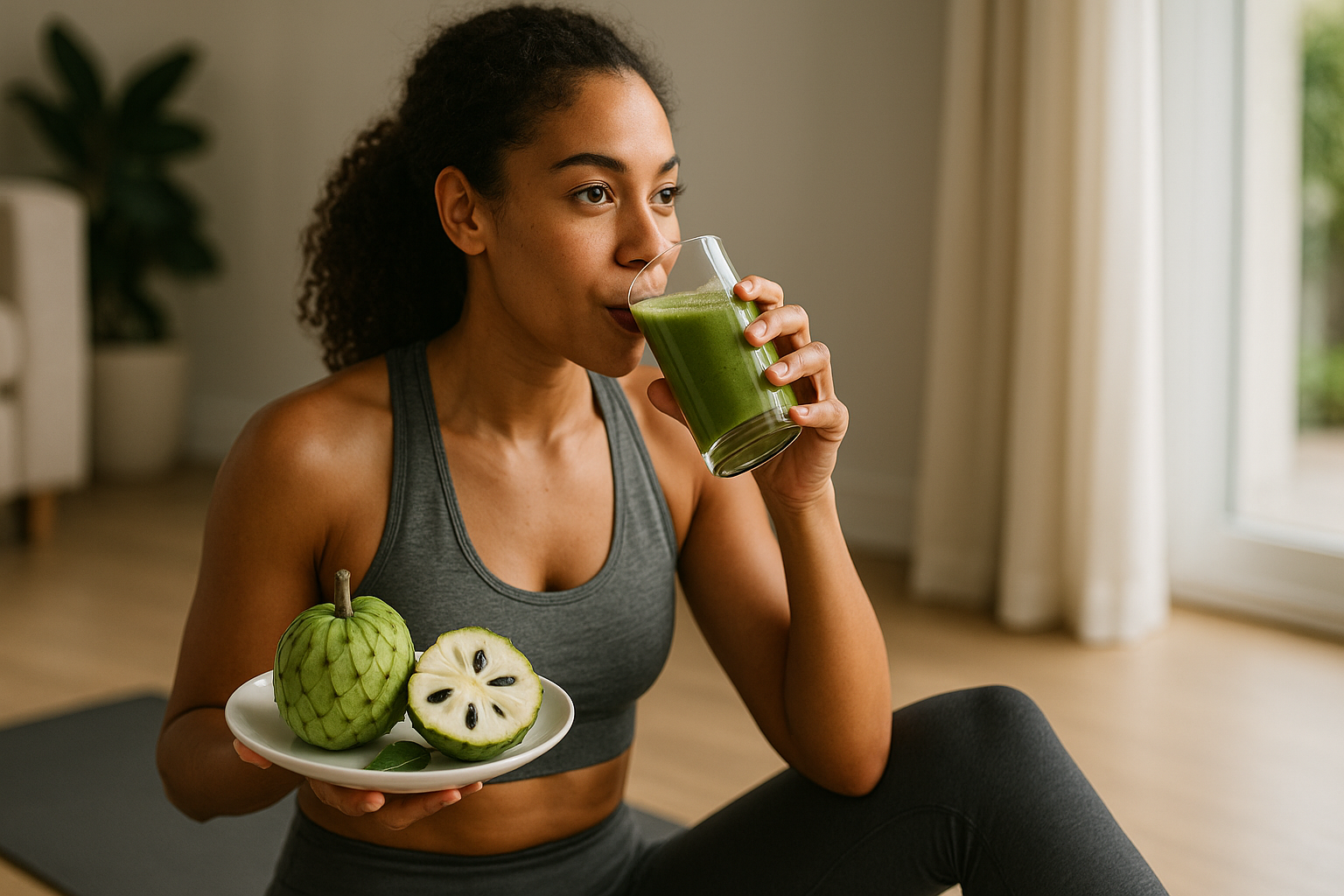
I’ll be honest, the first time I tried cherimoya I had no clue what I was doing. I stood in my kitchen with this green, scale-y looking fruit thinking, um, is this even ripe? Someone had told me it tastes like banana, pineapple, vanilla custard, and maybe a little pear all mixed together. That sounded fake, lol. But then I scooped it out with a spoon and... wow. Super soft, sweet, almost ridiculous. Since then I’ve gone down a bit of a rabbit hole on custard apple, which is often called cherimoya in a lot of places. And because I’m one of those people who gets weirdly interested in food once it makes me feel good, I started digging into the nutrition side too.
So this post is basically my friendly deep-dive into cherimoya health benefits, what’s actually in it nutritionally, who might enjoy it, and who should maybe be a little careful. Not medical advice, obviously. Just one health-obsessed person sharing what I learned, what I’ve tried, and what seems actually useful in real life.
First, what even is cherimoya?
#Cherimoya is a tropical fruit from the Annona family. People also lump it into the broader “custard apple” convo, though depending on where you live, custard apple can mean slightly different fruits. The flesh is creamy and white, the seeds are big and black, and yeah, don’t eat the seeds. That part matters. The flavor is sort of dessert-y without being processed-sweet, which is probly why it keeps showing up in “whole food treat” conversations in wellness circles lately.
In 2026, I’ve noticed a bigger trend toward what people call functional whole foods instead of hyper-fortified snacks. Basically folks are a bit tired of bars and powders pretending to be meals. Fruits like kiwi, guava, pomegranate, dragon fruit, and cherimoya are getting more attention because they come with fiber, vitamins, water, and plant compounds all in one package. That doesn’t mean one fruit is magic. It just means, you know, real food is having a moment again.
Cherimoya nutrition, in plain English
#Nutritionally, cherimoya is mostly known for being a good source of vitamin C and fiber, while also giving you potassium, vitamin B6, and a decent amount of natural carbs for energy. If you eat about one cup of the flesh, you’re getting a meaningful amount of fiber and vitamin C, plus some magnesium and copper too. It’s not a super low-sugar fruit, so I wouldn’t call it “free food” if you’re managing blood sugar carefully, but the fiber helps slow things down compared with, say, juice or candy.
| Nutrient/Feature | Why people care about it | What cherimoya brings |
|---|---|---|
| Fiber | Gut health, fullness, steadier digestion | A pretty solid amount for a sweet fruit |
| Vitamin C | Immune support, collagen formation, antioxidant role | One of cherimoya’s big strengths |
| Potassium | Fluid balance, muscle and nerve function, blood pressure support | Helpful, especially in produce-rich diets |
| Vitamin B6 | Energy metabolism, brain and nerve health | Nice bonus that people overlook |
| Natural carbs | Quick-ish energy with some fiber attached | Good pre-walk or afternoon snack for some folks |
| Plant compounds | General antioxidant activity being studied | Promising, but not a cure-all |
That combo is kinda why I like it. It feels indulgent, but it still fits into a health-conscious routine. When I’m trying not to default to pastries every time I want something sweet, cherimoya scratches that itch better than a lot of fruit does. Not always, because I’m still human and croissants exist, but often enough.
The gut health angle is honestly one of the biggest perks
#This is where I personally noticed the most. I’ve had phases where my digestion was all over the place, not in a dramatic influencer way, just regular bloating, inconsistent bathroom schedules, eating too fast, too much stress, all that glamorous adult stuff. Fruits with fiber tend to help me most when I’m eating them consistently, and cherimoya can absolutely be part of that. The fiber supports regularity, and because the flesh is soft, it’s easier for some people to tolerate than rougher fruits.
One thing I had to learn the boring way is that “healthy” doesn’t always mean “eat a huge amount.” With fiber-rich foods, going from barely any fiber to a ton overnight can make your stomach mad. Ask me how I know... actually don’t.
There’s also a broader 2026 wellness focus on the gut microbiome, but thank goodness the conversation is getting a little less hype-y. More dietitians and gastro people are saying the basics still matter most: diverse plant foods, enough fiber, hydration, movement, sleep. Not just expensive probiotic sodas. Cherimoya fits into that bigger picture as one fiber-containing fruit, not as some miracle gut reset thing.
Vitamin C, skin health, and why wellness people keep talking about glow
#If you’ve spent even five minutes online lately, you’ve seen the “eat for your skin barrier” trend. Some of it is silly, some of it is actually sensible. Cherimoya has vitamin C, and vitamin C matters for collagen synthesis and protecting cells from oxidative stress. That doesn’t mean eating cherimoya will magically erase wrinkles by Tuesday. But diets rich in vitamin-C-containing produce are associated with better overall health patterns, and skin is part of that picture.
I started paying more attention to vitamin C-rich foods after a winter where I was living on toast, coffee, and vibes. My skin looked dull, I felt run-down, and while no single food fixed me, bringing in more fruit did help. Cherimoya, oranges, kiwi, berries... all of it counts. Sometimes wellness gets too obsessed with one “hero” food when the real answer is just, like, eating actual produce on a regular basis.
Could cherimoya help heart health? Sort of yes, in the normal-food way
#This is where I wanna be careful and not oversell. Cherimoya contains potassium and fiber, both of which support dietary patterns linked with heart health. Potassium helps with blood pressure regulation, and fiber can support healthy cholesterol levels as part of an overall balanced diet. That’s legit and worth saying. But no, cherimoya is not a treatment for hypertension or heart disease. If someone online says one exotic fruit “cleans your arteries,” please run the other way.
Still, if you’re trying to build a more heart-supportive plate in 2026, current nutrition guidance is still very Mediterranean-ish and plant-forward: more fruit, vegetables, beans, nuts, seeds, whole grains, less ultra-processed stuff when possible. Cherimoya can fit in there nicely. Especially if it replaces dessert sometimes rather than just being added on top of everything else.
Energy, workouts, and why I weirdly like this before a long walk
#Because cherimoya has natural carbohydrate plus some potassium and B6, it can be a nice pre-activity snack for light-to-moderate movement. I’m not talking elite marathon fueling here, just real life. A half cherimoya before a long walk, yoga class, or one of those “hot girl walk” situations people are somehow still calling that in 2026... it works pretty well for me. It gives energy without feeling heavy.
- Soft texture, easy to eat when you don’t want a full meal
- Naturally sweet, so it feels more fun than plain oats or another banana
- Some potassium, which is useful if you’re active or sweaty all the time
- Fiber means it’s not as fast-hitting as juice, though portion still matters
That said, if I’m doing something more intense, I usually pair fruit with protein or fat at some point too. Wellness trends are finally moving away from weird carb-phobia, thank goodness, but balance still matters.
What newer research seems to suggest, without getting all fake-scientist about it
#The newer chatter around cherimoya mostly centers on antioxidants and plant compounds found in Annona fruits. Lab and early-stage research has looked at anti-inflammatory and antioxidant activity in various fruit components. Interesting? Definitely. Proven disease treatment in humans? No. Not even close. This is one of those spots where health blogs get sloppy, and I really don’t wanna do that. Cell studies are not the same thing as clinical outcomes in actual people eating actual meals.
What feels more grounded is this: fruits rich in fiber, vitamins, minerals, and phytonutrients support overall dietary quality. Better dietary quality is linked with lower risk of lots of chronic issues over time. That’s less sexy than miracle claims, but it’s true more often. Honestly the boring advice usually wins.
Important safety stuff people skip over
#Okay, please don’t ignore this part. Cherimoya seeds should not be eaten, crushed, or blended into smoothies. They’re not edible and can be toxic. The skin isn’t really eaten either. Just the soft flesh. Also, if you’ve never had cherimoya before and you tend to react to tropical fruits, try a small amount first. Fruit allergies aren’t super common for everyone, but they do happen.
And if you have diabetes, prediabetes, or you’re actively monitoring blood sugar, cherimoya can still maybe fit, but portion size matters. Pairing it with Greek yogurt, cottage cheese, nuts, or a meal with protein can help. If you have kidney disease or a medically prescribed potassium restriction, ask your clinician before going hard on higher-potassium fruits. Boring disclaimer, yes, but an important one.
How I eat it without making it complicated
#My favorite way is the least fancy way: wait till it gives slightly when you press it, cut it in half, scoop the flesh out with a spoon, spit out or remove the seeds. Done. If it’s rock hard, it’s not ready. If it’s mushy and smells fermented, you waited too long. Story of my produce life, honestly.
- Straight from the shell with a spoon - elite, no notes
- Mashed into plain yogurt with cinnamon and a few chopped pistachios
- Blended into a smoothie bowl, but only after removing every seed because I’m paranoid for good reason
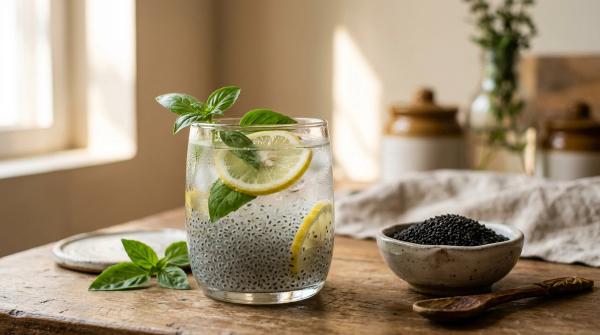
- Folded into chia pudding if I want something dessert-ish but not too heavy
I did once try freezing it and making a sort of sherbet situation. Tasted amazing, looked terrible. Very beige. Not everything healthy needs to be photogenic though, right?
A quick reality check on weight loss, because the internet gets weird
#Cherimoya is sometimes framed as either a “diet fruit” or a “too sugary fruit,” and honestly both takes are kind of annoying. It’s a fruit. It has calories, carbs, fiber, vitamins. If it helps you feel satisfied and keeps you from inhaling six cookies at 4 p.m., great. If you need something lower in sugar for your own medical reasons, maybe another fruit works better sometimes. Neither side needs to be dramatic about it.
One thing that’s refreshing in 2026 is more wellness experts talking about blood sugar in a nuanced way instead of using it as a scare tactic. Stable energy matters, yes. Pairing carbs with protein/fat/fiber can help, yes. But for most healthy people, fruit is not the problem. The bigger issue is often overall diet quality, stress, poor sleep, not enough movement, and ultra-processed snacking all day. Been there. Still there on some weeks, if I’m honest.
So... is cherimoya worth adding to your routine?
#I think yes, if you enjoy it and can find it at a sane price. It’s nutritious, satisfying, naturally sweet, and a nice way to diversify your fruit intake. That variety part matters more than people think. Different fruits bring different mixes of fiber, vitamins, and plant compounds. Rotating what you eat is usually smarter than becoming emotionally attached to one “superfood.” I say this as someone who absolutely did have a pomegranate era.
For me, cherimoya became one of those foods that made healthy eating feel less restrictive. That matters a lot. If wellness is all discipline and no pleasure, I dunno, it stops being sustainable real fast. A creamy fruit that tastes like dessert and still gives you fiber and vitamin C? I’m into it. Imperfectly, enthusiastically, with a spoon standing over the sink sometimes.
My final take
#Cherimoya isn’t magic, but it is genuinely nutritious. The main benefits are pretty straightforward: fiber for digestion and fullness, vitamin C for immune and skin support, potassium for normal muscle and nerve function and heart-health-friendly eating patterns, plus a nice dose of natural energy. The newer wellness trend of appreciating whole, functional foods actually makes sense here. Just keep expectations normal, remove the seeds, and treat it as one tasty part of a balanced routine, not some cure-all from the internet.
If you end up trying it, I hope you get one of the good ones because wow, when cherimoya is ripe it’s kind of incredible. And if you like this sort of practical, slightly obsessive health rambling, you can find more over on AllBlogs.in.